
Lady palm plant bring easy tropical style to indoor spaces around the world. I’ve grown them in various climates, from humid summers to dry winters, and they adapt without complaint. Their clustered canes and soft fronds fit any room, making them a go-to for busy households.
What draws people to this plant first is its forgiving nature. Beginners often kill flashier types with overcare, but lady palms just keep going. Place one in a low-light office or cozy reading nook, and it rewards you with steady growth and fresh air for years.
This plant stands out for its toughness. It handles central heating or AC blasts just fine. Whether in a sunny condo or a shaded home, the lady palm plant delivers reliable greenery.
What Is the Lady Palm Plant
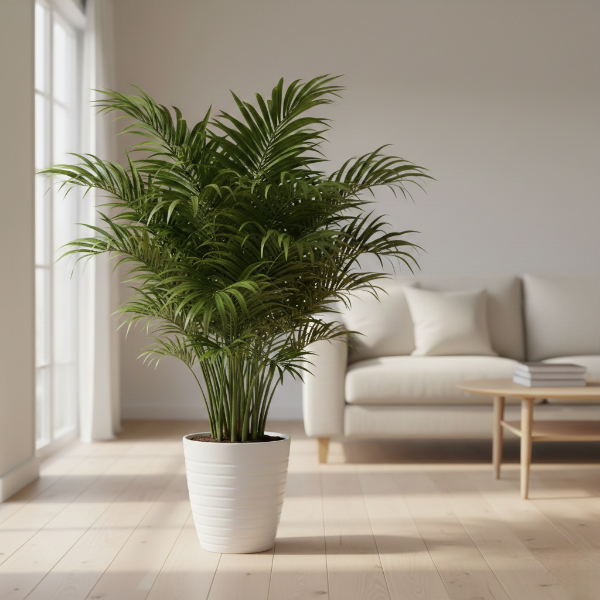
The lady palm plant, or Rhapis excelsa, originates from subtropical forests in China and Taiwan. There, it grows under dense canopies, developing its signature multi-stemmed habit. Cultivars like the Rhapis excelsa lady palm plant have been refined over centuries for gardens and homes worldwide.
Each cane supports fans of 5-10 slender leaflets, arching gently for an airy feel. Plants form dense clumps up to 12 feet tall outdoors, but stay 6-10 feet indoors. They spread via underground rhizomes, filling pots naturally over years.
With proper care, these palms last for decades. In mild climates, they even go outside in partial shade. I’ve seen mature specimens recover from light frosts, sprouting new canes come spring.
Lady Palm Plant Care Guide
Lady palm plant care stays simple across regions, focusing on drainage and steady moisture. Adjust for your local humidity and light, as I’ve done in different environments.
- Light requirements: Prefers bright indirect light but excels in low light. East-facing windows work great. Full sun fades leaves in hot spots.
- Watering frequency: Water when the top inch of soil dries out, about weekly in summer. Cut back in winter; let top 2 inches dry. Drier homes may need less.
- Soil type: Well-draining mix with peat and perlite. Standard houseplant soil suffices, but add sand for better airflow.
- Pot selection and drainage: Ceramic pots with holes prevent rot. Terracotta dries faster in humid areas. Repot every 2-3 years.
- Temperature range: 60-80°F day, above 55°F night. Protect from drafts in cooler seasons.
- Humidity levels: 40-60%. Mist in dry interiors; pebble trays help during heating season.
- Fertilization schedule: Balanced liquid feed monthly during growth periods. Flush soil first to avoid salt buildup from tap water.
Ideal Conditions for an Indoor Lady Palm Plant
An indoor lady palm plant thrives near east or north windows in most homes. Pair it with other shade tolerant indoor plants under sheer curtains. It benefits from filtered spots to avoid heat stress.
Rotate monthly for balanced growth, especially in one-window spaces. For larger pots (12-16 inches), use stands to boost airflow in stuffy rooms.
Group with low maintenance houseplants for a micro-jungle effect. Elevate in high-traffic homes to protect from pets and kids.
Lady Palm Plant Benefits
Lady palm plants pack practical advantages for homes everywhere.
- Air purification qualities: Studies show it removes formaldehyde, xylene, ammonia, and CO2. Great for spaces with off-gassing furniture.
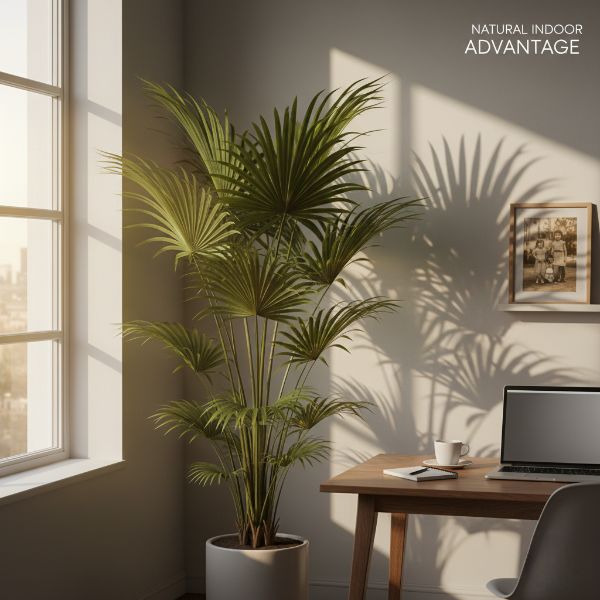
- Elegant appearance: Feathery fronds add height and texture as decorative houseplants. They soften modern lofts or traditional dens seamlessly.
- Low maintenance nature: Slow growth means rare repotting. Ideal for travelers or remote workers anywhere.
- Longevity: Survives 20+ years, even in varying climates. Heirlooms in many families.
- Adaptability to indoor environments: Handles low light, drafts, and temps as tropical indoor plants. Versatile from cool greenhouses to warm patios.
Common Problems and Solutions
Growers face familiar issues, often from climate swings. Here’s how to fix them.
- Brown leaf tips: Dry air or salts from water. Use distilled water and mist; trim tips.
- Yellow leaves: Overwatering or low light. Check drainage; move brighter.
- Overwatering: Soggy soil causes rot. Empty saucers; water less in cool seasons.
- Underwatering: Droop and crisp edges. Soak thoroughly; stay consistent in dry areas.
- Pests: Scale or mites in crowded spots. Wipe with neem; isolate.
- Slow growth: Insufficient light or cold. Brighter spot or warmer room; normal indoors.
Quick Care Summary Table
Styling Ideas
Lady palm plants add graceful height and texture to any space.
- Apartments: On stands or macrame to expand small areas.
- Living rooms: Beside sofas with floor lamps for shadow play. Perfect with mid-century decor.
- Bedrooms: By bedsides for air purification and calm. Stands out in neutral tones.
- Offices: Grouped as desk dividers to soften workspaces.
- Entryways: Tall pots on consoles for elegant welcomes.
Propagation Tips
Divide clumps in spring: Remove from pot, separate rooted offsets, replant in 6-8″ drained pots. Roots form in weeks; great for expanding collections anywhere.
FAQs
6-12 inches yearly indoors. Slower in low light; faster in humid spots.
Excellent for it, topping shade tolerant lists. Thrives under office LEDs.
Top inch dry; weekly summer, biweekly winter. Varies by humidity.
Non-toxic but may upset stomachs if eaten. Texture deters most pets.
Conclusion
The lady palm plant offers unbeatable versatility for homes everywhere. Master lady palm plant care with indirect light and even moisture, and enjoy its air-cleaning perks and style. From patios to dim apartments, the lady palm plant keeps delivering. Once established, it becomes that quiet standout you forget to fuss over. Try grouping a few for fuller impact in larger spaces.