
If you have ever walked into a dimly lit apartment and wondered whether any plant could survive there, you are not alone. Low-light indoor plants are a real game-changer for anyone living in a space where natural sunlight is limited. Whether your windows face north, your rooms are small, or tall buildings block the sun outside, dozens of beautiful plants will not just survive but actually thrive. This guide walks you through 25 of the best low-light indoor plants you can bring home in 2026.
What Are Low-Light Indoor Plants?
Low-light conditions inside a home refer to spots that receive indirect or filtered light for most of the day. This includes:
- Apartments with small or few windows
- Home offices located away from exterior walls
- Bedrooms and hallways with limited natural light
- Rooms that face north and rarely see direct sunlight
It is important to know that Low-Light Indoor Plants does not mean complete darkness. Most plants still need some ambient light to grow. Think of it as the kind of light you can comfortably read a book in without turning on a lamp. That is usually enough for the plants on this list.
Why Low-Light Plants Are Great for Homes
Growing indoor plants for low light spaces comes with some real advantages, especially if you are new to plant care.
- Easy to maintain since they do not need constant sunlight adjustments
- Perfect for apartments where large windows are not always available
- Great for beginners because most are forgiving and slow to react to neglect
- Improve home aesthetics with greenery in corners and spaces that often look bare
- Adaptable to a wide range of indoor environments including offices and bedrooms
25 Low-Light Indoor Plants for Your Home in 2026
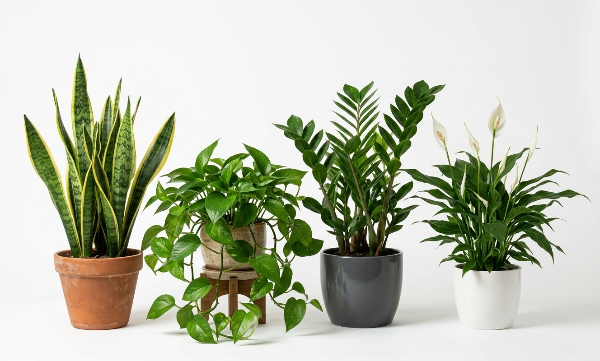
1. Snake Plant (Sansevieria trifasciata)
Light Requirement: Very low to indirect light
Watering Needs: Every 2 to 6 weeks
Maintenance Level: Very low
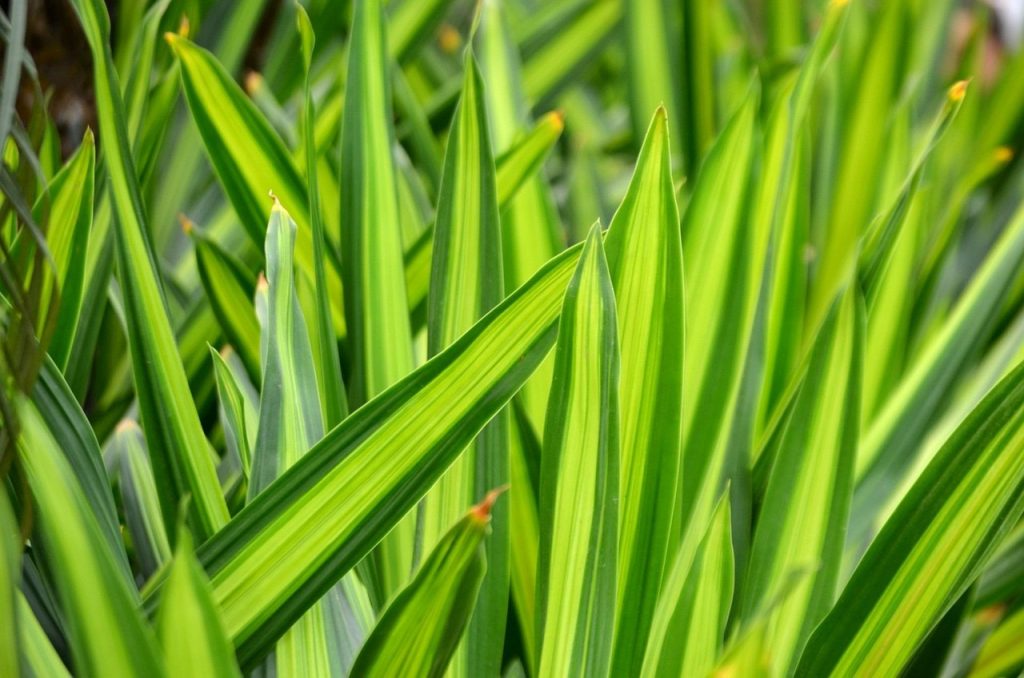
The snake plant is one of the most recommended easy indoor plants for Low-Light Indoor Plants. Its tall, sword-shaped leaves add a modern look to any room. It stores water in its leaves, so overwatering is the only real risk. It also helps purify indoor air, making it perfect for bedrooms or living rooms with limited sunlight. A true set-it-and-forget-it plant.
2. ZZ Plant (Zamioculcas zamiifolia)
Light Requirement: Low to moderate indirect light
Watering Needs: Every 2 to 3 weeks
Maintenance Level: Very low
The ZZ plant is nearly indestructible. Its waxy, dark green leaves look polished and healthy even when the plant has been largely ignored. It grows from thick rhizomes underground that store water, which means it handles drought well. One of the best low maintenance indoor plants you can find, the ZZ suits any room and rarely demands attention.
3. Pothos (Epipremnum aureum)
Light Requirement: Low to bright indirect light
Watering Needs: Every 1 to 2 weeks
Maintenance Level: Low
Pothos is the go-to recommendation for anyone asking about plants that grow in Low-Light Indoor Plants. Its trailing vines look great in hanging baskets or on high shelves. It tolerates neglect, irregular watering, and poor light conditions better than almost any other houseplant. The golden, marble, or neon varieties each bring a slightly different visual style to your home or office.
4. Peace Lily (Spathiphyllum wallisii)
Light Requirement: Low to medium indirect light
Watering Needs: Once a week
Maintenance Level: Low
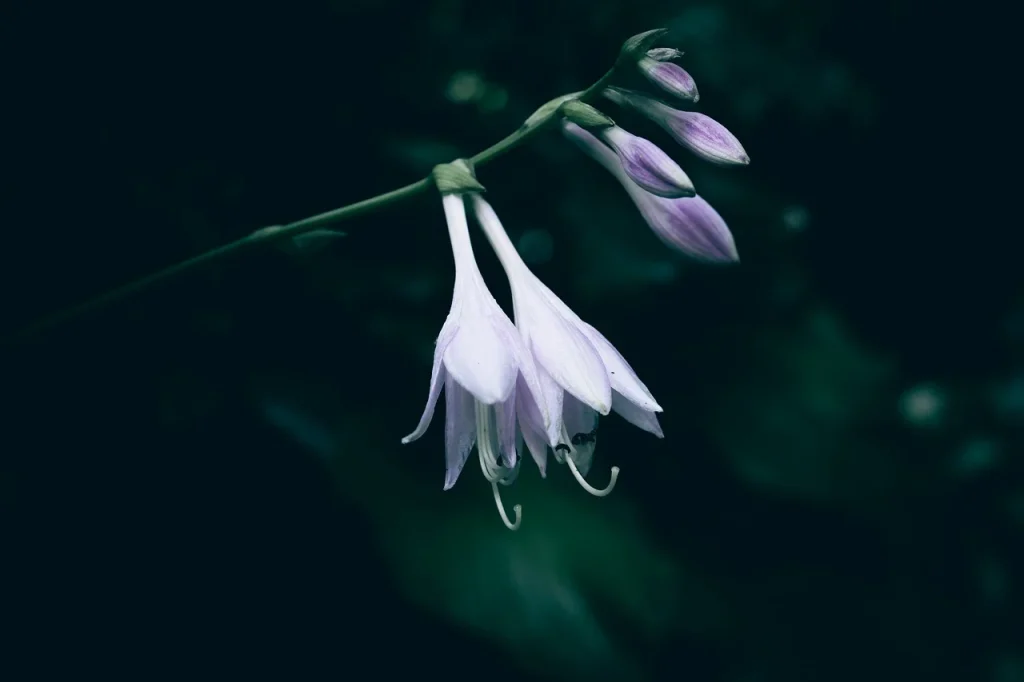
Peace lilies are one of the few flowering plants that do well in low light. Their white blooms add elegance to any space. They will actually tell you when they need water by drooping slightly, which makes care feel intuitive. They are well-suited for bathrooms and bedrooms, as they appreciate a bit of humidity. One of the most popular low-light indoor plants for good reason.
5. Philodendron (Philodendron hederaceum)
Light Requirement: Low to moderate indirect light
Watering Needs: Every 1 to 2 weeks
Maintenance Level: Low
Philodendrons are tropical plants that naturally grow under forest canopies, so dim indoor conditions feel familiar to them. The heart-leaf variety is especially compact and easy to manage. It grows quickly even in low light, giving your space a lush, vibrant look without much effort. A reliable pick for beginners who want visible progress without high maintenance demands.
6. Spider Plant (Chlorophytum comosum)
Light Requirement: Low to bright indirect light
Watering Needs: Every 1 to 2 weeks
Maintenance Level: Low
Spider plants are resilient, cheerful, and produce small offshoots called spiderettes that dangle from the mother plant. They thrive in indirect light and tolerate the kind of inconsistent watering that beginners often fall into. They are safe for pets and children, which makes them a practical choice for family homes. A wonderful beginner-friendly option for Low-Light Indoor Plants apartments.
7. Chinese Evergreen (Aglaonema commutatum)
Light Requirement: Low to medium indirect light
Watering Needs: Every 1 to 2 weeks
Maintenance Level: Low
Chinese evergreens are striking plants with patterned leaves in shades of green, silver, red, and pink. The darker green varieties handle the lowest light levels best. They prefer warm, consistent indoor temperatures and dislike cold drafts. This plant brings a tropical feel to spaces that do not get much sun and adapts well to the conditions found in most apartments and offices.
8. Cast Iron Plant (Aspidistra elatior)
Light Requirement: Very low light
Watering Needs: Every 2 to 3 weeks
Maintenance Level: Very low

The cast iron plant lives up to its name. It is one of the toughest indoor plants available, tolerating low light, dust, irregular watering, and fluctuating temperatures. Its dark, strap-like leaves grow slowly but steadily and rarely suffer from pests. If you have a particularly dark corner in your home that needs some greenery, the cast iron plant is your most dependable option.
9. Dracaena (Dracaena marginata)
Light Requirement: Low to moderate indirect light
Watering Needs: Every 1 to 2 weeks
Maintenance Level: Low
Dracaenas come in many varieties and most of them handle low light well. The marginata type features long, thin leaves with reddish edges and a dramatic, tree-like silhouette. It works well as a floor plant in living rooms or office spaces. Avoid overwatering and keep it away from fluoride-heavy tap water. A stylish and easy indoor plant for Low-Light Indoor Plants spaces of all sizes.
10. Parlor Palm (Chamaedorea elegans)
Light Requirement: Low to medium indirect light
Watering Needs: Once a week
Maintenance Level: Low to medium
Parlor palms are elegant, feathery plants that bring a tropical touch to any indoor space. They grow slowly and stay compact, making them a great fit for apartments. Unlike many outdoor palms, this species was made for indoor conditions and actually prefers indirect light. Keep the soil lightly moist and avoid placing it in direct sun, which can scorch its delicate fronds.
11. Dieffenbachia (Dieffenbachia seguine)
Light Requirement: Low to medium indirect light
Watering Needs: Every 1 to 2 weeks
Maintenance Level: Low
Dieffenbachia, sometimes called dumb cane, features large, patterned leaves that make a bold visual statement. It adapts well to indoor lighting conditions and grows relatively quickly. Keep it away from children and pets, as its sap can irritate if ingested. As long as it gets some indirect light and regular but moderate watering, it will reward you with lush, broad foliage.
12. Lucky Bamboo (Dracaena sanderiana)
Light Requirement: Low to moderate indirect light
Watering Needs: Change water every 2 weeks (if grown in water)
Maintenance Level: Very low
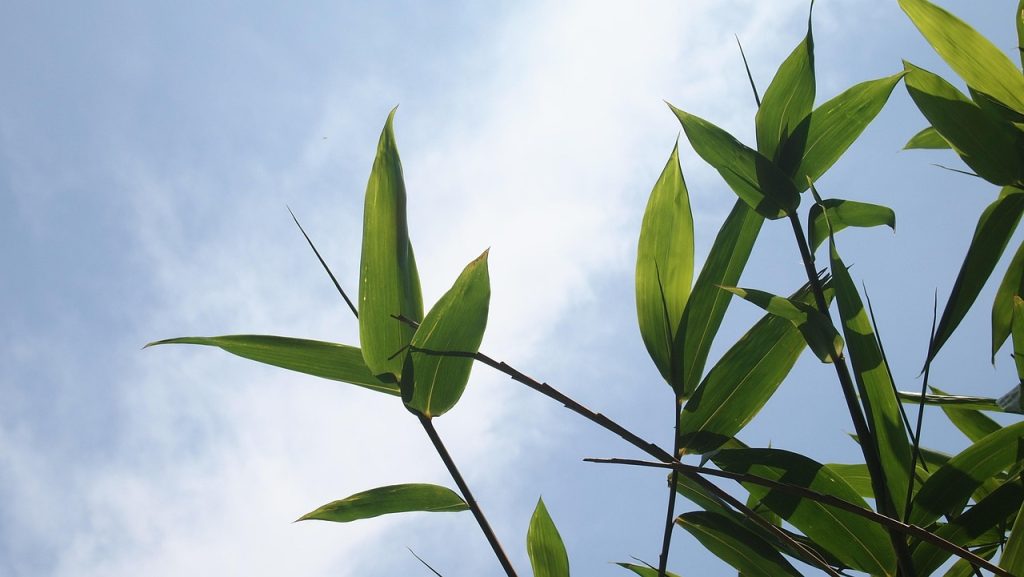
Lucky bamboo can grow in a vase of water or in soil, making it incredibly versatile. It is a popular choice for desks, shelves, and corners where sunlight rarely reaches. Culturally associated with good fortune, it is common gift plant and a favorite for home offices. Keep the water fresh and avoid direct sunlight, which can yellow the leaves quickly.
13. Calathea (Calathea ornata)
Light Requirement: Low to medium indirect light
Watering Needs: Every 1 to 2 weeks
Maintenance Level: Medium
Calatheas are loved for their strikingly patterned leaves with deep greens, purples, and pink stripes. They prefer filtered light and relatively high humidity, so bathrooms and kitchens often suit them well. Their leaves fold upward at night, which is an endearing trait. They need a bit more attention than other low-light plants but reward the effort with some of the most beautiful foliage indoors.
14. Prayer Plant (Maranta leuconeura)
Light Requirement: Low to medium indirect light
Watering Needs: Every 1 to 2 weeks
Maintenance Level: Low to medium
The prayer plant gets its name from how its leaves fold upward in the evening, resembling hands in prayer. Its oval leaves feature intricate patterns of green and red. It grows well in low light but appreciates consistent humidity and warm temperatures. Use filtered or room-temperature water to prevent leaf spotting. A charming, low-growing plant perfect for tabletops and window sills away from direct sun.
15. English Ivy (Hedera helix)
Light Requirement: Low to bright indirect light
Watering Needs: Every 1 to 2 weeks
Maintenance Level: Low
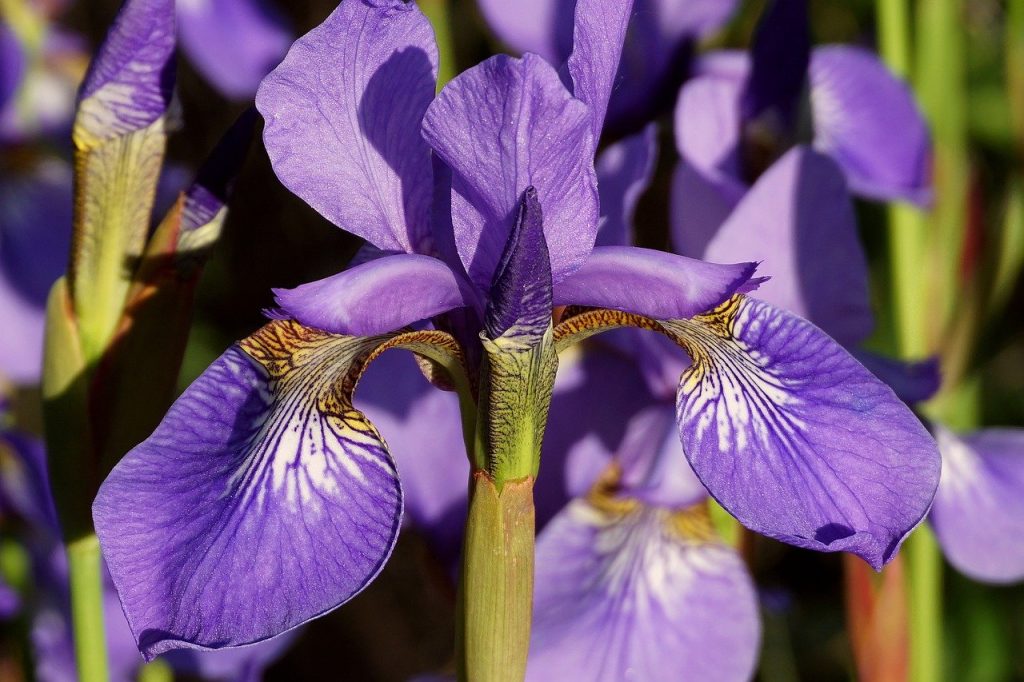
English ivy is a classic trailing plant that looks stunning in hanging pots or draped over shelves. It handles low light reasonably well and grows enthusiastically once established. Keep the soil consistently moist but not waterlogged and mist the leaves occasionally to prevent spider mites. It is great for adding a lush, cottage-garden feel to indoor spaces that lack direct sunlight.
16. Arrowhead Plant (Syngonium podophyllum)
Light Requirement: Low to medium indirect light
Watering Needs: Every 1 to 2 weeks
Maintenance Level: Low
Arrowhead plants are named for their young arrow-shaped leaves, which mature into a multi-lobed shape as the plant ages. They are fast growers that adapt well to Low-Light Indoor Plants. You can train them to climb a moss pole or let them trail naturally from a shelf or hanging basket. They come in shades of green, pink, and burgundy, offering plenty of variety for different interior styles.
17. Peperomia (Peperomia obtusifolia)
Light Requirement: Low to moderate indirect light
Watering Needs: Every 2 weeks
Maintenance Level: Very low
Peperomias are small, compact plants with thick leaves that retain moisture well. They rarely need frequent watering and handle lower light conditions without complaint. There are hundreds of species, so you can find leaf shapes and textures that suit your aesthetic. Their compact size makes them ideal for small apartments, desks, and bookshelves. One of the best low maintenance indoor plants for busy people.
18. Rubber Plant (Ficus elastica)
Light Requirement: Low to medium indirect light
Watering Needs: Every 1 to 2 weeks
Maintenance Level: Low
The rubber plant is a bold, dramatic houseplant with large, glossy leaves in deep green or burgundy. It grows into a tall, tree-like shape that makes a strong visual impact. While it prefers bright indirect light, it tolerates lower light levels quite well. Wipe the leaves occasionally to keep them dust-free and shiny. A stylish statement plant that suits modern and minimalist interiors beautifully.
19. Heartleaf c (Philodendron cordatum)
Light Requirement: Low to moderate indirect light
Watering Needs: Every 1 to 2 weeks
Maintenance Level: Very low
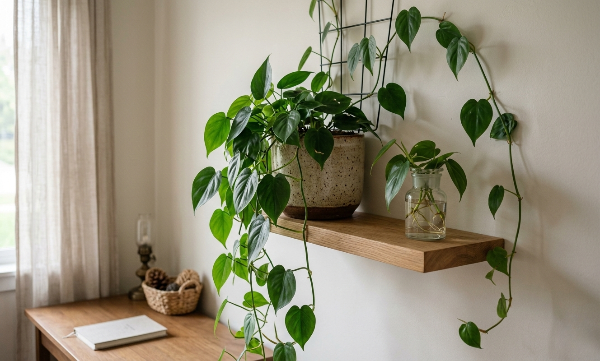
The heartleaf philodendron is one of the easiest trailing plants you can grow indoors. Its soft, heart-shaped leaves cascade naturally from pots and shelves. It grows quickly even in dim conditions and bounces back from inconsistent watering with ease. A great option for anyone who wants the look of a lush plant without much commitment. Perfect for bedrooms and living room corners.
20. Ferns (Various species, e.g., Boston Fern)
Light Requirement: Low to medium indirect light
Watering Needs: Keep soil consistently moist
Maintenance Level: Medium
Ferns thrive in the kind of humid, low-light environments found in bathrooms and kitchens. The Boston fern is the most popular indoor variety, with long, arching fronds that bring a soft, natural look to any room. They need consistent moisture and regular misting to stay healthy. While slightly more demanding than others on this list, their lush appearance makes them worth the extra care.
21. Anthurium (Anthurium andraeanum)
Light Requirement: Low to medium indirect light
Watering Needs: Every 1 to 2 weeks
Maintenance Level: Low to medium
Anthuriums are known for their waxy, heart-shaped flowers in red, pink, or white that last for weeks at a time. They grow well in indirect light and appreciate a bit of humidity. Keep the soil slightly moist between waterings and avoid overwatering, which can cause root rot. A flowering plant that genuinely thrives in Low-Light Indoor Plants conditions and adds a pop of color to shelves and tables.
22. Monstera (Low-Light Tolerant Varieties)
Light Requirement: Low to moderate indirect light
Watering Needs: Every 1 to 2 weeks
Maintenance Level: Low
The monstera is famous for its dramatic, split leaves. Smaller varieties like Monstera deliciosa can adapt to lower light, though their iconic leaf splits may be less pronounced without brighter conditions. They grow slowly in dim spaces, which can actually be an advantage in smaller apartments. Water when the top inch of soil dries out. A trendy, architectural plant that works well in modern interiors.
23. Bamboo Palm (Chamaedorea seifrizii)
Light Requirement: Low to moderate indirect light
Watering Needs: Every 1 to 2 weeks
Maintenance Level: Low
The bamboo palm is a graceful, multi-stemmed palm that grows well in low light conditions. It stays relatively compact compared to outdoor palms, making it manageable in home settings. It is one of the better air-purifying plants according to older NASA research and adds a relaxed, tropical feel to any room. Keep the soil moist but well-drained and mist the fronds occasionally.
24. Kentia Palm (Howea forsteriana)
Light Requirement: Low to bright indirect light
Watering Needs: Every 1 to 2 weeks
Maintenance Level: Low
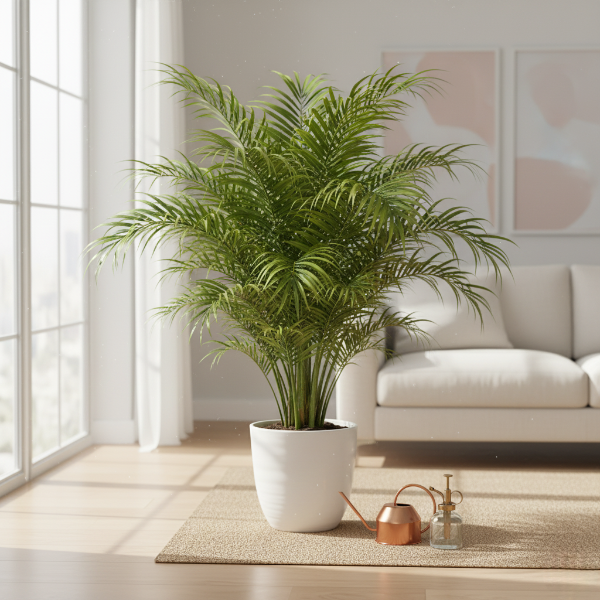
The kentia palm is considered one of the most elegant indoor palms and one of the most forgiving when it comes to light. It grows slowly and tolerates Low-Light Indoor Plants, drought, and indoor conditions that would stress other palms. Its long, arching fronds create a luxurious, resort-like atmosphere in living rooms and hallways. A premium-looking plant that is surprisingly easy to keep alive.
25. Bird’s Nest Fern (Asplenium nidus)
Light Requirement: Low to medium indirect light
Watering Needs: Once a week
Maintenance Level: Low to medium
The bird’s nest fern has broad, rippled fronds that grow in a rosette shape, somewhat resembling a bird’s nest at the center. It thrives in humid, low-light conditions and suits bathrooms particularly well. Avoid getting water directly into the central rosette, which can cause rot. It gives any space a lush, tropical look and requires very little beyond regular watering and some ambient humidity.
Helpful Comparison Table
| Plant Name | Light Level | Water Needs | Difficulty Level | Best Room Placement |
|---|---|---|---|---|
| Snake Plant | Very Low | Every 2 to 6 weeks | Very Easy | Bedroom, Living Room |
| ZZ Plant | Low | Every 2 to 3 weeks | Very Easy | Office, Hallway |
| Pothos | Low | Every 1 to 2 weeks | Very Easy | Any Room |
| Peace Lily | Low | Once a week | Easy | Bedroom, Bathroom |
| Philodendron | Low | Every 1 to 2 weeks | Easy | Living Room |
| Spider Plant | Low | Every 1 to 2 weeks | Easy | Kitchen, Office |
| Chinese Evergreen | Low | Every 1 to 2 weeks | Easy | Living Room, Office |
| Cast Iron Plant | Very Low | Every 2 to 3 weeks | Very Easy | Dark Corners |
| Dracaena | Low | Every 1 to 2 weeks | Easy | Living Room, Office |
| Parlor Palm | Low | Once a week | Easy | Living Room |
| Dieffenbachia | Low | Every 1 to 2 weeks | Easy | Living Room |
| Lucky Bamboo | Low | Every 2 weeks | Very Easy | Desk, Shelf |
| Calathea | Low | Every 1 to 2 weeks | Medium | Bathroom, Kitchen |
| Prayer Plant | Low | Every 1 to 2 weeks | Low-Medium | Tabletop, Shelf |
| English Ivy | Low | Every 1 to 2 weeks | Easy | Hanging Basket |
| Arrowhead Plant | Low | Every 1 to 2 weeks | Easy | Shelf, Hanging |
| Peperomia | Low | Every 2 weeks | Very Easy | Desk, Bookshelf |
| Rubber Plant | Low | Every 1 to 2 weeks | Easy | Living Room |
| Heartleaf Philodendron | Low | Every 1 to 2 weeks | Very Easy | Shelf, Bedroom |
| Ferns | Low | Keep moist | Medium | Bathroom, Kitchen |
| Anthurium | Low | Every 1 to 2 weeks | Low-Medium | Tabletop, Shelf |
| Monstera | Low | Every 1 to 2 weeks | Easy | Living Room |
| Bamboo Palm | Low | Every 1 to 2 weeks | Easy | Living Room |
| Kentia Palm | Low | Every 1 to 2 weeks | Easy | Hallway, Living Room |
| Bird’s Nest Fern | Low | Once a week | Low-Medium | Bathroom |
Tips for Growing Low-Light Indoor Plants Successfully
- Water properly and sparingly. Most low light plants are slow growers and need less water than you might expect. Always check the soil before watering. If the top inch is still moist, wait a few more days.
- Choose the right pot. Always use a pot with drainage holes. Water sitting at the bottom of a pot is one of the most common causes of root rot in indoor plants.
- Use well-draining soil. A good quality potting mix with some perlite or coarse sand mixed in will allow excess water to drain away easily. Dense, heavy soil holds moisture too long and can suffocate roots.
- Rotate your plants occasionally. Even in low light indoor plant conditions, plants tend to grow toward their light source. Rotating the pot by a quarter turn every couple of weeks ensures even growth on all sides.
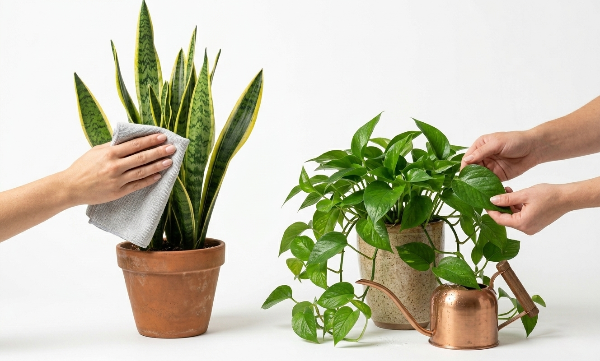
- Clean the leaves regularly. Dust buildup on leaves reduces the plant’s ability to absorb ambient light. Wipe leaves gently with a damp cloth every few weeks to keep them healthy and looking their best.
Common Mistakes to Avoid
- Overwatering is the number one killer of indoor plants. Low light slows growth, which means the plant uses water more slowly too.
- Placing plants in complete darkness will eventually cause them to decline, even the most tolerant varieties on this list need at least some ambient light.
- Ignoring humidity can be a problem for tropical plants like calatheas and ferns, which prefer a bit of moisture in the air.
- Using poor soil without drainage leads to soggy roots and rot over time, even if you water correctly.
- Neglecting to check for pests is a common oversight. Low-light indoor plants in humid areas like bathrooms can attract fungus gnats or spider mites if not monitored.
FAQs
Which indoor plant grows best in low light?
The snake plant and ZZ plant are consistently ranked as the top performers in low light conditions. Both are extremely tolerant of dim spaces, require minimal watering, and are very difficult to kill. If you are a complete beginner, start with either of these two plants.
Can indoor plants survive without sunlight?
No plant can survive in total darkness, but many plants can grow in very low ambient light. Rooms lit by artificial lighting, small windows, or indirect outdoor light are usually enough for the plants on this list. Natural light is always preferable, even if minimal.
How often should low light plants be watered?
Most low light indoor plants need watering every one to two weeks. Because they grow more slowly and use less energy, they do not dry out as fast. Always check the soil before watering rather than following a strict schedule.
Are low light plants good for bedrooms?
Yes, many low-light indoor plants are excellent for bedrooms. Snake plants, peace lilies, and heartleaf philodendrons are all popular bedroom choices. Some even contribute to cleaner air, which can support a better sleeping environment.
What is the easiest low light indoor plant?
The ZZ plant is widely considered the easiest low light indoor plant for complete beginners. It tolerates irregular watering, low light, and general neglect better than almost any other houseplant. It grows slowly but steadily and rarely encounters problems.
Conclusion
Low-light indoor plants make it possible for anyone to enjoy greenery in their home, regardless of how much natural light their space receives. From the nearly indestructible snake plant to the elegant kentia palm, the options are varied enough to suit every style and skill level. If you are just getting started, pick one or two easy options like the pothos or ZZ plant and build your confidence from there. Once you see how simple it is to keep these plants thriving, you will likely want to add more. A greener home is closer than you think.