
As the growing season winds down and temperatures begin to dip, winter’s approach signals the time to clean up and prepare your garden for dormancy. However, “cleaning up your garden for winter” doesn’t mean stripping every plant down to the ground and making the yard gleam. Rather, it’s about striking a balance between tidiness and ecological responsibility. A thoughtful winter clean-up helps protect your plants, preserve soil health, and support wildlife, all while making your spring life easier.
In this detailed guide, you’ll find up-to-date, research-backed advice on how to prepare your garden for winter in a way that’s both sustainable and practical.
Why Winter Garden Cleanup Matters
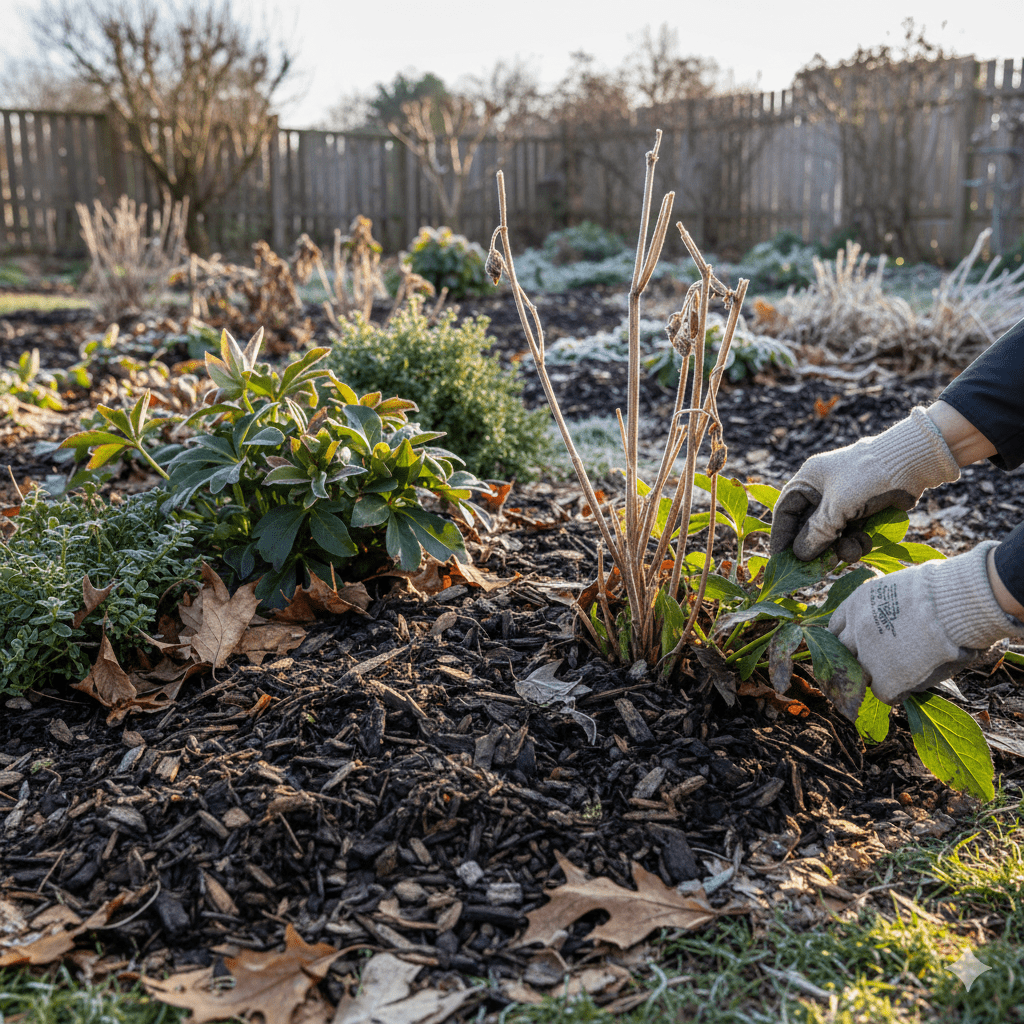
Before diving into the how, it’s worth understanding the why. Here are some of the key reasons for doing a proper winter clean-up:
- Health of Plants: Removing diseased, pest-ridden material reduces the risk of fungi and insects overwintering and re-emerging in spring.
- Insulation & Soil Protection: Mulch and leaf litter help insulate roots from frost, reduce soil erosion, and retain moisture.
- Wildlife Support: Dead stems, seed heads, and leaf litter serve as habitats or food sources for insects, birds, and small mammals.
- Disease Prevention: Clearing diseased plant debris helps break the cycle of plant pathogens.
- Spring Efficiency: A well-managed garden in winter means less frantic work when spring arrives – your beds are ready, soil is enriched, and structures are in place.
When to Start Your Winter Clean-up
Timing matters. Here are some guidelines for deciding when to start:
- After the First Frost: Many gardeners begin clean-up once a hard or killing frost has hit, as annuals die off and perennials naturally begin to go dormant.
- Soil Temperature Over Air Temperature: Rather than rushing based on air temperature, pay attention to soil temperature to decide the right time for pruning or cutting.
- Two-Phase Clean-up: Many experts advocate a two-step process, an initial fall clean-up to remove diseased or risky material, followed by a gentler, minimal clean-up in spring.
Step-by-Step Checklist: Cleaning Up Your Garden for Winter
Here’s a practical checklist (in table form) to guide you through important winter-prep tasks.
| Task | What to Do | Why It Matters |
|---|---|---|
| 1. Clean up Annuals | Pull up spent annuals once they die off. Dispose of diseased ones in the trash (not compost). | Prevents pests and diseases from overwintering. |
| 2. Prune / Trim Plants | Reduces disease; supports insects; provides structural benefit; avoids damaging plants before winter. | Reduces disease; supports insects; provides structural benefit, avoids damaging plants before winter. |
| 3. Manage Leaves | Rake leaves; either: – Shred and mulch them – Pile them in a back-corner “wild zone” – Use them to compost or insulate beds | Leaf litter protects soil, shelters beneficial insects, and adds organic matter. |
| 4. Mulch Perennials & Trees | Apply organic mulch (e.g., shredded leaves, compost) around the base of plants, leaving space around stems. | Prevents frost heaving, regulates soil temperature, conserves moisture. |
| 5. Protect Tender Plants | – For roses: remove dead canes, mulch, wrap or insulate. – For potted or tender perennials: bring indoors or insulate with mulch. | Helps fragile plants survive freezing temperatures. |
| 6. Clear Garden Beds | Remove debris, broken branches, spent supports, wash and store reusable supports. | Prevents pests, rust, disease; readies garden for spring. |
| 7. Weed Thoroughly | Pull out weeds now when soil is still workable; don’t let them set seed. | Reduces weed pressure in spring. |
| 8. Soil Enrichment | Add compost or organic matter and, optionally, plant a cover crop in larger beds. | Builds soil fertility; reduces erosion. |
| 9. Protect Wildlife Habitat | Leave some seed heads, hollow stems, and snags; build brush piles if possible. | Supports pollinators, birds, insects during winter. |
| 10. Tool Maintenance | Clean, sharpen, and oil tools. Drain fuel from mowers. Store garden equipment properly. | Extends tool life; ensures readiness for spring. |
Also Check: Limelight Hydrangea
Best Practices & Tips for Winter Garden Cleanup
Here are some nuanced tips to make your winter clean-up more efficient, eco-friendly, and beneficial.

1. Be Selective with Cutting Back
Leave ornamental grasses, coneflower stalks, and other structurally strong perennials standing for winter aesthetics and wildlife. Cut back only plants that were infected with pests or pathogens.
2. Create a Wildlife Corner
Instead of removing all debris, designate a “wild corner” in your garden. Let leaf litter, seed heads, and branches accumulate here to provide shelter for insects, bees, and small animals.
3. Gentle Mulching
Use shredded leaves or compost. Avoid piling overly thick mulch directly against stems to prevent rot.
4. Use Cover Crops Wisely
For bare vegetable or flower beds, sow cover crops (like rye or vetch) to suppress weeds and add nutrients.
5. Handle Diseased Material Responsibly
Plant matter with visible disease should not go into your regular compost unless using a hot compost system.
6. Tool Care
Clean tools thoroughly to remove soil, disease spores, and moisture. Sharpen blades, oil parts, and store them in a dry place.
7. Watering & Irrigation
Turn off and drain your irrigation systems. Frozen water can damage pipes and outlets. Mulch helps soil retain winter moisture.
8. Plan Spring from Winter
Use winter downtime to map out spring tasks: identifying perennials to divide, areas to improve soil, and spots for new plantings.
Common Mistakes to Avoid
- Over-cleaning everything: Removing all foliage strips away beneficial habitat for wildlife.
- Bagging all leaves immediately: Leaves are valuable, use them for mulch, compost, or wildlife shelter.
- Cutting back too early: Pruning before plants go fully dormant can damage them.
- Ignoring tool care: Dirty, rusty tools break easily and become less effective.
- Leaving disease-ridden material: This can cause problems next season if not cleaned up.
FAQs: Cleaning Up Your Garden for Winter
No. Leave strong-stemmed, disease-free perennials and seed heads intact. Cut back only plants that were infected or affected by pests and diseases.
Yes, with limitations. Rake them off the lawn if they form a thick layer, but shredded leaves make excellent mulch for garden beds and compost.
It’s best to prune many woody plants in late winter or early spring, once they’re fully dormant.
Remove dead or diseased canes, mulch around the base, and wrap or insulate in extremely cold regions.
Yes, plant spring-blooming bulbs before the ground freezes.
No. Diseased plant material should be disposed of, not composted, unless you have a high-temperature compost system.
Final Thoughts
“Cleaning up your garden for winter” is more than just a chore, it’s an opportunity to build a healthier ecosystem. By combining thoughtful pruning, effective leaf management, mulching, and habitat preservation, you’ll not only protect your plants but also support pollinators, birds, and beneficial insects throughout the colder months.
Take your time, follow the steps, and let nature do some of the work for you. When spring arrives, your garden will thank you, and so will the wildlife that depends on it.