
The Firefly Petunia is one of those rare garden flowers that instantly grabs attention with its glowing color and vibrant presence. With soft, luminous blooms that seem to sparkle under sunlight, this petunia variety is perfect for gardeners who want to add a burst of life and long-lasting color to their outdoor spaces. Whether you grow it in pots, hanging baskets, or garden beds, the Firefly Petunia delivers a dazzling display all season long.
In this guide, you’ll discover everything you need to know about Firefly Petunia care, planting, pruning, and design ideas so you can enjoy this glowing garden beauty effortlessly.
What Is Firefly Petunia
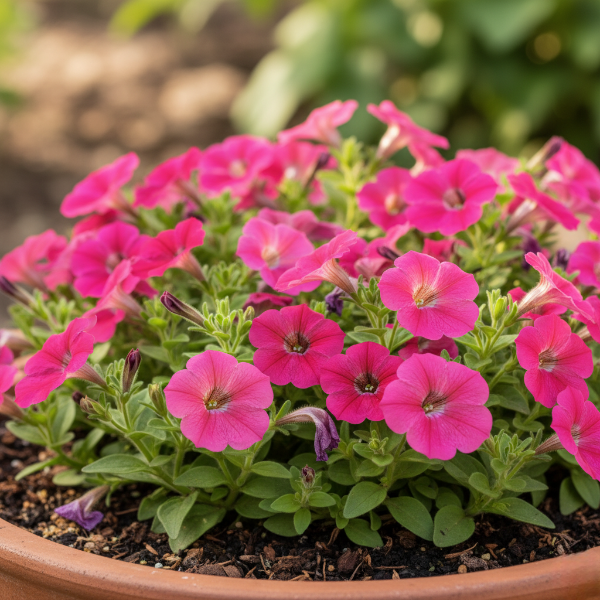
The Firefly Petunia is a stunning hybrid variety celebrated for its vivid blooms that resemble tiny glowing fireflies across your garden. The flowers are usually bright pink, purple, or magenta with a radiant sheen that appears to glow in sunlight.
Unlike traditional petunias, Firefly Petunias are compact, mounding, and weather-tolerant, making them a great choice for both novice and expert gardeners. Their long blooming season from spring to early fall ensures your garden stays colorful for months.
Ideal Growing Conditions for Firefly Petunia
Light Requirements
Firefly Petunias thrive in full sunlight, which helps them produce more blooms with brighter colors.
Best spot: A sunny location that gets at least 6 hours of direct light daily.
Tip: Too much shade can result in fewer flowers and leggy growth.
Soil Preferences
These petunias prefer well-draining, nutrient-rich soil.
Soil pH: Slightly acidic to neutral (6.0–7.0).
Mix compost or organic matter into the soil before planting for healthier growth.
Watering Needs
While Firefly Petunias tolerate some dryness, they bloom best with consistent watering.
Water deeply once or twice a week, depending on your climate.
Avoid overwatering; wet roots can lead to rot.
Tip: Mulching helps retain soil moisture and prevents weeds.
How to Plant Firefly Petunia
Whether planting in containers, hanging baskets, or garden beds, follow these steps for best results:
- Prepare the soil by loosening it to at least 6 inches deep.
- Space Firefly Petunias about 10–12 inches apart to allow airflow.
- Ensure the top of the root ball is level with the soil surface.
- Water well after planting to help the roots settle.
If you’re planting in hanging baskets, use high-quality potting mix and ensure the container has good drainage holes.
Firefly Petunia Care and Maintenance
Deadheading for Continuous Blooms
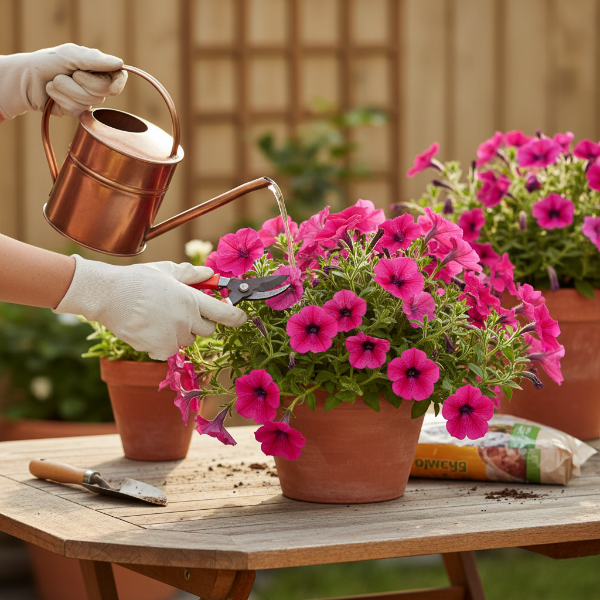
To keep your Firefly Petunias blooming non-stop, remove spent flowers regularly. This encourages new buds and prevents the plant from using energy to produce seeds.
Fertilizing
Feed your plants with a balanced liquid fertilizer every 2–3 weeks during the growing season. This ensures lush, vibrant blooms and healthy foliage.
Pruning and Pinching
If your Firefly Petunia starts getting leggy, pinch back the stems by one-third. This promotes bushier growth and more flowers.
Pest and Disease Control
Petunias are generally hardy, but they can attract aphids, whiteflies, or spider mites.
Use neem oil or insecticidal soap to treat infestations.
Ensure proper airflow and avoid overhead watering to prevent fungal issues like powdery mildew.
Where to Grow Firefly Petunia
Firefly Petunias are incredibly versatile and can enhance almost any space:
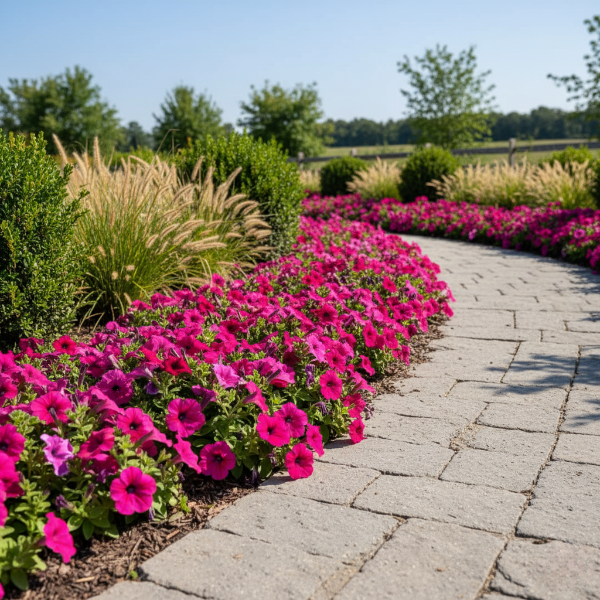
- Garden borders: Add a colorful edge along pathways or flower beds.
- Hanging baskets: Perfect for balconies, porches, or patios with trailing blooms that create a waterfall effect.
- Window boxes: Ideal for adding instant curb appeal.
- Containers: Pair with other sun-loving plants like geraniums or calibrachoa for a mixed-color display.
Companion Plants for Firefly Petunia
Pairing your Firefly Petunias with the right plants enhances both beauty and garden health. Some great companions include:
- Marigolds: Their bold yellow-orange contrasts beautifully with petunia pinks and purples.
- Sweet Alyssum: Adds fragrance and soft white blooms beneath petunias.
- Verbena: Both share similar growing needs and bloom continuously.
- Dusty Miller: The silvery foliage highlights the petunia’s bright tones.
Propagation: How to Grow More Firefly Petunias
You can easily propagate Firefly Petunias from cuttings:
- Take a 4–6 inch cutting from a healthy stem.
- Remove the lower leaves.
- Dip the cut end in rooting hormone (optional).
- Place it in moist potting soil or perlite.
- Keep it in bright, indirect light until roots develop in about 2–3 weeks.
This is a great way to grow new plants for free and maintain your favorite variety year after year.
Firefly Petunia in Landscaping
If you love creating themed garden looks, Firefly Petunias fit perfectly in:
- Cottage gardens: Combine with daisies and snapdragons for a cheerful look.
- Modern landscapes: Use bold color blocks for contrast.
- Pollinator gardens: Bees and butterflies adore Firefly Petunia blooms.
Their continuous flowering makes them an excellent choice for adding color continuity throughout the growing season.
Winter Care for Firefly Petunia
In colder regions, Firefly Petunias are usually treated as annuals, but you can overwinter them indoors:
- Bring container plants inside before the first frost.
- Place them in a bright window and reduce watering.
- Alternatively, take cuttings before winter and grow them indoors until spring.
Common Problems and Fixes
| Problem | Cause | Solution |
|---|---|---|
| Yellow leaves | Overwatering or poor drainage | Improve soil drainage, water less frequently |
| Leggy growth | Not enough sunlight | Move to a sunnier location, pinch back stems |
| No flowers | Too much nitrogen fertilizer | Use a bloom-boosting fertilizer (high phosphorus) |
| Wilting | Underwatering or heat stress | Deeply water during hot spells, mulch around base |
Frequently Asked Questions (FAQs)
Firefly Petunias are typically grown as annuals, meaning they complete their life cycle in one season. However, in warm climates (USDA zones 9–11), they can behave like perennials and may regrow the next year.
Water them once or twice a week, depending on temperature and rainfall. Always let the top inch of soil dry before watering again to prevent root rot.
Yes, but they need bright, direct sunlight for at least 6 hours daily. Indoor growth works best in sunrooms or near large windows.
Prune or pinch back the stems mid-summer if the plant becomes leggy. This encourages fresh, fuller growth and prolongs blooming.
Absolutely. Their bright, fragrant flowers attract bees, butterflies, and hummingbirds, making them excellent for pollinator-friendly gardens.
Lack of sunlight or too much nitrogen fertilizer are common reasons. Ensure full sun exposure and use a fertilizer rich in phosphorus to encourage blooms.
Conclusion
The Firefly Petunia is more than just a pretty flower. It’s a resilient, easy-to-care-for plant that rewards you with months of radiant color. Whether you’re planting in hanging baskets, pots, or garden beds, these petunias bring a glowing touch to any outdoor space.
With the right care, watering, and pruning, your Firefly Petunias will flourish beautifully, transforming your garden into a colorful paradise all season long.