
Have you ever walked into a room filled with lush greenery and instantly felt calmer, lighter, and refreshed? That’s not just your imagination. Indoor plants don’t just beautify your space; they purify the air you breathe. In today’s world, where pollution levels and indoor toxins are increasing, adding a few air purifying indoor plants to your home can make a world of difference.
Many everyday household items, from cleaning sprays to synthetic furniture, release invisible toxins such as benzene, formaldehyde, and trichloroethylene. These chemicals can cause headaches, allergies, and fatigue over time. But nature has a built-in solution. Some plants can absorb these harmful pollutants, improve humidity, and release oxygen, turning your living space into a cleaner, healthier environment.
In this guide, you’ll discover the best air purifying indoor plants, how to care for them, and which ones fit perfectly with your lifestyle. Let’s make your home greener, fresher, and more breathable.
Why You Need Air Purifying Indoor Plants
Indoor air pollution can be surprisingly high. In fact, indoor air can sometimes be two to five times more polluted than outdoor air. While air purifiers help, they can’t compete with the natural benefits of living plants.
Here’s why these plants are worth bringing home:

Remove Toxins: They absorb harmful chemicals like benzene, formaldehyde, and ammonia from household products.
Increase Oxygen: Plants convert carbon dioxide into oxygen, improving air freshness.
Balance Humidity: Through transpiration, they add moisture to dry indoor air.
Boost Mood & Productivity: Green spaces have been shown to reduce stress and improve focus.
Add Beauty: Their aesthetic appeal enhances your home décor naturally.
Best Air Purifying Indoor Plants for Your Home
Let’s dive into the top-performing plants known for their air-cleaning power and easy care.
| Plant Name | Air-Purifying Benefit | Light Requirement | Watering Needs | Perfect For |
|---|---|---|---|---|
| Snake Plant (Sansevieria) | Removes benzene, formaldehyde, xylene | Low to bright, indirect | Water every 2–3 weeks | Bedrooms & offices |
| Peace Lily (Spathiphyllum) | Removes ammonia, trichloroethylene | Medium to low | Weekly watering | Living rooms |
| Spider Plant (Chlorophytum comosum) | Absorbs carbon monoxide, formaldehyde | Bright, indirect | Once a week | Hanging baskets |
| Aloe Vera | Filters formaldehyde, benzene | Bright sunlight | Every 2–3 weeks | Kitchen windows |
| Areca Palm | Increases humidity, removes xylene | Bright, indirect | Twice a week | Living spaces |
| Boston Fern | Filters formaldehyde and xylene | Low to medium | Keep soil moist | Bathrooms |
| Rubber Plant | Absorbs formaldehyde | Medium to bright | Weekly watering | Living room corners |
| Bamboo Palm | Removes benzene, trichloroethylene | Bright, indirect | Twice a week | Large rooms |
| Golden Pothos (Money Plant) | Cleans carbon monoxide, benzene | Low to medium | Every 7–10 days | Offices & hallways |
| Gerbera Daisy | Absorbs trichloroethylene and benzene | Bright sunlight | Every few days | Sunny windowsills |
1. Snake Plant (Mother-in-Law’s Tongue)
The Snake Plant is one of the easiest air purifying indoor plants to maintain. It’s nearly indestructible, making it perfect for beginners.
Why it’s great:
- Releases oxygen even at night, ideal for bedrooms.
- Excellent at removing toxins such as formaldehyde and xylene.
Care Tips:
- Place in indirect light or shaded areas.
- Allow soil to dry completely between waterings.
- Avoid overwatering; it’s a succulent.
2. Peace Lily
A favorite among plant lovers, the Peace Lily combines beauty with function. Its elegant white blooms add serenity while purifying your air.
Benefits:
- Removes ammonia, benzene, and trichloroethylene.
- Increases humidity, perfect for dry environments.
Care Tips:
- Keep soil moist but not soggy.
- Prefers low to medium light.
- Wipe leaves regularly to help them breathe.
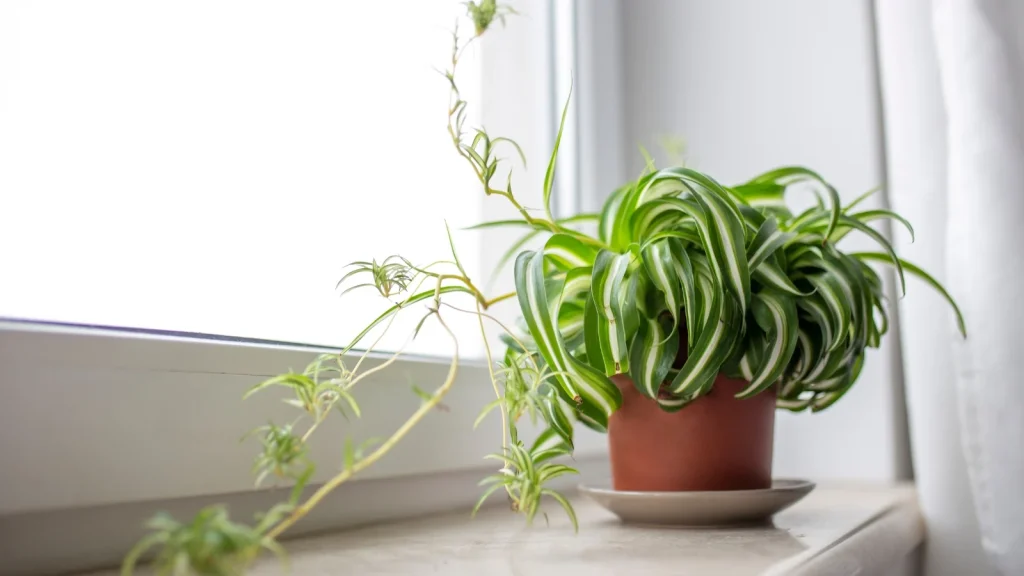
3. Spider Plant
The Spider Plant is a fast-growing favorite that looks stunning in hanging pots. It’s also non-toxic, making it safe for pets and children.
Benefits:
- Filters formaldehyde and carbon monoxide.
- Helps eliminate indoor odors.
Care Tips:
- Needs bright, indirect light.
- Water weekly and let the soil dry slightly.
- Trim brown tips for a fresh look.
4. Aloe Vera
Known for its skin-healing gel, Aloe Vera also doubles as a natural air purifier.
Why it’s perfect:
- Removes benzene and formaldehyde from paints and cleaners.
- Adds a calming aesthetic to sunny spots.
Care Tips:
- Needs bright light or sunlight.
- Water sparingly; it’s drought-tolerant.
- Ensure good drainage to prevent root rot.
5. Areca Palm
The Areca Palm is a natural humidifier and one of the most powerful air purifying indoor plants for large rooms.
Benefits:
- Removes toxins like xylene and toluene.
- Adds a tropical vibe to your space.
Care Tips:
- Bright, indirect light is best.
- Water twice a week in summer and reduce in winter.
- Mist leaves regularly to maintain humidity.
6. Boston Fern
A soft, feathery plant that loves humidity, the Boston Fern is perfect for bathrooms or kitchens.
Benefits:
- Effective in removing formaldehyde and xylene.
- Adds a lush, classic charm to any setting.
Care Tips:
- Keep soil moist but well-drained.
- Prefers indirect light or shade.
- Mist daily if air is dry.
7. Rubber Plant
Sturdy and stylish, the Rubber Plant is an excellent choice for improving indoor air quality.
Benefits:
- Absorbs formaldehyde effectively.
- Thrives even in low-light conditions.
Care Tips:
- Bright, indirect light preferred.
- Water weekly and let soil partially dry between.
- Clean large leaves to keep them shiny and healthy.
8. Bamboo Palm
The Bamboo Palm adds elegance and freshness to large rooms or offices.
Benefits:
- Filters benzene and trichloroethylene.
- Acts as a natural humidifier.
Care Tips:
- Needs bright, filtered light.
- Keep soil evenly moist.
- Prune dead fronds to promote new growth.
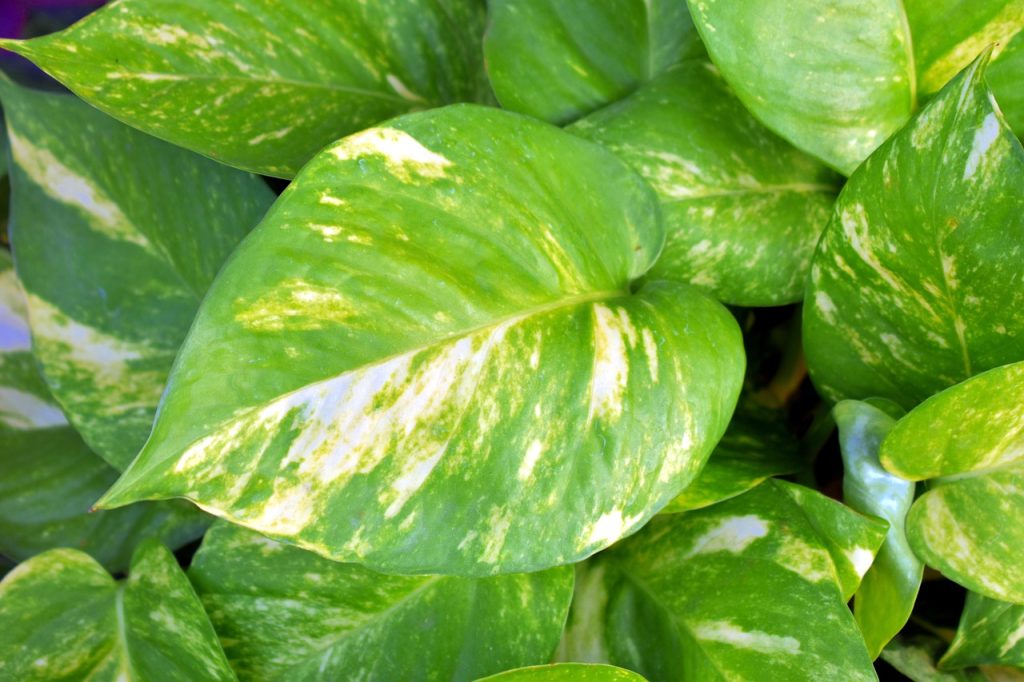
9. Golden Pothos (Money Plant)
This easy-to-grow vine is a must-have for every home. It thrives in almost any environment.
Benefits:
- Cleans air by removing carbon monoxide and benzene.
- Excellent for hanging baskets or shelves.
Care Tips:
- Tolerates low light and occasional neglect.
- Water every 7–10 days.
- Trim to control growth.
10. Gerbera Daisy
Not just pretty, the Gerbera Daisy is a powerful toxin absorber.
Benefits:
- Removes trichloroethylene and benzene from the air.
- Adds vibrant color and life to your space.
Care Tips:
- Requires bright sunlight.
- Water regularly, keeping soil slightly moist.
- Remove wilted flowers to encourage new blooms.
How to Arrange Air Purifying Indoor Plants in Your Home
Here’s how to place them for maximum effect:
Living Room
- Use tall plants like Areca Palm or Rubber Plant to fill corners.
- Add Peace Lily or Pothos near windows for balance.
Bedroom
- Snake Plant and Aloe Vera are perfect since they release oxygen at night.
Kitchen
- Use Aloe Vera and Spider Plant to neutralize fumes and add freshness.
Bathroom
- Choose humidity-loving plants like Boston Fern or Peace Lily.
Office Desk
- Small, low-maintenance options like Pothos or Snake Plant help reduce stress and improve focus.
Tips for Taking Care of Air Purifying Indoor Plants
Maintaining healthy plants ensures they continue to purify your air effectively. Here’s how:
Don’t overwater. Most indoor plants prefer slightly dry soil.
Provide proper light. Place plants near windows but avoid harsh sunlight.
Clean the leaves. Dust can block pores, reducing air-purifying ability.
Use good soil. A mix of potting soil, coco peat, and compost works best.
Rotate regularly. Turn plants every few weeks to ensure even light exposure.
Trim dead leaves. Keeps plants looking healthy and encourages new growth.
Repot yearly. Refresh soil and give roots more room to grow.

Top Low-Maintenance Air Purifying Plants for Busy People
| Plant Name | Maintenance Level | Special Feature |
|---|---|---|
| Snake Plant | Very Low | Survives neglect, releases oxygen at night |
| Golden Pothos | Low | Grows in low light, improves air quality |
| Aloe Vera | Low | Filters air, minimal watering |
| Peace Lily | Medium | Purifies toxins, adds beauty |
| Spider Plant | Low | Safe for pets, easy propagation |
If you travel often or forget to water plants, Snake Plant, Pothos, and Aloe Vera are your best friends.
Benefits of Having Air Purifying Indoor Plants
Beyond cleaner air, these green companions offer many hidden benefits:
- Better Sleep: Oxygen-releasing plants improve nighttime breathing.
- Stronger Immunity: Cleaner air reduces allergy and respiratory issues.
- Reduced Stress: Greenery promotes relaxation and calmness.
- Improved Focus: Ideal for home offices and study rooms.
- Natural Decor: They add a vibrant touch to any interior style.
Frequently Asked Questions (FAQs)
For noticeable results, place one medium-sized plant every 100 sq. ft. of space. So, a small apartment may need around six to eight plants.
While air purifiers filter air mechanically, plants provide a natural, continuous purification process. They also improve humidity and mental well-being.
Spider Plant, Areca Palm, and Boston Fern are non-toxic and safe for cats and dogs.
Yes, just make sure the plants aren’t directly under cold air vents, and mist them occasionally to maintain humidity.
Most prefer once a week watering, but it depends on the species and season. Always check if the topsoil is dry before watering again.
Final Thoughts
Your home should be a sanctuary, a space that makes you feel relaxed and rejuvenated. By adding a few air purifying indoor plants, you’re not just decorating your home; you’re creating a living ecosystem that supports your well-being.
From the low-maintenance Snake Plant to the tropical Areca Palm, these green allies naturally cleanse the air, elevate your mood, and beautify your surroundings. Start with one or two and watch your home transform, one fresh breath at a time.