
There’s a reason the Areca Palm care has stayed one of the world’s most popular indoor plants for decades. Walk into a hotel lobby, modern apartment, or stylish office, and chances are you’ll spot those soft, feathery green fronds instantly, making the space feel brighter and more alive.
But here’s the thing most plant guides don’t make clear that while the Areca Palm is considered beginner-friendly, it’s also incredibly good at showing signs of stress when conditions aren’t right. Brown leaf tips, yellow fronds, drooping stems, and slow growth usually result from a few very specific indoor care mistakes.
The good news? Once you understand the basics of Areca Palm Care, this plant becomes surprisingly easy to grow indoors.
I’ve seen healthy Areca Palms thrive for years inside apartments with filtered light, dry AC air, and inconsistent watering schedules. The difference almost always comes down to understanding how this tropical palm naturally grows in the wild and recreating those conditions indoors as closely as possible.
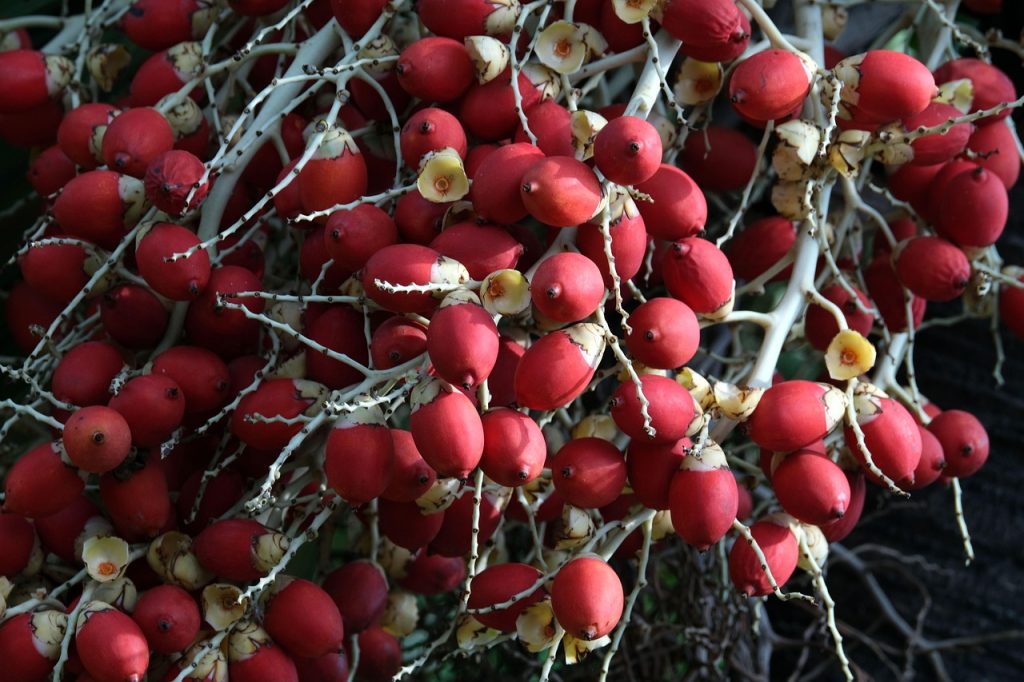
What Is an Areca Palm?
The Areca Palm (Dypsis lutescens) is a tropical palm native to Madagascar. It’s commonly known as:
- Butterfly Palm
- Bamboo Palm
- Golden Cane Palm
Unlike many high-maintenance tropical plants, Areca Palms adapt surprisingly well to indoor conditions when given proper light and watering.
One reason this plant became so popular is that it combines:
- Tropical appearance
- Fast indoor growth
- Air-purifying qualities
- Beginner-friendly care
Large indoor specimens can reach 6 to 8 feet tall indoors over time, making them one of the best statement houseplants for living rooms and bright indoor spaces.
If you enjoy tropical indoor plants, you should also check out snake plant care and air purifying plants because they pair beautifully with Areca Palms in indoor plant collections.
Why Areca Palms Are One of the Best Indoor Plants
Most indoor gardeners want the same thing:
- A plant that looks expensive
- Grows well indoors
- Doesn’t require constant attention
- Makes a room feel fresh instantly
Areca Palms check all four boxes.
Their soft arching fronds create movement and texture that many other houseplants simply don’t provide. Compared to stiff upright plants, Areca Palms feel softer and more natural inside modern interiors.
They’re also frequently included in lists of best indoor plants for beginners because they tolerate occasional care mistakes better than many tropical species.
Another major advantage is humidity support. Large palms naturally release moisture into indoor air through transpiration, which can make indoor environments feel slightly less dry during summer and winter AC use.
Areca Palm Care Requirements
1. Best Light for Areca Palm
Lighting is the single most important factor in successful Areca Palm Care.
Areca Palms prefer:
- Bright indirect sunlight
- Filtered natural light
- East-facing windows
- Bright rooms with indirect exposure
What they do NOT want is harsh afternoon sun directly hitting the leaves for hours.
Too much direct sun burns the foliage and causes:
- Brown tips
- Yellow leaves
- Crispy fronds
- Dry patches
At the same time, extremely low light creates different problems:
- Thin weak growth
- Pale leaves
- Slower growth
- Sparse fronds
The sweet spot is bright filtered light.
A north-facing or east-facing window is usually ideal indoors.
Pro Tip:
Rotate the plant every few weeks so all sides receive even light exposure. This helps maintain balanced symmetrical growth.
If your home has lower lighting conditions, consider pairing this plant with low light indoor plants that naturally tolerate darker spaces better.
2. How Often to Water an Areca Palm
Improper watering is the biggest reason Areca Palms struggle indoors.
Most people either:
- Overwater constantly
OR - Let the plant dry out completely
Both create stress.
The Correct Watering Method
Water your Areca Palm care when:
- The top 1–2 inches of soil feel dry
Do NOT water on a fixed schedule without checking soil first.
Average Watering Frequency
| Season | Watering Frequency |
|---|---|
| Spring/Summer | Every 5–7 days |
| Fall/Winter | Every 10–14 days |
But watering frequency changes depending on:
- Indoor temperature
- Humidity
- Pot size
- Soil drainage
- Sunlight exposure
Signs of Overwatering
- Yellow leaves
- Mushy stems
- Root rot smell
- Black spots
- Drooping fronds
Signs of Underwatering
- Brown crispy tips
- Curled leaves
- Dry compact soil
- Slow growth
One thing many indoor gardeners miss is water quality. Areca Palms can be sensitive to chemicals found in hard tap water, especially fluoride and chlorine.
Filtered water usually produces healthier foliage over time.
If you frequently struggle with watering routines, reading about how to water houseplants for beginners can help prevent common indoor plant mistakes.
3. Best Soil for Areca Palm
The ideal soil for Areca Palm Care should retain slight moisture while still draining quickly.
Heavy compact soil is dangerous because it traps water around roots and increases the risk of root rot.
Ideal Soil Mix
A good Areca Palm care potting mix includes:
- Indoor potting soil
- Coco peat
- Perlite
- Coarse sand
- Organic compost
This combination improves:
- Drainage
- Root aeration
- Moisture balance
- Nutrient retention
Avoid using regular garden soil indoors because it becomes compact too quickly.
4. Temperature and Humidity Requirements
Since Areca Palms are tropical plants, they naturally prefer warm and humid conditions.
Ideal Temperature
The best temperature range is:
- 18°C to 27°C
- 65°F to 80°F
Avoid exposing the plant to:
- Cold drafts
- Sudden temperature changes
- Air conditioner vents
- Winter frost
- Heater airflow
Large temperature fluctuations often cause stress and leaf discoloration.
Humidity Requirements
Humidity is one of the most overlooked parts of proper Areca Palm Care.
Dry indoor air is usually responsible for:
- Brown tips
- Crispy leaves
- Curling foliage
- Slower growth
This becomes especially common during:
- Winter heating
- Summer AC use
- Dry apartment conditions
How to Increase Humidity
You can improve humidity by:
- Using a humidifier
- Grouping tropical plants together
- Placing a pebble tray nearby
- Misting occasionally
- Keeping the plant away from heaters
If your indoor air stays very dry, combining palms with other large indoor plants for low light can naturally help create a more humid microclimate indoors.
5. Best Fertilizer for Areca Palm
Areca Palms are moderate feeders.
Regular fertilizing helps maintain:
- Deep green foliage
- Faster growth
- Fuller fronds
- Stronger roots
Best Fertilizers
You can use:
- Balanced liquid fertilizer
- Palm fertilizer
- Organic compost
- Seaweed fertilizer
Fertilizing Schedule
Feed every 4–6 weeks during:
- Spring
- Summer
- Early fall
Avoid heavy fertilization during winter because growth naturally slows down.
Signs of Overfertilizing
- Brown leaf edges
- White salt buildup on soil
- Weak roots
- Burned foliage
Flush the soil occasionally with clean water to remove excess fertilizer salts.
For detailed plant nutrition basics, the Royal Horticultural Society has excellent guidance about feeding indoor plants properly.
Common Areca Palm Problems and Solutions
Yellow Leaves on Areca Palm
Yellow leaves are one of the most common indoor palm problems.
Common Causes
- Overwatering
- Poor drainage
- Nutrient deficiency
- Excess direct sunlight
- Cold stress
Solution
- Reduce watering frequency
- Improve drainage
- Move plant into indirect light
- Feed lightly during growing season
Brown Tips on Areca Palm
Brown leaf tips are extremely common with indoor palms.
Main Causes
- Dry indoor air
- Underwatering
- Hard tap water
- Low humidity
How to Fix Brown Tips
- Increase humidity
- Use filtered water
- Water consistently
- Trim dead tips carefully
Many gardeners experience this issue with tropical houseplants in general, especially when growing spider plant care and other humidity-sensitive indoor species together.
Drooping Areca Palm Leaves
Drooping leaves usually indicate stress.
Possible Reasons
- Water stress
- Root problems
- Sudden temperature changes
- Poor lighting
- Transplant shock
Always inspect soil moisture before adjusting anything else.
Areca Palm Pests
Like most indoor tropical plants, Areca Palms may occasionally attract pests.
Common Pests
- Spider mites
- Mealybugs
- Scale insects
- Fungus gnats
Spider mites are especially common in dry indoor environments.
Pest Prevention Tips
- Wipe leaves regularly
- Improve airflow
- Maintain humidity
- Inspect foliage weekly
- Use neem oil when needed
If pests spread to nearby houseplants, reading how to get rid of bugs on indoor plants can help you stop infestations early.
How to Prune an Areca Palm
Pruning helps maintain appearance and plant health.
Remove:
- Yellow fronds
- Dead stems
- Brown leaves
- Damaged foliage
Always use clean scissors or pruning shears.
Avoid removing healthy green fronds unnecessarily because palms rely heavily on their foliage for energy production.
Repotting an Areca Palm
Areca Palms usually need repotting every 2–3 years.
Signs Your Plant Needs Repotting
- Roots growing from drainage holes
- Soil drying extremely fast
- Slower growth
- Crowded root system
Choose a pot only slightly larger than the previous container.
Oversized pots hold excess moisture and increase root rot risk.
How to Propagate Areca Palm
Unlike trailing vines or succulents, Areca Palms are typically propagated through division.
Step-by-Step Propagation
- Remove the plant carefully
- Separate healthy root clumps
- Plant divisions in fresh soil
- Water lightly
- Keep in bright indirect light
Spring is the best season for propagation because active growth helps roots establish faster.
Best Places to Keep an Areca Palm Indoors
Areca Palms work beautifully in:
- Living rooms
- Bright bedrooms
- Office corners
- Balconies with filtered light
- Entryways
- Indoor reading spaces
Because of their height and texture, they’re excellent statement plants for modern interiors.
If you enjoy decorating with greenery, combining Areca Palms with best plants for office spaces creates a balanced indoor jungle feel without overwhelming a room.
Is Areca Palm Safe for Pets?
Yes. Areca Palms are generally considered non-toxic to:
- Cats
- Dogs
This makes them one of the safer tropical houseplants for pet-friendly homes.
Still, pets should avoid chewing large amounts of foliage.
Areca Palm Care During Winter
Winter care is different because indoor growth slows naturally.
Winter Care Tips
- Water less frequently
- Stop heavy fertilizing
- Maintain humidity
- Keep away from heaters
- Protect from cold drafts
Winter stress is one of the biggest reasons indoor palms decline indoors.
Frequently Asked Questions About Areca Palm Care
How often should I water an Areca Palm?
Water when the top 1–2 inches of soil feel dry. In most homes, this means about once a week during warmer months.
Does Areca Palm need direct sunlight?
No. Bright indirect sunlight is ideal for healthy growth.
Why are my Areca Palm leaves turning brown?
Brown tips are usually caused by low humidity, underwatering, or chemical-heavy tap water.
Is Areca Palm a good indoor plant?
Yes. It’s one of the best beginner-friendly tropical indoor plants.
Can Areca Palm survive in low light?
It tolerates moderate light but grows best in bright indirect sunlight.
Is Areca Palm safe for pets?
Yes. Areca Palms are generally considered non-toxic to cats and dogs.
Final Thoughts
The reason Areca Palms remain so popular is simple: few indoor plants create the same tropical impact while staying relatively easy to maintain.
With proper light, balanced watering, moderate humidity, and occasional feeding, your Areca Palm can stay lush and healthy for many years indoors.
And once you truly understand the basics of Areca Palm Care, this plant becomes far less intimidating than many people expect.
Whether you’re building a tropical indoor garden, decorating an apartment, or simply adding greenery to your home, the Areca Palm is one of the best long-term indoor plants you can grow.