
The Bird of Paradise plant is one of the most striking tropical plants you can grow at home or in your garden. With its vibrant, crane-like blooms and large glossy leaves, it adds an instant exotic feel to any space. Whether you grow a bird of paradise plant indoors or outdoors, understanding its care needs is essential to keep it thriving year-round.
What Is a Bird of Paradise Plant?
The Bird of Paradise plant (Strelitzia reginae) is native to South Africa and gets its name from its unique flowers that resemble a brightly colored tropical bird in flight. It belongs to the banana family and can grow quite tall, making it a show-stopping centerpiece in gardens or homes.

There are several bird of paradise plant varieties, including:
Giant or Large Bird of Paradise Plant – A taller version of the white variety that can reach up to 20 feet outdoors.
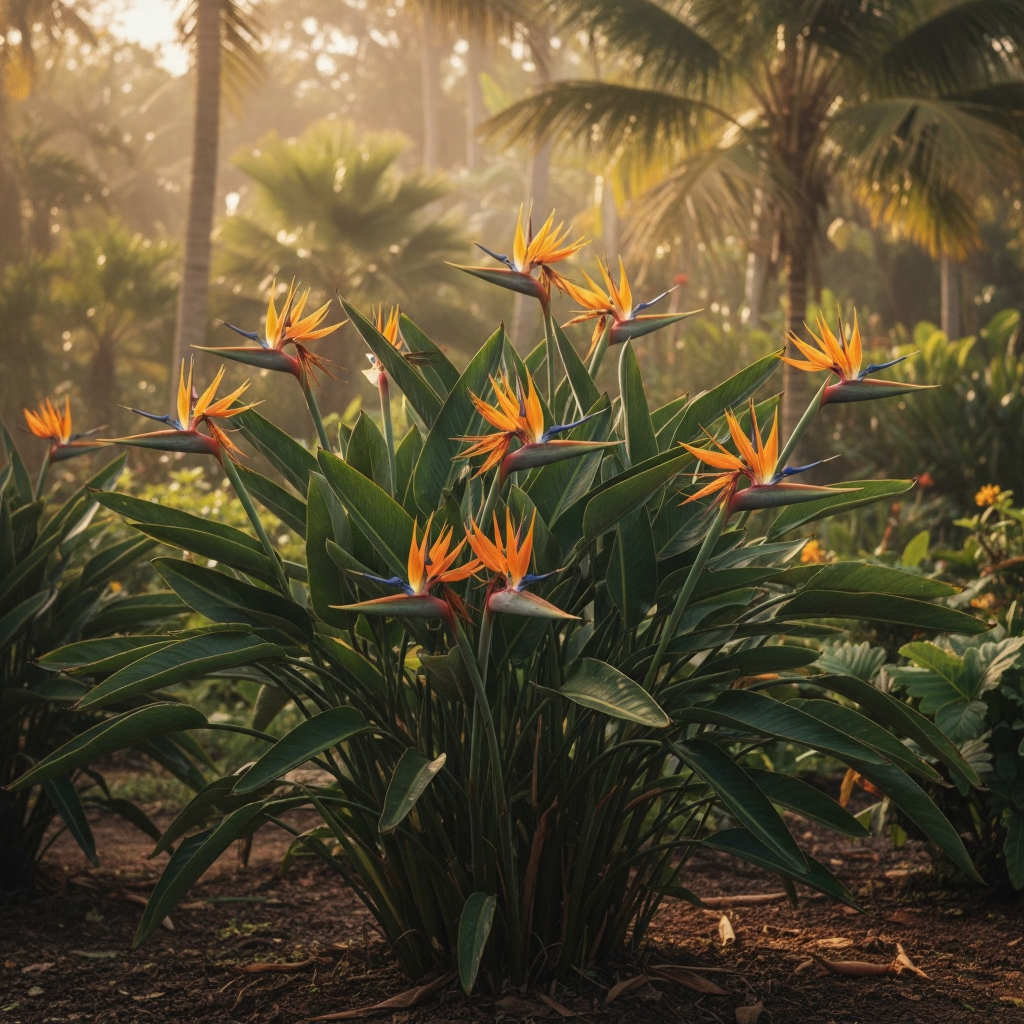
Orange Bird of Paradise Plant (Strelitzia reginae) – Known for its vivid orange and blue flowers.
White Bird of Paradise Plant (Strelitzia nicolai) – Features white blooms and larger leaves, often grown as a houseplant.
Bird of Paradise Plant Care
Caring for a paradise plant is simple once you know its preferences for light, water, and soil.
Light Requirements
Bird of Paradise plants love bright, indirect sunlight.
- Indoor paradise plant care: Place it near a sunny window where it receives at least 4–6 hours of light daily.
- Outdoor paradise plant care: It can tolerate full sun but prefers partial shade in very hot climates.
If your plant isn’t blooming, lack of light is often the reason.
Watering Schedule
Keep the soil consistently moist but not soggy.
- During spring and summer, water when the top inch of soil feels dry.
- In fall and winter, reduce watering frequency since the plant’s growth slows down.
Always ensure the pot has good drainage to prevent root rot.
Soil and Fertilizer
Bird of Paradise thrives in rich, well-draining soil. A mix of peat, sand, and compost works best.
Feed your plant with a balanced liquid fertilizer every 2–3 weeks during the growing season (spring through early fall).
Temperature and Humidity
This tropical plant prefers warm temperatures between 65°F and 80°F (18°C–27°C).
Avoid exposing it to cold drafts or temperatures below 50°F (10°C).
For indoor plants, mist the leaves regularly or use a humidifier to maintain moisture levels.
Bird of Paradise Plant Indoor Care
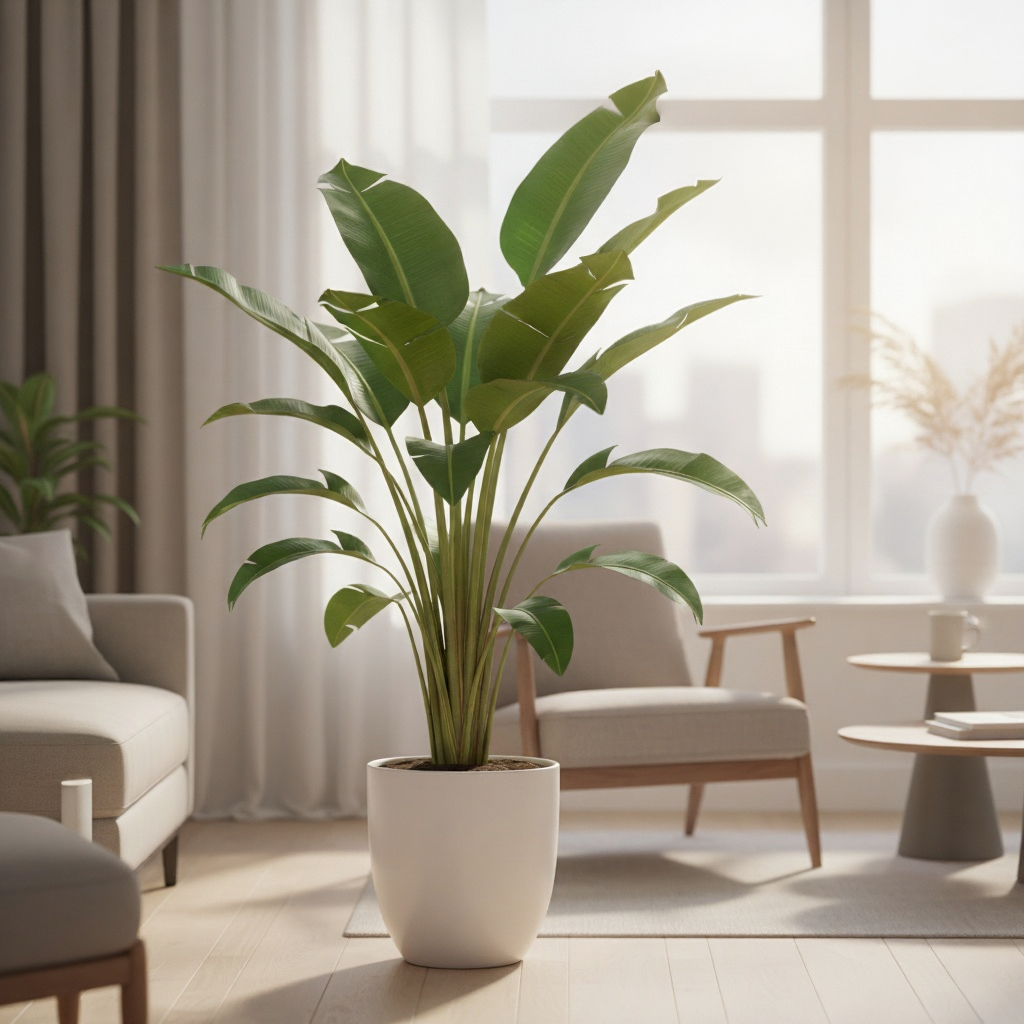
When growing a paradise plant indoors, ensure you provide enough light and space. The plant’s large leaves need room to expand, and it benefits from occasional rotation to promote even growth.
Dust the leaves often to allow better light absorption and maintain their glossy appearance. Repot every 2–3 years in a slightly larger container to encourage healthy root development.
Pruning and Maintenance
Prune away any yellowing or damaged leaves to keep your plant looking fresh. After the flowers fade, cut the stems back to the base to promote new growth.
You can also wipe the leaves with a damp cloth to remove dust and enhance their shine.
Common Issues and Solutions
- Yellow Leaves: Usually caused by overwatering or poor drainage.
- No Flowers: Insufficient sunlight or lack of nutrients.
- Brown Leaf Tips: Often due to low humidity or fluoride in tap water. Use filtered or rainwater if possible.
Bird of Paradise Plant Propagation
Propagation is typically done by dividing rhizomes during spring. Gently separate healthy offshoots from the parent plant and replant them in fresh soil. Keep the soil moist and place them in a warm, bright location until new growth appears.
Indoor vs. Outdoor Paradise Care
| Care Aspect | Indoor Bird of Paradise Plant | Outdoor Bird of Paradise Plant |
|---|---|---|
| Light | Bright, indirect light | Full sun or partial shade |
| Watering | When top soil is dry | Regular, depending on weather |
| Fertilizer | Every 2–3 weeks | Monthly during growing season |
| Humidity | Moderate to high | Natural outdoor humidity |
| Growth Size | Up to 6 feet tall | Can reach 20 feet tall |
Faux Bird of Paradise Plant
If you love the look but not the maintenance, a faux bird of paradise plant can add the same tropical aesthetic to your home. These artificial versions are great for low-light spaces and require no watering or pruning.
Paradise Plant Benefits
Besides its visual appeal, the Bird of Paradise improves indoor air quality and brings a vibrant, calming energy to your home. Its large green leaves can also help reduce indoor noise levels.
FAQs
Water once the top inch of soil is dry. Avoid overwatering to prevent root rot.
It needs bright, direct sunlight and regular feeding during the growing season to bloom.
Yes, but ensure it gets sufficient light, ideally from a south-facing window.
Use a balanced liquid fertilizer every 2–3 weeks during spring and summer.
Indoor plants reach around 6 feet, while outdoor ones can grow up to 20 feet tall.
Final Thoughts
It is a statement piece that brings tropical beauty to any home or garden. With the right care, ample sunlight, proper watering, and nutrient-rich soil, it will reward you with lush leaves and exotic blooms. Whether you choose the orange, white, or large bird of paradise plant, this stunning tropical species is sure to make your space come alive with color and elegance.