
The plant kingdom is one of the most diverse and fascinating realms on our planet. With over 390,000 known plant species, plants play vital roles in our ecosystems, from providing oxygen to supporting wildlife. This article delves into the diversity of plant types, their classifications, unique features, environmental importance, and answers to frequently asked questions.
What is Plant Diversity?
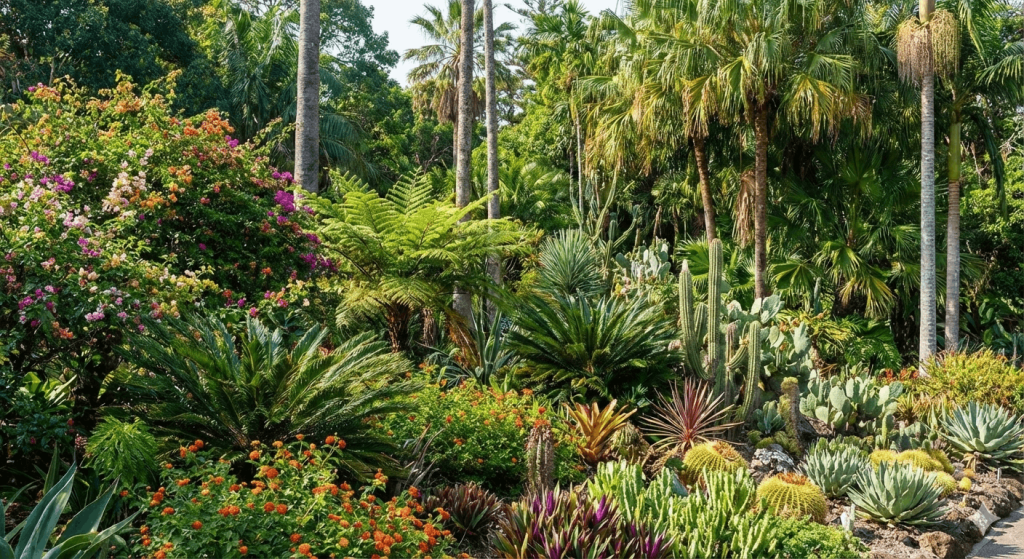
Plant diversity, or plant biodiversity, refers to the variety of plant species within a particular region or ecosystem. It encompasses the genetic diversity within species, the diversity of species themselves, and the variety of ecosystems. High plant diversity is crucial for ecological balance, providing stability and resilience against environmental changes. The significance of plant diversity is seen not just in ecological terms but also in cultural and economic contexts, highlighting how plants intersect with human life. Conserving plant diversity ensures genetic variation, which is essential for adaptation to changing climates and environmental stresses.
Additionally, plant diversity significantly contributes to the socio-economic development of communities. Many indigenous cultures rely on a wide range of plant species for food, medicine, and materials, underscoring the deep connection between biodiversity and cultural identity. Preserving this diversity is crucial for maintaining these traditional practices and supporting local economies.
Importance of Plant Diversity
- Ecosystem Services: Plants contribute to essential services like air and water purification, soil erosion control, and nutrient cycling. They are integral to food chains and support various life forms. For instance, plants like trees and aquatic vegetation play a pivotal role in filtering pollutants from the air and water, thereby enhancing the quality of the environment.
- Climate Regulation: Through photosynthesis, plants absorb carbon dioxide, helping to mitigate climate change. Forests, especially, are significant carbon sinks. By sequestering carbon, they not only combat global warming but also moderate local climates, benefiting other organisms and human inhabitants.
- Habitat for Wildlife: Diverse plant species create habitats for a wide range of animals, insects, and microorganisms, promoting ecological interactions and food webs. Healthy ecosystems, supported by diverse plant communities, provide food and shelter for wildlife, ultimately leading to richer biodiversity at higher trophic levels.
- Economic Benefits: Many plant species are critical for agriculture, horticulture, and forestry, providing food, medicine, textiles, and other commodities. The economic implications of plant diversity extend to agriculture and pharmaceuticals, where diverse plant genetics can lead to the development of disease-resistant crops or new medicinal compounds.
- Cultural Significance: Plants hold cultural and spiritual meanings in many societies, serving as symbols in art, religion, and traditional practices. From medicinal herbs utilized in traditional remedies to ornamental plants featured in cultural ceremonies, the bond between plants and cultural identity is profound and enduring.
Major Categories of Plant Types
Plants can be classified in several ways, including their life cycle, structure, and environment. Here’s an overview of the major categories:
1. Classification by Life Cycle
- Annuals: These plants complete their life cycle in a single growing season. By germinating, flowering, and producing seeds all within one year, annuals can quickly populate an area. Examples include:
- Sunflowers (Helianthus annuus): Known for their large, cheerful blooms that turn to face the sun, they are not only aesthetically pleasing but also attract pollinators like bees.
- Marigolds (Tagetes): These vibrant flowers are often used in companion planting to deter pests, underscoring the practical benefits of annual plants in gardening.
- Biennials: Biennials require two years to complete their life cycle, producing foliage in the first year and flowers in the second. This strategy allows them to establish strong root systems before facing the challenges of blooming. Examples include:
- Foxgloves (Digitalis purpurea): These tall, striking plants are valued for both their beauty and their medicinal properties, which have been utilized in heart medications.
- Parsley (Petroselinum crispum): A culinary favorite, parsley not only enhances dishes but also serves as a host plant for beneficial insects like butterflies.
- Perennials: Perennials live for several years, blooming annually. Their ability to survive through winter and return each spring makes them a sustainable choice for gardeners. Examples include:
- Roses (Rosa spp.): Revered for their beauty and fragrance, roses are cultivated in myriad colors and forms, adding elegance to any landscape.
- Lavender (Lavandula spp.): Popular for its aromatic properties, lavender also attracts pollinators and has uses in cooking, crafts, and aromatherapy.

2. Classification by Structure
- Trees: Tall woody plants with single or multiple trunks exemplify the structure and longevity of the plant kingdom. These towering giants offer shade, habitat, and numerous ecological benefits. Examples include:
- Deciduous Trees (like oaks and maples) that shed their leaves annually enhance seasonal landscapes while contributing to soil health through leaf litter.
- Evergreen Trees (like pines and firs) provide year-round cover and are essential for wildlife habitats.
- Shrubs: Woody plants smaller than trees with multiple stems. Shrubs can serve as borders, hedges, or focal points in gardens. They often require less space and maintenance than larger trees. Examples include:
- Boxwood (Buxus spp.): Valued for their dense growth and ability to be shaped, boxwoods are popular in formal gardens and landscapes.
- Hibiscus (Hibiscus rosa-sinensis): Known for their large, colorful flowers, hibiscus shrubs can provide dramatic aesthetics and serve as attractants for hummingbirds.
- Herbs: Non-woody plants, often yielding edible or aromatic foliage, play vital roles in culinary traditions and medicinal practices. They are easy to grow and can thrive in small spaces. Examples include:
- Basil (Ocimum basilicum): A staple in numerous cuisines, particularly Italian, basil’s versatility and fragrance make it a popular herb for home gardeners.
- Mint (Mentha spp.): Known for its refreshing aroma and flavor, mint is a vigorous grower that can quickly spread, making it an excellent choice for containers.
- Grasses: Essential for grasslands, these plants are characterized by their narrow leaves and fibrous root systems, which help stabilize soil. Examples include:
- Bermudagrass (Cynodon dactylon): Often used for lawns and sports fields, Bermudagrass is drought-resistant and establishes quickly.
- Fescue (Festuca spp.): Tolerant to cool climates, fescue varieties are popular for lawns and erosion control.
- Ferns: Non-flowering, vascular plants that reproduce via spores, ferns thrive in moist, shaded environments, contributing to unique ecosystem functions. Examples include:
- Boston Fern (Nephrolepis exaltata): Appreciated for its lush fronds, it is often used as a houseplant and helps improve air quality by filtering indoor pollutants.
- Maidenhair Fern (Adiantum spp.): Known for its delicate, fan-shaped leaves, the maidenhair fern is a favorite for shaded gardens and indoor settings.
3. Classification by Environment
- Aquatic Plants: Adapted to grow in water, these plants provide essential habitats for aquatic life and play a role in nutrient cycling. Examples include:
- Water Lilies (Nymphaea spp.): With their floating leaves and stunning flowers, water lilies provide both beauty and essential habitat for pond ecosystems.
- Duckweed (Lemna spp.): One of the smallest flowering plants, duckweed grows rapidly and can improve water quality by absorbing excess nutrients.
- Tropical Plants: Thriving in warm, humid climates, these plants exhibit vibrant colors and lush growth forms. Examples include:
- Orchids (Orchidaceae): With such a vast diversity, orchids are known for their intricate flowers and are often sought after by collectors and gardeners.
- Bananas (Musa spp.): These giant herbs produce large leaves and sweet fruits, playing critical roles in tropical agriculture and economies.
- Desert Plants: Adapted to arid conditions, desert plants exhibit specialized structures for water retention and survival. Examples include:
- Cacti (Cactaceae): With their thick, water-storing tissues and spines, cacti have evolved to minimize water loss and thrive in extreme environments.
- Agaves (Agave spp.): These succulent plants are known for their striking rosettes and are often used in desert landscaping and for producing beverages like tequila.

Unique Adaptations of Plants
- Carnivorous Plants: Specialized to capture and digest insects for nutrients in nutrient-poor environments, these fascinating plants exhibit unique adaptations to lure prey. Examples include:
- Venus Flytrap (Dionaea muscipula): This iconic plant snaps shut when prey touches its sensitive hairs, showcasing nature’s ingenuity in adaptation.
- Pitcher Plant (Sarracenia spp.): With their tubular shapes, pitcher plants trap insects in liquid, deriving essential nutrients from their prey, demonstrating an exceptional survival mechanism.
- Epiphytes: Growing on other plants without being parasitic, epiphytes thrive in the humid environments of tropical rainforests, utilizing their host for support while drawing moisture from the air. Examples include:
- Orchids (Orchidaceae): Many orchids are epiphytic, developing adaptations like aerial roots to absorb moisture and nutrients directly from the air.
- Bromeliads (Bromeliaceae): Known for their rosettes of leaves that form water-holding structures, bromeliads can sustain themselves through rain.
- Halophytes: Thriving in high-salinity environments such as coastal regions, halophytes possess specialized adaptations to filter out salt, allowing them to flourish in harsh conditions. Examples include:
- Saltbush (Atriplex spp.): These resilient plants can be found in deserts and saline soils, playing important roles in soil stabilization.
- Mangroves (Rhizophora spp.): These trees uniquely adapt to intertidal zones, providing vital coastal protection and enhancing biodiversity.
How to Promote Plant Diversity
Promoting plant diversity in our gardens and surroundings can lead to healthier ecosystems. Here are some steps to enhance plant diversity:
Encourage Pollinators: Planting flowers that bloom at different times not only beautifies your garden but also attracts various pollinators, including bees, butterflies, and birds. This diversity enhances pollination, benefiting all the plants in the garden.
Plant Native Species: Selecting plants that are native to your region is a fantastic first step, as they are well-adapted to local conditions and support local wildlife. Native plants often require less maintenance and can thrive without the need for chemical fertilizers or excessive watering.
Create Diverse Plant Habitats: Incorporating various plant heights and types creates layers, providing shelter and food for different species. Ground covers, shrubs, and trees should be combined to create a structured environment that supports biodiversity.
Avoid Chemicals: Reducing the use of pesticides and fertilizers helps maintain a balanced ecosystem. Instead, consider integrating organic gardening practices, such as composting and natural pest control, which can enhance soil health while promoting beneficial insect populations.

Frequently Asked Questions (FAQs)
Biodiversity refers to the variety of life on Earth, including the diversity of species, their genetic variations, and the ecosystems in which they live. High biodiversity supports ecological stability and resilience.
Plant diversity provides essential resources such as food, medicine, clean air, and materials. It also enhances ecosystem resilience against changes and supports agriculture, which is vital for human survival.
A diverse garden typically includes a mix of native and non-native plants, different heights and structures, and plants that bloom at various times throughout the year. Observing wildlife and pollinator activity can also indicate a thriving ecosystem.
While non-native species can enhance the aesthetics of gardens, it’s crucial to choose non-invasive varieties to avoid overshadowing local species. Educating yourself about possible impacts can help in making informed planting choices.
You can help by supporting conservation efforts, participating in local planting initiatives, reducing chemicals, and educating others about the importance of plant diversity. Creating awareness in your community can have a ripple effect on preserving local ecosystems.
Conclusion
The diversity of plant types is a testament to nature’s creativity and resilience. Understanding and appreciating this diversity allows us to protect and promote the plant life that sustains our planet. By cultivating diverse gardens and supporting native flora, we can contribute to a healthier environment and enrich our lives. By celebrating plant diversity, we honor the complexity and interconnectedness of life on Earth.