
Jade plants, scientifically known as Crassula ovata, are beloved succulents that have become a staple in many households. Known for their lush green leaves and easy care requirements, these plants have a rich history and come in various types, each with its own unique features and charm. This comprehensive guide explores popular jade plant types, their characteristics, care tips, and answers to frequently asked questions.
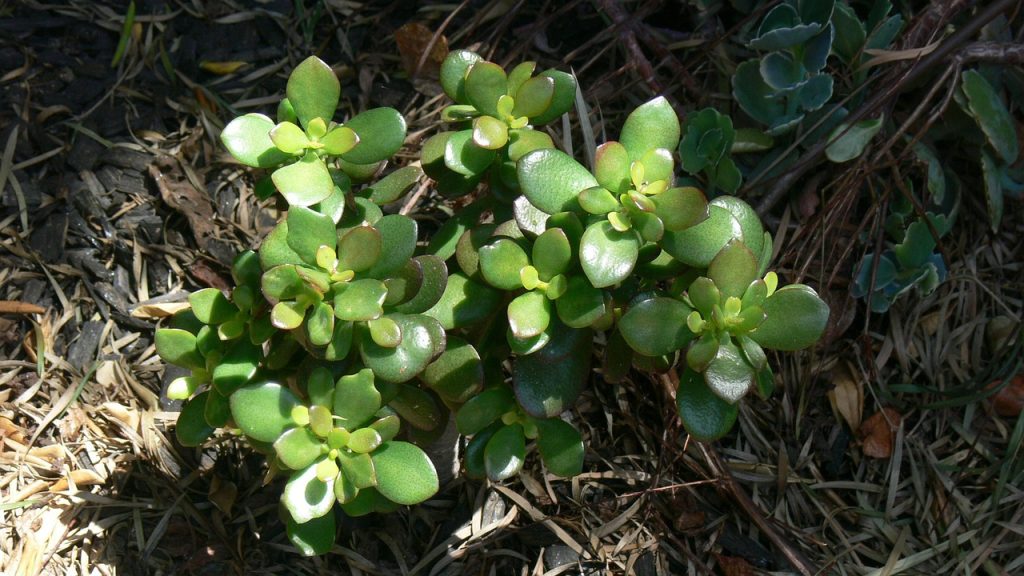
What is a Jade Plant?
Jade plants are part of the Crassulaceae family, native to South Africa. They are evergreen succulents characterized by their fleshy leaves and thick stems, which store water, making them drought-resistant. Many cultures consider jade plants to be symbols of prosperity and good luck. Their tableau of unique forms and colors makes them a favorite among both novice and experienced gardeners.
Popular Types of Jade Plants
1. Classic Jade (Crassula ovata)
- Description: The classic jade plant features thick oval leaves that are typically a rich, deep green. It can grow up to 3 feet tall when properly cared for and has a tree-like appearance.
- Care: Thrives in bright, indirect light and requires minimal watering, allowing the soil to dry out between waterings. Ideal for beginners due to its resilience.
- Symbolism: Represents good fortune, wealth, and friendship.
2. Gollum Jade (Crassula ovata ‘Gollum’)
- Description: Named for its unusual tubular leaves resembling fingers or trumpets, Gollum Jade has green leaves with red edges, particularly when exposed to bright sunlight.
- Care: Prefers bright light and requires less frequent watering than other types. Keep the soil well-draining.
- Showcase: Excellent for decorative pots or as part of a succulent arrangement.
3. Hobbit Jade (Crassula ovata ‘Hobbit’)
- Description: This variation features curled, tubular leaves that grow in compact clusters. The Hobbit Jade is visually captivating with its unique leaf shape.
- Care: Prefers similar growing conditions as other jade plants and enjoys moderate stress (like minimal watering) to enhance its colors.
- Use: Perfect for small spaces, desks, or terrariums.
4. Mini Jade (Crassula ovata ‘Minima’)
- Description: Mini Jade is a dwarf cultivar that grows to about 12 inches in height and features rounded, glossy leaves.
- Care: Requires bright light and well-draining soil, making it ideal for small spaces or office environments.
- Display: Its compact size makes it an excellent choice for window sills or as a part of a larger indoor plant collection.
5. Variegated Jade (Crassula ovata ‘Variegata’)
- Description: A striking variety, the Variegated Jade features creamy-white and green marbled leaves with irregular patterns.
- Care: It needs slightly more light than all-green varieties due to its lower chlorophyll content. Allow the soil to dry out completely before watering.
- Aesthetic: Offers a unique texture and color contrast, beneficial for mixed plant displays.
6. Hummel’s Sunset Jade (Crassula ovata ‘Hummel’s Sunset’)
- Description: Known for its striking yellow and red-tipped leaves, this jade plants’ vibrant appearance is most pronounced when grown in bright light.
- Care: Requires full sunlight for the best color and moderately dry soil conditions.
- Versatility: Great for both indoor gardens and outdoor landscapes in warmer climates.
7. Botany Bay Jade (Crassula ovata ‘Botany Bay’)
- Description: This jade plant variant boasts dark green, oval leaves that change to a reddish hue under stress or in bright sunlight.
- Care: It prefers well-draining soil and bright, indirect light.
- Ideal Use: Suitable for rock gardens or succulent bowls.
8. Pink Jade (Crassula ovata ‘Pink Beauty’)
- Description: With clusters of pink flowers during flowering seasons, the Pink Jade is visually appealing all year round, featuring rounded, fleshy leaves with a pink tint.
- Care: Needs bright light for optimal growth and flowering; water only when the soil is completely dry.
- Highlight: This plant adds an extra splash of color and cheer.
9. Ripple Jade (Crassula arborescens spp. undulatifolia)
- Description: Notable for its wavy, blue-green foliage that can take on a reddish hue at the edges when exposed to adequate sunlight.
- Care: Requires similar care to traditional jade plants, including bright light and careful watering habits.
- Use in Arrangements: Great for adding variety to indoor plant displays.
10. Silver Dollar Jade (Crassula arborescens)
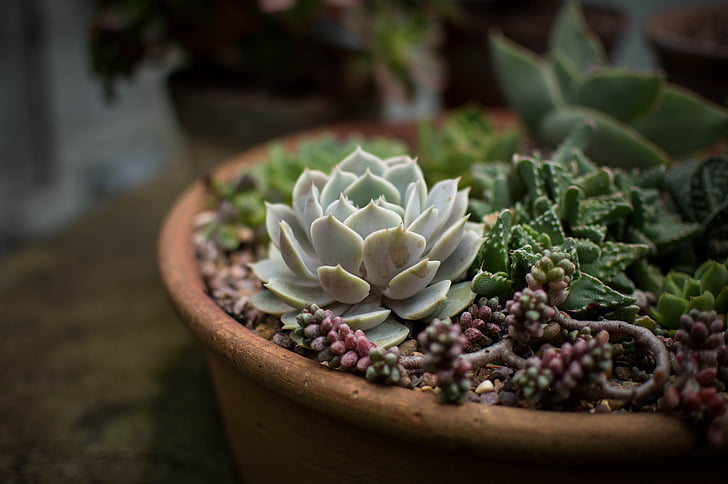
- Description: Features round, silvery-blue leaves distinct from traditional jade plants. This species can grow quite large, making it an impressive choice.
- Care: Prefers full sunlight and well-draining soil, with minimal watering requirements.
- Ideal Placement: Effective as a centerpiece in succulent collections.
Caring for Jade Plants
Light
Jade plants thrive in bright, indirect light. Too little light can result in leggy growth, while excessive direct sunlight can scorch the leaves. Make sure to adjust their positioning based on seasonal changes in sunlight.
Watering
One of the key aspects of jade plant care is watering. Allow the soil to dry out completely between waterings to avoid root rot. During the growing season (spring and summer), water more frequently, while reducing watering during dormancy (fall and winter).
Soil
Using well-draining soil is crucial for jade plants. A commercial cactus mix works well, or you can make your own by combining potting soil with sand or perlite to enhance drainage.
Temperature & Humidity
Jade plants prefer temperatures between 65°F and 75°F (18°C – 24°C). They can tolerate lower temperatures but should be protected from frost and extreme cold.
Fertilizing
Feed jade plants with a balanced fertilizer every 4-6 weeks during the growing season. Dilute the fertilizer to half strength to avoid over-fertilization.
Pruning and Maintenance
Regular pruning helps maintain the shape of jade plants. Remove any dead or damaged leaves to promote healthy growth. Dust the leaves periodically to maximize photosynthesis.
Frequently Asked Questions (FAQs)
A healthy jade plant will have firm leaves, a robust stem, and exhibit new growth. Keep an eye out for yellow or drop leaves, which may indicate overwatering.
Jade plants can be grown outdoors in warm climates, but should be protected from frost. If bringing them outside, acclimate them gradually to prevent shock.
Propagation can be done via leaf or stem cuttings. Allow the cut surfaces to callous over for a day or two before placing them in well-draining soil.
Common pests include mealybugs, aphids, and spider mites. Regularly inspect your plants and treat infestations promptly with insecticidal soap or neem oil.
Leaf drop can result from overwatering, underwatering, or sudden temperature changes. Assess your care routine to identify the issue.
Conclusion
With their diverse varieties and unique characteristics, jade plants can be a delightful addition to any home. Whether you prefer the classic form or are drawn to one of the many captivating cultivars, understanding their care requirements will ensure you enjoy their beauty for years. By incorporating jade plants into your life, you not only enhance your decor but also invite symbols of luck and prosperity into your space.