
When temperatures suddenly drop, frost can quickly turn your thriving garden into a scene of wilted leaves and damaged blooms. Whether you’re an experienced gardener or just starting out, understanding how to protect your garden from frost is essential to keeping your plants healthy through cold spells.
This guide covers everything you need to know, from identifying early frost warnings to proven techniques that prevent cold damage and keep your garden thriving all winter long.

What Is Frost and Why Does It Damage Plants
Frost occurs when the air temperature near the ground drops below 32°F (0°C), causing water vapor to freeze into ice crystals on plant surfaces. These crystals disrupt plant cell walls, leading to blackened, mushy leaves, stunted growth, or even plant death.
Some plants, especially tropical or tender annuals, are more vulnerable to frost. Even mild frost can cause damage, so taking preventive measures is crucial, especially during late fall and early spring.
Understanding Frost Warnings
Before you can protect your plants, it’s important to recognize frost alerts in your area:
- Light Frost: Occurs between 29°F and 32°F; affects tender plants.
- Moderate Frost: Between 25°F and 28°F; damages most garden plants.
- Severe Frost: Below 24°F; can kill many unprotected plants.
Keep an eye on local weather forecasts and apps that show hourly temperatures. If frost is predicted overnight, it’s time to act quickly.
How to Protect Your Garden from Frost
Here are proven, practical ways to safeguard your garden when the temperature drops.
1. Cover Plants Before Nightfall
The most effective frost protection method is covering plants before the sun sets. Use breathable materials that trap ground heat while allowing air circulation.
Best Covering Options:
- Frost cloths or row covers: Lightweight and reusable; ideal for garden beds.
- Old bed sheets or blankets: Quick and affordable for emergency frost nights.
- Plastic covers: Work well if supported by stakes (never let plastic touch leaves).
Pro Tip: Remove covers in the morning once temperatures rise above freezing to let sunlight reach your plants.
2. Water Your Plants Before a Frost
It may sound surprising, but watering plants before a frost can actually protect them. Moist soil retains heat better than dry soil, helping keep the root zone warmer overnight.
- Water thoroughly a few hours before sunset.
- Avoid watering late at night when temperatures are already dropping.
3. Use Mulch as a Protective Blanket
Mulching is one of the simplest long-term methods for protecting against frost. Apply 2–4 inches of organic mulch such as straw, leaves, or wood chips around plant bases.
Benefits of Mulch:
- Insulates roots from sudden temperature drops.
- Retains soil moisture.
- Prevents soil from freezing too quickly.
For perennials or root crops, cover the crown or base with extra mulch for added protection.
4. Move Potted Plants Indoors
Potted plants are more vulnerable to frost because their roots are exposed to cold air above ground.
If moving isn’t possible, cluster pots together and wrap them with burlap or bubble wrap to insulate them.
Move them indoors, into a garage, shed, or sunroom overnight.

5. Create a Wind Barrier
Cold winds accelerate frost damage by drying out leaves and reducing soil warmth. Set up temporary windbreaks using garden stakes, burlap, or wooden boards to block the chill.
This technique is especially helpful for vegetable beds and young shrubs.
6. Use Raised Beds or Cold Frames
If frost is common in your area, consider raised beds or cold frames for vulnerable crops. Raised beds drain better and warm faster, reducing frost risk.
A cold frame, a small transparent enclosure, acts like a mini greenhouse, capturing daytime heat and protecting plants overnight.
DIY Cold Frame Tip: Use old windows, acrylic sheets, or even clear storage bins to make simple covers.
7. Bring Delicate Plants Inside Early
Don’t wait for the first frost warning to move delicate plants. Tropical species, succulents, and container herbs should be brought inside as soon as nighttime temperatures dip below 50°F (10°C).
Keep them near bright windows and reduce watering to prevent shock from the temperature change.
8. Use Heat Sources for Added Warmth
In severe frost conditions, a little artificial heat can make all the difference.
- Outdoor-safe string lights: Wrap them gently around shrubs or trees.
- Garden heaters or heat lamps: Use only under supervision and away from flammable materials.
- Water jugs: Fill with warm water and place near plants under covers to release heat overnight.
9. Choose Frost-Tolerant Plants
Prevention starts at planting time. If you live in a frost-prone area, select cold-hardy varieties that can tolerate temperature fluctuations.
Some frost-resistant plants include:
- Kale
- Spinach
- Cabbage
- Pansies
- Snapdragons
- Carrots
- Onions
Check your USDA Hardiness Zone before choosing plants for your garden.
10. Prune and Fertilize Wisely
Avoid pruning or fertilizing right before cold weather. Both practices encourage new growth that’s more sensitive to frost.
Instead, prune dead or damaged leaves early in the season and stop fertilizing about six weeks before the first expected frost.
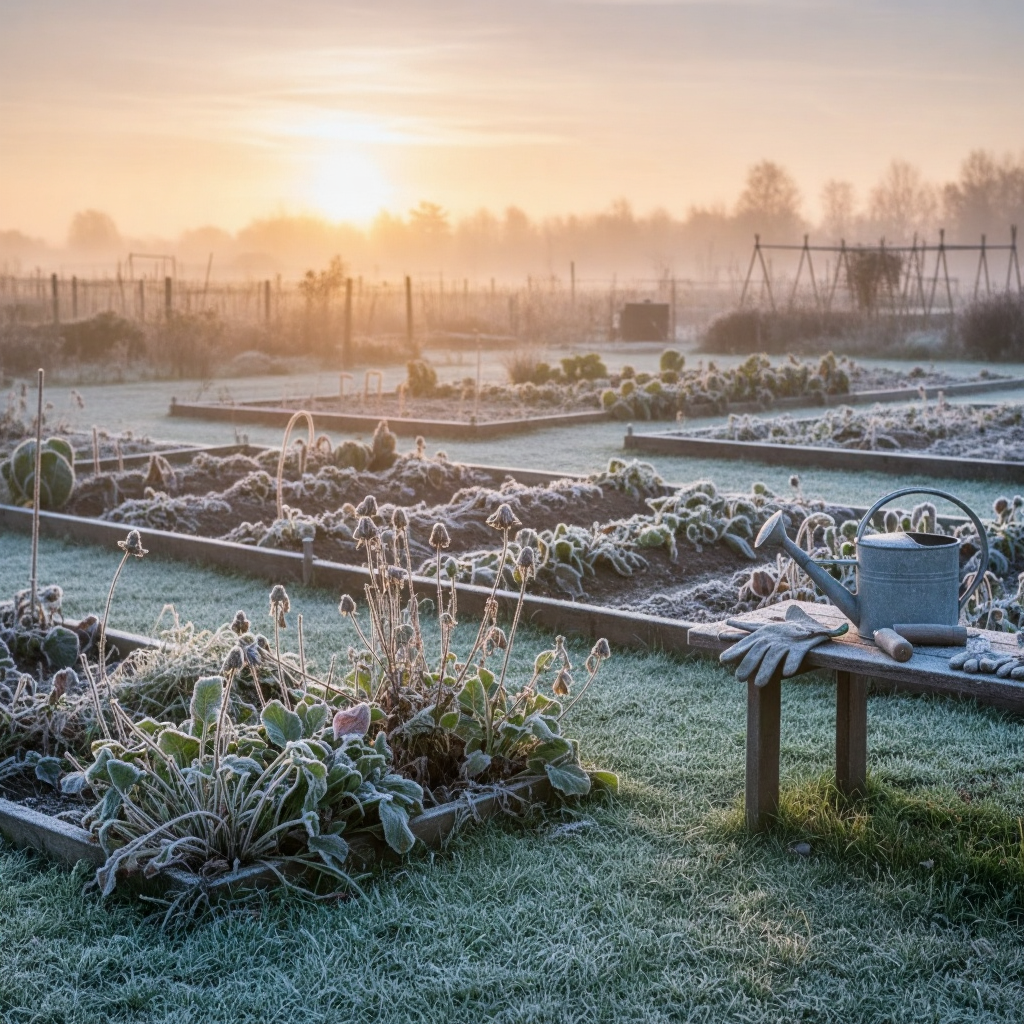
Recognizing Frost Damage
After a frost, inspect your plants carefully:
- Leaves may appear black, wilted, or water-soaked.
- Stems can look mushy or discolored.
Wait until temperatures rise before removing damaged parts, sometimes plants recover naturally once the weather warms.
How to Revive Frost-Damaged Plants
If your plants get hit by frost, don’t panic. Many can bounce back with the right care.
- Move potted plants indoors to warmer spots.
- Trim off only completely dead leaves.
- Water sparingly, too much water can worsen stress.
- Apply mulch to protect roots from further damage.
Be patient; new growth may appear after a week or two.
Long-Term Protect Your Garden from Frost Strategies
To minimize future damage, adopt long-term frost protection habits:
- Track frost dates in your area using a garden journal or app.
- Install automatic frost covers for large gardens.
- Plant in sheltered spots, like near fences or walls that retain warmth.
- Build a greenhouse if frost is frequent in your region.
FAQs About Protecting Your Garden from Frost
Cover them when temperatures are forecasted to drop below 36°F (2°C).
No. Remove them in the morning so plants can get sunlight and air circulation.
Yes, but it should not touch the leaves directly, always use stakes or frames to hold it up.
Water less frequently but deeply. Moist soil retains heat better than dry soil.
Cold-hardy plants like kale, pansies, onions, and carrots do well in frosty conditions.
Final Thoughts
Learning how to protect your garden from frost can make the difference between a thriving garden and a damaged one. By covering plants, watering wisely, using mulch, and choosing the right species, you can ensure your garden stays healthy, even when winter weather takes its toll.
With consistent care and preparation, frost doesn’t have to end your growing season. Instead, it can become just another challenge your garden is ready to handle.