
I came home one evening to find my cat, Milo, chewing on a pothos leaf I’d left trailing too low. A quick search confirmed what I was afraid of: pothos is toxic to cats. He was fine, thankfully, just some mild drooling. But that scare changed how I built my entire plant collection. I spent weeks cross-referencing the ASPCA Toxic and Non-Toxic Plant Database, replacing every risky plant with verified plants safe for cats, and I haven’t looked back since.
The truth is, most popular houseplants are toxic to cats in some form. Pothos, snake plants, peace lilies, aloe vera, ZZ plants, monstera, and rubber plants all appear on the ASPCA’s toxic list. That’s a hard pill to swallow if you love plants and cats equally. But here’s the good news: there are plenty of beautiful, easy-to-grow plants safe for cats that look just as stunning as their toxic counterparts. You don’t have to choose between your two loves.
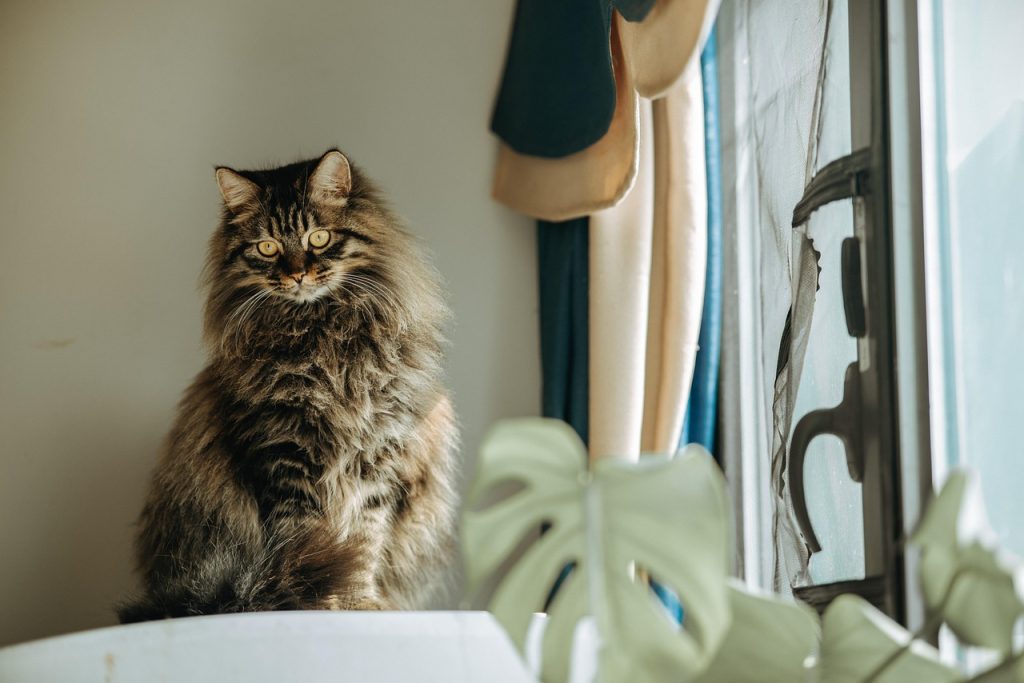
This guide covers 15 ASPCA-verified options organized by your specific situation, because the right cat-safe plant for a sunny living room is very different from the right one for a dim bathroom.
How I Verified Every Plant on This List
Every single plant in this guide has been individually checked against the ASPCA’s Toxic and Non-Toxic Plant Database at aspca.org. This is the gold standard resource that veterinarians use, and it should be your go-to before bringing any new plant into a cat household.
I want to be clear about what “non-toxic” actually means. According to the ASPCA, non-toxic means the plant is not expected to cause illness if ingested in normal amounts. It does not mean your cat should eat entire leaves. Even plants safe for cats can cause mild stomach upset if a cat chews heavily on them, simply because cats’ digestive systems aren’t designed to process large amounts of plant matter.
That said, every plant below is safe enough that an accidental nibble won’t send you rushing to the emergency vet. And that peace of mind is worth everything.
Plants Safe for Cats: The Best Picks by Situation
Instead of a generic list, I’ve grouped these by the situation you’re actually in. Find your scenario, start there.
If You’re a Beginner: The Foolproof Trio
These three are almost impossible to kill and completely safe for your cat. If you’ve never kept a houseplant alive, begin here.
1. Spider Plant (Chlorophytum comosum)
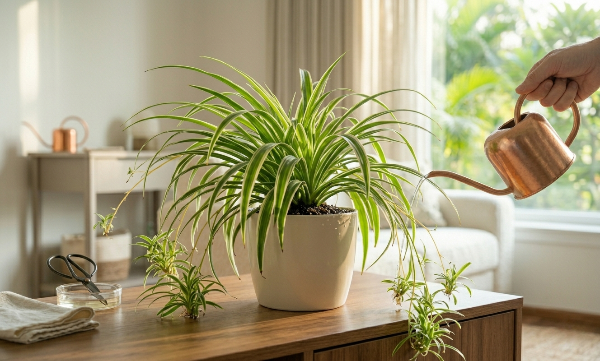
The spider plant is probably the single best plant for cat owners who are new to houseplants. It’s non-toxic (ASPCA verified), incredibly forgiving, and produces dangling baby plantlets that cats love to bat at. The interaction is completely harmless.
Give it bright indirect light, water every 7-10 days, and it’ll reward you with fast growth and endless babies to share. I have four spider plants hanging in macrame planters around my apartment, and Milo has batted every single one at some point. Zero issues.
Pro tip: Hang your spider plant in a basket to keep it out of reach. Cats are obsessed with the dangling plantlets, and while they’re safe to chew, constant nibbling leaves the plant looking ragged.
Read more: spider plant care
2. Parlor Palm (Chamaedorea elegans)
If you want something that looks elegant and tropical without any pet risk, the parlor palm is your plant. It handles low to medium light better than most palms, grows slowly to about 3-4 feet (90-120 cm) indoors, and is confirmed non-toxic by the ASPCA.
Water when the top inch of soil dries out, roughly every 7-10 days. It tolerates average humidity and doesn’t demand much attention. A perfect fit for coffee tables, desks, and dim corners where other plants struggle.
3. Peperomia (various species)
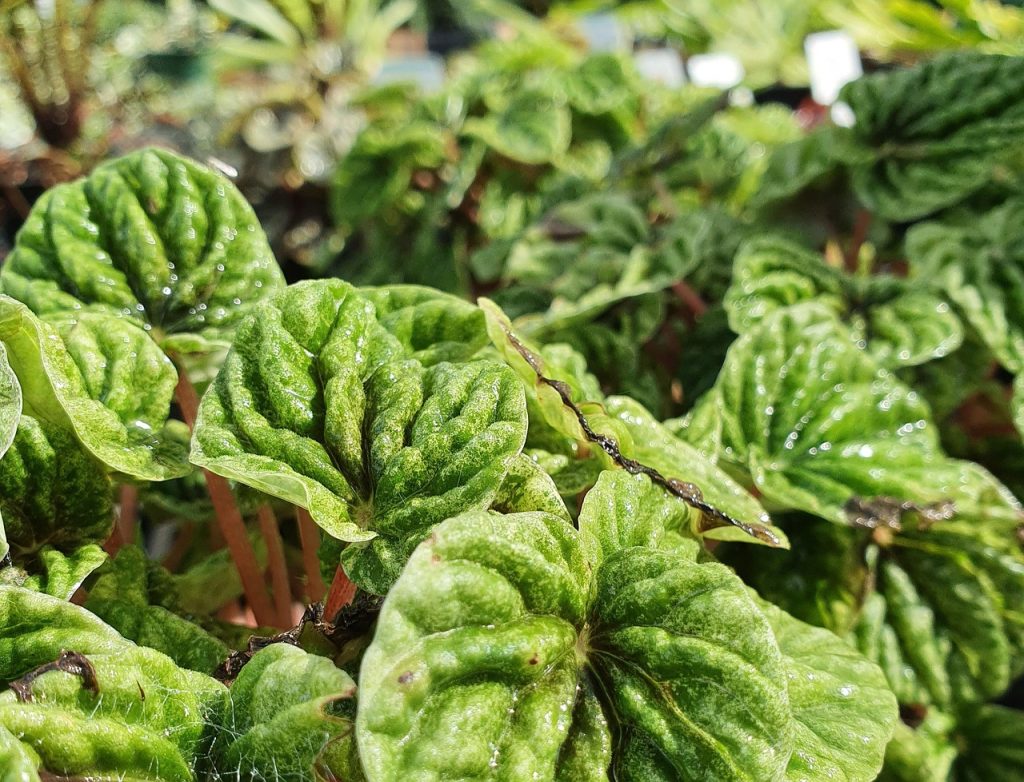
Peperomias are compact, gorgeous, and every variety is safe for cats. The watermelon peperomia with its striped leaves is my personal favorite, but the ripple peperomia and baby rubber plant (Peperomia obtusifolia) are equally beautiful.
They stay small (6-12 inches / 15-30 cm), prefer bright indirect light, and need watering only when the soil is mostly dry. Perfect shelf plants that stay out of a curious cat’s way naturally.
If Your Home Doesn’t Get Much Sun: Low-Light Cat-Safe Options
Finding plants safe for cats that also handle dim rooms can feel impossible. Most low-light champions like pothos, snake plants, and ZZ plants are all toxic. But these four thrive without direct sun.
4. Calathea / Prayer Plants (Calathea and Maranta species)
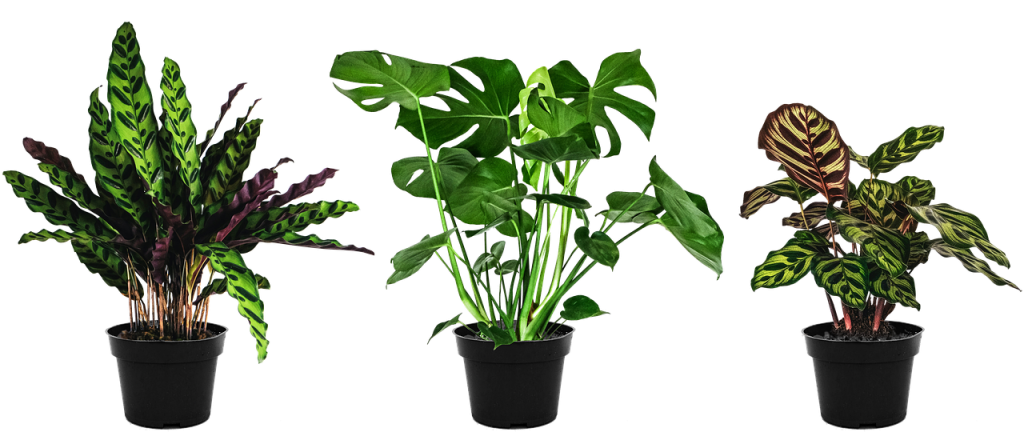
Calatheas are the showstoppers of the cat-safe plant world. Varieties like Calathea orbifolia, Calathea medallion, and Maranta leuconeura (the classic prayer plant) all feature stunning patterned leaves that move throughout the day, folding up at night like hands in prayer.
They prefer low to medium indirect light, which makes them ideal for north-facing rooms or spots away from windows. The catch? They’re fussier about humidity than most houseplants. Keep them at 50-60% humidity, avoid tap water with high fluoride, and they’ll thrive. I use filtered water for all my calatheas and it made a noticeable difference in leaf quality.
Read more: calathea plants
5. Cast Iron Plant (Aspidistra elatior)
The cast iron plant earned its name. It’s one of the toughest plants safe for cats you’ll find anywhere. Handles deep shade, drought, temperature swings, and neglect without complaint. The ASPCA confirms it’s non-toxic.
It grows slowly to about 2 feet (60 cm) with broad, dark green leaves that look handsome in a simple pot. Water every 10-14 days, less in winter. If you have a truly dark room and a cat, this is your plant.
6. Polka Dot Plant (Hypoestes phyllostachya)
If you want color in a low-to-medium light spot, the polka dot plant delivers. Pink, white, or red speckled leaves make it a standout on any shelf, and the ASPCA lists it as non-toxic to cats and dogs.
It stays compact at 6-12 inches (15-30 cm), works well in terrariums, and prefers consistently moist soil. Pinch the tips regularly to keep it bushy rather than leggy.
If You Want Tall, Statement Plants Safe for Cats
Tall plants fill empty corners and add drama to a room. Finding large cat-safe options takes more effort, but these deliver serious visual impact.
7. Areca Palm (Dypsis lutescens)
The areca palm is the go-to tall plant for cat owners. It grows 6-8 feet (180-240 cm) indoors, adds tropical vibes to any room, and is completely non-toxic (ASPCA). Those feathery fronds also act as natural humidifiers, releasing moisture into dry indoor air.
Needs bright indirect light and consistently moist (not soggy) soil. Available at most Home Depot and Lowe’s garden centers for $20-40 depending on size.
Read more: areca palm care
8. Majesty Palm (Ravenea rivularis)
Another tall, cat-safe palm that reaches 6-10 feet (180-300 cm) indoors. The majesty palm demands more attention than the areca, needing bright light and higher humidity (50%+), but the payoff is a dramatic tropical presence that’s totally pet-safe.
Keep the soil consistently moist and mist regularly, or place near a humidifier. This one does best in bathrooms or sunrooms with plenty of natural light.
9. Banana Plant (Musa species)
Yes, indoor banana plants are safe for cats according to the ASPCA. The dwarf varieties like Musa acuminata ‘Dwarf Cavendish’ grow 4-6 feet (120-180 cm) indoors with huge, dramatic leaves that turn any room into a tropical statement.
They need bright direct light (south-facing window minimum), consistent moisture, and warm temperatures above 60 degrees F (15 degrees C). Higher maintenance than palms, but the visual impact is unmatched if you have the right conditions.
If You Love Trailing and Hanging Plants
Cats and trailing plants are a tricky combination. The good news? Not all vines are toxic. These trailing options are plants safe for cats that look stunning in hanging baskets.
10. Hoya (various species)
Hoyas are the cat-safe answer to pothos. Thick, waxy leaves trail beautifully from shelves and baskets, and many varieties produce fragrant flower clusters. Hoya carnosa, Hoya kerrii (sweetheart plant), and Hoya pubicalyx are all non-toxic according to the ASPCA.
They prefer bright indirect light, infrequent watering (let the soil dry completely between drinks), and are surprisingly drought-tolerant. I’ve found hoyas to be one of the most rewarding plants safe for cats once they start blooming after a year or two.
11. String of Turtles (Peperomia prostrata)
This tiny trailing peperomia has round leaves with turtle-shell patterns. It’s delicate, adorable, and ASPCA-verified non-toxic. Perfect for a hanging basket in bright indirect light.
Water sparingly since the thin stems rot easily. Let the soil dry almost completely between waterings.
If You Want Flowers
Most flowering houseplants are either toxic (lilies, amaryllis, chrysanthemums) or tricky to keep alive. These bloom beautifully and are confirmed safe.
12. African Violet (Saintpaulia)
African violets are among the easiest flowering plants safe for cats. They bloom repeatedly under bright indirect light, come in purple, pink, white, and blue shades, and stay compact enough for windowsills and nightstands. ASPCA confirms they’re non-toxic.
Water from the bottom to avoid leaf spotting, and feed with a diluted African violet fertilizer monthly during growing season.
13. Orchid (Phalaenopsis species)
Phalaenopsis orchids, the kind you see at Trader Joe’s and grocery stores everywhere, are non-toxic to cats (ASPCA). Their elegant blooms last 2-3 months, and with basic care, they’ll rebloom year after year.
Bright indirect light, water once a week with a few ice cubes (or a light drench and drain), and they’re happy. I keep one on my kitchen counter where Milo occasionally sniffs it. No worries at all.
14. Christmas Cactus (Schlumbergera)
The Christmas cactus blooms in winter when most other houseplants look dormant. Pink, red, or white flowers appear at the tips of segmented green stems. It’s non-toxic to cats (ASPCA) and surprisingly easy to care for.
Bright indirect light, water when the top inch of soil is dry, and expose to cooler nighttime temperatures (50-55 degrees F / 10-13 degrees C) in fall to trigger blooming.
Read more: christmas cactus
If You Want Something Unique
15. Staghorn Fern (Platycerium)
Staghorn ferns are mounted on boards and hung on walls like living art. They’re completely non-toxic to cats (ASPCA) and sit well out of reach when wall-mounted. Their antler-shaped fronds look unlike anything else in the plant world.
Soak the root ball in water for 15-20 minutes weekly, give it bright indirect light, and mist occasionally. A true conversation starter that doubles as one of the most interesting plants safe for cats you can own.
Plants That Are NOT Safe for Cats (The Danger List)
This matters just as much as knowing the safe ones. The following popular houseplants are toxic to cats according to the ASPCA and should be avoided entirely in cat households, or placed in rooms your cat cannot access:
- Pothos (Epipremnum aureum), causes oral irritation, vomiting, difficulty swallowing
- Snake Plant (Dracaena trifasciata) causes nausea, vomiting, diarrhea
- Peace Lily (Spathiphyllum) causes oral irritation, excessive drooling, vomiting
- Monstera (Monstera deliciosa) causes oral irritation, difficulty swallowing
- Aloe Vera, causes vomiting, diarrhea, lethargy
- ZZ Plant (Zamioculcas zamiifolia) causes irritation, vomiting
- Rubber Plant (Ficus elastica) causes oral irritation, decreased appetite
- English Ivy (Hedera helix) causes vomiting, diarrhea, abdominal pain
- All true Lilies (Lilium species) cause kidney failure, potentially fatal
- Sago Palm (Cycas revoluta) causes liver failure, potentially fatal
Worth noting: lilies and sago palms aren’t just “mildly toxic.” They can kill a cat even in small amounts. If you have either of these in your home with a cat, remove them immediately.
Read more: snake plants toxicity to cats
Quick Comparison: Cat-Safe Plants at a Glance
| Plant | Light | Water | Size | Best For |
|---|---|---|---|---|
| Spider Plant | Bright indirect | Every 7-10 days | 12-24 in (30-60 cm) | Beginners, hanging |
| Parlor Palm | Low to medium | Every 7-10 days | 3-4 ft (90-120 cm) | Low light rooms |
| Peperomia | Bright indirect | When mostly dry | 6-12 in (15-30 cm) | Shelves, desks |
| Calathea | Low to medium | Keep evenly moist | 1-2 ft (30-60 cm) | Patterned leaf lovers |
| Cast Iron Plant | Low to deep shade | Every 10-14 days | 2 ft (60 cm) | Dark rooms |
| Polka Dot Plant | Low to medium | Keep moist | 6-12 in (15-30 cm) | Color without sun |
| Areca Palm | Bright indirect | Keep moist | 6-8 ft (180-240 cm) | Tall statement |
| Majesty Palm | Bright | Keep moist | 6-10 ft (180-300 cm) | Tropical drama |
| Banana Plant | Bright direct | Consistent moisture | 4-6 ft (120-180 cm) | Bold statement |
| Hoya | Bright indirect | Let dry completely | Trailing | Pothos alternative |
| African Violet | Bright indirect | Bottom water | 6-8 in (15-20 cm) | Easy flowers |
| Orchid | Bright indirect | Weekly | 12-24 in (30-60 cm) | Elegant blooms |
| Christmas Cactus | Bright indirect | When top is dry | 12 in (30 cm) | Winter flowers |
| Staghorn Fern | Bright indirect | Soak weekly | Wall-mounted | Living wall art |
All plants verified non-toxic to cats via ASPCA (aspca.org)
Avoid These 5 Rookie Errors
- Trusting “pet-safe” labels at plant stores. Store labels are frequently wrong or vague. Always verify against the ASPCA database yourself. I’ve seen plants labeled “pet-friendly” at garden centers that are clearly on the ASPCA toxic list. Don’t rely on marketing.
- Assuming all ferns are safe. Boston fern, bird’s nest fern, and staghorn fern are safe. But asparagus fern (Asparagus setaceus) is toxic to cats despite its name. The word “fern” doesn’t automatically mean plants safe for cats.
- Ignoring fertilizer and pesticide risks. Even on a non-toxic plant, chemical fertilizers and pesticide sprays can harm a cat that chews on treated leaves. Use pet-safe fertilizers and avoid chemical sprays. Neem oil is a safer pest treatment option for cat households.
- Forgetting about cut flowers. Bouquets with lilies, tulips, or chrysanthemums are just as dangerous as potted plants. A single lily stem in a vase can cause fatal kidney failure in cats. Keep all cut flowers out of reach or stick to cat-safe blooms like roses and sunflowers.
- Placing toxic plants “out of reach.” Cats are climbers. There is no shelf high enough, no room truly off-limits for a determined cat. If you can’t guarantee your cat will never access the plant, don’t keep it. I learned this the hard way with a pothos on a top shelf that Milo somehow reached at 2 AM.
FAQ
What are the best plants safe for cats for beginners?
Spider plants, parlor palms, and peperomias are the easiest plants safe for cats to start with. All three tolerate a range of light conditions, forgive missed waterings, and are widely available at Home Depot, Lowe’s, and Amazon for under $15.
Are succulents safe for cats?
Some are, some aren’t. Haworthia and echeveria are non-toxic, but aloe vera, jade plant, and kalanchoe are all toxic to cats according to the ASPCA. Always check the specific species before buying.
Can cats chew on spider plants without getting sick?
Spider plants are non-toxic to cats (ASPCA), so occasional chewing won’t cause poisoning. However, eating large amounts of any plant material can cause mild stomach upset, including vomiting. Hang the plant out of reach to minimize both chewing and plant damage.
What should I do if my cat eats a toxic plant?
Remove any plant material from the cat’s mouth, note the plant species, and contact your veterinarian or the ASPCA Animal Poison Control Center (888-426-4435) immediately. Don’t wait for symptoms to appear, especially with lilies or sago palms, which can be fatal.
Are plants safe for cats also safe for dogs?
In most cases, yes. The ASPCA database lists toxicity separately for cats and dogs, and the majority of cat-safe plants are also dog-safe. However, always verify each plant individually since a few species differ in their effects between cats and dogs.
Do cat-safe plants still purify indoor air?
Yes. Several plants safe for cats also appear on the NASA Clean Air Study list. Spider plants filter xylene and toluene, areca palms remove trichloroethylene, and Boston ferns tackle formaldehyde. You don’t have to sacrifice air quality for pet safety.
Where is the best place to check if a plant is safe for cats?
The ASPCA Toxic and Non-Toxic Plant Database at aspca.org is the most reliable source. Search by plant name and it will confirm whether the plant is toxic or safe for cats and dogs. Bookmark it before your next plant shopping trip.
How do I stop my cat from chewing on houseplants?
Provide cat grass (available at most pet stores and Trader Joe’s) as a safe chewing alternative. Spray plant leaves with a bitter apple deterrent. Use hanging planters and wall-mounted shelves. Most importantly, ensure all accessible plants are verified plants safe for cats so that any accidental chewing isn’t dangerous.
Your Cat-Friendly Plant Collection Starts Here
Building a home full of plants safe for cats takes a bit more research upfront, but the result is a collection you never have to worry about. Start with one or two picks from this list, verify everything against the ASPCA database, and grow your indoor jungle from there.
The best part? Once you know which species are safe, shopping becomes easier, not harder. You’ll walk past the pothos and peace lilies without a second glance and head straight for the calatheas, hoyas, and spider plants that belong in your home.
For more pet-friendly options, check out our [INTERNAL LINK: “pet friendly indoor plants” to /pet-friendly-indoor-plants/] guide, or explore [INTERNAL LINK: “common indoor plants” to /common-indoor-plants/] to see which favorites are safe and which to avoid.
Happy planting!