
The Limelight Hydrangea is one of the most beloved flowering shrubs in home gardens. Known for its large, cone-shaped clusters of creamy green blooms that mature into shades of pink and rose, this hydrangea variety adds elegance, texture, and color to any outdoor space. Whether you’re planting a Limelight Hydrangea tree, a little Limelight Hydrangea, or a classic bush, this plant is surprisingly easy to grow and maintain once you understand its basic care needs.
In this detailed guide, you’ll learn everything about Limelight Hydrangea care, pruning, planting tips, and how to make your garden look stunning all year round.
What Makes Limelight Hydrangea Special
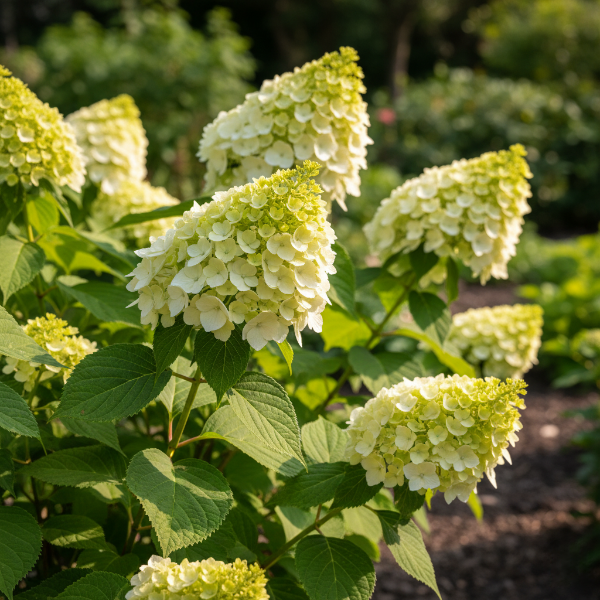
Unlike many hydrangea varieties that prefer shade, Limelight Hydrangea (Hydrangea paniculata ‘Limelight’) thrives in full sun. This hardy, deciduous shrub produces massive flower clusters that start lime-green in summer and gradually turn creamy white, pink, and deep rose by fall.
It’s ideal for gardeners who want a low-maintenance yet high-impact plant. It tree form can become a breathtaking centerpiece. It is perfect for borders, containers, or small gardens.
Limelight Hydrangea Care: Key Growing Conditions
1. Light Requirements
Limelight Hydrangeas love sunlight but also appreciate some afternoon shade in extremely hot regions.
- Best location: Full sun to partial shade.
- Tip: If you live in a hot climate, plant it where it gets morning sun and afternoon shade to prevent wilting.
2. Soil and Planting
These hydrangeas prefer well-draining, fertile soil that stays consistently moist but not soggy.
- Soil pH: Slightly acidic to neutral (6.0–7.0).
- Tip: Mix compost or organic matter into the soil before planting to improve drainage and fertility.
3. Watering
While Limelight Hydrangeas are fairly drought-tolerant once established, consistent watering ensures healthy growth and abundant blooms.
- Frequency: Deep water 1–2 times per week during dry periods.
- Tip: Mulch around the base to retain moisture and regulate soil temperature.
4. Fertilizing
Feed your hydrangea with a balanced, slow-release fertilizer in early spring before new growth starts. Avoid excessive nitrogen, which can lead to lush leaves but fewer flowers.
Limelight Hydrangea Pruning: When and How
Pruning is key to keeping your Hydrangea bush looking full and producing large flower heads.
When to Prune Limelight Hydrangea
The best time to prune is late winter or early spring, before new growth begins. Unlike other hydrangeas, Limelight blooms on new wood, meaning it produces flowers on the current year’s growth.
How to Prune
- Remove any dead or damaged branches.
- Cut back stems by about one-third to shape the plant and encourage fuller growth.
- For a Limelight Hydrangea tree, prune to maintain a strong central trunk and balanced canopy.
Tip: Avoid pruning in fall, as doing so may remove the wood that will bloom next year.
Limelight Hydrangea Size and Growth Habit
A mature Limelight bush typically grows 6 to 8 feet tall and wide, making it ideal for large garden borders or as a standalone focal point.
The Little Limelight Hydrangea, a dwarf version, grows around 3 to 5 feet tall, perfect for smaller gardens or patio containers.
It trees can reach up to 10 feet tall, creating a striking statement piece for walkways or entryways.
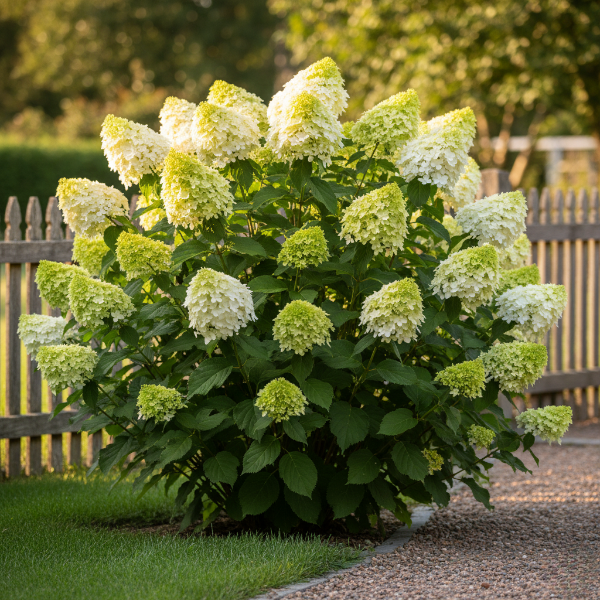
What to Plant in Front of Limelight Hydrangea
Choosing companion plants enhances your garden’s texture and color balance.
Here are some great options to plant in front of your Limelight Hydrangeas:
- Hostas: Their bold leaves provide contrast against hydrangea blooms.
- Coral Bells (Heuchera): Adds vibrant foliage color under hydrangea canopies.
- Lavender or Salvia: Offer fragrance and attract pollinators.
- Ferns or ornamental grasses: Perfect for adding a soft, layered look.
Limelight Hydrangea Varieties You Should Know
- Little Lime: Compact version of the original, perfect for small gardens.
- Fire Light: Starts white, turning deep pink-red in late summer.
- Pinky Winky: Two-tone blooms, white and pink, for extra visual interest.
- Bobo: Dwarf variety ideal for containers or borders.
Pink Limelight Hydrangeas can be achieved by allowing the blooms to mature naturally into pink hues as the season progresses.
Growing Limelight Hydrangea Outdoors
This hydrangea is one of the most cold-hardy species, thriving in USDA Zones 3 to 9.
- Sunlight: At least 6 hours per day.
- Spacing: Plant bushes 5–8 feet apart for proper air circulation.
- Protection: Apply mulch in late fall to protect roots from freezing temperatures.
Troubleshooting Common Limelight Hydrangea Problems

Even hardy plants face challenges. Here’s how to handle common issues:
Pests: Aphids and spider mites can be treated with neem oil or insecticidal soap.
Drooping Leaves: Often caused by underwatering or intense afternoon sun.
Few Blooms: Check pruning timing and avoid overfertilizing with nitrogen.
Yellow Leaves: Could indicate poor drainage or nutrient imbalance.
FAQs
A mature Hydrangea can grow 6–8 feet tall and wide, while dwarf versions like Little Lime stay around 3–5 feet.
Prune in late winter or early spring before new growth appears.
Yes! The Little Limelight variety grows beautifully in containers if given enough sunlight and regular watering.
While not fully deer-proof, its thick foliage and scent make it less appealing to deer than other plants.
Little Limelight is a smaller, more compact version, perfect for small spaces, while the original Limelight is ideal for larger landscapes.
Conclusion
It is a garden favorite for a reason, its striking color transitions, hardy nature, and versatile size options make it a must-have for both new and experienced gardeners. Whether you choose a Limelight tree, a Little Limelight, or plant a full Limelight Hydrangea bush, with proper care and pruning, you’ll enjoy stunning blooms year after year.
Take the time to nurture your Limelight, and it will reward you with a show-stopping display that transforms your garden into a living masterpiece.