
I’ve lost more plants to overwatering than underwatering, and that’s exactly why drought tolerant plants became my favorites. They reward a lighter hand, but they still need the right start, the right soil, and a little patience.
| Aspect | Details |
|---|---|
| Botanical Name | Depends on the plant, for example Lavandula angustifolia, Salvia rosmarinus, Sedum spp. |
| Common Names | Drought tolerant plants, water-wise plants, dryland plants, xeric plants, low-water plants |
| Plant Family | Varies by species |
| Native Region | Varies by species, many come from Mediterranean, arid, and semi-arid regions |
| Light | Usually full sun to bright light, depending on the plant |
| Water | Low to moderate once established, deep watering works best |
| Humidity | Low to moderate, many dislike wet air and soggy soil |
| Temperature | 65 to 85 degrees F (18 to 29 degrees C) for many garden types, though species vary |
| Soil | Well-draining potting mix or sandy, gritty garden soil |
| Mature Size | Varies widely, from 2 inches (5 cm) to 8 feet (244 cm) depending on species |
| Growth Rate | Slow to moderate, sometimes fast in ideal heat and sun |
| Toxicity | Varies by species, so check each plant. According to the ASPCA, some are non-toxic while others can be toxic to cats and dogs, and certain types may cause drooling, vomiting, or oral irritation. |
| Difficulty Level | Easy to moderate |
| USDA Zones | Usually zones 4 to 11, depending on the plant |
What Makes Drought Tolerant Plants Different
Drought-tolerant plants are not lazy; they are efficient. They often have thick leaves, small leaves, waxy coatings, or deep roots that help them hold water and slow evaporation. That is why they can keep going once their roots are established, even after the soil dries out.
In my experience, beginners often assume these plants want to be ignored completely. That is how people end up killing them during the first month, because even drought tolerant plants need regular watering while they settle in.
Drought Tolerant Plants To Consider
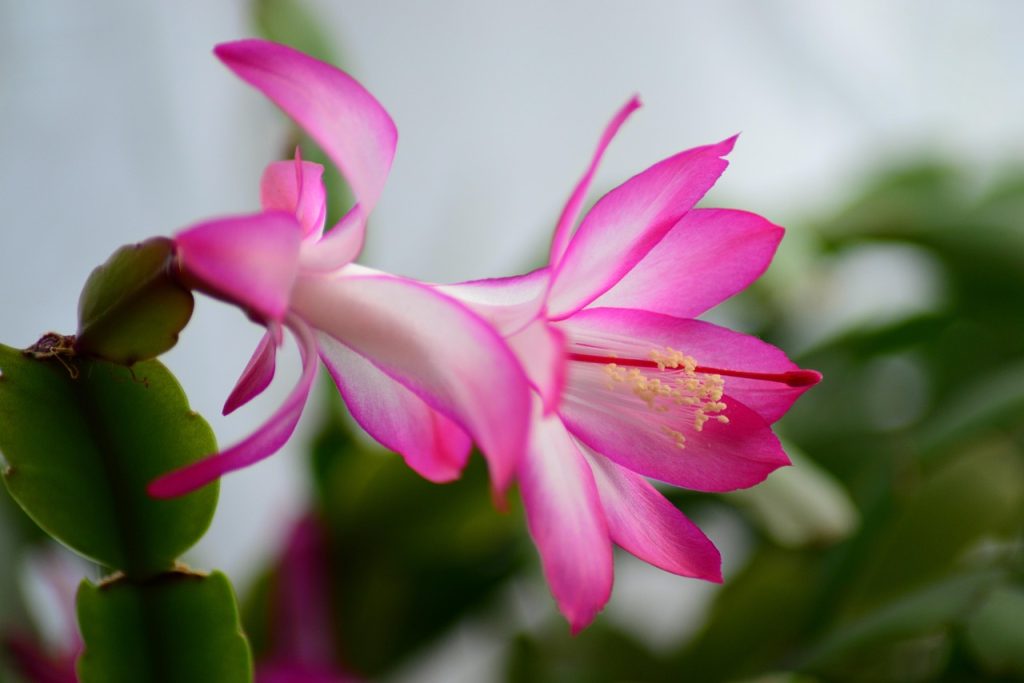
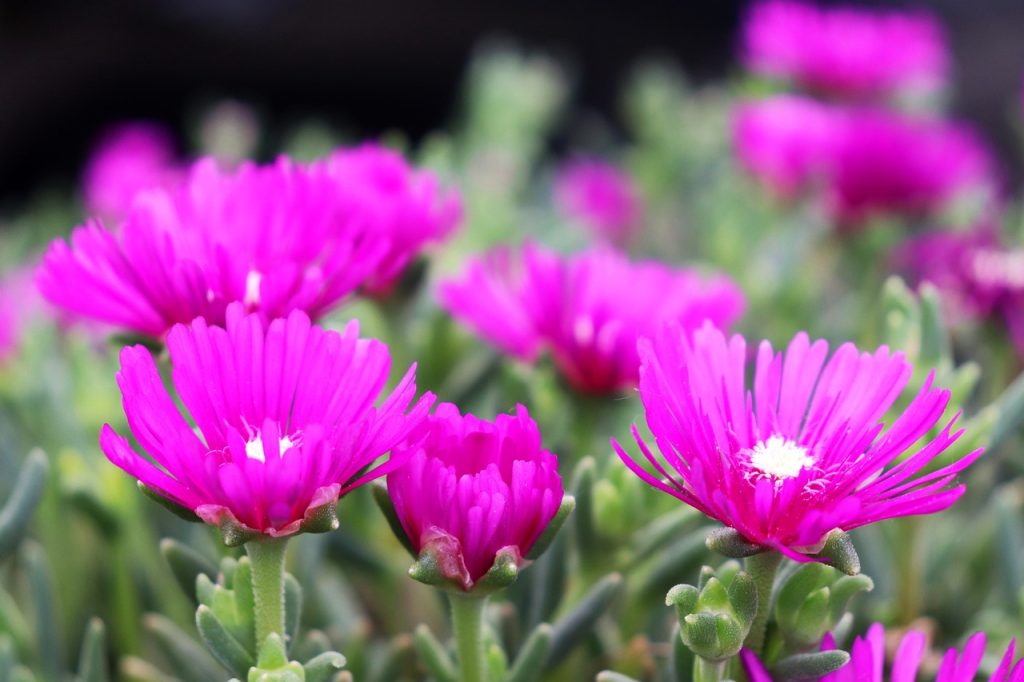
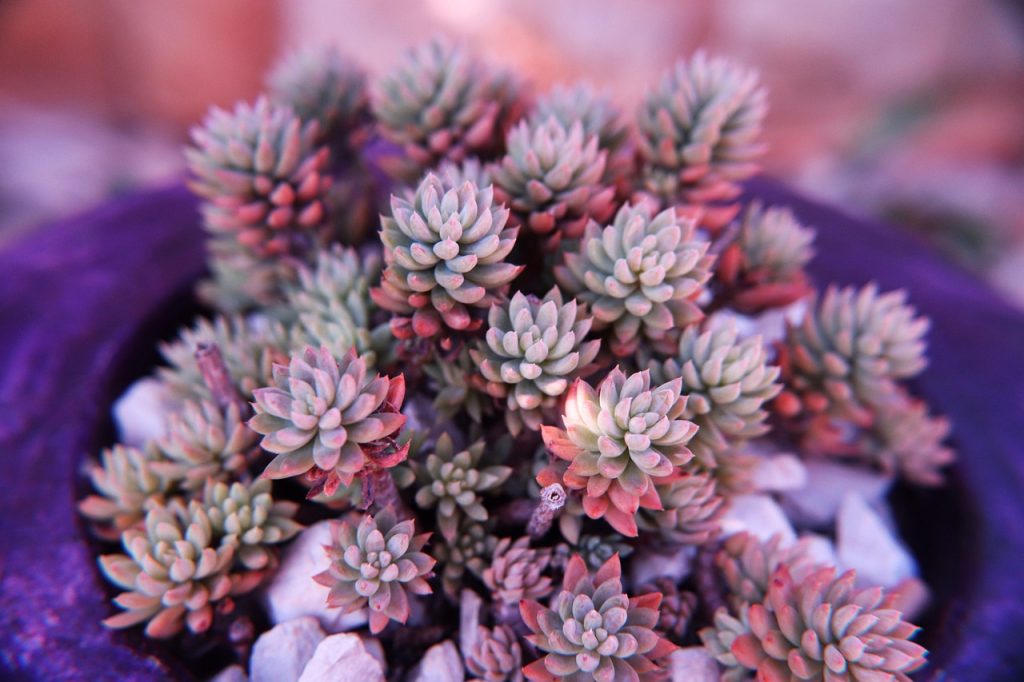
If you want a mixed planting style, I like thinking in categories instead of just one species. Herbs such as rosemary and lavender work well in sunny spots, while succulents and sedums handle very dry containers beautifully. For garden beds, yarrow, Russian sage, coneflower, and little bluestem bring color, texture, and a more natural look.
I also like using drought tolerant plants in containers near patios because they make watering simpler. A gritty mix from a brand like FoxFarm Ocean Forest blended with perlite, or a fast-draining mix from Miracle-Gro or Espoma Organic, can make a big difference in how well they perform in pots.
Best Light And Soil
Most drought tolerant plants want more light than people expect. Full sun gives them the energy to build strong roots, thick leaves, and steady blooms, while shade lovers among them still need bright conditions to stay compact and healthy.
Soil matters just as much. I have seen gorgeous plants fail in heavy, water-holding soil, because the roots stayed wet too long and started to rot. For garden beds, aim for loose, well-draining soil, and for pots use a mix that drains quickly, especially if you buy planters from Home Depot, Lowe’s, Walmart Garden Center, or Costco where deep decorative pots can trap too much water.
A simple rule helps here: if water sits on top for more than a few seconds, the mix is probably too dense. I usually fix that by adding perlite, pumice, or coarse sand, then I recheck drainage before planting.
Watering Drought Tolerant Plants
The biggest mistake I made early on was watering drought tolerant plants on a fixed schedule. They do much better when you check the soil first, then water deeply and less often. During establishment, they still need consistent moisture so roots can grow downward instead of staying shallow.
A good routine is to water when the top 1 to 2 inches (2.5 to 5 cm) of soil feels dry in containers, or when the soil is dry several inches down in the garden, depending on the plant. After that, stretch the timing out and let the plant tell you what it needs. In hot weather, I often see container plants need water every 5 to 10 days, while cooler weather can stretch that much longer.
If you want better results with houseplants and pots, pair this habit with how to water houseplants and a pot that has drainage holes. That combination prevents the slow, sneaky root damage that ruins so many good plants.
Drought Tolerant Plants Indoors
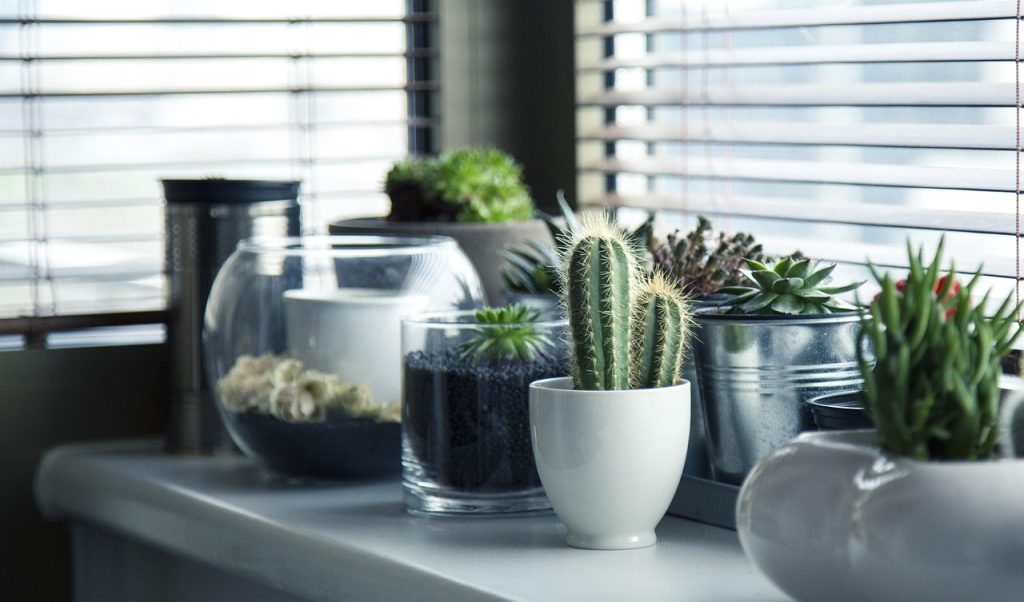
Some drought tolerant plants do very well indoors, especially snake plant, jade plant, aloe, ponytail palm, and certain succulents. These plants usually want bright light, a pot that is not oversized, and a mix that dries out fast between waterings. I keep mine near south- or west-facing windows, and I only water after I check the soil all the way down.
A smaller pot often works better than a huge one because the root ball dries more evenly. If you are shopping for best planters for indoor plants, choose something with a drainage hole first, then worry about style second. A pretty pot without drainage can undo all the good work of drought tolerant plants in a week.
I have also found that indoor heat and AC can trick people. The top layer dries fast, but the center of the pot may stay wet longer, so always test deeper than the surface.
Feeding And Maintenance
Drought tolerant plants usually do not need heavy fertilizer. Too much nitrogen makes soft growth that breaks down faster in heat and dry wind, and I have seen that happen with both container herbs and bedding plants. A light feeding in spring with a balanced fertilizer such as Jack’s Classic All Purpose 20-20-20, Schultz, or Osmocote is usually enough for most garden situations.
Mulch helps a lot outdoors. A thin layer of shredded bark or other organic mulch keeps the soil cooler and slows moisture loss, which gives roots a better chance to stay active through dry spells. Just keep mulch away from the stem so you do not trap moisture right against the crown.
For a few species, a gentle trim after flowering keeps them tidy and encourages stronger growth. Lavender, rosemary, and sage often respond nicely when you remove spent stems instead of letting them get woody and weak.
Where Most Beginners Go Wrong
- Overwatering after planting.
- New gardeners often think drought tolerant plants can skip the establishment phase. The fix is simple, water deeply for the first several weeks, then slowly reduce frequency as roots spread.
- Using heavy soil.
- Clay-heavy or peat-heavy mixes hold too much moisture. The fix is to use a well-draining potting mix and add gritty material if needed.
- Putting sun plants in shade.
- Many drought tolerant plants lose their shape and flower power in low light. The fix is to move them into brighter exposure, especially if the label says full sun.
- Fertilizing too hard.
- Too much fertilizer creates weak, soft growth that struggles in dry weather. The fix is to feed lightly, usually once in spring and maybe again in midsummer for fast growers.
- Ignoring container drainage.
- Even tough plants rot if water cannot escape. The fix is to always use pots with drainage holes and never leave standing water in saucers.
Outdoor Pairings That Work
Some of the best displays mix textures instead of forcing one plant type to do everything. I like pairing yarrow with ornamental grasses, or sedum with lavender in a sunny border because the contrast looks intentional and both plants like similar conditions. If you are planning a bigger landscape, overwatering vs underwatering becomes an important skill because dryland plants often show stress in subtle ways.
For pet owners, check labels carefully before buying. According to the ASPCA, plant toxicity varies widely by species, so a plant that looks perfect in a nursery may not be safe for cats or dogs. If that matters in your home, pet-safe indoor plants are a smarter search path than just chasing drought tolerance alone.
I also like grouping plants with similar watering needs close together. That makes routine care easier and keeps one thirsty species from forcing you to overwater everything else.
A Simple Planting Method
- Pick a site with the right sun exposure.
- Improve drainage before planting.
- Water the plant well at planting time.
- Keep the soil evenly moist while roots establish.
- Gradually reduce watering as growth steadies.
That sequence sounds basic, but it solves most problems. I have seen people skip straight to low-water care on day one, and that is where things unravel.
What To Expect In Heat
Drought tolerant plants do not look the same in a heat wave as they do in spring. Some slow down, some curl slightly, and some drop older leaves to protect themselves. That is not always a sign of failure, especially if the stems still feel firm and the roots are healthy.
The key is to watch for real stress, not normal adaptation. If leaves go crispy, stems collapse, or the soil bakes into a hard crust, the plant needs attention. If growth pauses a little but the plant still looks firm, it may simply be conserving energy.
Rookie Errors That Are Easy To Avoid
- Buying for looks only.
- A plant may look beautiful on the tag but fail in your sun, wind, or soil. The fix is to match the plant to the site first, then choose the prettiest option in that group.
- Planting too deep.
- Roots and crowns need oxygen, and buried stems can rot. The fix is to plant at the same depth the plant sat in its nursery pot.
- Watering a little every day.
- That keeps roots near the surface instead of encouraging deeper growth. The fix is deep, less frequent watering.
- Skipping mulch.
- Bare soil dries too fast and heats up quickly. The fix is to mulch lightly after planting, especially in sunny beds.
- Expecting instant toughness.
- Even the best drought tolerant plants need time to settle in. The fix is patience during the first season, when root growth matters most.
FAQs
What are drought tolerant plants?
Drought tolerant plants are plants that can handle dry conditions better than average once they are established. Many have deep roots, thick leaves, or waxy surfaces that help them conserve water.
How often should I water drought tolerant plants?
Water deeply when the soil dries out, not on a strict calendar. In the first few weeks after planting, they need more regular watering, then you can stretch the interval as roots establish.
Can drought tolerant plants grow indoors?
Yes, many drought tolerant plants do well indoors if they get bright light and fast-draining soil. Snake plant, jade plant, aloe, and ponytail palm are common examples.
Is fertilizer necessary for drought tolerant plants?
Usually only lightly. Too much fertilizer can create soft growth that struggles in heat and dry weather, so a modest feeding in spring is often enough.
Does mulch help drought tolerant plants?
Yes, mulch helps keep soil cooler and reduces evaporation. A light layer around outdoor plants can make watering less frequent and more effective.
What is the best soil for drought tolerant plants?
The best soil drains quickly and does not stay soggy. For pots, use a gritty potting mix, and for garden beds, loosen the soil so water can move through it more easily.
When should I plant drought tolerant plants?
Plant them in spring or early fall when temperatures are milder and roots can settle in. Even drought tolerant plants need extra water during establishment.
Why do drought tolerant plants fail in my yard?
Most failures come from poor drainage, too much shade, or overwatering. The plant may be drought tolerant, but it still needs the right site and a proper start.
Drought tolerant plants are some of the easiest plants to love once you stop treating them like they want constant attention. Give them light, drainage, and a proper establishment period, and they usually repay you with steady growth and far less fuss.
If I had to reduce the whole topic to one lesson, it would be this, drought tolerant plants are not no-care plants. They are smart plants that do best when you work with their habits instead of fighting them.
Happy planting!