
There’s a reason the plant community has shifted so dramatically toward rare indoor plants over the past several years. Basic pothos and snake plants still have their place, but collectors are increasingly seeking out species that offer unusual foliage, striking variegation, or simply the satisfaction of growing something most people have never seen in person. It’s not just about aesthetics either. The challenge, the hunt, and the story behind each plant are part of what makes this hobby so absorbing.
This post covers everything you need to know about sourcing, growing, and styling uncommon indoor plants, whether you’re just getting curious or you’ve already got a dedicated growing space.
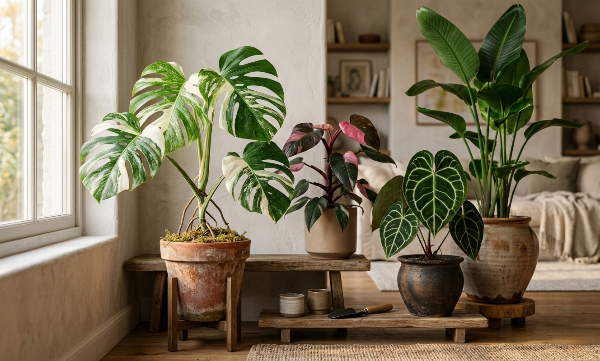
What Makes a Plant Rare?
Not every expensive plant is rare, and not every rare plant is expensive. Rarity in the houseplant world comes from a combination of factors.
Limited cultivation is probably the most common cause. Some species are not in wide commercial production. Nurseries stick to proven sellers, so anything outside that circle stays scarce by default.
Slow growth plays a big role too. Plants that take years to reach a size worth selling are naturally harder to find. Growers can’t turn a fast profit on them, so they don’t bother at scale.
Geographic restriction matters for many tropical indoor plants. Species native to specific cloud forests or island ecosystems are difficult to source legally and even harder to propagate in standard greenhouse conditions.
High demand with low supply creates artificial scarcity for certain collectible houseplants. When a plant goes viral on social media, prices spike and availability drops almost overnight.
Propagation challenges are the final piece. Some plants resist cuttings, others require specific conditions to root, and a few can only be grown from seed with low germination rates. All of that slows supply considerably.
Most Popular Rare Indoor Plants
Here’s a reference table covering some of the most sought-after species among indoor plant collectors right now.
| Plant Name | Botanical Name | Light Needs | Care Difficulty | Why It’s Rare |
|---|---|---|---|---|
| Monstera Albo | Monstera deliciosa ‘Albo Variegata’ | Bright indirect | Intermediate | Slow variegated propagation |
| Philodendron Spiritus Sancti | Philodendron spiritus-sancti | Bright indirect | Advanced | Critically endangered species |
| Anthurium Warocqueanum | Anthurium warocqueanum | Medium indirect | Advanced | Slow grower, humidity-dependent |
| Hoya Linearis | Hoya linearis | Bright indirect | Intermediate | Slow growth, fragile stems |
| Variegated Monstera Thai Constellation | Monstera deliciosa ‘Thai Constellation’ | Bright indirect | Intermediate | Lab-produced, limited supply |
| Amydrium Medium ‘Silver’ | Amydrium medium | Bright indirect | Intermediate | Limited trade distribution |
| Alocasia Azlanii | Alocasia azlanii | Medium indirect | Advanced | Restricted habitat, new to trade |
| Philodendron Gloriosum | Philodendron gloriosum | Medium indirect | Intermediate | Slow crawling growth habit |
| Begonia Brevirimosa | Begonia brevirimosa | Medium indirect | Intermediate | Papua New Guinea origin, low supply |
| Caladium ‘White Wedding’ | Caladium bicolor hybrid | Bright indirect | Intermediate | Limited commercial production |
| Rhaphidophora Tetrasperma Variegata | Rhaphidophora tetrasperma var. | Bright indirect | Advanced | Unstable variegation |
| Monstera Obliqua | Monstera obliqua | Medium indirect | Advanced | Extremely slow, paper-thin leaves |
| Philodendron Melanochrysum | Philodendron melanochrysum | Bright indirect | Intermediate | Vining habit, limited nursery stock |
| Anthurium Crystallinum | Anthurium crystallinum | Medium indirect | Intermediate | Humidity sensitive, slow growth |
| Hoya Imperialis | Hoya imperialis | Bright indirect | Intermediate | Large growing, slow to flower |
Care Guide for Rare Indoor Plants
Caring for exotic indoor plants isn’t necessarily harder than caring for common ones, but the margin for error is often smaller. Here’s what consistently matters.
1. Light Management Most rare houseplants come from tropical forest understories, which means they want bright, indirect light rather than direct sun. A spot near an east-facing window, or a few feet back from a south-facing one, works well for the majority of them. Watch the leaves carefully. Yellowing in low light and scorching or bleaching in bright direct light are both clear signals to adjust placement.
2. Watering Practices Overwatering kills more rare plants than anything else. Let the top inch or two of soil dry out before watering again, and always check that excess water drains freely. Chunky substrates dry faster and give roots the air they need. With slower-growing species, water needs are lower overall, so adjust frequency accordingly rather than following a rigid schedule.
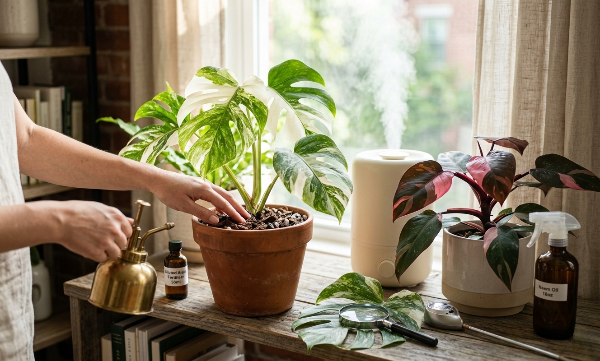
3. Humidity Control Most hard to find indoor plants appreciate humidity above 60%. In dry climates or heated homes, this usually means adding a humidifier nearby. Grouping plants helps too. Pebble trays with water offer only marginal benefit and aren’t worth relying on as a primary solution.
4. Soil and Drainage Standard potting mix is too dense for most rare tropical plants. A mix incorporating orchid bark, perlite, and a small amount of potting soil gives better aeration and drainage. For aroids specifically, leaning toward chunkier mixes reduces root rot risk considerably.
5. Fertilization During the growing season, a balanced liquid fertilizer diluted to half strength every two to three weeks is plenty. Avoid pushing growth too aggressively with high-nitrogen feeds, especially for variegated plants. Excess nutrients on variegated leaves can cause reversion to green in some species.
6. Pest Prevention: Check new plants thoroughly before placing them near existing ones. Quarantine anything new for at least two weeks. Thrips, spider mites, and fungus gnats are the most common problems. Regular inspection of leaf undersides and treating early with neem oil or insecticidal soap prevents small infestations from becoming large ones.
Common Challenges With Rare Houseplants
Even with good care, issues come up. Knowing what to look for makes a real difference.
- Overwatering is the most frequent cause of plant loss. Signs include yellowing lower leaves, soft mushy stems, and a sour smell from the soil. Let the mix dry more between waterings and consider repotting into a faster-draining substrate.
- Leaf damage from physical contact, cold drafts, or dry air shows up as brown edges, crispy tips, or spots. Identify the source before treating it as a disease.
- Transplant shock is common after repotting or shipping. Plants may drop leaves or stop growing temporarily. Keep conditions stable and avoid fertilizing until new growth appears.
- Root rot sets in when roots stay wet too long. If you notice collapse or sudden decline, unpot the plant and inspect the roots. Trim any black or mushy sections back to healthy tissue, dust with cinnamon or sulfur powder, and repot into fresh dry mix.
- Pests are easier to prevent than to eliminate. If you spot pests, treat thoroughly and repeat applications over two to three weeks to catch eggs that survive the first treatment.
- Shipping stress affects online-purchased plants heavily. Unbox promptly, don’t repot immediately, and keep conditions warm and stable. Most plants recover within a few weeks given proper care.
Where to Buy Rare Indoor Plants
Finding genuine rare plants requires knowing where to look and who to trust.
Specialty nurseries that focus on aroids, hoyas, or tropicals are often the best starting point. Many operate with small-batch inventory and aren’t widely advertised online. Searching for plant-specific nurseries in your region, or in known plant-growing areas, often turns up quality sources.
Online plant shops and private sellers on platforms like Etsy, Instagram, and dedicated plant marketplaces have expanded access significantly. The key is reviewing seller history, looking at photos of the actual plants being sold rather than stock images, and checking that they’ve shipped to similar climates before.
Plant expos and swaps are worth attending if you have access to them. In-person events let you inspect plants before purchasing and often connect you directly with collectors who propagate their own stock. Prices are frequently better than retail, and the community aspect is genuinely useful.
Verified sellers and collector groups on Facebook and Reddit often have reputation systems that help filter out unreliable sources. Established community members who’ve built a track record are usually a safer bet than anonymous listings.
Scam awareness matters. Any listing for a Monstera obliqua priced under $50 or a Philodendron Spiritus Sancti under several hundred dollars should be treated with skepticism. Misidentified plants are common. If something seems underpriced for what it claims to be, it’s worth asking for more detailed photos or verification before purchasing.
Are Rare Indoor Plants Worth the Investment?
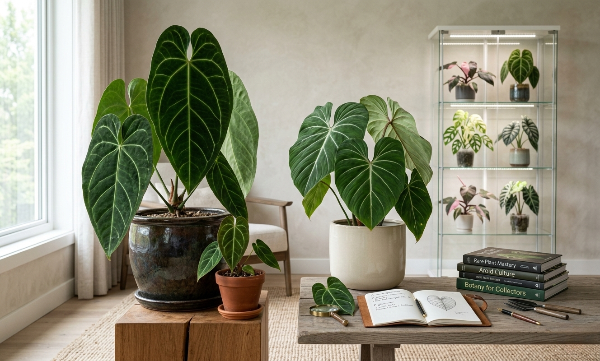
Honestly, it depends on what you’re looking for. If you want low-maintenance statement houseplants and you’re drawn to unusual foliage, the investment is often worth it. A well-established Anthurium warocqueanum or a healthy Philodendron gloriosum can provide years of satisfaction and hold value over time.
Pricing varies widely. Some collectible houseplants that cost hundreds of dollars a few years ago are now widely available and much cheaper as supply increased. Others have maintained or increased their value. Following the market before buying in at high prices is sensible.
The maintenance effort for rare plants isn’t always greater than for common ones. Some are genuinely straightforward once your growing conditions are dialed in. The initial learning curve tends to be steeper simply because less care information is available.
Styling Rare Indoor Plants at Home
Placement matters, both for plant health and visual impact.
In living rooms, large variegated plants like Monstera Albo or Thai Constellation work well as standalone statement pieces near a bright window. Let them breathe rather than clustering them too tightly.
In offices, smaller aroids or hoyas work well on desks or shelving near natural light. They’re conversation starters and manageable in size.
Bedrooms suit plants that tolerate slightly lower light, like Philodendron gloriosum or Anthurium crystallinum. The key is avoiding windowless corners where humidity tends to drop.
In apartments with limited space, vertical growing structures or moss poles let vining species climb rather than sprawl, maximizing visual presence without sacrificing floor area.
Minimalist interiors often benefit from single specimen plants rather than dense arrangements. One well-grown Hoya linearis in a clean ceramic pot does more for a minimalist space than a shelf of mixed plants.
FAQs
Why are rare indoor plants expensive? Pricing reflects supply constraints. Plants that propagate slowly, require years to reach sellable size, or exist in limited legal supply trade at a premium. High demand from collectors compounds this further.
Are rare plants harder to care for? Not always. Some uncommon indoor plants are genuinely easy once their humidity and light needs are met. Others have specific requirements that take time to learn. Research each species individually rather than assuming difficulty based on price.
How do I identify an authentic rare plant? Ask sellers for detailed photos showing specific leaf characteristics, nodes, and growth points. Cross-reference with botanical descriptions and reliable community sources. Consulting experienced collectors in plant forums before purchasing expensive specimens is worth the time.
What are the best rare plants for beginners? Philodendron gloriosum, Hoya linearis, and Anthurium crystallinum are considered relatively forgiving entry points among rare houseplants. They reward good humidity and indirect light without being overly demanding.
Do rare plants grow slower than common ones? Many do, particularly aroids and hoyas. Slow growth is often part of what makes them rare in the first place since it limits how quickly collectors and sellers can propagate new stock. During active growing season with good conditions, growth picks up noticeably.
Conclusion
Building a collection of rare indoor plants is a long game, and that’s part of the appeal. Each plant carries its own backstory, sourcing challenge, and care learning curve. Whether you’re drawn to the sculptural foliage of collector aroids, the delicate trailing texture of uncommon hoyas, or the iridescent leaves of hard to find begonias, the category rewards patience and attention. Start with one or two species that genuinely excite you, get your growing conditions right, and the rest tends to follow.