
Spring Bulb Planting Guide for Beginners, bursting into vibrant blooms when the world is just waking up from winter. For beginners, planting spring-flowering bulbs like tulips, daffodils, crocuses, and hyacinths is an easy and rewarding way to kickstart your gardening journey. These bulbs are planted in the fall, go dormant over winter, and then dazzle your garden with color in spring. Why plant in fall? The cold winter temperatures break the bulbs’ dormancy, triggering them to bloom when spring arrives. This guide is tailored for gardening newbies, walking you through every step to ensure a stunning display of flowers. Let’s dive into the world of spring bulbs and create a garden that pops with color!
Popular spring bulbs for beginners include:
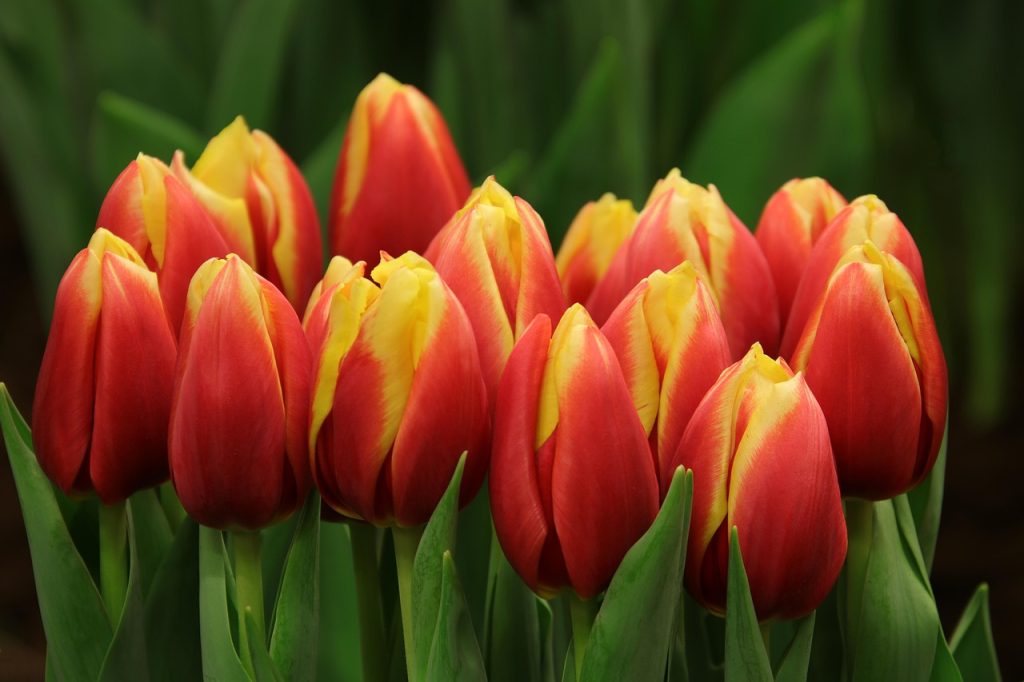
- Tulips: Known for their bold colors and elegant shapes, available in varieties like single, double, and parrot tulips.
- Daffodils: Cheerful yellow or white flowers that are pest-resistant and low-maintenance.
- Crocuses: Tiny, early bloomers in purple, white, or yellow, perfect for borders or lawns.
- Hyacinths: Fragrant, dense flower spikes in shades of blue, pink, and white.
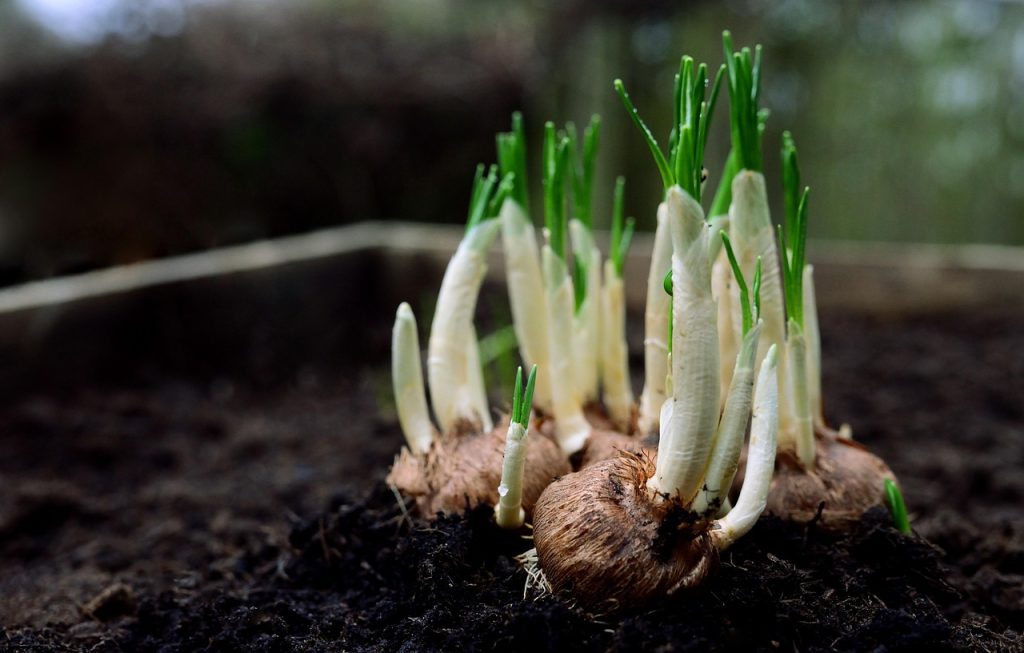
These bulbs are forgiving, thrive in most U.S. climates, and require minimal care, making them ideal for first-time gardeners. Ready to get started? Let’s explore when and how to plant these beauties for a spectacular spring show.
For more insights on timing your gardening tasks, check out What is Seasonal Gardening?.
When to Spring Bulb Planting
Timing is everything when planting spring bulbs. In the U.S., the best time to plant depends on your USDA Hardiness Zone, which determines your region’s climate and frost dates.
- Zones 4–7 (Colder Climates): Plant bulbs in September or October when evening temperatures drop to 40–50°F. This gives bulbs 6–8 weeks to establish roots before the ground freezes. Aim to plant before the first hard frost, typically by mid-November.
- Zones 8–10 (Warmer Climates): Plant in November or early December, as the soil needs to cool down. If bulbs require chilling (like tulips), store them in the refrigerator for 6–10 weeks before planting to mimic winter conditions.
How to Check Soil Temperature: Use a soil thermometer (available at garden centers or online) to ensure the soil is around 55°F, ideal for root growth. If you don’t have a thermometer, wait until nighttime temperatures consistently hover around 40–50°F. Planting too early in warm soil can cause bulbs to sprout prematurely, while planting too late may prevent root development.
For precise planting times, check your local frost dates on sites like The Old Farmer’s Almanac.
Choosing the Right Bulbs
Not all bulbs are created equal, and for beginners, picking easy-to-grow varieties is key to success. Here’s a rundown of beginner-friendly spring bulbs and tips for selecting quality ones.
Easy-to-Grow Bulbs for Beginners
- Daffodils: Virtually foolproof, daffodils are deer- and rodent-resistant, thrive in sun or partial shade, and return year after year. Try varieties like ‘King Alfred’ or ‘Tête-à-Tête’ for reliable blooms.
- Crocuses: These small bulbs are perfect for beginners due to their hardiness and early blooming (sometimes as early as February). ‘Ruby Giant’ or ‘Jeanne d’Arc’ are great choices.
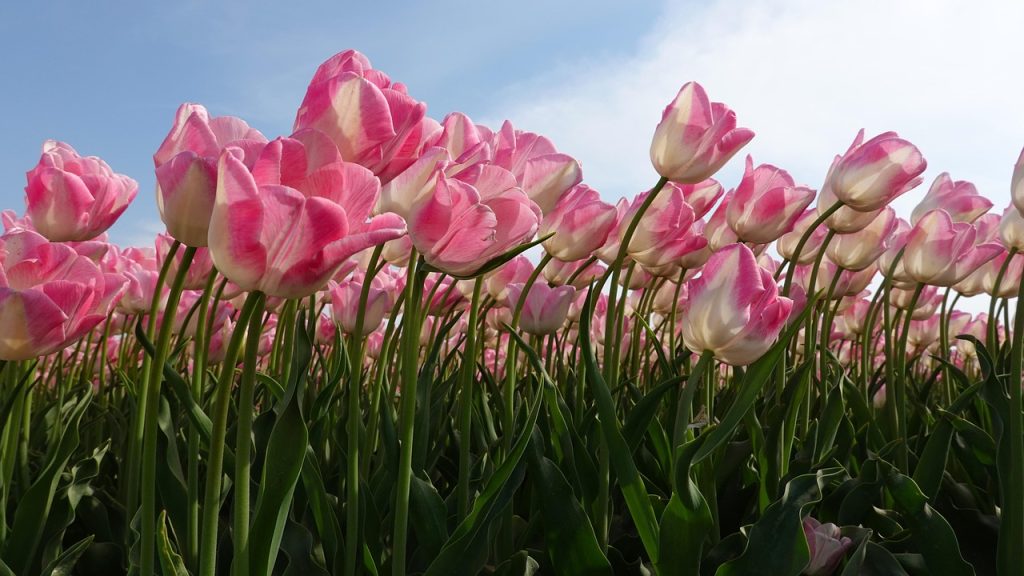
- Tulips: While some tulips are fussy, varieties like ‘Darwin Hybrids’ or ‘Triumph’ are sturdy and bloom reliably in spring.
- Hyacinths: Known for their intense fragrance, hyacinths are easy to grow in pots or borders. Choose ‘Blue Jacket’ or ‘Pink Pearl’ for vibrant colors.
Where to Buy Quality Bulbs
- Garden Centers: Visit local nurseries in fall for fresh bulbs. Inspect them to ensure they’re firm, with no mushy spots or mold. Larger bulbs often produce stronger blooms.
- Online Retailers: Reputable suppliers like Brecks or J. Parker’s offer a wide selection and ship bulbs at the right planting time.
- Supermarkets: Budget-friendly options from stores like Home Depot or Costco are fine for daffodils and crocuses, but check for quality, as some may be smaller or less vigorous.
Tip: Avoid bulbs that feel soft, have sprouts, or show signs of rot. Store bulbs in a cool, dry place (like a garage) until planting to prevent spoilage.
Step-by-Step Planting Guide
Planting spring bulbs is straightforward, but a few key steps ensure success. Follow this guide to get your bulbs in the ground correctly.
Soil Preparation
- Test Drainage: Most spring bulbs need well-draining soil to avoid rot. Dig a hole 6 inches deep, fill it with water, and check if it drains within a few hours. If not, amend heavy clay soils with compost or coarse sand (2 buckets per square meter).
- Add Organic Matter: Mix in compost or peat moss to improve soil fertility and drainage. Avoid fresh manure, which can burn bulbs.
- Loosen Soil: Use a shovel or garden fork to loosen soil to a depth of 12 inches, breaking up clumps and removing rocks or weeds.
Depth and Spacing
- General Rule: Plant bulbs at a depth of 2–3 times their height. For example, a 2-inch-tall tulip bulb goes 6 inches deep (measured from the bulb’s base). Smaller bulbs like crocuses need only 3–4 inches.
- Spacing: Space bulbs 2–3 times their width apart (e.g., 4–6 inches for tulips, 2–3 inches for crocuses). Plant in clusters of 6–10 for a bold display rather than single rows.
- Tools: Use a bulb planter or auger for large bulbs like tulips or daffodils. For small bulbs like crocuses, a trowel or garden fork works well.
Sunlight and Location Tips
- Sunlight: Most spring bulbs (tulips, daffodils, hyacinths) prefer full sun (6+ hours daily) but tolerate partial shade. Crocuses can handle more shade, making them ideal for under trees.
- Location: Plant in borders, containers, or lawns for naturalizing. For containers, choose pots at least 8–12 inches deep with drainage holes. Layering bulbs (aka “bulb lasagna”) in pots—larger bulbs deeper, smaller ones higher—creates a longer-lasting display.
- Pest Protection: Squirrels and mice love bulbs. Plant animal-resistant bulbs like daffodils or cover beds with chicken wire after planting, removing it when shoots emerge in spring.
Watering & Mulching
Proper watering and mulching keep bulbs healthy and protected through winter.
When and How Much to Water
- After Planting: Water thoroughly to settle the soil and encourage root growth. A good soak is enough; avoid waterlogging, which can cause rot.
- During Growth: In spring, water regularly when shoots appear, keeping soil moist but not soggy. About 1 inch of water per week is ideal, depending on rainfall.
- Dormancy: Stop watering after foliage dies back in late spring, as bulbs enter dormancy and need dry conditions.
Use of Mulch for Moisture and Protection
- Why Mulch?: A 2–3-inch layer of mulch (shredded bark, straw, or leaves) insulates bulbs against temperature swings, retains moisture, and deters weeds.
- How to Apply: Spread mulch after planting and watering. In colder zones (4–7), mulch helps protect bulbs from freezing. In warmer zones (8–10), use a thinner layer to avoid trapping too much heat.
- Tip: Remove mulch gradually in spring as shoots emerge to prevent smothering.
Common Mistakes to Avoid
Beginners often make simple errors that can hinder bulb success. Here’s what to watch out for:
- Planting Too Deep or Shallow: Planting too deep delays blooms; too shallow risks frost damage or poor rooting. Stick to the 2–3 times bulb height rule.
- Poor Drainage: Bulbs rot in waterlogged soil. Ensure proper drainage by amending soil or choosing raised beds/containers.
- Planting at the Wrong Time: Planting too early (in warm soil) or too late (after frost) reduces blooming success. Follow zone-specific timing.
- Ignoring Orientation: Plant bulbs pointy side up, roots down. If unsure, plant sideways, bulbs will often self-correct but may take longer to bloom.
- Overcrowding: Spacing bulbs too closely leads to competition for nutrients. Follow spacing guidelines for robust growth.
Post-Planting Care
Once your bulbs are in the ground, minimal care ensures a stunning spring display.
- After Planting: Label planting spots with tags or markers to avoid accidentally digging up bulbs when planting other crops. Water sparingly during winter if the soil is very dry.
- When to Expect Blooms:
- Crocuses: Early spring (February–March).
- Daffodils: Early to mid-spring (March–April).
- Hyacinths: Mid spring (April).
- Tulips: Mid to late spring (April–May).
- Fertilizing Do’s and Don’ts:
- Do: Apply a balanced, slow-release fertilizer (e.g., 10-10-10) when shoots emerge in spring to support growth. A high-potassium feed (like tomato fertilizer) every 7–10 days until foliage dies back promotes next year’s blooms.
- Don’t: Fertilize at planting time, as it can burn bulbs. Avoid high-nitrogen fertilizers, which promote leafy growth over flowers.
- Deadheading: Remove faded flowers to prevent seed production, allowing energy to return to the bulb. Let foliage die back naturally (6–8 weeks) before cutting to ensure next year’s blooms.
For more bulb care tips, visit Better Homes & Gardens.
FAQs: Spring Bulb Planting
No, spring bulbs like tulips, daffodils, crocuses, and hyacinths need fall planting (September–November) to experience winter chilling for spring blooms. Planting in spring may result in no flowers or delayed blooming until the next year. However, you can buy potted bulbs in flower from garden centers in spring and plant them for next year’s display.
Daffodils are the easiest for beginners. They’re hardy, pest-resistant, and thrive in various conditions (sun or partial shade). They also naturalize, multiplying over time for bigger displays.
Soaking is unnecessary for most spring bulbs and can increase the risk of rot, especially in poorly draining soil. Plant dry, healthy bulbs directly into prepared soil. If bulbs have been stored for a long time and look shriveled, a brief soak (1–2 hours) in lukewarm water can help, but it’s not standard practice.
Plant tulip and daffodil bulbs 6–8 inches deep (measured from the base of the bulb) in well-draining soil. This depth protects them from frost and ensures strong rooting. Space them 4–6 inches apart for optimal growth.
Conclusion
Planting spring bulbs is a beginner-friendly way to transform your garden with vibrant colors and minimal effort. By choosing easy-to-grow bulbs like tulips, daffodils, crocuses, and hyacinths, planting them in fall, and following simple care steps, you’ll enjoy a dazzling spring display. Avoid common mistakes like poor drainage or incorrect planting depth, and you’ll set yourself up for success. With this guide, you’re ready to dig in and create a garden that blooms with joy. Happy planting!