
Stalky plants are a fascinating group in the plant kingdom, known for their tall, upright stems that support large leaves or flowers. These plants are not just eye-catching; they play a key role in adding structure and height to gardens, indoor spaces, and landscapes.
Whether you’re designing a garden bed, decorating a balcony, or growing vegetables, stalky plants can bring natural elegance and vertical interest to any setting.
In this detailed guide, we’ll explore what stalky plants are, their different types, how to care for them, and the best varieties to grow at home.
What Are Stalky Plants?
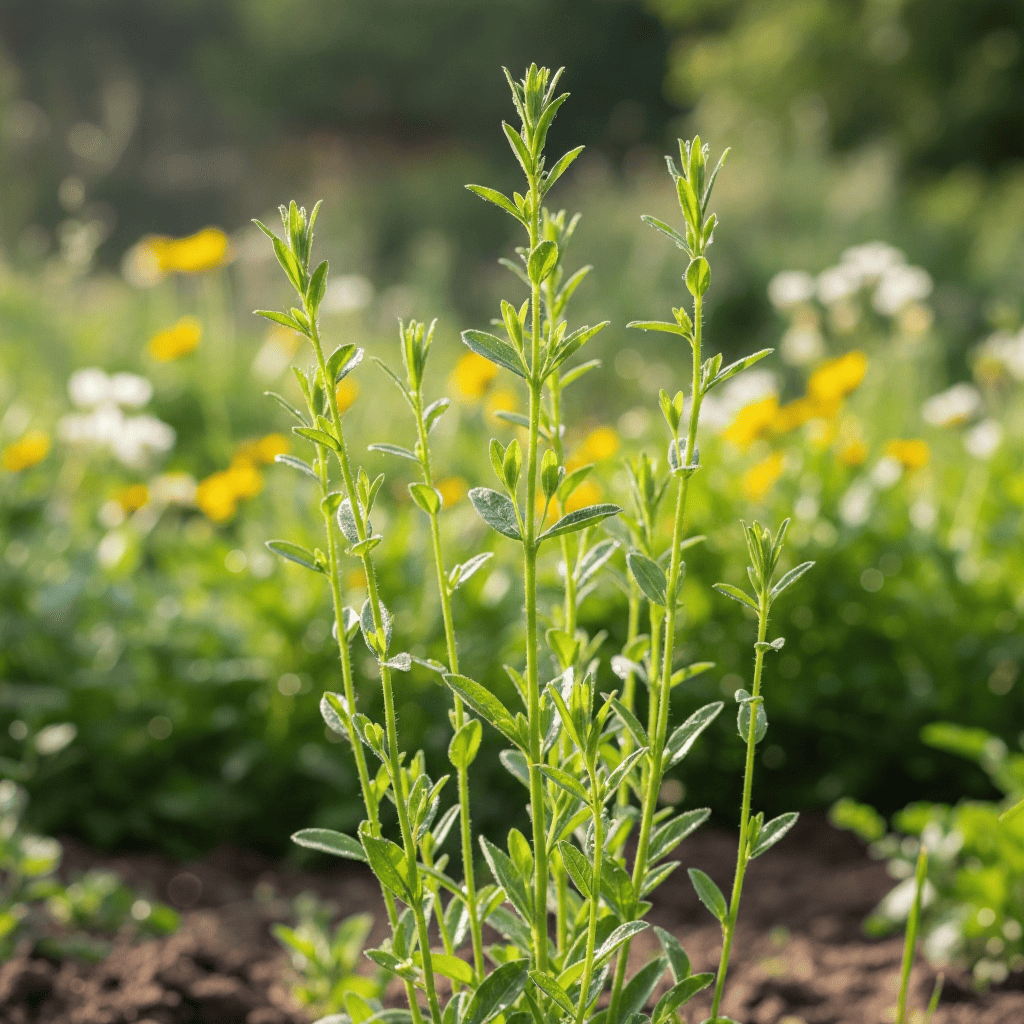
Stalks are characterized by their long, firm stems (stalks) that grow upward from the ground and support leaves, flowers, or fruits. These stalks are strong yet flexible, allowing the plant to stand tall while swaying with the wind.
Some stalky plants have woody stalks (like bamboo), while others have soft, green stalks (like sunflowers or corn). Their structure helps them reach sunlight efficiently and makes them ideal for creating layers and height in garden designs.
Why Choose Stalky Plants for Your Garden
Stalky plants offer both beauty and function. Here are some key reasons to include them in your garden or indoor plant collection:
1. Add Height and Dimension
They provide vertical interest, breaking the monotony of flat, low-growing plants.
2. Support Pollinators
Many stalky flowering plants attract bees, butterflies, and hummingbirds.
3. Easy to Grow
Most stalky plants are hardy and require minimal care once established.
4. Versatile Uses
They fit beautifully in outdoor gardens, pots, or as indoor statement plants.
5. Natural Air Purifiers
Some is like peace lilies and snake plants, also help clean indoor air.
Characteristics of Stalky Plants
| Feature | Description |
|---|---|
| Stem Type | Long and upright, either green and flexible or woody and firm |
| Growth Pattern | Vertical growth with strong structural support |
| Leaf Type | Often large, elongated, or clustered around the stalk |
| Light Needs | Usually full to partial sunlight |
| Water Needs | Varies by species, but most prefer moist, well-drained soil |
| Propagation | Commonly grown from cuttings, seeds, or divisions |
Types of Stalky Plants
Stalky plants can be divided into several main types based on their structure and purpose:
1. Flowering Stalky Plants
These are plants that produce tall flower stalks, adding height and color to gardens.
Examples:
- Sunflower (Helianthus annuus)
- Hollyhock (Alcea rosea)
- Gladiolus
- Delphinium
- Foxglove (Digitalis purpurea)
2. Foliage Stalky Plants
Known for their lush leaves and striking upright stems, these plants bring texture and greenery.
Examples:
- Snake Plant (Sansevieria trifasciata)
- Peace Lily (Spathiphyllum)
- Corn Plant (Dracaena fragrans)
- Bamboo
- Bird of Paradise (Strelitzia reginae)
3. Edible Stalky Plants
Many vegetables and herbs have edible stalks that are rich in nutrients and flavor.
Examples:
Sugarcane
Celery
Asparagus
Lemongrass
Rhubarb

4. Ornamental Grass-Type Stalky Plants
These plants have narrow, upright stalks that create soft, flowing movement in the wind.
Examples:
- Fountain Grass (Pennisetum setaceum)
- Pampas Grass (Cortaderia selloana)
- Lemon Grass
- Miscanthus
- Cyperus (Umbrella Plant)
5. Indoor Stalky Plants
Perfect for homes and offices, these plants grow upright and make excellent decorative pieces.
Examples:
- Lucky Bamboo
- Areca Palm
- Corn Plant
- Snake Plant
- ZZ Plant (Zamioculcas zamiifolia)
How to Grow and Care for Stalky Plants
It is simple if you follow the basics. Most varieties are adaptable and resilient.
1. Light Requirements
Provide bright, indirect sunlight for indoor plants. Outdoor stalky like sunflowers and bamboo thrive in full sun.
2. Soil Preparation
Use nutrient-rich, well-drained soil. For potted plants, choose a high-quality potting mix with compost or cocopeat for better aeration.
3. Watering
- Keep soil evenly moist, especially for young plants.
- Avoid waterlogging as it can cause root rot.
- Water deeply during dry or hot periods.
4. Fertilization
Feed stalky plants every 4–6 weeks during the growing season with a balanced organic fertilizer or compost.
5. Support and Staking
Tall varieties like sunflowers or delphiniums may need support stakes to prevent bending or breakage.
6. Pruning
Remove dried leaves or dead stalks to encourage new growth and maintain shape.
Common Problems and Solutions
| Problem | Cause | Solution |
|---|---|---|
| Stems bending or breaking | Strong wind or weak growth | Use plant supports or stakes |
| Yellowing leaves | Overwatering or poor drainage | Allow soil to dry slightly between waterings |
| Slow growth | Lack of nutrients | Add compost or liquid fertilizer |
| Pests (aphids, mealybugs) | Common in indoor plants | Use neem oil or mild insecticidal soap |
Best Stalky Plants for Home and Garden
Here’s a quick reference table of some popular it suitable for different spaces:
| Plant Name | Type | Ideal Location | Maintenance |
|---|---|---|---|
| Sunflower | Flowering | Outdoor garden | Easy |
| Snake Plant | Foliage | Indoor/Outdoor | Very Low |
| Celery | Edible | Kitchen garden | Moderate |
| Lucky Bamboo | Indoor decorative | Indoor pots | Low |
| Bamboo | Woody stalk | Outdoor hedge or screen | Moderate |
| Peace Lily | Indoor flowering | Indoors with shade | Low |
| Asparagus | Edible stalk | Outdoor vegetable bed | Moderate |
| Bird of Paradise | Ornamental | Balcony or garden | Moderate |
| Dracaena | Indoor foliage | Indoors | Low |
Propagation of Stalky Plants
You can easily grow new stalky plants from seeds, cuttings, or divisions.

1. From Seeds
Perfect for flowering types like sunflower and gladiolus. Sow seeds in moist soil during spring or summer.
2. From Cuttings
Indoor plants such as lucky bamboo, snake plant, and dracaena grow well from stem cuttings.
3. Division
Perennial grasses and plants like lemongrass can be divided and replanted to grow new clumps.
Uses of Stalky Plants
- Decorative Purpose: Add structure and visual interest to any garden.
- Privacy and Screening: Tall stalky plants like bamboo can act as natural screens.
- Air Purification: Indoor varieties absorb toxins and improve air quality.
- Culinary Uses: Edible stalks like celery and asparagus enrich your kitchen garden.
- Wildlife Attraction: Flowering stalks attract pollinators, improving biodiversity.
Tips for Healthy Growth
- Choose the right plant for your space and light conditions.
- Don’t overwater, most stalky prefer slightly dry soil between watering.
- Prune regularly to remove damaged stalks and encourage new shoots.
- Repot indoor plants every 1–2 years for healthy root growth.
- Add mulch around outdoor plants to retain moisture and suppress weeds.
Frequently Asked Questions (FAQs)
It is used for decoration, privacy screening, air purification, and even as edible vegetables like celery and asparagus.
Yes, most stalky are hardy and low-maintenance. They only need proper sunlight, moderate watering, and well-drained soil.
Lucky bamboo, snake plant, peace lily, and dracaena are excellent indoor stalky plants that thrive in indirect light.
Depending on the species, it can range from a few inches (like small dracaenas) to several feet tall (like bamboo or sunflowers).
Provide enough sunlight for strong growth, water moderately, and use small garden stakes for tall or delicate varieties.
Conclusion
Stalky plants bring a unique balance of height, structure, and elegance to any green space. From tall flowering species like sunflowers to indoor favorites like lucky bamboo and snake plants, they are versatile, beautiful, and surprisingly easy to maintain.
Whether you’re growing them in pots, borders, or large garden beds, these upright beauties can transform your home and garden into a lush, thriving oasis.