
The Wandering Jew plant, known for its striking foliage and easy-growing nature, is one of the most beloved houseplants for both beginners and seasoned gardeners. Its colorful leaves, which can range from deep purple and silver to green and pink, add a bold touch to any indoor or outdoor space. But to keep this beauty thriving, it’s important to understand proper wandering jew plant care, from light and watering needs to soil and humidity preferences.
This detailed guide covers everything you need to know about wandering jew plant care, including how to grow it indoors or outdoors, how to maintain its bright colors, and how to troubleshoot common issues.
Understanding the Wandering Jew Plant

The term “Wandering Jew” refers to several species of Tradescantia, including Tradescantia zebrina, Tradescantia fluminensis, and Tradescantia pallida. These tropical plants are native to Central and South America and are known for their trailing vines and vibrant foliage.
Depending on the variety, leaves may feature purple, silver, green, or pink stripes. They grow quickly and can either trail beautifully from hanging baskets or spread as ground cover outdoors in warm climates.
Light Requirements
Light plays a key role in wandering jew plant care indoors and outdoors.
- Indoors: Place your plant near a bright window with indirect sunlight. Too little light will cause faded leaves and leggy stems.
- Outdoors: If growing outdoors, choose a spot that gets partial shade. Direct sun can scorch the leaves, while deep shade will dull their color.
A bright, filtered light source helps the purple wandering jew plant maintain its vivid hue and glossy texture.
Soil and Potting
The Wandering Jew thrives in well-draining, fertile soil. A mix designed for houseplants, typically containing peat moss, perlite, and compost, is ideal.
For wandering jew plant care indoor, make sure your pot has proper drainage holes to prevent waterlogging. If you’re growing the plant outdoors in the ground, amend the soil with organic matter to improve aeration and nutrient levels.
Watering Needs
Proper watering is essential for healthy growth and vibrant foliage.
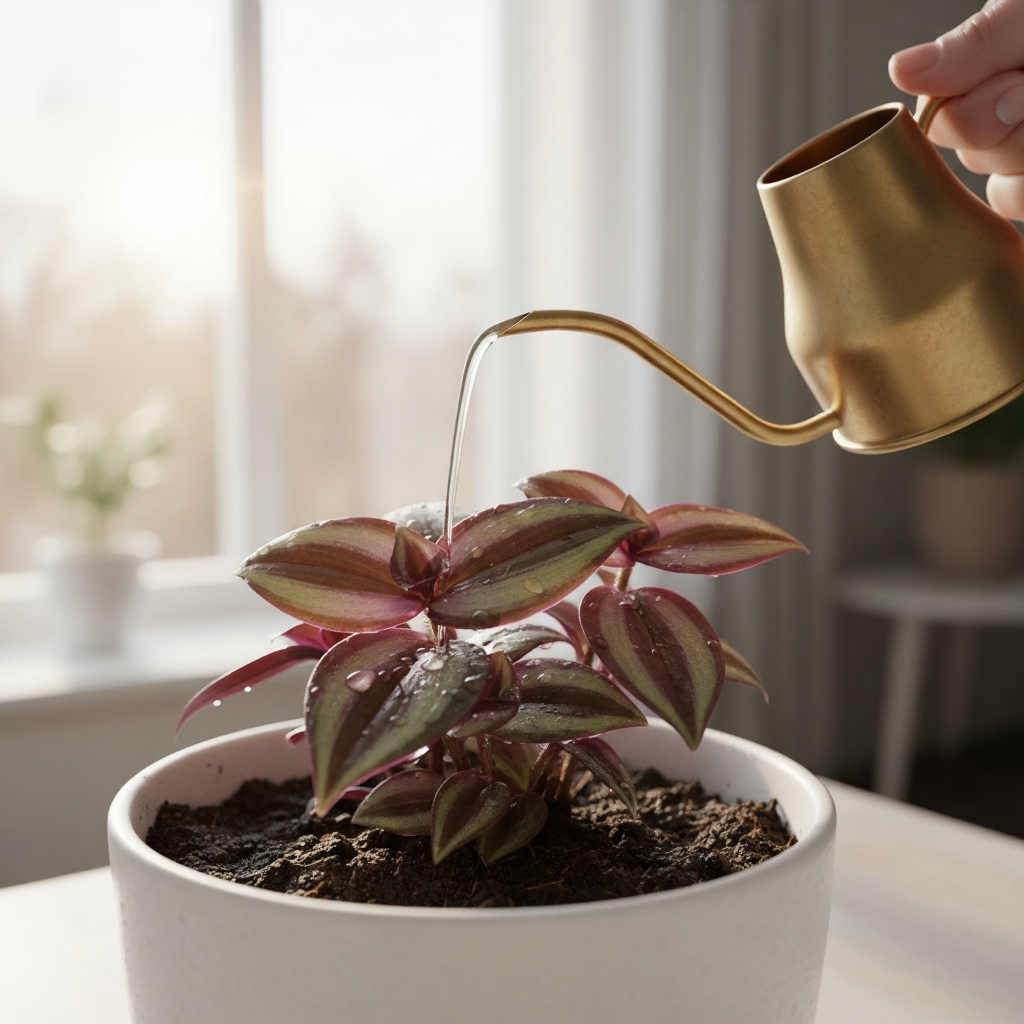
- Watering Frequency: The wandering jew plant care watering routine should involve keeping the soil slightly moist but never soggy. Overwatering can lead to root rot, while letting it dry out completely can cause leaf edges to crisp.
- Indoors: Water when the top inch of soil feels dry.
- Outdoors: In hot climates, you may need to water more frequently, especially for purple heart wandering jew plant care or similar varieties exposed to sunlight.
Always use room-temperature water, and avoid letting the plant sit in standing water.
Temperature and Humidity
The Wandering Jew prefers warm, humid conditions similar to its tropical origins.
- Ideal Temperature: Between 60°F and 80°F (15°C to 27°C).
- Humidity: Moderate to high humidity is best. If your indoor air is dry, mist the leaves occasionally or place a humidity tray beneath the pot.
During winter, avoid cold drafts or placing the plant near heating vents, as both can damage the foliage.
Fertilization
To keep your wandering jew plant growing lush and colorful, fertilize it regularly during the active growing season (spring to early fall).
- Use a balanced, water-soluble fertilizer every 4–6 weeks.
- Avoid overfertilizing, as excess nutrients can lead to leaf burn.
Suspend fertilizing in winter when growth naturally slows down.
Pruning and Maintenance
The Wandering Jew grows quickly, often becoming leggy if left unchecked. Regular pruning encourages fuller, bushier growth.
- Trim long stems to shape the plant and promote branching.
- Pinch off dead or faded leaves to keep it looking neat.
- You can easily propagate cuttings in water or soil, making it one of the easiest plants to multiply.
Pruning also helps maintain the vivid coloration in varieties like the purple wandering jew plant and pink wandering jew plant.
Wandering Jew Plant Care Indoors
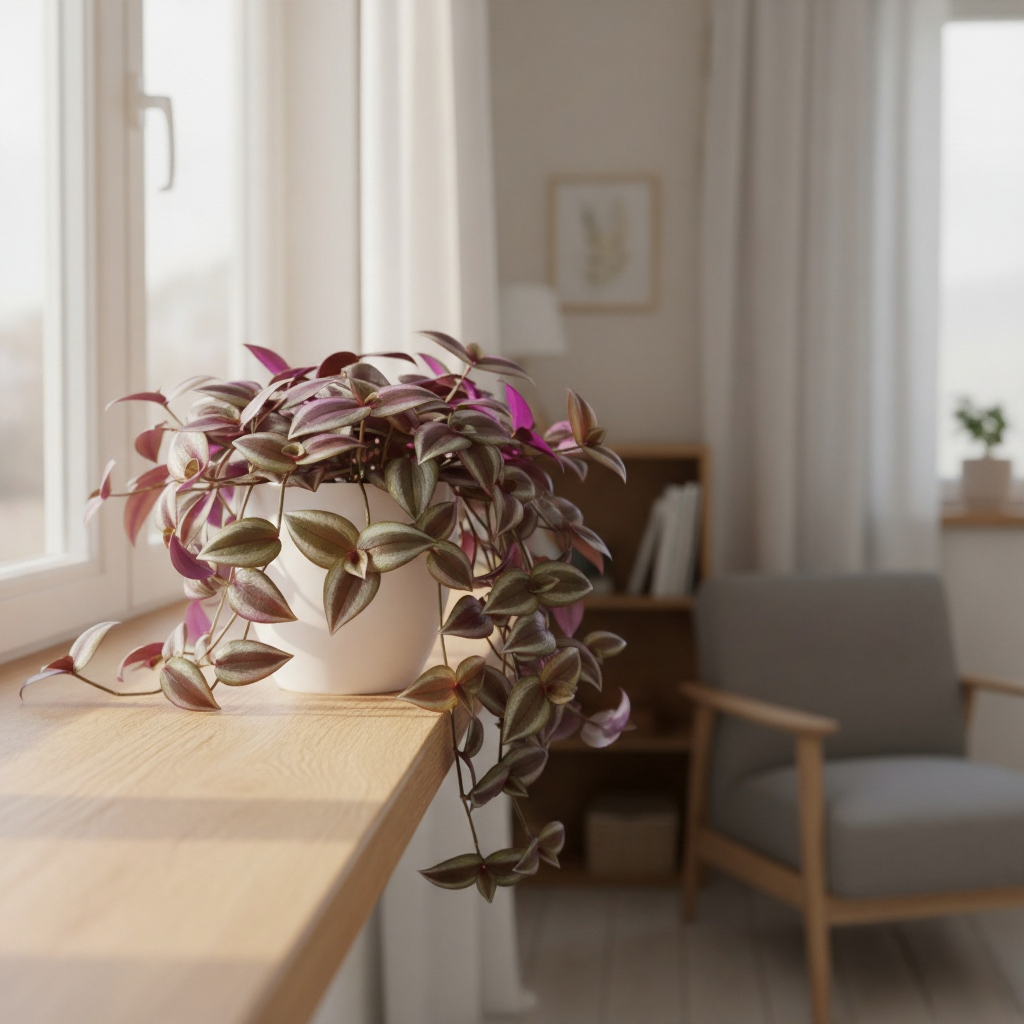
When grown indoors, Wandering Jew plants can thrive year-round with the right attention:
- Provide bright, indirect sunlight.
- Keep the soil evenly moist but not waterlogged.
- Mist occasionally for humidity.
- Rotate the pot every few weeks to ensure even growth.
If your wandering jew plant indoor starts losing color, move it closer to a light source or supplement with grow lights.
Wandering Jew Plant Care Outdoor
In warmer climates (USDA Zones 9–12), Wandering Jew can be grown outdoors as ground cover or in hanging baskets.
For wandering jew plant care outdoor:
- Choose a location with partial shade.
- Ensure soil drains well after rainfall.
- Protect from frost, these plants are sensitive to cold and will die back if exposed to freezing temperatures.
In tropical or subtropical regions, they can spread quickly, so monitor growth to prevent them from becoming invasive.
Varieties and Their Unique Care Needs
Each color variation of the Wandering Jew plant brings a different aesthetic to your space and may have slightly different care preferences.
1. Purple Wandering Jew Plant (Tradescantia pallida)
Known for its rich, deep purple leaves, this variety thrives in bright, indirect light. Too little light will fade the purple color, while too much direct sunlight can cause leaf burn.
2. Pink Wandering Jew Plant (Tradescantia fluminensis ‘Tricolor’)
This beautiful variety features pink, white, and green striped leaves. It needs consistent moisture and moderate light to maintain its colorful tones.
3. Green Wandering Jew Plant (Tradescantia fluminensis)
A hardy and fast-growing version with all-green foliage, it’s great for lower light areas and easy to maintain indoors.
4. Purple Heart Wandering Jew Plant (Tradescantia pallida ‘Purpurea’)
A bolder variety ideal for outdoor gardens or large pots. It loves bright conditions and slightly drier soil.
Common Problems and Solutions
Even with proper care, your wandering jew plant may face a few common issues:
| Problem | Cause | Solution |
|---|---|---|
| Faded color | Too little light | Move to a brighter location |
| Yellow leaves | Overwatering | Allow soil to dry before watering again |
| Leggy stems | Lack of pruning | Trim stems to promote bushy growth |
| Dry leaf tips | Low humidity | Increase humidity or mist regularly |
Propagation

The Wandering Jew is one of the easiest plants to propagate. Simply take stem cuttings that are 4–6 inches long and remove the lower leaves. Place them in water or moist soil, and they’ll root within a week or two.
Propagation works great for all types, purple, pink, or green wandering jew plants, and helps you expand your indoor garden effortlessly.
Final Tips for Healthy Growth
- Rotate your plant regularly for even growth.
- Avoid cold drafts and overwatering.
- Use clean, sharp scissors when pruning.
- Repot every 1–2 years to refresh the soil.
By following these steps, your wandering jew plant care routine will ensure lush, colorful growth year-round, whether indoors or outdoors.
FAQs About Wandering Jew Plant Care
Water when the top inch of soil feels dry. Avoid letting the plant sit in water.
Only in warm climates. In colder regions, it should be brought indoors before frost.
Insufficient light is the main cause. Move it to a brighter area for more vibrant foliage.
Yes, the sap can cause mild irritation if ingested by cats or dogs. Keep it out of reach of pets.
Prune long stems regularly and pinch back new growth to encourage branching.
Final Thoughts
The Wandering Jew is one of the most eye-catching and rewarding houseplants you can grow. With the right wandering jew plant care, proper watering, bright light, and occasional pruning, you can enjoy its stunning colors and trailing vines year-round. Whether you grow it indoors as a decorative houseplant or outdoors for a splash of color, this plant’s versatility and beauty make it a must-have for any gardener.