
If you’re looking to add some green life to your home without the fuss of high-maintenance plants, cacti are your perfect companions. From my experience of growing indoor Cactus Plants for over eight years, I can confidently say that cacti are among the most forgiving and rewarding houseplants you can choose. They’re not just survivors – they’re stunning conversation starters that bring a touch of desert charm to any space.
One mistake I made early on was thinking all cacti were the same. Trust me, each variety has its own personality and care requirements. Whether you’re a complete beginner or someone who’s killed more plants than they’d like to admit, this guide will introduce you to the top 10 indoor cactus plants that are practically foolproof.
Why Choose Indoor Cactus Plants?
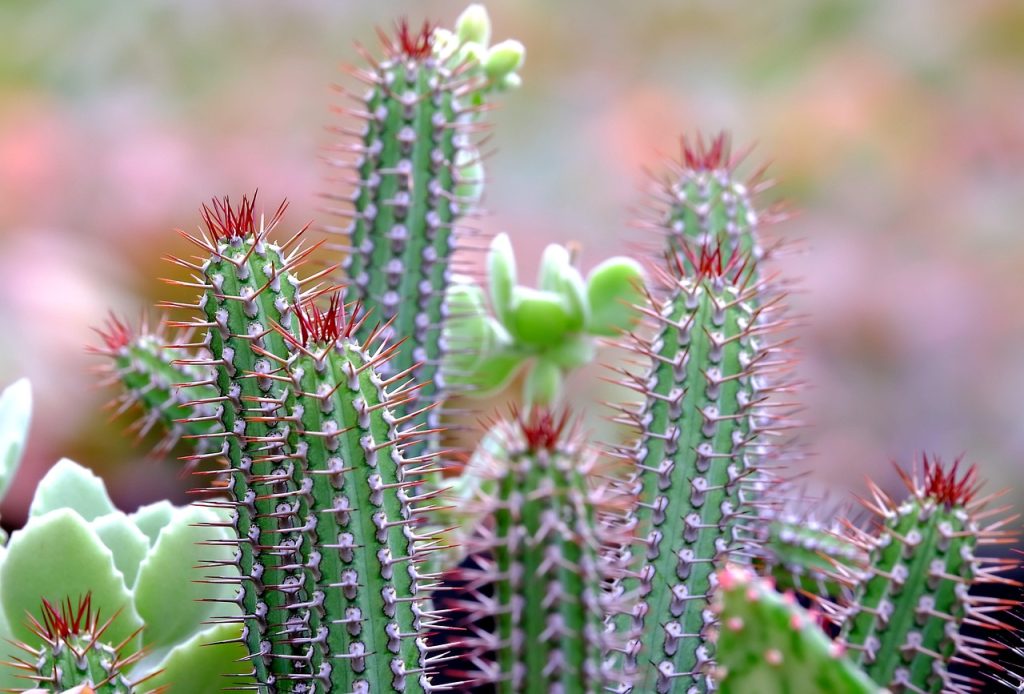
Before diving into our top picks, let me share why indoor cacti have become my go-to recommendation for new plant parents. These desert dwellers are incredibly low-maintenance, requiring minimal watering and thriving in bright light, which many homes naturally provide. Unlike tropical houseplants that demand consistent humidity and frequent attention, cacti actually prefer a bit of neglect.
From my experience, the biggest advantage is their forgiveness. Forgot to water for three weeks? No problem. Going on vacation? Your Cactus Plants will be perfectly fine. Plus, they come in fascinating shapes, sizes, and even produce surprising blooms that’ll leave your guests amazed.
Top 10 Indoor Cactus Plants for Your Home
1. Christmas Cactus (Schlumbergera)
Despite its name, this beauty isn’t your typical spiky Cactus Plants. The Christmas cactus has flat, segmented stems and produces gorgeous pink, red, or white flowers during winter months. I’ve had mine for four years, and it blooms reliably every December, creating a stunning holiday display.
This variety prefers slightly more water than desert cacti and enjoys indirect bright light. It’s perfect for beginners because it clearly shows when it needs water – the segments become slightly wrinkled.
2. Barrel Cactus (Echinocactus grusonii)
The barrel cactus plant is exactly what most people picture when they think “cactus.” Its round, ribbed shape and golden spines make it a striking focal point. One mistake I made with my first barrel cactus was overwatering – these plants can go months without water indoors.
Place it in your sunniest window, and you’ll have a happy plant that grows slowly but surely into an impressive specimen.
3. Prickly Pear Cactus (Opuntia)
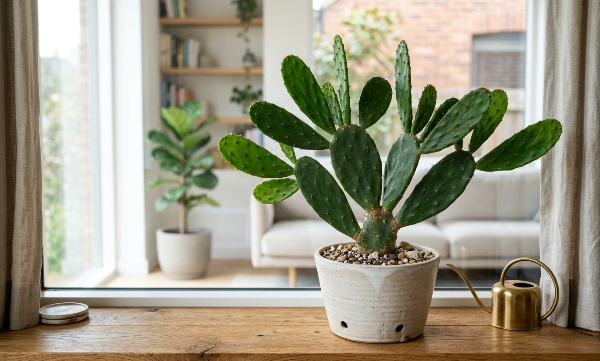
With its distinctive paddle-shaped segments, the prickly pear adds architectural interest to any room. Mine has grown from a single pad to a multi-branched beauty over three years. The flat segments make it easy to propagate – just let a pad dry for a few days and plant it.
This variety is extremely drought-tolerant and can handle cooler temperatures better than many other cacti.
4. Star Cactus (Astrophytum)
The star cactus plant gets its name from its distinctive star-shaped pattern when viewed from above. These slow-growing beauties are covered in tiny white spots that give them an almost otherworldly appearance. From my experience, they’re conversation starters that never fail to impress visitors.
They prefer very well-draining soil and minimal water, making them perfect for forgetful plant parents.
5. Old Man Cactus (Cephalocereus senilis)
This charming cactus plant looks like it’s wearing a white, fuzzy coat. The long, silky spines create a soft appearance that’s unique among cacti. I love how mine adds texture and visual interest to my plant collection without taking up much space.
The “hair” helps protect the plant from intense sunlight, so it can handle bright indoor conditions beautifully.
6. Moon Cactus (Gymnocalycium mihanovichii)
These colorful, ball-shaped cacti come in vibrant reds, yellows, and pinks. They’re actually two cacti grafted together – the colorful top cannot survive on its own. While they’re not as long-lived as other varieties, they make excellent starter plants and add instant color to your space.
Keep them in bright, indirect light and water sparingly for best results.
7. Hedgehog Cactus plant(Echinocereus)
Don’t let the name fool you – these cacti are adorable rather than intimidating. They form small clusters and produce stunning magenta flowers in spring. Mine surprised me with its first bloom after two years, and now it’s become an annual highlight.
They prefer cooler winter temperatures, which makes them perfect for most homes during the colder months.
8. Fishhook Cactus (Ferocactus)
Named for their curved, hook-like spines, these cacti are both beautiful and formidable. The geometric pattern of their spines creates stunning shadows, making them living sculptures. From my experience, they’re incredibly low-maintenance once you find the right spot.
They love full sun and very infrequent watering – perfect for sunny windowsills.
9. Bishop’s Cap (Astrophytum myriostigma)
This spineless cactus resembles a bishop’s cap or sea urchin. Its five-ribbed structure and dotted surface make it a unique addition to any collection. One thing I appreciate about this variety is its safety around children and pets because it lacks spines.
It grows slowly but develops into an impressive specimen over time.
10. Rat Tail Cactus (Aporocactus flagelliformis)
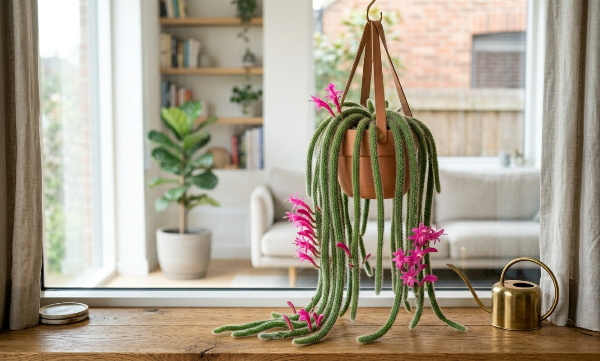
Perfect for hanging baskets, this trailing cactus produces long, rope-like stems covered in small spines. In spring, it rewards you with bright pink flowers along its trailing stems. I’ve found it’s excellent for adding vertical interest to plant displays.
It appreciates slightly more water than upright cacti and creates stunning cascading displays.
Essential Care Tips for Indoor Cacti
| Care Aspect | Requirement | Frequency |
|---|---|---|
| Watering | Deep but infrequent | Every 2-4 weeks |
| Light | Bright, direct sunlight | 6+ hours daily |
| Soil | Well-draining cactus mix | Repot every 2-3 years |
| Temperature | 65-80°F (18-27°C) | Year-round |
| Fertilizer | Low-nitrogen cactus fertilizer | Monthly in growing season |
Common Mistakes to Avoid
From my years of growing cacti, the biggest mistake people make is overwatering. These plants store water in their stems and can survive extended dry periods. Always check that the soil is completely dry before watering again.
Another common error is placing cacti in low-light areas. Most indoor cacti need bright, direct sunlight to thrive. A south-facing window is usually ideal.
FAQs
How often should I water my indoor cactus?
Water your indoor cactus plant only when the soil is completely dry, typically every 2-4 weeks depending on your home’s humidity and temperature. During winter, you can extend this to 6-8 weeks. From my experience, it’s better to underwater than overwater cacti.
Can indoor cacti survive in low light conditions?
Most cacti need bright, direct sunlight for at least 6 hours daily. However, some varieties like Christmas cactus plant can tolerate bright indirect light. If you don’t have adequate natural light, consider using grow lights to supplement.
Do indoor cacti need special soil?
Yes, cacti require well-draining soil to prevent root rot. Use a commercial cactus plant potting mix or create your own by mixing regular potting soil with sand and perlite. Good drainage is essential for healthy cacti.
Conclusion
Growing indoor cacti has been one of my most rewarding plant experiences. These resilient beauties offer stunning variety, minimal maintenance, and the satisfaction of successfully caring for unique desert plants. Start with one or two varieties from this list, and I guarantee you’ll soon be adding more to your collection. Remember, patience and restraint with watering are your keys to cactus plant success!