
Pet friendly indoor plants are a great way to bring life, softness, and color into your home without creating unnecessary worry for your cats or dogs. For many plant lovers, the goal is not just to make a room look better, but to create a space that feels calm and safe for every member of the household. That is why choosing pet friendly indoor plants matters so much, especially if you have curious pets that like to sniff, chew, or explore.
A lot of people think this topic is only about avoiding toxic species, but it goes a little deeper than that. The best pet friendly indoor plants are also practical, easy to maintain, and less likely to cause trouble if a pet brushes against them or takes a small nibble. When you choose the right plants, you get the beauty of indoor greenery without turning every leaf into a source of stress.
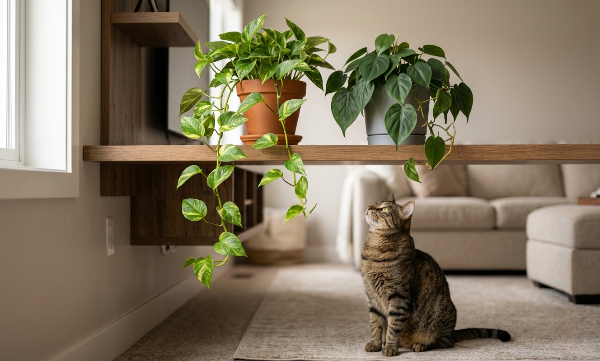
One more thing matters here, pet friendly indoor plants are not only about safety, they are also about fit. A plant that is safe but constantly dying in your room is still not a good choice. The best options are safe, attractive, and realistic for your home light, humidity, and daily routine.
What Makes a Plant Pet Friendly
Pet friendly indoor plants are generally plants that are considered non-toxic to cats and dogs. That does not mean every plant is edible or harmless in every situation, but it does mean the plant is far less likely to cause serious harm if it is touched or lightly chewed. For households with pets, that difference makes indoor gardening much easier to enjoy.
It is also important to remember that “pet friendly” does not mean “pet-proof.” Some animals still chew leaves out of curiosity, dig in soil, or knock over pots with their tails. Even when the plant itself is safe, the setup still needs to work for the pet, the plant, and the room.
Why Pet Owners Need Careful Selection
If you live with animals, plant shopping should always include a safety check. A plant that looks beautiful in a store may not be a good fit for a home with pets. Choosing pet friendly indoor plants lowers the chance of accidental problems and helps you build a collection you can actually relax around.
This matters even more if you have young pets or active animals. Kittens, puppies, and playful adult pets often explore with their mouths, and that can turn a regular houseplant into a concern. A little research before buying saves a lot of trouble later.
Best Plant Traits to Look For
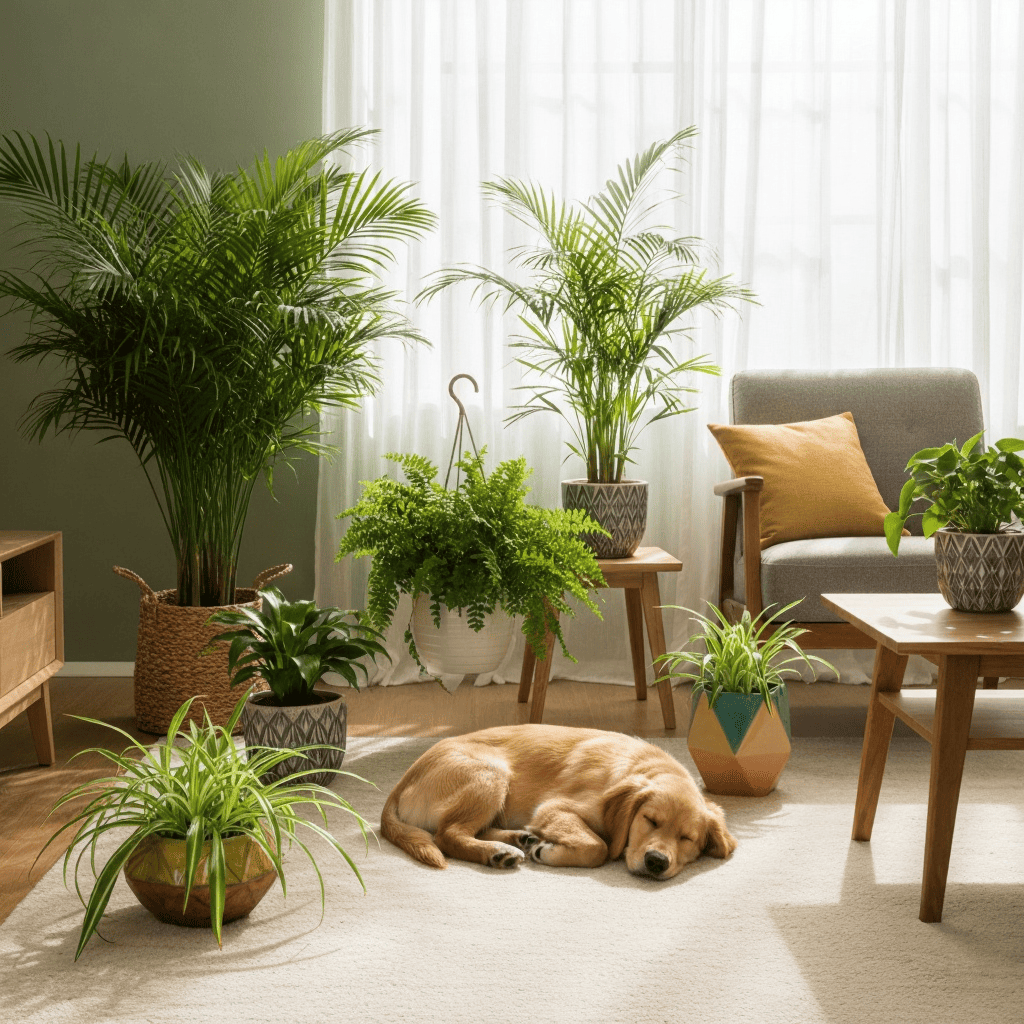
The best pet friendly indoor plants usually share a few helpful traits. They are often non-toxic, fairly easy to care for, and not so fragile that a small bump ruins the plant. Many also have soft leaves or compact growth habits that make them easier to place around a busy home.
It also helps when the plant fits common indoor conditions. A safe plant that constantly struggles in your space will not stay healthy for long. The ideal choice is one that is both pet conscious and realistic for your light, humidity, and daily routine.
Good Safe Choices
There are many pet friendly indoor plants worth considering, and some are especially popular because they look good and grow well indoors. Spider plant is one of the most common choices because it is tough, easy to maintain, and works well in hanging baskets. Parlor palm is another excellent option if you want a softer, more elegant look.
Areca palm is a strong pick for a fuller tropical feel, while Boston fern is often chosen for homes with a bit more humidity. Calathea varieties are also loved for their patterned leaves and decorative appearance. These plants can help you build a room that feels lush without adding unnecessary safety concerns.
Quick Comparison Table
| Plant | Look | Care Level | Best Feature |
|---|---|---|---|
| Spider plant | Arching green leaves | Easy | Great for beginners |
| Parlor palm | Soft tropical look | Easy to moderate | Calm, elegant style |
| Areca palm | Full and airy | Moderate | Adds height and volume |
| Boston fern | Feathery and lush | Moderate | Loves humidity |
| Calathea | Bold patterned leaves | Moderate | Decorative foliage |
If you want one easy comparison point, pet friendly indoor plants like spider plant and parlor palm usually fit much better into a family home than many trendy but risky houseplants.
Light and Placement
Even safe plants still need the right location. Pet friendly indoor plants will not thrive if they are placed in the wrong light, so it is important to match the species to the room. Some do well near bright windows, while others prefer softer filtered light.
Placement also helps with safety. Hanging planters, plant stands, and high shelves can keep plants out of reach while still giving them the light they need. This setup is especially useful if your pet likes to bat at leaves or dig in soil.
Best Places to Keep Them
- Near an east-facing window with gentle morning light.
- On a shelf that is high enough to stay out of reach.
- In a hanging basket where pets cannot easily touch the leaves.
- In a bright room with indirect sunlight and stable temperature.

Soil and Pot Setup
A healthy plant starts with the right pot and mix. Use a well-draining potting mix so roots do not sit in water for too long, even if the plant is non-toxic. A pot with drainage holes is important because wet roots can damage any houseplant, safe or not.
The pot itself should also be stable. A lightweight container can tip over easily if a cat jumps nearby or a dog bumps the stand. Heavier pots or wide-bottom containers are often a better choice in homes with pets.
Common Mistakes to Avoid
One common mistake is assuming every non-toxic plant is completely harmless in every situation. Some pet friendly indoor plants can still cause mild stomach upset if eaten in large amounts. That is why supervision and smart placement still matter.
Another mistake is choosing a plant only because it is safe, while ignoring its care needs. A plant that is pet friendly but constantly unhealthy will not be a good long-term option. It is better to find a plant that is safe, easy to grow, and suited to your space.
- Do not place tempting trailing leaves within easy reach of cats.
- Do not use unstable pots that pets can knock over.
- Do not assume all safe plants are safe to chew in large amounts.
- Do not buy a plant without checking its light needs first.
Pet Safe and Stylish
Many people worry that pet friendly indoor plants will limit their decorating options, but that is not really true. There are plenty of beautiful plants that are safe enough for most homes with cats and dogs. The key is balancing style with practicality.
If you want a softer, calmer look, palm types and ferns can work well. If you want more texture and movement, spider plants are excellent. For patterned foliage, calathea varieties can add visual interest without making the room feel risky.
Simple Care Tips

If you want your pet friendly indoor plants to stay healthy, keep the care routine simple and steady.
- Check the soil before watering.
- Keep the plant in the right light.
- Use a pot with drainage holes.
- Rotate the plant if one side leans toward the window.
- Keep leaves clean so the plant can breathe well.
This short routine works well for beginners because it keeps the plant strong without making care feel complicated.
FAQs
What are some common pet friendly indoor plants?
Spider plant, parlor palm, areca palm, Boston fern, and many calathea varieties are popular choices. These are often selected because they are generally considered safer for cats and dogs.
Are pet friendly indoor plants completely safe if my pet eats them?
Not always. Pet friendly usually means non-toxic or lower risk, but eating any plant can still upset a pet’s stomach. It is still best to prevent chewing.
Can pet friendly indoor plants still be a problem for pets?
Yes, especially if the pet knocks over the pot or eats a large amount. Safe plants should still be placed carefully and monitored.
Which pet friendly indoor plants are easiest for beginners?
Spider plant and parlor palm are often good beginner options. They are forgiving, attractive, and work well in many homes.
Do pet friendly indoor plants need special care?
Most do not need special care beyond regular houseplant attention. Good light, proper watering, and a draining pot matter most.
Can I keep pet friendly indoor plants in low light?
Some can tolerate lower light better than others, but each plant has its own needs. Always check the light preference before placing it in a dim room.
Should I still use hanging planters with pet friendly indoor plants?
Yes, hanging planters are often a smart idea because they protect both the plant and the pet. They also help the plant get better light in many rooms.
Conclusion
Pet friendly indoor plants are one of the easiest ways to enjoy a greener home while keeping your pets in mind. When you choose the right plants, place them well, and care for them properly, you can build a space that feels beautiful and calm.
The best approach is simple, choose safe plants, match them to your room, and keep the setup practical for your pets. That way, your indoor garden stays enjoyable instead of stressful.
Happy planting!