
Ever walked into a hotel room with lush greenery and immediately felt more relaxed? That’s not just aesthetics at work. The right bedroom plants can transform your sleeping space from a generic resting spot into a calming sanctuary that actively improves your sleep quality and health.
I’ve spent the last five years testing different plants in various bedroom setups, from cramped studio apartments to spacious master suites. Some plants thrived and made my mornings feel brighter. Others? Let’s just say my cat and I both learned valuable lessons about toxicity and placement the hard way.
Here’s what I’ve learned: picking the best plants for bedroom spaces isn’t about grabbing whatever looks pretty at Home Depot. It’s about matching specific plants to your bedroom’s unique conditions (light levels, temperature, your sleep schedule) and your personal needs (air purification, humidity, aromatherapy, or simply something green to wake up to).
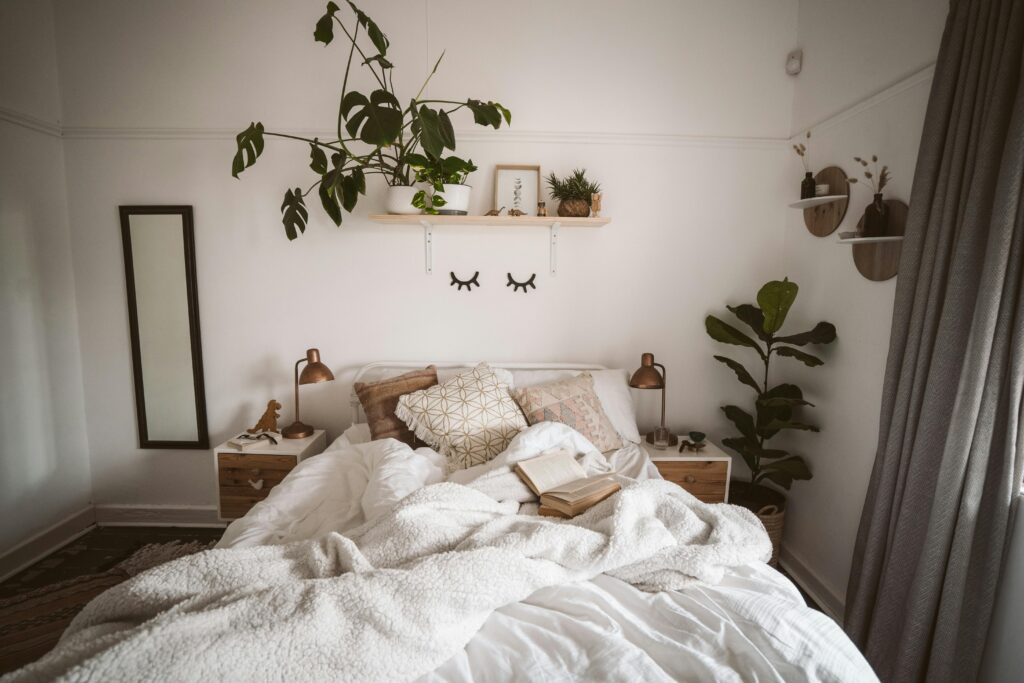
This guide walks you through nine proven bedroom plants that deliver on their promises, plus the critical factors to consider before bringing any greenery into your sleep space.
Why Your Bedroom Needs Plants (Beyond Just Aesthetics)
Before diving into specific plant recommendations, let’s talk about why this matters. NASA’s Clean Air Study found that certain houseplants can remove up to 87% of air toxins in 24 hours. Your bedroom, where you spend roughly one-third of your life, accumulates volatile organic compounds (VOCs) from furniture, paint, carpets, and cleaning products.
Plants work as natural air purifiers by absorbing carbon dioxide and releasing oxygen. Some species, like snake plants, even reverse this process at night through a special type of photosynthesis called CAM (Crassulacean Acid Metabolism), making them ideal bedroom companions.
Beyond air quality, bedroom plants increase humidity levels. During winter months when central heating reduces indoor humidity to desert-like conditions (often below 30%), plants release moisture through transpiration. This helps prevent dry skin, irritated sinuses, and that scratchy throat you wake up with on cold mornings.
The psychological benefits matter too. A 2015 study published in the Journal of Physiological Anthropology found that interacting with indoor plants can reduce both physiological and psychological stress. Even just looking at greenery before bed can lower cortisol levels and heart rate.
Key Factors: Matching Plants to Your Bedroom Reality
- Light Availability
- Most bedrooms fall into the low to medium light category. If your room gets less than 2-3 hours of indirect sunlight daily, you’re working with low light conditions. East-facing windows provide gentle morning sun (medium light), while south-facing windows offer the brightest exposure.
- Don’t assume every plant needs a sunny windowsill. Many of the best plants for bedroom environments actually prefer indirect light and will scorch under direct sun.
- Most bedrooms fall into the low to medium light category. If your room gets less than 2-3 hours of indirect sunlight daily, you’re working with low light conditions. East-facing windows provide gentle morning sun (medium light), while south-facing windows offer the brightest exposure.
- Temperature Fluctuations:
- Bedrooms typically experience temperature drops at night (ideal for sleep is 60-67 degrees F or 15-19 degrees C). Most tropical houseplants handle this well, but avoid placing plants directly next to heating vents or air conditioning units where temperature swings are extreme.
- Humidity Levels
- If you wake up with dry skin or static-filled hair, your bedroom humidity is probably below 40%. Some plants (ferns, calatheas) demand humidity above 50%, making them poor bedroom choices unless you’re running a humidifier. Stick with plants that tolerate standard home humidity of 30-50%.
- Pet Safety
- This is non-negotiable if you share your bedroom with cats or dogs. According to ASPCA Poison Control, common houseplants like pothos and peace lilies are toxic to pets. Always verify toxicity status before introducing any plant to your bedroom.
- Your Sleep Schedule
- Night shift workers need different plants than 9-to-5 sleepers. If you sleep during daylight hours, avoid plants that require bright light positioning near windows where external light and street noise might disturb you.
The 9 Best Plants for Bedroom Spaces
1. Snake Plant (Sansevieria trifasciata) – The Night Oxygen Producer
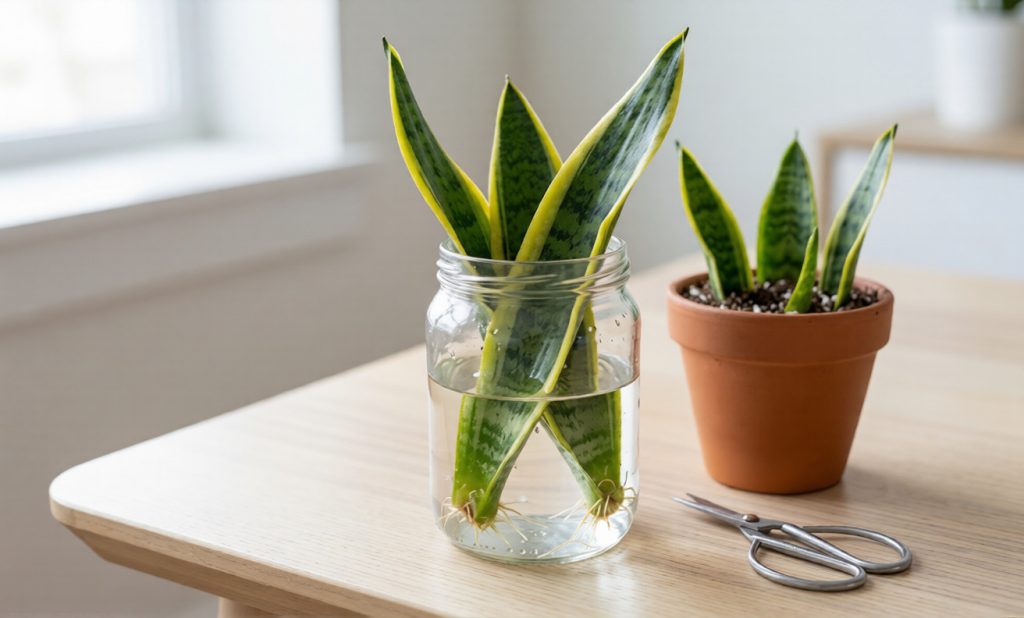
If you can only have one bedroom plant, make it a snake plant. Unlike most plants that release carbon dioxide at night, snake plants continue producing oxygen after dark through CAM photosynthesis. This makes them uniquely suited for enclosed sleeping spaces.
Why It Works for Bedrooms: Snake plants tolerate extreme neglect. They handle low light, infrequent watering, and temperature ranges from 55-85 degrees F (13-29 degrees C). You can literally forget about them for two weeks and they’ll look the same.
I keep a tall snake plant in the corner of my bedroom where it gets zero direct sunlight. It’s been there for three years, watered maybe once a month, and hasn’t shown a single yellow leaf.
Placement Tips: Position anywhere from full shade to bright indirect light. Avoid overwatering (the #1 killer of snake plants). In winter, water once every 4-6 weeks. In summer, every 2-3 weeks is plenty.
The Catch: Moderately toxic to pets according to ASPCA. Causes nausea and vomiting if ingested. Keep on high shelves or closed-off areas if you have curious cats or dogs.
2. Pothos (Epipremnum aureum) – The Beginner’s Best Friend
Pothos vines are nearly indestructible and grow fast enough that you’ll see visible progress within weeks. They filter formaldehyde, benzene, and carbon monoxide from bedroom air while requiring minimal maintenance.
Why It Works for Bedrooms: Pothos thrive in low to medium light, making them perfect for bedrooms with north-facing windows or no windows at all. They drape beautifully from shelves or hanging planters, adding vertical interest without taking up floor space in smaller bedrooms.
One pothos plant can produce vines extending 10-20 feet (3-6 meters) within a year if conditions are right. I’ve trained mine along a curtain rod, creating a living green frame around my bedroom window.
Placement Tips: Hang from ceiling hooks, place on tall dressers, or let them trail from floating shelves. Water when the top 2 inches (5 cm) of soil feel dry. They’ll tell you when they’re thirsty by drooping slightly.
The Catch: Toxic to pets. The calcium oxalate crystals in pothos leaves cause oral irritation and vomiting in cats and dogs. Not suitable for pet owners unless placed completely out of reach.
3. Spider Plant (Chlorophytum comosum) – The Air Quality Champion
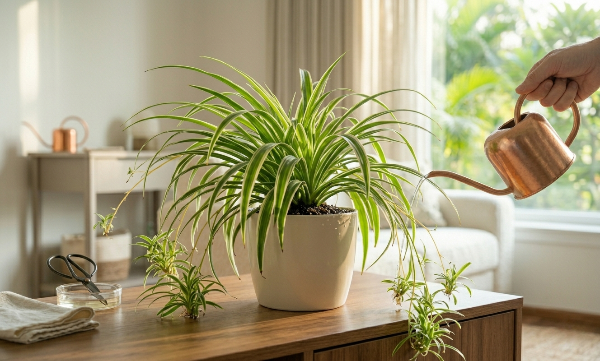
NASA’s Clean Air Study ranked spider plants among the top performers for removing formaldehyde and xylene from indoor air. They’re also one of the few excellent bedroom plants that are completely safe for pets.
Why It Works for Bedrooms: Spider plants produce baby plantlets (spiderettes) that dangle from the mother plant like living ornaments. This creates visual interest and provides free plants you can propagate for other rooms or give to friends.
They adapt to almost any light condition except direct hot sun. I’ve successfully grown spider plants in bathrooms with tiny windows and in bedrooms with large south-facing windows, adjusting watering frequency based on light exposure.
Placement Tips: Best displayed in hanging baskets where the baby plants can cascade freely. Water regularly but allow soil to dry slightly between waterings. Brown leaf tips indicate too much fluoride in tap water; switch to filtered or distilled water if this happens.
The Catch: No toxicity issues. The only downside is they multiply quickly, so you’ll either need to share the babies or commit to repotting regularly.
4. Peace Lily (Spathiphyllum) – The Humidity Booster
Peace lilies excel at removing mold spores from bedroom air while adding significant moisture through transpiration. They’re ideal if you struggle with dry air during winter months or live in arid climates.
Why It Works for Bedrooms: Those elegant white blooms aren’t just decorative. They signal that your peace lily is healthy and actively filtering air. NASA found peace lilies remove ammonia, benzene, formaldehyde, and trichloroethylene with impressive efficiency.
Peace lilies also communicate their needs clearly. When they need water, they droop dramatically. Twenty minutes after watering, they perk back up like magic. This makes them perfect for people who need visual watering cues.
Placement Tips: Medium to low indirect light works best. Mine sits 6 feet (180 cm) from an east-facing window and blooms consistently. Water when the plant droops slightly but before leaves turn brown at the edges. Mist occasionally if your bedroom humidity drops below 40%.
The Catch: Toxic to pets and mildly toxic to humans if ingested. Keep away from children and animals. Also, peace lilies are sensitive to chlorine in tap water; let water sit overnight before using or use filtered water.
5. Aloe Vera – The Nighttime Oxygen Supplier
Like snake plants, aloe vera releases oxygen at night, making it another CAM photosynthesizer suited for bedroom air quality improvement. The added bonus: you have fresh aloe gel for burns or skin irritation right in your bedroom.
Why It Works for Bedrooms: Aloe vera requires minimal care and actively removes formaldehyde from the air. It thrives on neglect, making it perfect for busy people or frequent travelers. Water every 2-3 weeks, and it’s happy.
I keep a large aloe plant on my bedroom windowsill. It gets morning sun for about 3 hours, then indirect light the rest of the day. I’ve used the gel from broken leaves for sunburns at least a dozen times.
Placement Tips: Needs bright indirect light to thrive. A spot near (but not directly in) a south or west-facing window works well. Plant in well-draining cactus soil mix. Water deeply but infrequently. Yellow or brown leaves indicate overwatering.
The Catch: Mildly toxic to pets. Ingestion causes vomiting and diarrhea in cats and dogs. The gel is safe for human topical use but shouldn’t be consumed in large quantities without medical guidance.
6. Rubber Plant (Ficus elastica) – The Statement Maker

If you want a large, sculptural plant that makes a bold visual impact while purifying air, rubber plants deliver. They grow into substantial floor plants with glossy, thick leaves that command attention.
Why It Works for Bedrooms: Rubber plants filter significant amounts of formaldehyde from bedroom air. Their large leaf surface area means more photosynthesis and more air purification per square inch of space. They also tolerate lower humidity better than other ficus varieties.
I have a 5-foot (150 cm) rubber plant in my bedroom corner. It’s become the room’s focal point and conversation starter. Guests always ask about it.
Placement Tips: Prefers bright indirect light but adapts to medium light conditions. Rotate the plant every few weeks so all sides receive equal light exposure. Wipe leaves with a damp cloth monthly to remove dust and maximize photosynthesis efficiency.
Water when the top 2-3 inches (5-8 cm) of soil feel dry. Rubber plants prefer slightly moist soil but will rot if kept soggy.
The Catch: Mildly toxic to pets and can cause skin irritation in humans from the milky sap. Wear gloves when pruning. Keep away from pets who might chew leaves.
7. English Ivy (Hedera helix) – The Mold Fighter
English ivy ranked as the number one air-purifying plant in a study by the American College of Allergy, Asthma & Immunology. It removes airborne fecal particles and filters mold from bedroom air with remarkable efficiency.
Why It Works for Bedrooms: If your bedroom has moisture issues (condensation on windows, musty smell, history of mold), English ivy actively fights those problems. It also requires minimal space since it grows vertically or trails from hanging planters.
Studies show English ivy can reduce airborne mold by up to 94% within 12 hours. For people with allergies or asthma, this makes it a bedroom essential.
Placement Tips: Grows in medium to bright indirect light. Keep soil consistently moist but not waterlogged. Mist leaves weekly to increase humidity around the plant and prevent spider mites.
Train ivy to grow up a small trellis for vertical interest, or let it trail from hanging baskets. Pinch back regularly to encourage bushier growth.
The Catch: Toxic to pets and children. All parts of the plant cause vomiting, diarrhea, and skin irritation. Not recommended if you have pets unless placed in completely inaccessible locations.
8. Lavender (Lavandula) – The Sleep Enhancer
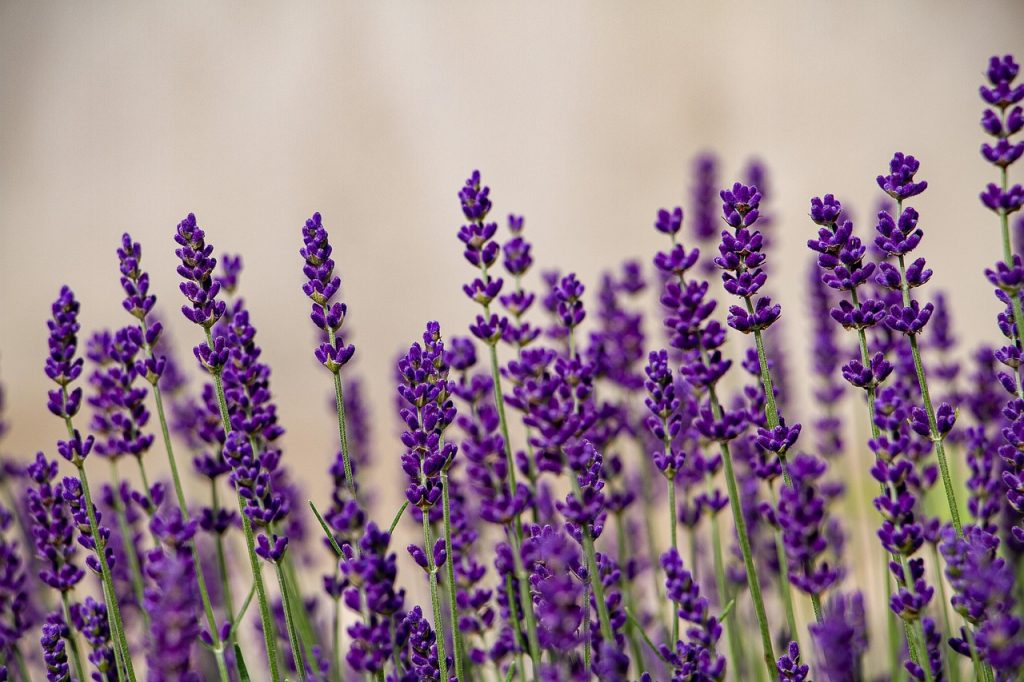
Lavender isn’t just aromatherapy hype. Multiple studies confirm that lavender scent reduces anxiety, lowers heart rate, and improves sleep quality. Growing lavender in your bedroom provides natural, subtle fragrance without synthetic air fresheners.
Why It Works for Bedrooms: The essential oils released by lavender plants have documented sedative effects. A 2015 study in the Journal of Alternative and Complementary Medicine found that lavender aroma improved sleep quality in college students experiencing stress.
Fresh lavender scent is gentler and more natural than lavender candles or sprays. I keep a small lavender plant on my nightstand. The scent isn’t overwhelming but provides subtle relaxation cues when I brush against the leaves before bed.
Placement Tips: Lavender needs bright light (at least 6 hours daily). Place directly in a south or west-facing window. Without adequate light, lavender becomes leggy and stops blooming.
Use well-draining soil. Water when soil feels dry 1 inch (2.5 cm) down. Overwatering kills lavender faster than drought.
The Catch: Safe for humans but can be toxic to cats in large quantities. The essential oils may cause gastrointestinal upset in dogs. Monitor pets around lavender and remove if they show interest in chewing it.
9. ZZ Plant (Zamioculcas zamiifolia) – The Extreme Low-Light Champion
If your bedroom is basically a cave with minimal natural light, the ZZ plant is your answer. It survives in conditions that would kill most other houseplants while maintaining glossy, attractive foliage.
Why It Works for Bedrooms: ZZ plants store water in their rhizomes, making them drought-tolerant to an extreme degree. You can water once a month (or less in winter) and they’ll thrive. This makes them perfect for people who travel frequently or simply forget to water plants.
They filter xylene, toluene, and benzene from bedroom air while requiring almost zero maintenance. I have one in a guest bedroom that gets no direct light. It looks exactly as healthy as the day I bought it two years ago.
Placement Tips: Tolerates low to bright indirect light. Avoid direct sun, which can scorch leaves. Water sparingly; every 2-4 weeks is sufficient. Yellow leaves indicate overwatering (the only way to really harm a ZZ plant).
Plant in well-draining soil with added perlite for extra drainage. These plants prefer to be slightly pot-bound, so don’t rush to repot.
The Catch: All parts contain calcium oxalate crystals that are toxic to pets and mildly toxic to humans. Wear gloves when handling if you have sensitive skin. Keep away from pets who might chew leaves.
Common Mistakes That Ruin Bedroom Plants
- Overwatering in Low-Light Bedrooms
- Low light means slower photosynthesis, which means less water consumption. If you’re watering on the same schedule in your dim bedroom as you would in a bright living room, you’re drowning your plants. Cut watering frequency by half in low-light bedrooms.
- Ignoring Temperature Drops
- Plants positioned directly under air conditioning vents or beside drafty windows experience temperature stress. Move plants at least 3 feet (90 cm) away from HVAC vents and drafty windows, especially in winter.
- Forgetting to Dust Leaves
- Dust on bedroom plants blocks light absorption and reduces photosynthesis efficiency. Wipe leaves with a damp cloth monthly, especially for large-leafed plants like rubber plants and peace lilies.
- Choosing Toxic Plants with Pets
- “I’ll just keep it on a high shelf” rarely works. Cats climb. Dogs jump. Plants drop leaves. If a plant is toxic and you have pets, skip it entirely. The risk isn’t worth the aesthetics.
- Putting Plants in Decorative Pots Without Drainage
- That cute ceramic planter without drainage holes will kill your plant faster than anything else. Always use pots with drainage holes, or place your nursery pot inside the decorative pot and remove it for watering.
- Neglecting Seasonal Care Adjustments
- Your bedroom plant needs less water in winter when central heating is running and light levels drop. Reduce watering by 30-50% during winter months. Resume normal watering in spring when growth resumes.
Bedroom Plant Care: Quick Reference
Watering Schedule by Light Level:
- Low light bedrooms: Water every 2-3 weeks
- Medium light bedrooms: Water every 1-2 weeks
- Bright light bedrooms: Water weekly
Signs You’re Overwatering: Yellow leaves, mushy stems, soil that stays wet for days, fungus gnats hovering around the pot.
Signs You’re Underwatering: Crispy brown leaf edges, wilting that doesn’t recover after watering, soil pulling away from pot edges, extremely light pot weight.
Pet-Safe Options from This List: Spider plant (100% safe), lavender (generally safe in small amounts).
Best for Absolute Beginners: Snake plant, pothos, ZZ plant (all extremely forgiving of mistakes).
Frequently Asked Questions
Do bedroom plants really improve sleep quality?
Yes, but through multiple mechanisms, not just oxygen production. Plants reduce stress hormones, improve air quality by filtering VOCs, and increase humidity levels that prevent dry throat and nasal passages. Lavender specifically has documented sedative aromatherapy effects. However, don’t expect dramatic overnight changes; improvements are subtle and accumulate over weeks.
How many plants should I keep in my bedroom?
For a standard 10×12 foot bedroom (3×3.6 meters), 2-3 medium-sized plants or 4-5 small plants provide noticeable air quality benefits without overcrowding the space. NASA recommends one plant per 100 square feet (9 square meters) for effective air purification. More plants aren’t necessarily better if they create clutter or reduce the calm atmosphere you’re trying to achieve.
Can bedroom plants cause mold or attract bugs?
Overwatering causes mold, not the plants themselves. Use pots with drainage holes, water only when soil is dry, and ensure good air circulation around plants. Fungus gnats appear when soil stays constantly wet. Let soil dry between waterings to prevent them. English ivy actually reduces mold in bedroom air rather than causing it.
Is it safe to sleep with plants in a closed bedroom?
Completely safe. The myth that plants steal oxygen at night is outdated. While most plants release small amounts of CO2 at night during respiration, the quantity is negligible compared to what one person exhales. Snake plants and aloe actually release oxygen at night. You’d need thousands of plants in a hermetically sealed room to experience any negative effects.
What’s the best low-light plant for a bedroom with no windows?
ZZ plant tolerates the lowest light levels and survives in bedrooms with only artificial light. Snake plants and pothos also handle very low light but grow extremely slowly without any natural light. If your bedroom truly has zero windows, rotate plants every few weeks with plants in brighter locations to maintain their health long-term.
Do I need to fertilize bedroom plants?
Only during active growing season (spring and summer). Use a balanced liquid fertilizer diluted to half strength once monthly from April through September. Skip fertilizer entirely from October through March when most houseplants enter dormancy. Bedroom plants in low light need even less fertilizer; every 6-8 weeks during growing season is sufficient.
Can I use bedroom plants if I have allergies?
Most bedroom plants improve air quality and reduce allergens, but some people react to soil mold or pollen from flowering plants. Peace lilies and English ivy are excellent for allergy sufferers because they filter airborne mold and particles. Avoid flowering plants if you’re sensitive to pollen. Always let soil dry slightly between waterings to prevent mold growth in the potting mix.
How do I know if my bedroom has enough light for plants?
Hold your hand 12 inches (30 cm) above where you plan to place the plant. If you can see a faint shadow, you have low to medium light suitable for snake plants, pothos, and ZZ plants. A clearly defined shadow indicates medium to bright light suitable for most bedroom plants. No visible shadow means very low light where only ZZ plants will truly thrive.
Final Thoughts: Start With One, Then Expand
The best plants for bedroom spaces are the ones you’ll actually care for consistently. If you’re new to houseplants, start with a single snake plant or pothos. Master the basics of watering, light assessment, and seasonal care adjustments with one plant before adding more.
I started my bedroom plant journey five years ago with a single snake plant purchased from Trader Joe’s for eight dollars. That plant is still alive (obviously), and my bedroom now hosts seven different species that have genuinely improved my sleep environment and morning routine.
Pay attention to your bedroom’s specific conditions. Light levels, temperature, humidity, and your personal lifestyle all matter more than following generic “best plant” recommendations. A high-maintenance fern might be someone else’s perfect bedroom plant but your personal nightmare if you travel frequently for work.
Choose plants that match your commitment level, your bedroom’s physical conditions, and your household’s safety needs. The right bedroom plant should reduce stress, not create it.