
Here is something that surprises most spider plant owners: these plants are not actually hard to keep alive. They are hard to keep looking good. The brown tips on a spider plant are almost always a chemical or environmental issue, not a disease, not a pest, and not a death sentence. The plant keeps growing. The tips stay brown. And no matter how carefully you water, the problem persists because you are probably treating the wrong thing.
Spider plant brown tips are the number one complaint I see from readers who grow Chlorophytum comosum indoors, and in most cases, the fix is simpler than they expect once you know which of the six causes is actually at work in their specific situation.
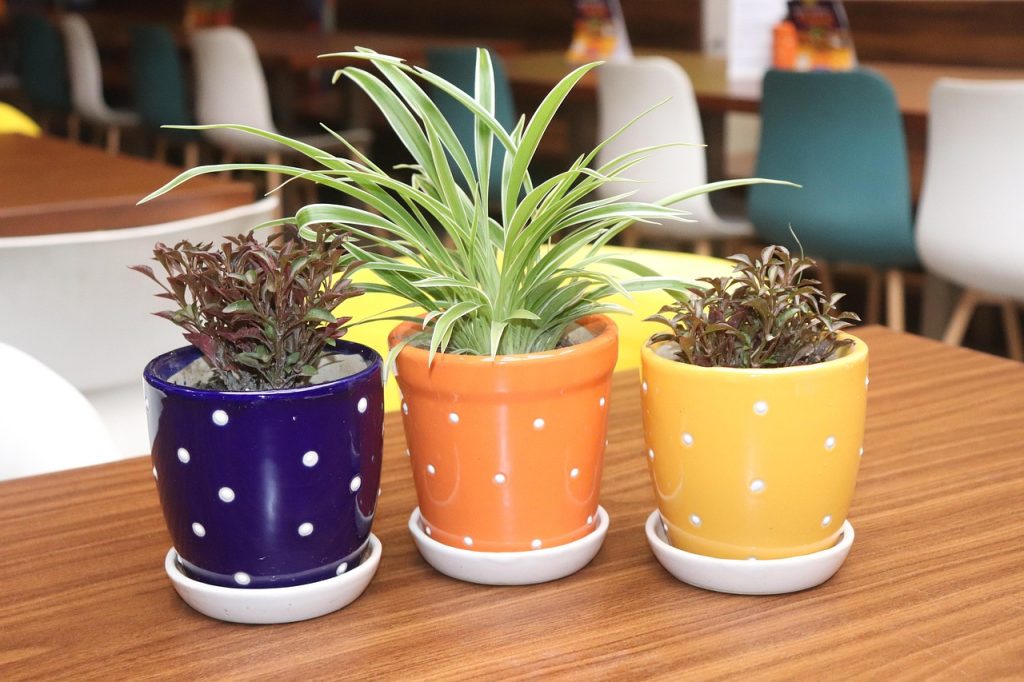
Why Spider Plants Get Brown Tips in the First Place
Spider plants are dramatic communicators. Unlike succulents, which quietly wilt before showing distress, a spider plant reacts to subtle changes in its environment almost immediately, and the leaf tips are always the first to show it.
The reason for this comes down to leaf tip anatomy. The very tips of spider plant leaves are the farthest point from the root system. Any stress affecting water uptake, mineral balance, or humidity first shows up at the tip because that is where water delivery is weakest. The tip cells die, turn brown, and stay that way permanently. Healthy green tissue will grow from the base, but the existing brown section will not recover on its own.
That matters because it changes how you measure progress. Once you fix the underlying cause of spider plant brown tips, new growth comes in clean. The previously damaged tips stay brown until you trim them. So the goal is not to reverse existing damage; it is to stop the cycle.
Water Quality Is the Most Common Cause Nobody Suspects
Ask most people why their spider plant has brown tips and they will guess overwatering or underwatering. They are usually wrong. The single most common cause of brown tips on spider plants is fluoride and chlorine in tap water.
Spider plants are genuinely sensitive to fluoride. Tap water in most American cities contains fluoride at levels between 0.7 and 1.2 parts per million, added for dental health purposes. That amount is harmless to people and most plants. Spider plants are the exception. Fluoride accumulates in leaf tissue over repeated waterings, eventually causing fluoride toxicity, which shows up as browning that starts right at the tip and moves inward along the leaf edge.
Chlorine is a secondary irritant. It dissipates on its own if you leave tap water sitting in an open container overnight before using it. Fluoride does not dissipate. It stays in the water no matter how long you wait.
The fix is switching to filtered water, distilled water, or collected rainwater. In my experience, distilled water produces the cleanest results because it removes fluoride entirely. Collected rainwater is the next best option and costs nothing if you set a bucket outside during rain. A standard pitcher-style water filter like Brita reduces chlorine effectively but does not reliably remove fluoride. For that, you need a reverse osmosis system or distilled water from the store.
Pro tip: A gallon jug of distilled water at Walmart costs around $1. For a few spider plants watered every 1-2 weeks, one jug lasts a month. It is the cheapest and fastest fix available for fluoride-related spider plant brown tips.
Worth noting: salt buildup from fertilizer adds to the same problem. Mineral salts accumulate in the soil over time and interfere with the plant’s ability to absorb water at the root level. Flushing the soil every 2-3 months by running plain distilled water through the pot for 30-60 seconds helps clear these deposits.
Low Humidity: The Problem That Gets Worse Every Winter
After water quality, low humidity causes more spider plant brown tips than any other factor. Chlorophytum comosum is native to the humid coastal regions of South Africa. In its natural habitat, humidity runs between 60% and 80% consistently. Most American homes sit between 30% and 50%, and in winter when central heating runs continuously, indoor humidity can drop below 20%.
At that level, moisture evaporates from leaf tissue faster than the plant can replace it through its root system. The tips dry out and die.
The fix is not complicated, but it does require consistency. Misting spider plants is a popular recommendation that does almost nothing useful: the moisture evaporates within minutes and provides no lasting humidity benefit. What actually works is either a humidifier placed near the plant or grouping the spider plant with other houseplants so their collective transpiration raises the local humidity slightly.
A digital hygrometer (available on Amazon for about $10-$15) tells you exactly what the humidity level is near your plants. This is worth the small investment because it removes all guesswork and helps you understand whether humidity is actually your issue.
Direct Sunlight Burns Leaf Tips Faster Than You Think
Spider plants do best in bright indirect light. They tolerate lower light levels remarkably well, which is why they are often recommended for offices and rooms without south-facing windows. But they cannot tolerate prolonged direct sunlight, and when they receive it, brown tips and brown patches develop quickly.
Direct sun through an unfiltered west- or south-facing window can raise the leaf surface temperature enough to scorch tissue within a few hours. The damage looks similar to fluoride toxicity at first: brown tips that crisp at the edge. The difference is that sun damage often produces bleached, whitish patches alongside the browning, while fluoride damage is a clean brown line at the tip.
Moving the plant back 3-5 feet (around 1-1.5 meters) from a direct-sun window, or diffusing the light with a sheer curtain, usually resolves this within the next growth cycle.
Watering Habits That Quietly Make the Problem Worse
Both underwatering and overwatering contribute to spider plant brown tips, but through different mechanisms.
Underwatering dries out the soil between waterings to the point where roots temporarily lose access to moisture. The plant compensates by pulling water back from the outermost leaf tissue, which is the tips. Even a single severe dry period can cause noticeable browning that persists for weeks.
Overwatering causes root damage over time. Healthy roots are the plant’s delivery system for water and nutrients. Damaged, waterlogged roots cannot transport moisture efficiently, so despite the soil being wet, the leaf tips stay parched. This is one reason why consistently moist soil does not always prevent browning.
The target for spider plants is allowing the top inch (2.5 cm) of soil to dry out between waterings during the growing season (spring and summer), and stretching that to the top 2 inches (5 cm) in fall and winter. Spider plants store water in their fleshy, tuberous roots, so they handle short dry spells better than most tropical houseplants.
Fertilizer Burn: When More Is Doing Less
Spider plants are light feeders. They do not need frequent or high-concentration fertilizing, and pushing more fertilizer than they can use causes salt buildup in the root zone that manifests, again, as brown tips.
The mistake is usually a combination of fertilizing too often and using full-strength fertilizer. A half-strength balanced liquid fertilizer (something like Jack’s Classic 20-20-20 diluted to half the recommended dose) applied monthly from April through September is adequate. Fertilizing through fall and winter when growth slows to near zero is unnecessary and makes salt buildup worse.
If you suspect fertilizer buildup is a factor, flush the soil with distilled water as described in the water quality section above, and hold off on fertilizing for 6-8 weeks.
Pro tip: Slow-release granular fertilizers like Osmocote, used at the recommended rate and no more frequently than the package states, are harder to over-apply than liquid fertilizers and produce fewer salt issues for spider plants.
How to Fix Spider Plant Brown Tips: A Step-by-Step Approach
Now that you know the six causes, here is how to systematically address spider plant brown tips rather than guessing and hoping.
- Switch to distilled or filtered water immediately. This addresses the most common cause, fluoride toxicity, and also reduces chlorine and dissolved mineral issues. Do this first, before anything else.
- Check where the plant is sitting relative to sunlight. If it is within 2 feet (60 cm) of a window that receives direct afternoon sun, move it back or add a sheer curtain. Bright indirect light is the sweet spot.
- Measure your humidity. A cheap hygrometer takes 10 seconds to check. If humidity is consistently below 40%, position a humidifier nearby or move the plant to a higher-humidity room like a bathroom with a window.
- Adjust your watering cadence. Check the soil before watering by pressing a finger an inch into the mix. Water only when the top inch feels dry. In winter, stretch that to 2 inches.
- Flush the soil every 2-3 months. Run 2-3 times the pot’s volume of distilled water through the drainage hole slowly. This clears accumulated fluoride, chlorine, and fertilizer salts from the root zone.
- Trim existing brown tips with sharp scissors. Existing brown tissue will not reverse, but trimming it cleanly at an angle (matching the leaf’s natural point) makes the plant look tidy while new growth comes in healthy. Sterilize your scissors with rubbing alcohol first to avoid introducing pathogens.
New growth should come in without brown tips within 4-6 weeks if the primary cause has been addressed. If browning continues on new leaves, you have more than one contributing cause and need to work through the list above more carefully.
Cause vs. Symptom vs. Fix at a Glance
| Cause | Symptom Pattern | Primary Fix |
|---|---|---|
| Fluoride/chlorine in tap water | Clean brown line at tip, moves inward | Switch to distilled or rainwater |
| Low humidity | Tips dry out, crispy texture | Humidifier or plant grouping |
| Direct sunlight | Brown tips + bleached patches | Move back from window or add curtain |
| Underwatering | Tips brown when soil is bone dry | Check soil before watering |
| Overwatering / root damage | Tips brown despite wet soil | Let soil dry, check roots |
| Fertilizer salt buildup | Tips brown + white crust on soil | Flush soil, reduce fertilizer frequency |
5 Mistakes That Keep Spider Plant Brown Tips Coming Back
Most plant owners fix one issue, see slight improvement, and assume the problem is solved. Then the tips keep browning on new growth and the frustration restarts. Here is why that cycle continues:
- Continuing to use tap water after switching temporarily. The damage from fluoride is cumulative. Switching to distilled water for two weeks then reverting to tap water brings the problem right back. If water quality is your issue, the switch needs to be permanent.
- Trimming the brown tips without fixing the cause. Trimming makes the plant look better, but it does nothing to prevent new browning. The trim is cosmetic. The fix is environmental. Both matter, in that order.
- Misting instead of using a humidifier. Misting spider plants feels productive but delivers no lasting humidity benefit. If low humidity is the issue, misting addresses it for about five minutes. An actual humidifier or bathroom placement addresses it continuously.
- Over-fertilizing through winter. A spider plant in a 65-degree F (18-degree C) room in December is barely growing. Feeding it monthly with full-strength fertilizer during this period builds salt deposits in the soil with no productive outlet, and those salts cause brown tips through root stress.
- Keeping the plant in the same pot for too many years without flushing. Salts accumulate in soil over time regardless of your fertilizing habits. Tap water alone deposits minerals with every watering. Without periodic flushing or repotting into fresh mix, these deposits build up to levels that cause persistent browning even in well-maintained plants.
Read more: spider plant care
Pro tip: If you have tried everything on this list and spider plant brown tips are still appearing on new growth, check whether your pot has adequate drainage. A pot without drainage holes or with blocked drainage creates a saturated lower zone that slowly damages roots, causing persistent tip browning that no amount of water-quality fixes will resolve.
Frequently Asked Questions
Why does my spider plant have brown tips even though I water it regularly?
Regular watering is not the same as correct watering. Spider plant brown tips despite consistent watering usually point to water quality (fluoride or mineral content), low humidity, or salt buildup in the soil from fertilizer. Check your water source first: if you use tap water, switch to distilled and see if new growth comes in clean within 4-6 weeks.
Should I cut the brown tips off my spider plant?
Yes, trimming is a good idea for aesthetics, but trim at an angle that matches the leaf’s natural pointed shape so it looks natural rather than flat-cut. Use clean, sharp scissors. Removing the brown tissue does not fix the underlying cause, so pair trimming with addressing whichever of the six causes is responsible for the browning.
Can spider plant brown tips be reversed back to green?
No. Once leaf tip tissue dies and turns brown, it does not recover. The win here is stopping the progression: fix the cause, and new growth will emerge without brown tips while the previously affected sections stay brown until trimmed. This is expected.
Is it normal for spider plants to get brown tips?
It is common, but it is not really normal in the sense of being unavoidable. Spider plant brown tips signal a specific environmental mismatch, most often fluoride sensitivity or low humidity. Many growers keep spider plants with no brown tips at all by using distilled water consistently and providing adequate humidity. It takes a bit of attention early on, but the plant stays clean once conditions are dialed in.
How often should I water my spider plant to prevent brown tips?
Frequency is less important than reading the soil. Water when the top inch (2.5 cm) of potting mix feels dry in spring and summer, and when the top 2 inches (5 cm) feel dry in fall and winter. Spider plants store water in their tuberous roots, so they handle short dry periods better than many other houseplants. Consistent underwatering or severe drying can cause brown tips, but inconsistent overwatering causes root damage that produces the same symptom.
Does low humidity cause spider plant brown tips?
Yes, and it is especially common in winter when central heating reduces indoor humidity below 30-35%. Spider plants prefer humidity between 40% and 60%. Below that range, leaf tips lose moisture faster than the root system can replenish it, and browning follows. A humidifier placed near the plant is the most effective remedy. Misting does not provide enough sustained humidity to make a real difference.
Can fertilizer cause brown tips on spider plants?
Absolutely. Spider plants are light feeders, and applying fertilizer at full strength or too frequently causes salt accumulation in the root zone that blocks water uptake. This produces brown tips alongside a crusty white deposit on the soil surface or pot rim. The fix is to flush the soil thoroughly with distilled water, reduce fertilizer concentration to half the recommended dose, and fertilize no more than once a month during active growing season (April through September only).
How do I know if my spider plant has fluoride toxicity specifically?
Fluoride damage produces a very clean, defined brown tip that starts at the very end of the leaf and moves inward along the center vein and edges. It looks different from sun damage (which produces bleached patches) and overwatering damage (which tends to cause yellowing alongside browning). If you have been using municipal tap water and the brown tips are consistent across multiple leaves from the tip inward, fluoride toxicity is the likely cause.
One Last Thing Before You Go
Spider plants are forgiving plants. They grow fast, produce babies prolifically, tolerate low light, and survive irregular watering without complaint. The brown tips are the one thing they cannot hide when conditions are off. But that also makes them useful: in a way, the tips are your early warning system. When they start browning on new growth, something in the environment needs adjusting.
Fix the water first. Then check humidity. Then light. Work through the causes one by one, and new growth will tell you within a few weeks whether you have identified the right culprit. Once you have the cause dialed in, spider plant brown tips are something you will stop seeing entirely, not something you learn to live with.
Happy planting.