
I bought my first ZZ plant because the tag at the store said one word: indestructible. Three years and two office relocations later, mine has survived a windowless cubicle, a forgotten month of watering, and one accidental drop off a shelf. Good ZZ plant care really is that forgiving, and this guide covers everything you need to keep yours thriving.
Quick Info
| Light | Low to bright indirect light, tolerates low light well |
| Water | Every 2 to 4 weeks, when soil is fully dry |
| Humidity | Average household humidity, no misting needed |
| Temperature | 65 to 85°F (18 to 29°C) |
| Toxicity | Toxic to cats, dogs, and humans if chewed |
| Difficulty | Very easy, nearly indestructible |
| Common Varieties | Standard green, Raven (near black), Variegated |
What ZZ Plant Care Actually Involves
Zamioculcas zamiifolia, better known as the ZZ plant or Zanzibar gem, is native to the dry grasslands of eastern Africa. That origin story explains almost everything about how this plant behaves indoors. It evolved to survive long droughts by storing water in thick underground rhizomes, which is exactly why so many houseplant guides describe good ZZ plant care as mostly a matter of leaving the plant alone.
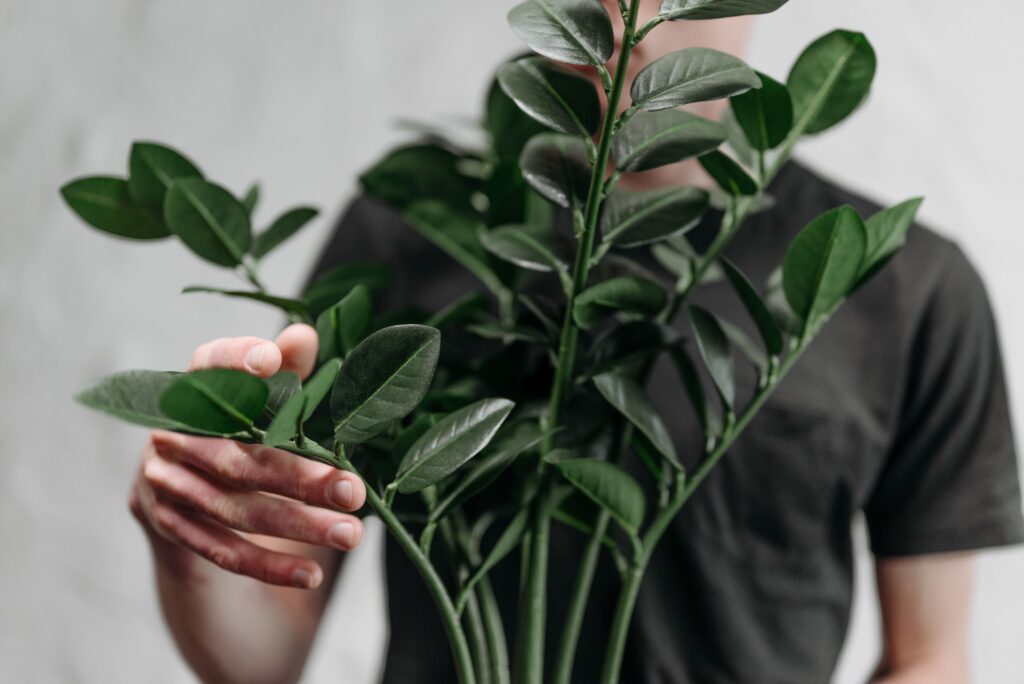
The glossy, almost artificial-looking leaves are another giveaway of its drought background. That natural waxy coating helps the plant hold onto moisture, and it’s also why ZZ plants photograph so well, they genuinely look polished without any effort on your part.
Light Requirements
ZZ plant care is refreshingly flexible when it comes to light. This plant tolerates low light better than almost anything else in the average home, which is why it’s such a popular choice for windowless offices and dim hallways. Under fluorescent office lighting alone, a ZZ plant will still hold on for years.
That said, tolerating low light isn’t the same as thriving in it. Given bright, indirect light from an east or north facing window, growth speeds up noticeably and the leaves stay a richer green. In deep, permanent shade, expect slow, sparse growth and the occasional stem that leans toward whatever light source it can find.
Avoid direct, intense sun, especially through a south or west facing window in summer. It can bleach or scorch the leaves, leaving pale, crisp patches that won’t recover. A few feet back from a bright window, or behind a sheer curtain, is the sweet spot for ZZ plant care.
Watering the Right Way
If there’s one rule that defines ZZ plant care, it’s this: when in doubt, don’t water. Overwatering is essentially the only reliable way to kill this plant, since its rhizomes already hold enough reserve water to coast through weeks of neglect.
Let the soil dry out completely between waterings, then water thoroughly and let it drain. In practice that usually means once every 2 to 4 weeks during spring and summer, and closer to once a month or less in winter when growth slows down. Stick a finger a couple of inches into the soil before you water. If there’s any dampness at all, wait.
Yellowing leaves, mushy stalks, or a rotten smell near the soil are all signs of overwatering rather than underwatering, and they usually show up well before the plant is in real trouble. Catch it early, hold off on watering, and check whether the rhizome itself still feels firm.
Read more: Plant Leaves Turning Yellow?
Soil and Potting
Well draining soil is non-negotiable in ZZ plant care, since this plant has almost zero tolerance for sitting in wet soil. A standard houseplant potting mix with some added perlite or sand works well, and a pot with a drainage hole is essential, not optional.
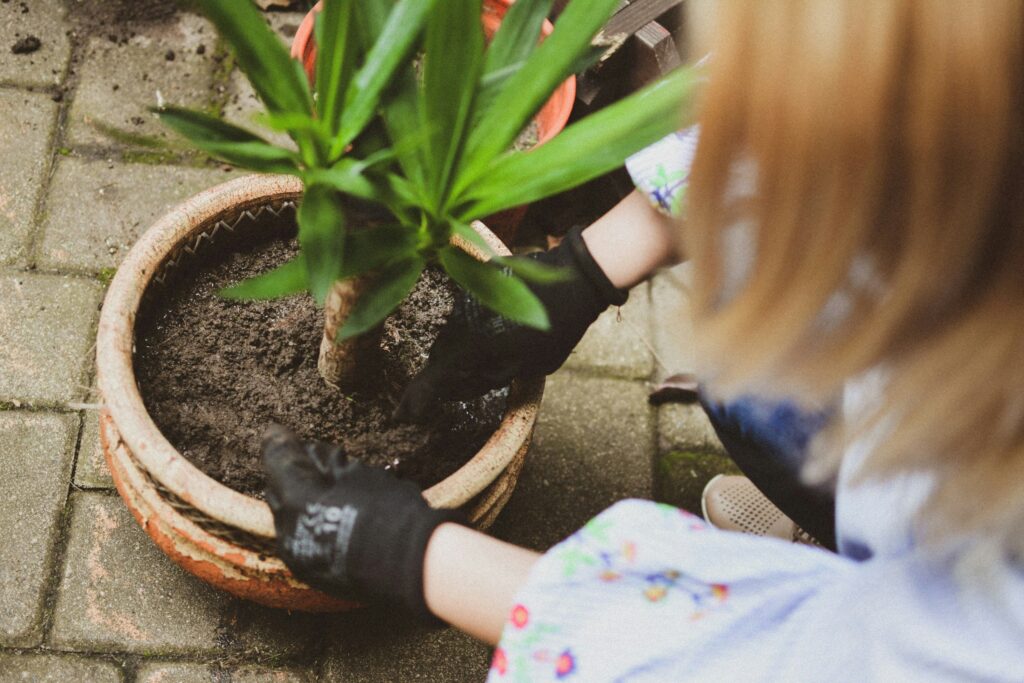
ZZ plants grow slowly and rarely need repotting more than once every 2 years. When you do repot, size up by only one pot size, since an oversized container holds more moisture than the roots can use and sets you up for the same overwatering problem you’re trying to avoid. Their rhizomes are strong enough to crack a plastic nursery pot over time, so don’t be surprised if that’s your first sign a repot is overdue.
Humidity and Temperature
Part of what makes this plant so low effort is that humidity barely matters. Average household humidity is fine, and misting isn’t necessary at all, unlike more tropical plants that sulk in dry winter air.
Ideal temperatures sit between 65 and 85°F (18 to 29°C). Keep the plant away from cold drafts and air conditioning vents, though ZZ plants are generally tolerant of the temperature swings that happen naturally in most homes throughout the year.
Common Problems
Most problems with this plant trace straight back to water. Yellow leaves, soft stems, or a rhizome that feels squishy instead of firm all point to overwatering and possible root rot. Pull the plant from its pot, trim away any mushy rhizome tissue, and repot into fresh, dry soil.
Pests are rare on ZZ plants, but mealybugs and spider mites occasionally show up, especially on a plant that’s stressed or has sat in the same stale air for too long. Neem oil handles both effectively without needing anything harsher.
If your leaves are pale or your plant seems stuck at the same size for months, low light is the usual culprit rather than a feeding issue, since ZZ plants are light feeders that rarely need frequent fertilizing.
Propagating ZZ Plant
ZZ plant rewards patience when it comes to propagation, since this is one of the slower plants to root from a cutting. Here’s the basic method:
- Remove a healthy leaf or small stem section, cutting close to the base.
- Let the cut end callous over for a few hours to a full day before planting.
- Insert the calloused end into slightly moist potting mix, or place it in water to root.
- Be patient. Leaf cuttings can take several months to form a rhizome and root system, far longer than most common houseplants.
Dividing an established plant at the rhizome is a much faster way to get a new pot, and it’s the method most experienced growers reach for when they want quicker results. To divide, remove the whole plant from its pot, gently separate the rhizome clusters by hand or with a clean knife, making sure each section has at least one healthy stem attached, and pot each division into its own container with fresh, well draining soil. Water lightly right after dividing, then hold off until the top layer of soil dries out, the same rule that applies to an established plant.
Read more: Areca Palm Care
Mistakes That Undermine Good ZZ Plant Care
- Watering too often out of habit. This is the single biggest mistake in ZZ plant care. If you’re watering on a fixed weekly schedule, you’re almost certainly overdoing it.
- Choosing a pot with no drainage. Even infrequent watering can’t offset a pot that traps water at the bottom with nowhere to go.
- Assuming low light means zero light. ZZ plants tolerate dim corners for a long time, but they still need some ambient light to keep growing rather than just surviving.
- Skipping the callous step in propagation. Planting a fresh, uncalloused cut directly into wet soil often leads to rot before it ever has a chance to root.
- Placing it within reach of pets. Since ZZ plants contain calcium oxalate crystals and are toxic if chewed, keep them out of reach of curious cats and dogs.
- Repotting into an oversized pot. Bigger isn’t better here. Oversized pots hold excess moisture that a slow growing ZZ plant simply can’t use fast enough.

Is ZZ Plant Toxic to Pets
Yes. Along with most members of the Araceae family, ZZ plants contain calcium oxalate crystals that can irritate the mouth, tongue, and throat if chewed, and the sap can also irritate skin on contact for some people. Sound ZZ plant care includes keeping the plant on a high shelf or in a room pets don’t have regular access to, and wearing gloves if you’re pruning or dividing it. It’s not classified as severely poisonous, but irritation and discomfort are real risks worth taking seriously.
FAQ
How often does ZZ plant care require watering?
Every 2 to 4 weeks in spring and summer, and even less often in winter. Always let the soil dry out fully before watering again.
Can ZZ plant care work in a windowless office?
Yes, ZZ plants tolerate low light and fluorescent lighting well, making them one of the few houseplants suited to windowless spaces.
Is ZZ plant care difficult for beginners?
No, it’s considered one of the easiest houseplants to grow, and most care mistakes come from overwatering rather than neglect.
Does ZZ plant care require regular fertilizing?
Not really. A light feeding once or twice during the growing season is plenty, since ZZ plants store nutrients in their rhizomes.
What is the biggest mistake in ZZ plant care?
Watering too frequently. Nearly every case of a struggling or dying ZZ plant traces back to soil that never gets the chance to dry out.
Is ZZ plant toxic to cats and dogs?
Yes, all parts of the plant contain calcium oxalate crystals that can irritate the mouth and throat if chewed, so it’s best kept out of pets’ reach.
Why is my ZZ plant growing so slowly?
Slow growth is normal, especially in lower light. If growth has stalled completely, check that the plant is getting at least some indirect light and hasn’t been overwatered.
Final Thoughts
Few houseplants tolerate neglect as well as this one does, which is exactly why ZZ plant care has become the go-to recommendation for busy people, dim offices, and anyone who’s killed one too many fussier plants. Get the watering restraint right, give it whatever light your space has to offer, and this plant will quietly hold its own for years.
If you’re building out a low-maintenance plant shelf, ZZ plant care pairs naturally with other resilient plants covered in my complete indoor plant care guide, and if pests ever do show up, my neem oil guide will get you sorted quickly.
Happy planting!