
What if yellowing leaves are not a sign that your plant is dying, but a message it is trying to send you? Most people see a yellow leaf and immediately panic, change three things at once, and end up making the problem worse. Plant leaves turning yellow is actually one of the most informative things a plant can do. Each pattern of yellowing tells you something specific, and once you know how to read those patterns, you can fix the actual problem instead of guessing. This guide walks through every major cause of plant leaves turning yellow, how to identify which one you are dealing with, and what to do about it.
Why Leaves Turn Yellow: What Is Actually Happening
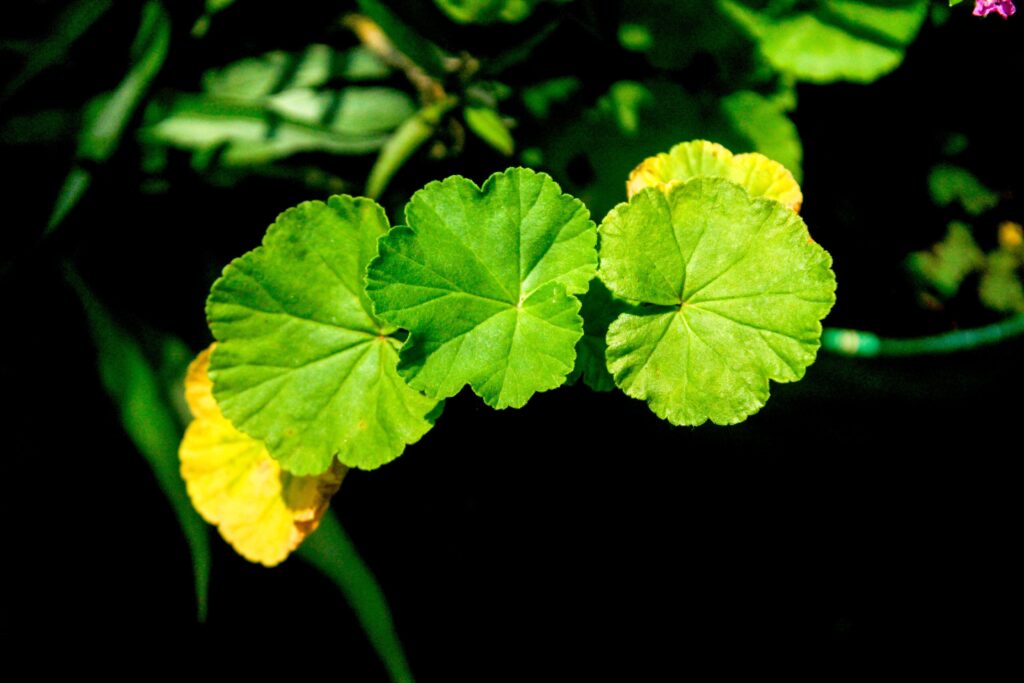
Before getting into specific causes, it helps to understand the biology. Leaves are green because of chlorophyll, the pigment that drives photosynthesis. When a plant is under stress, including stress from too much water, too little water, nutrient shortages, or pest damage, it starts breaking down chlorophyll in the affected leaves. The green fades and the yellow pigments underneath become visible.
This process is called chlorosis. The plant is essentially deciding that maintaining a stressed or damaged leaf is not worth the energy, and it begins pulling nutrients back into the stem and roots before eventually dropping the leaf. So when you see plant leaves turning yellow, the plant is not failing randomly. It is making a calculated decision in response to a specific stressor. Your job is to identify that stressor.
Some yellowing is completely normal. The oldest, lowest leaves on most plants will yellow and drop as part of natural aging, especially after a period of active new growth. One or two yellow leaves on the bottom of an otherwise healthy plant is nothing to worry about. A pattern of yellowing across multiple leaves or spreading upward from the base is when you need to pay attention.
Overwatering: The Most Common Cause by Far
If I had to bet on a single cause every time someone shows me a yellowing houseplant, I would bet on overwatering. It is responsible for the majority of plant leaves turning yellow in indoor settings, and it is also the most misunderstood. People see yellow leaves, assume the plant needs more water, add more water, and accelerate the exact problem they are trying to solve.
Overwatering does not usually mean you watered too much in one sitting. It means the soil never had a chance to dry out between waterings, and the roots have been sitting in wet, airless soil long enough to start suffocating. The roots stop functioning, the plant cannot absorb water or nutrients even though both are present, and the leaves turn yellow as the plant starves from the inside.
The telltale signs of overwatering: yellowing starts on the lower, older leaves and spreads upward. The leaves feel soft and slightly mushy rather than crisp. The soil feels wet or damp even days after you last watered. If you pull the plant from the pot, the roots may be dark brown, soft, and possibly smell sour.
The fix is to let the soil dry out significantly before watering again, and to check whether the pot has adequate drainage. If the roots are already rotting, our guide on root rot treatment covers exactly how to cut the damaged roots and save the plant before it is too late.
Read more: Bird of Paradise Plant Care
Underwatering: Plant leaves turning yellow That Crisp at the Edges
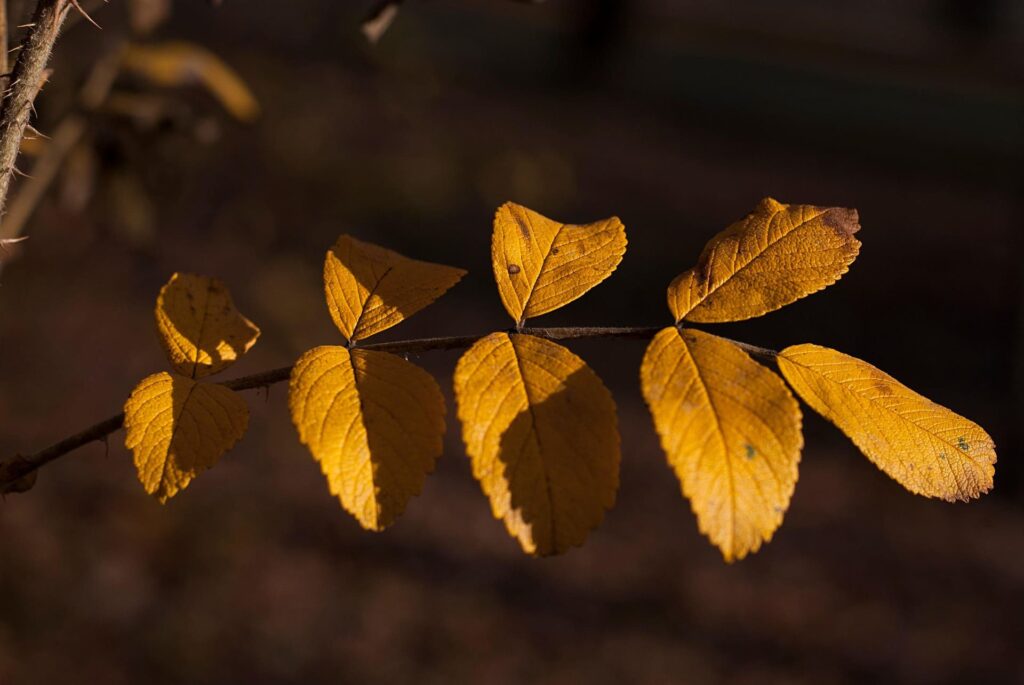
Underwatering is less common than overwatering but it causes its own pattern of plant leaves turning yellow that looks different once you know what to check. When a plant is not getting enough water, it pulls moisture from its oldest leaves to keep the new growth alive. Those older leaves yellow, then dry and crisp at the tips and edges, and eventually drop off.
The soil is the fastest way to tell underwatering from overwatering apart. Pull the pot up and feel the weight. Lift it a day after watering and again several days later to learn the weight difference. An underwatered pot is noticeably light. Push your finger 2 inches (5 cm) into the soil: if it is bone dry and pulling away from the pot walls, the plant is thirsty. If it is still damp, the yellowing is from something else.
The fix is simple: water the plant thoroughly at the sink until water runs freely from the drainage holes, let it drain, and return it to its spot. Then adjust your watering schedule going forward. For a clear comparison of what each looks like side by side, our guide on overwatering vs underwatering includes a visual symptoms breakdown that makes diagnosis much faster.
Insufficient Light: Slow, Pale Yellowing Across New Growth
Low light causes a different kind of yellowing, and it tends to catch people off guard because it develops slowly over weeks rather than days. When a plant does not get enough light, it cannot produce sufficient chlorophyll to maintain its leaves. The result is a gradual, overall paleness rather than the patchy or spot-yellowing you see from pests or nutrient issues.
The pattern with light-related yellowing: the entire plant looks washed out or lighter than it used to, new leaves come in smaller and pale, and growth slows noticeably. The older leaves may stay reasonably green while new growth comes in yellow. The plant is not getting enough energy from light to build healthy new tissue.
The fix is to move the plant closer to a light source. Bright indirect light for at least 4 to 6 hours daily is what most tropical houseplants need to maintain good leaf color. Moving a plant gradually rather than all at once, shifting it a foot (30 cm) closer to the window every few days, prevents the stress of a sudden light change that can cause its own round of leaf drop.
Read more: Calathea Plant Care
Nutrient Deficiency: Yellow Leaves With a Pattern
Not all plant leaves turning yellow look the same, and the specific pattern often tells you which nutrient the plant is missing. This is where slowing down and looking carefully pays off.
| Nutrient Missing | Yellowing Pattern | Which Leaves First | Fix |
|---|---|---|---|
| Nitrogen | Overall pale yellow, uniform | Older, lower leaves | Balanced liquid fertilizer |
| Iron | Yellow leaf with green veins (interveinal chlorosis) | Newest growth first | Iron supplement or lower soil pH |
| Magnesium | Yellow between leaf veins | Older leaves first | Epsom salt solution (1 tsp per liter) |
| Potassium | Yellow and brown leaf edges | Older leaves first | Balanced fertilizer with K |
| Calcium | Distorted new growth, yellow tips | Newest leaves | Soil pH check, add lime if needed |
Nitrogen deficiency is by far the most common nutrient issue. It shows up after several months in the same pot without fertilizing, especially in fast-growing plants like pothos, monstera, and peace lily. The fix is to start a monthly feeding routine with a balanced liquid fertilizer during the growing season. Our guide on best fertilizer for houseplants compares the most reliable options available at Home Depot, Lowe’s, and Amazon, with recommendations based on plant type.
One thing worth checking before you start adding fertilizer: soil pH. Most indoor plants absorb nutrients best when the soil pH sits between 5.5 and 6.5. If the pH is off in either direction, the nutrients may be present in the soil but unavailable to the plant. According to NC State Extension, iron deficiency in particular is often a pH problem rather than an actual lack of iron in the soil.
Pests: Yellowing That Spreads in an Unusual Pattern
Pest damage causes plant leaves turning yellow in patterns that do not match watering or nutrient problems. The yellowing tends to appear in patches or spots, the leaves may look stippled or dusty, and you might notice tiny insects, webbing, or sticky residue on the leaf surface if you look closely.
Spider mites are the most common culprit for indoor plants. They thrive in dry air and their damage shows as tiny pale or yellow specks across the leaf surface, starting on the undersides. In a severe infestation, fine webbing becomes visible between stems and leaves. The plant looks generally unwell and dusty before the yellowing becomes obvious.
Check for pests by turning leaves over and looking at the undersides with a magnifying glass if needed. Run your finger along the stem and check for sticky residue, which signals scale or aphids. White cottony clusters indicate mealybugs. For a step-by-step treatment guide for the most common indoor plant pest, our article on how to get rid of spider mites covers every stage from early infestation to full recovery.
How to Diagnose Your Yellowing Plant in 5 Steps
When plant leaves of one of your plants turn yellow, work through these steps in order before changing anything:
- Check the soil moisture by pushing your finger 2 inches (5 cm) into the potting mix. Note whether it feels wet, moist, or bone dry.
- Look at which leaves are yellowing: older lower leaves, newer top growth, or both equally. The location gives you the first strong diagnostic clue.
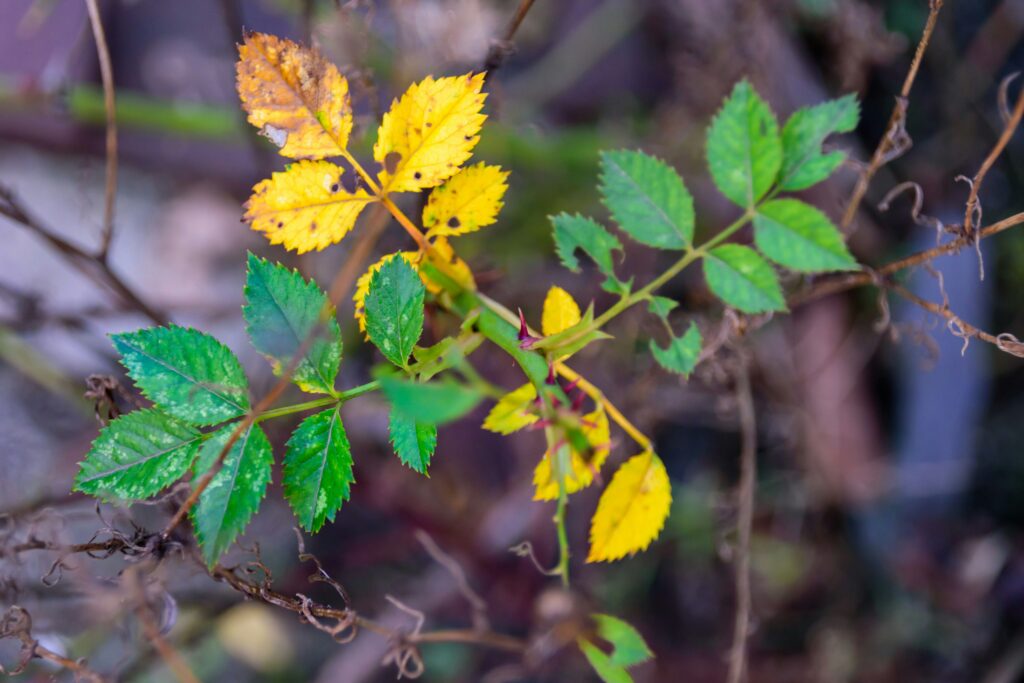
- Examine the yellowing pattern on the leaf: is it uniform pale yellow, yellow with green veins, yellow edges only, or spotty and uneven?
- Turn the leaves over and check the undersides for tiny insects, webbing, or white powder.
- Think about recent changes: did you move the plant, change your watering schedule, repot into new soil, or notice the plant has not been fertilized in several months?
Running through these five steps takes about two minutes and narrows the cause down significantly before you touch anything. The single most common mistake I see is people skipping the diagnosis entirely and going straight to adding water or fertilizer, which treats a symptom that may not exist and often adds a new problem on top of the original one.
Read more: Indoor Hanging Plants
Mistakes That Make Plant Leaves Turning Yellow Worse
- Watering more because the leaves look bad. Yellowing leaves do not mean the plant needs water. They may mean exactly the opposite. Always check soil moisture before adding water, regardless of what the leaves look like on the surface.
- Removing yellow leaves immediately. A yellowing leaf is still photosynthesizing and pulling nutrients back into the plant. Let it yellow and drop naturally or wait until it is 80 percent yellow before removing it. Cutting it early removes nutrients the plant was in the process of recovering.
- Fertilizing a stressed plant. If the plant is yellowing from overwatering, root damage, or pest stress, adding fertilizer will not help and can burn already-damaged roots. Fix the underlying problem first. Resume fertilizing only after the plant shows stable new growth.
- Fixing multiple things at once. Moving the plant to a new spot, changing the watering frequency, and adding fertilizer all at the same time makes it impossible to know what actually helped. Change one variable, wait two weeks, and observe the result before changing anything else.
- Ignoring the soil. Most yellowing problems have a root cause that starts in the soil, either waterlogged soil, compacted soil that blocks drainage, or exhausted soil that has run out of nutrients. Repotting into fresh best soil for indoor plants every one to two years prevents many of these problems before they start.
FAQs
Why are my plant leaves turning yellow even though I water regularly?
Regular watering is often the problem, not the solution. Plant leaves turning yellow from overwatering is the most common indoor plant issue. If the soil stays wet for more than a few days after watering, the roots are not getting oxygen and begin to fail. Let the top 1 to 2 inches (2.5 to 5 cm) of soil dry out before watering again, and make sure the pot has a drainage hole.
Should I cut off yellow leaves?
Wait until the leaf is mostly yellow before removing it. A partially yellow leaf is still working, pulling chlorophyll and nutrients back into the plant before it drops. Removing it early takes those nutrients away from the plant. Once the leaf is 80 to 90 percent yellow and clearly dying, snip it off cleanly at the base of the stem.
Can yellow leaves turn green again?
In most cases, no. Once a leaf loses its chlorophyll and turns yellow, that specific leaf will not recover its green color. However, fixing the underlying cause will stop new leaves from yellowing and encourage healthy new growth to come in properly green. Focus on the new growth, not on saving the yellow leaves.
Why are only the bottom leaves on my plant turning yellow?
Lower leaves yellowing while the top of the plant stays green is usually a sign of one of two things: natural aging (which is normal) or nitrogen deficiency. If just one or two bottom leaves yellow occasionally, it is likely the plant shedding older growth. If multiple lower leaves yellow quickly and the plant looks pale overall, start a monthly fertilizing routine with a balanced liquid fertilizer.
Are plant leaves turning yellow from too much sun?
Yes, though it looks different from other causes. Too much direct sun causes bleaching or scorching, where the leaf turns pale yellow or white in the spots that received the most light, and the edges may brown and crisp. This is most common when plants are moved from low light to direct sun too quickly. Move the plant to bright indirect light and avoid harsh afternoon sun through south or west-facing windows in summer.
Why are my plant leaves turning yellow after repotting?
Some yellowing after repotting is normal. The plant is adjusting to new soil, a new pot, and possible minor root disturbance. Keep conditions stable, avoid fertilizing for six to eight weeks after repotting, water carefully (only when the top inch is dry), and give the plant two to three weeks to settle before drawing any conclusions. If heavy yellowing continues past three weeks, check for root damage or waterlogged soil.
Why does my pothos have yellow leaves but seems healthy otherwise?
Pothos yellow leaves on the lower stems with new growth coming in green is almost always natural as the plant directing energy to new growth. If the yellowing is spreading to newer leaves or the whole plant looks pale, check light and fertilizer. Pothos rarely yellows from watering problems unless the overwatering is severe enough to cause root rot.
Understanding why plant leaves turning yellow happens takes the panic out of the situation entirely. Each pattern of yellowing is the plant giving you specific, useful information. Check the soil, look at which leaves are affected, examine the pattern, and work through the diagnosis before you change anything. The plants that recover fastest from yellowing are almost always the ones whose owner slowed down, diagnosed correctly, and made one targeted fix rather than several frantic ones at once.
Happy planting!