
Walk into any garden centre and you’ll find an entire wall of potting soils. They all look more or less the same. Same dark colour, same earthy smell, same bag. So you grab one, pot your monstera, and wonder six weeks later why it looks miserable. Here’s the thing: soil isn’t just soil. Best Soil for Indoor Plants. The mix you use is probably the single biggest factor deciding whether your plant thrives or slowly declines and most people never think twice about it.
This guide breaks down exactly how to choose the right soil for your indoor plants, which mixes work for which plants, and when it makes sense to build your own blend from scratch.
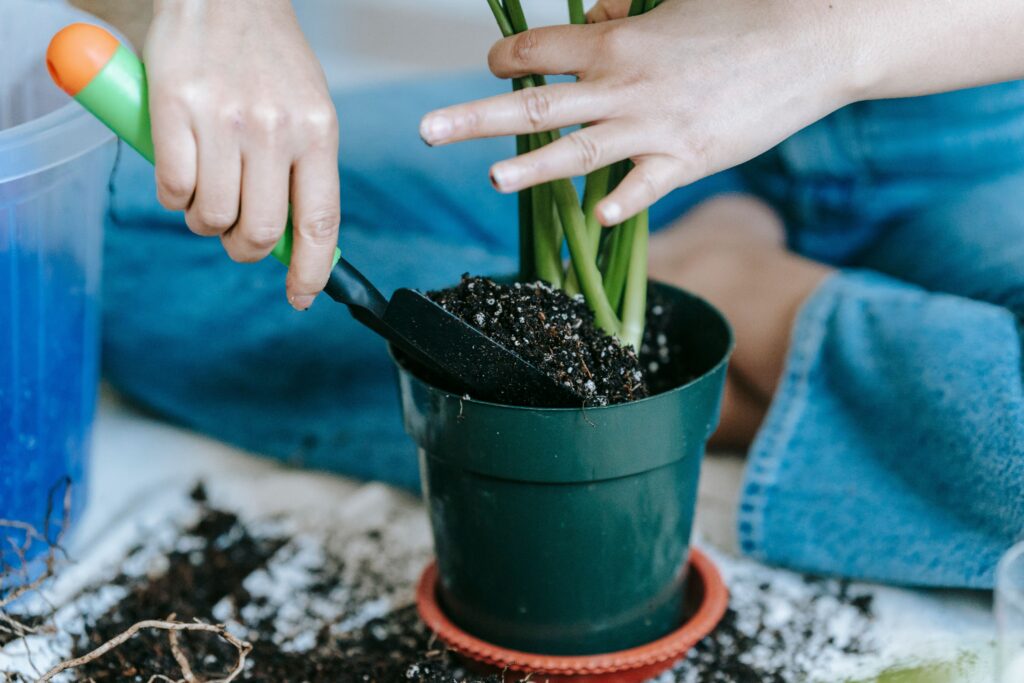
What Does Good Potting Soil Actually Do?
Before we get into specific mixes, it helps to understand what you’re actually looking for. Good indoor potting soil does four things simultaneously:
- Holds enough moisture to keep roots hydrated between waterings
- Drains fast enough that roots never sit in soggy conditions
- Stays loose and aerated so oxygen can reach the root zone
- Provides a stable base for roots to anchor and spread
The problem is that these four demands are in constant tension. A mix that holds loads of moisture might suffocate roots. A mix that drains instantly might dry out too fast for a tropical plant. Getting the balance right for your specific plant is the whole game.
One more thing that trips people up: outdoor garden soil and indoor potting mix are completely different products. Never use garden soil in pots. It compacts into a brick inside containers, kills drainage, and often brings pests and diseases indoors with it. Always use a mix formulated for containers.
The Building Blocks of Potting Soil
Most potting mixes are combinations of a handful of core ingredients. Once you understand what each one does, you can read any bag label and know immediately whether it’s right for your plant or tweak an existing mix to fix its weaknesses.
Peat Moss or Coco Coir
This is the bulk of most standard mixes. Peat moss retains moisture well and is slightly acidic, which suits most tropical houseplants. Its main downside is that it’s not sustainable it’s harvested from ancient bogs that take thousands of years to form. Coco coir is the modern alternative: made from coconut husks, renewable, and it handles rewetting far better than peat (peat moss that dries out can be almost impossible to rehydrate). If you’re choosing between two otherwise identical bags, pick the one with coco coir.
Perlite
Those little white balls that look like tiny polystyrene beads. Perlite is volcanic glass that’s been superheated until it pops it’s incredibly lightweight and doesn’t absorb water, which means it creates permanent air pockets in your mix. Perlite is the ingredient that prevents compaction and improves drainage. A standard mix with more perlite drains faster. Most pre-made mixes don’t include enough adding a handful per pot is almost always a good idea for tropical houseplants.
Bark
Orchid bark and pine bark are chunky, slow to break down, and create large air pockets that roots love. You’ll see bark in orchid mixes and aroid soil blends (for monsteras, philodendrons, and similar plants). It mimics the chunky, fast-draining conditions these plants experience in the wild growing on trees or in loose forest soil.
Sand
Coarse horticultural sand (not fine beach sand the salt and compaction will damage your plants) improves drainage and weight. It’s most useful in mixes for cacti and succulents that need very fast-draining, gritty soil. Some gardeners use it in herb garden mixes too.
Compost or Worm Castings
These add slow-release nutrition to a mix and encourage beneficial microbial activity. Worm castings in particular are gentle, almost impossible to over-apply, and genuinely improve plant growth. A small amount in any mix is rarely a bad idea.
Vermiculite
Similar to perlite but it actually absorbs and slowly releases moisture, making it useful in mixes for plants that prefer consistently moist (not wet) conditions. Good for ferns, calatheas, and moisture-loving tropicals.
Quick Reference: Which Soil for Which Plant
| Plant Type | Ideal Mix | Key Requirement |
| Tropical foliage (monstera, pothos, philodendron) | Standard mix + extra perlite | Well-draining, airy |
| Succulents & cacti | Cactus mix or 50% perlite + 50% standard | Very fast-draining, gritty |
| Orchids | Orchid bark + perlite | Almost no water retention |
| Ferns & calatheas | Peat/coir mix + vermiculite | Consistent moisture |
| Snake plants & ZZ plants | Standard mix + extra perlite | Well-draining, dries fully |
| African violets | African violet mix or peat + perlite | Light, slightly acidic |
| Citrus & fruiting plants | Loam-based or citrus mix | Nutritious, free-draining |
| Herbs (indoor) | Standard mix + coarse sand or perlite | Good drainage, not waterlogged |
Best Soil for Each Plant Type
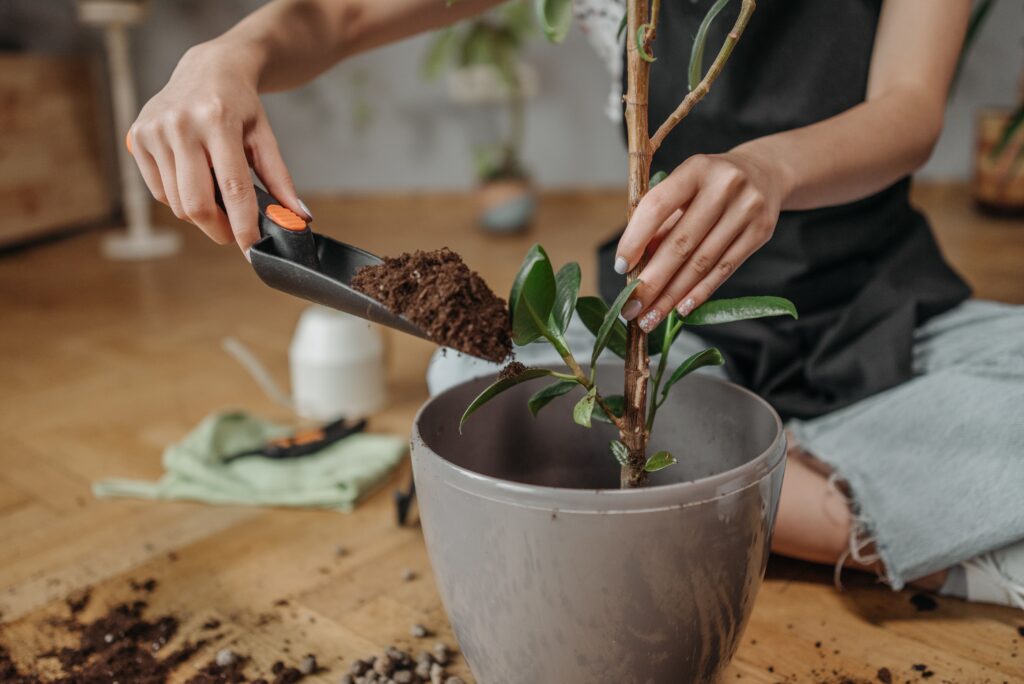
Tropical Foliage Plants (Monstera, Pothos, Philodendron, Peace Lily)
These are the most common indoor plants, and they all want broadly the same thing: a mix that drains well but holds some moisture, stays light and airy, and never compacts around their roots. A standard peat- or coir-based potting mix is a reasonable starting point, but most off-the-shelf options are too dense for tropical plants over time.
The fix is simple: add 20–30% perlite to whatever bag you’re using. If you’re repotting a monstera or pothos plant, mix two parts standard potting mix with one part perlite. That’s it. Your plants will thank you.
What to avoid: heavy, moisture-retentive mixes labelled “moisture control” These stay wet for far too long and invite root rot.
Succulents and Cacti
This is where most people go wrong. They buy a standard potting mix, pot their succulent, water it once, and watch it collapse over the next few months from root rot. Succulents and cacti need a mix that drains almost instantly water should flow straight through within seconds of watering, not pool at the bottom.
A purpose-made cactus and succulent mix is the easiest option. If you want to stretch it further, mix one part cactus mix with one part additional perlite or coarse sand. For outdoor succulents in very wet climates, go even grittier: two parts perlite to one part mix.
Tip: if the bag’s soil stays damp to the touch more than two days after watering, it’s too moisture-retentive for succulents.
Orchids
Orchids are epiphytes in the wild, they grow attached to tree bark, not in ground soil at all. Their roots need to be able to dry out almost completely between waterings, and they need huge amounts of airflow around them. Standard potting mix will kill an orchid quickly.
Use a purpose-made orchid bark mix, or make your own: three parts medium orchid bark, one part perlite, one part charcoal. The mix should look nothing like soil it should look like a pile of bark chips. If you can see daylight through it in the pot, you’re on the right track. Orchid care is more about the medium than almost anything else.
Ferns, Calatheas, and Moisture-Loving Plants
These plants come from forest floors where the soil stays consistently damp not waterlogged, but never bone dry either. They need a mix that holds moisture without becoming soggy, and they benefit from slightly higher organic matter.
A peat or coir-based mix with added vermiculite (rather than perlite) works well here. If your calathea leaves are curling or browning at the tips, inconsistent moisture is usually the culprit and fixing the soil is the most effective long-term solution.
Snake Plants and ZZ Plants
Both of these are drought-tolerant plants with rhizomes or tuber-like roots that store water. They’re incredibly forgiving, but they absolutely cannot tolerate sitting in wet soil. Even a well-draining standard mix can stay too moist for a snake plant in a low-light corner.
Use a standard potting mix cut with 30–40% perlite. Some growers even use a cactus mix for ZZ plants, which works well as long as you’re mindful about not letting them dry out for extended periods.
African Violets
African violets are one of the few indoor plants that truly benefit from their own specialised mix. Their roots are delicate and dislike both compact soil and sitting in moisture. A purpose-made African violet mix lighter and more airy than standard potting soil, is worth buying if you’re growing them seriously.
If you don’t have access to a specialist mix, combine equal parts peat moss, perlite, and vermiculite for a reasonable substitute.
Pre-Made Mixes Worth Knowing
Not every gardener wants to build blends from scratch, and that’s completely reasonable. Here’s how to read the pre-made options:
- Decent for most tropical foliage plants if you add perlite. Avoid “moisture control” formulas. Standard all-purpose potting mix:
- Usually still too moisture-retentive on its own. Add extra perlite (50/50) for best results. Cactus and succulent mix:
- Buy specifically for orchids. Don’t improvise with a standard mix. Orchid bark mix:
- Very fine, sterile, low in nutrients. For germinating seeds only not for established plants.Seed starting mix:
- Light and slightly acidic. Also works well for other delicate-rooted plants like begonias. African violet mix
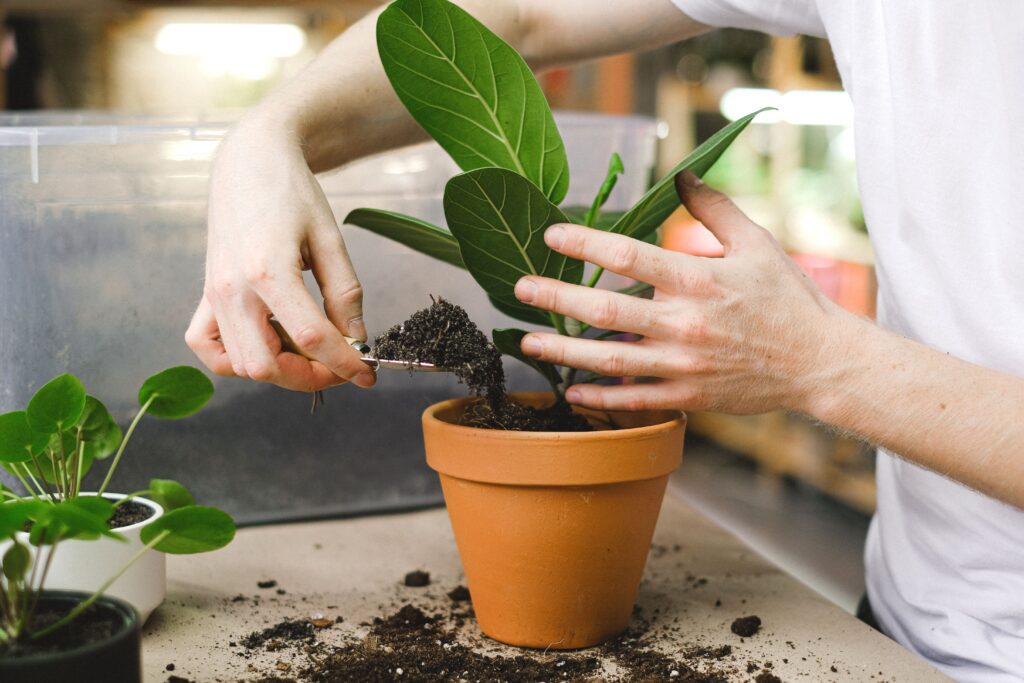
How to Build Your Own Potting Mix
Making your own blend sounds more complicated than it is. Once you’ve done it once, you’ll find it hard to go back to off-the-shelf mixes. The main reason to DIY: you get exactly the drainage and moisture retention your plants need, not a compromise formula designed to suit everything adequately.
All-Purpose Aroid Mix (Monstera, Philodendron, Pothos)
- 2 parts coco coir or peat-based potting mix
- 1 part perlite
- 1 part orchid bark (medium grade)
- Optional: small handful of worm castings
This mix drains well, stays airy, and holds just enough moisture for tropical foliage plants. It’s the most versatile DIY blend you can make.
Fast-Draining Succulent Mix
- 1 part standard potting mix
- 1 part coarse perlite
- 1 part horticultural sand (coarse grade only)
Water passes through this almost immediately. Ideal for all succulents and cacti, especially in terracotta pots.
Moisture-Retaining Mix (Ferns, Calatheas)
- 3 parts coco coir
- 1 part vermiculite
- 1 part compost or worm castings
Holds moisture without becoming dense or waterlogged. The vermiculite buffers moisture release so roots never dry out suddenly.
Common Soil Mistakes (and How to Spot Them)
Using the Same Soil for Every Plant
A tropical plant and a succulent have almost opposite soil needs. Using one bag for everything is the most common reason for plant problems that seem unrelated to watering or light.
Never Replacing Old Soil
Potting mix breaks down over time. Perlite gets displaced, organic matter decomposes, and the mix gradually compacts. After 18–24 months, most mixes have lost much of their structure. Repotting your plant with fresh mix every couple of years is one of the most impactful things you can do for its long-term health.
Choosing “Moisture Control” Mixes
These are marketed as helpful for people who forget to water. In practice, they keep roots wet for extended periods, which is one of the primary causes of root rot in indoor plants. The only plants that might benefit are ferns in very dry environments. Avoid for everything else.
Using Garden Soil Indoors
Mentioned earlier but worth repeating: garden soil compacts dramatically inside pots, cutting off the oxygen supply to roots. It also frequently contains soil-borne pests, weed seeds, and pathogens that thrive in the warm indoor environment.
Overfilling Pots
Soil filled right to the brim of a pot doesn’t allow water to sit briefly while absorbing into the mix. Leave at least an inch of space at the top so water pools momentarily and soaks down evenly, rather than running straight off the sides.
Signs Your Soil Needs Changing
You don’t always need to wait for repotting season to change soil. These are signs the current mix is no longer doing its job:
- Water pools on the surface for more than 30 seconds before absorbing
- The top inch feels compacted or hard even when dry
- You notice a sour or musty smell from the pot
- Roots are visibly pushing out from the drainage holes
- The plant wilts within a day or two of watering (suggesting poor water uptake)
- White crusty deposits have built up on the soil surface (salt buildup from fertiliser)
Frequently Asked Questions
Can I reuse potting soil from a previous plant?
You can, but with caveats. If the previous plant died from disease or pests, discard the soil entirely you’ll risk transferring the problem. If it’s just old, spent soil, you can refresh it by mixing in fresh compost, perlite, and new potting mix at a roughly 1:1 ratio. Don’t reuse soil from a plant that died from root rot.
How often should I change indoor plant soil?
For most indoor plants, repotting with fresh soil every 1.5 to 2 years is a reasonable baseline. Fast-growing plants may need it sooner slow-growing plants like succulents and snake plants can go longer.
Do indoor plants need fertiliser if I use good soil?
Yes. Even the best potting mix depletes its nutrients within a few months. Good soil provides structure and drainage fertilising your plants separately during the growing season provides the ongoing nutrition they need.
Is expensive potting mix worth it?
Sometimes. The main things to check are the ingredient list (perlite, coco coir, bark = good unnamed “organic material” = vague), the bag weight (heavier usually means more peat, not more value), and whether there’s added bark or perlite. A mid-range bag with perlite listed as an ingredient will often outperform an expensive “premium” mix that’s primarily peat.
Can I add garden compost to indoor potting mix?
Homemade garden compost can work in small amounts a 10–15% addition is usually fine. The risk is that it may contain pests, weed seeds, or pathogens unless it was hot-composted properly. Worm castings are a safer alternative for indoor plants: they’re sterile, gentle, and reliably beneficial.
The Takeaway
Soil is the one thing most indoor plant growers underestimate, and it’s the one thing that underpins everything else. The right mix gives your plant a strong foundation: it determines how quickly water drains, how much air reaches the roots, and how long the structure lasts before it compacts.
You don’t need to buy a different bag for every plant you own. A standard potting mix plus a bag of perlite will cover most common houseplants. Add orchid bark for aroids, swap to a cactus mix for succulents, and reach for vermiculite for moisture-lovers. That’s three or four products that between them cover almost everything.
Start there, pay attention to how your plants respond after repotting, and adjust from there. Good soil isn’t complicated it just takes knowing what you’re actually trying to achieve.