
When winter arrives and your outdoor garden rests, you can still enjoy stunning blooms indoors. Calla Lilies, with their trumpet-shaped flowers and graceful foliage, are among the most elegant houseplants you can grow. Known for their timeless beauty and rich symbolism, these blooms bring life, color, and freshness to any indoor space. Growing Calla Lily Indoors For Winter isn’t difficult. With the right care and conditions, they reward you with vibrant flowers even when snow blankets the world outside. Whether you’re a beginner or a seasoned plant lover, this guide will help you grow healthy Calla Lilies indoors and enjoy winter blossoms that brighten your home.
Why Grow Calla Lily Indoors For Winter?
Calla Lilies are typically grown outdoors in warm months, but bringing them inside during the colder season has wonderful benefits:

Continuous Blooming: Indoor conditions allow Calla Lilies to bloom even in winter.
Protection from Frost: The plant’s rhizomes are sensitive to freezing temperatures, so indoor growth keeps them safe.
Decorative Appeal: Their lush leaves and striking flowers elevate your home décor.
Air Purification: Like many indoor plants, Calla Lilies help clean the air and increase humidity.
If you love having color and life inside your home when it’s dull outside, growing Calla Lilies indoors is the perfect solution.
Understanding Calla Lilies
Before we begin, it’s important to understand what Calla Lilies are and how they behave. Despite their name, Calla Lilies (Zantedeschia spp.) aren’t true lilies. They are perennial plants native to southern Africa, prized for their unique blooms and long-lasting foliage.
- Botanical Name: Zantedeschia aethiopica
- Type: Tender perennial (grown as an annual in cold regions)
- Common Colors: White, pink, yellow, purple, orange, and even black varieties
- Blooming Period: Spring to summer outdoors, but can bloom indoors in winter with proper care
The Secret to Indoor Winter Blooms
The secret to getting Calla Lily to bloom indoors in winter lies in mimicking their natural environment while managing their growth cycle carefully.
Calla Lily need a rest period after flowering. Once that dormancy ends, they can be encouraged to bloom again, even when it’s cold outside.
Here’s how you can make it happen:
- Let the plant rest in late summer or fall. Stop watering after flowering, allowing foliage to yellow and die back.
- Store the rhizomes in a cool, dry place for about 8–10 weeks.
- Replant them indoors in fresh soil, place near light, and resume watering.
- Within 8–12 weeks, your Calla Lily should reward you with new growth and winter blooms.
What You’ll Need to Grow Calla Lily Indoors
Before you start, gather a few essentials to ensure success.
| Item | Purpose |
|---|---|
| Healthy Calla Lily rhizomes | The base of your plant; ensure they’re firm and disease-free |
| Pot with drainage holes | Prevents root rot and ensures healthy growth |
| Rich potting mix | A well-draining soil mix with compost or organic matter |
| Watering can | Helps maintain consistent soil moisture |
| Bright, sunny window or grow light | Provides essential light for photosynthesis |
| Balanced liquid fertilizer | Encourages strong blooms and lush foliage |
Step-by-Step Guide: How To Grow Calla Lily Indoors
Step 1: Choose Healthy Rhizomes
Start with firm, plump rhizomes (bulb-like roots). Avoid any that are soft or moldy. The healthier the rhizome, the stronger your indoor plant will be.
Step 2: Select the Right Pot
Choose a pot at least 8–10 inches deep with good drainage holes. Calla Lilies dislike sitting in soggy soil. If you want multiple plants, use a wide container so each rhizome has space to grow without crowding.

Step 3: Prepare the Soil
Calla Lilies thrive in moist but well-draining soil. A good mix includes:
- 2 parts potting soil
- 1 part peat moss or coco peat
- 1 part perlite or sand
This ensures the soil stays airy while retaining enough moisture.
Step 4: Plant the Rhizomes
- Fill your pot halfway with the prepared soil mix.
- Place the rhizome about 2 inches below the surface, with the growing tips facing upward.
- Cover gently and pat the soil lightly.
- Water thoroughly after planting.
Step 5: Provide the Right Light
Place your Calla Lily pot near a bright, indirect light source, a south or west-facing window works best. During short winter days, use a grow light for 10–12 hours daily to encourage blooms.
Step 6: Water Consistently
Keep the soil evenly moist, but never waterlogged. Too much water can rot the rhizome. Water when the top inch of soil feels dry. Calla Lily enjoys humidity, so occasional misting also helps.
Step 7: Maintain Warmth
Calla Lily prefer temperatures between 60–75°F (15–24°C). Keep them away from cold drafts or direct heat vents. Stable indoor warmth helps trigger winter blooming.
Step 8: Feed for Flower Power
Feed your plant every 2–3 weeks with a balanced liquid fertilizer (10-10-10) once shoots appear. Stop fertilizing when flowers start to fade to prepare for dormancy.
Calla Lily Indoor Care Table
| Care Aspect | Requirement | Tips |
|---|---|---|
| Light | Bright, indirect sunlight | Use grow light in winter |
| Watering | Keep soil evenly moist | Avoid soggy roots |
| Temperature | 60–75°F (15–24°C) | Avoid cold drafts |
| Humidity | Moderate to high | Mist occasionally |
| Fertilizer | Every 2–3 weeks during growth | Stop during dormancy |
| Potting Soil | Rich, well-draining | Add compost or perlite |
| Bloom Time Indoors | 8–12 weeks after planting | Encourage with light and warmth |
Common Problems & How To Fix Them
1. Yellow Leaves
Cause: Overwatering or poor drainage.
Fix: Let soil dry slightly and ensure the pot drains well.
2. No Blooms
Cause: Insufficient light or skipped dormancy period.
Fix: Use a grow light and ensure 8–10 weeks of rest before replanting.
3. Root Rot
Cause: Standing water or compacted soil.
Fix: Repot using a lighter soil mix and reduce watering frequency.
4. Fungal Spots
Cause: Excess humidity or poor air circulation.
Fix: Improve ventilation, avoid misting at night, and remove affected leaves.
5. Drooping Leaves
Cause: Low temperature or underwatering.
Fix: Move plant to a warmer spot and water consistently.
Tips for Encouraging Winter Blooms
- Start your planting cycle in early fall so that Calla Lily bloom by mid or late winter.
- Rotate pots weekly for even light exposure.
- Maintain humidity using a small tray of pebbles and water beneath the pot.
- Trim spent blooms promptly to encourage continuous flowering.
- Avoid moving pots frequently, Calla Lily prefer stable environments.
Propagating Calla Lily Indoors
Propagation is simple and rewarding. After the plant completes its blooming cycle and enters dormancy:
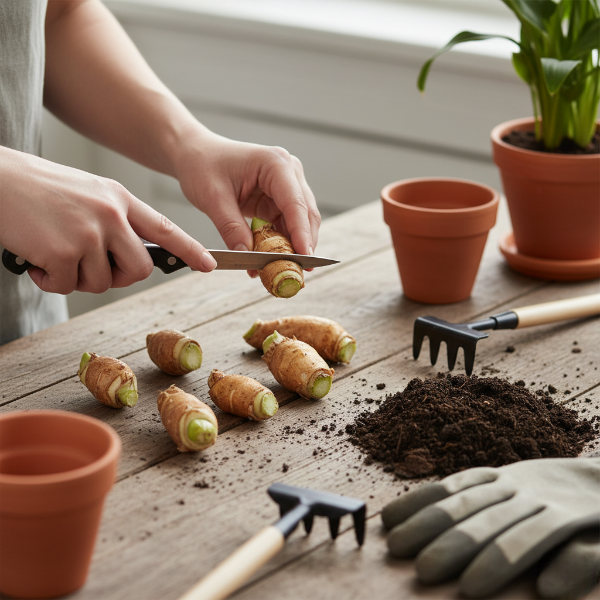
Remove the rhizomes from the soil.
Gently divide them using a clean, sharp knife, ensure each section has a growing eye.
Store divisions in a dry, cool spot for a few weeks.
Replant them in new pots during the next growing season.
This method helps you grow multiple Calla Lilies from one plant, perfect for gifting or expanding your indoor collection.
Dormancy and Re-Blooming Cycle
Calla Lilies naturally go dormant after blooming. Here’s how to manage that cycle indoors:
- Once leaves yellow, reduce watering gradually.
- Let the plant rest for about 8–10 weeks in a cool, dark area (around 50°F or 10°C).
- When dormancy ends, repot with fresh soil, water lightly, and move it to a bright spot again.
- New shoots will appear soon, followed by fresh blooms.
This rest period is key to ensuring healthy flowering year after year.
Benefits of Growing Calla Lily Indoors
- Year-Round Beauty: Enjoy elegant blooms even in winter.
- Air Purification: Helps clean indoor air naturally.
- Low Maintenance: With basic care, it thrives indoors.
- Decor Enhancement: Perfect for modern, classic, or minimalist interiors.
- Therapeutic Value: Caring for plants reduces stress and lifts mood.
Best Companion Plants for Indoor Calla Lilies
If you’re styling an indoor plant corner, pair your Calla Lily with plants that enjoy similar conditions:
| Companion Plant | Why It Works Well |
|---|---|
| Peace Lily | Complements humidity and light needs |
| Snake Plant | Adds vertical contrast and texture |
| Spider Plant | Easy care and similar watering habits |
| Pothos | Great trailing plant for visual balance |
| Ferns | Love humidity and enhance lushness |
Frequently Asked Questions (FAQs)
Yes, they can, but they need a rest period after blooming. Let them go dormant before restarting their growth cycle.
Keep soil moist but not soggy. Typically, watering once a week works, but adjust based on temperature and light.
No. They prefer bright, indirect light. Direct sunlight can scorch their leaves.
Yes, but growing from seeds takes much longer than rhizomes. Rhizomes are the preferred method for faster blooms.
This could be due to dry air, over-fertilization, or too much sunlight. Increase humidity and reduce feeding slightly.
Final Thoughts
Calla Lily bring elegance and freshness to any indoor space, especially during the winter months when nature rests. With a little planning, patience, and the right environment, you can easily grow Calla Lily indoors and enjoy spectacular blooms that defy the cold outside.
From selecting healthy rhizomes to managing dormancy and re-blooming, every step of care adds to the joy of seeing these graceful flowers unfold. So this winter, let your home glow with the warmth and beauty of Calla Lily, a living symbol of grace and renewal.