
The desire to bring the lush beauty of nature indoors is universal, but the fear of accidentally killing a plant often holds beginners back. If you are looking to start your indoor gardening journey with low-maintenance, high-reward greenery, you need plants that are forgiving, adaptable, and nearly indestructible.
This comprehensive guide is your key to cultivating a thriving home jungle without the stress. We have meticulously researched and selected the 15 easiest indoor plants and provided simple, expert-backed easy indoor plant care tips to ensure your success. Say goodbye to brown thumbs and hello to your new green companions!
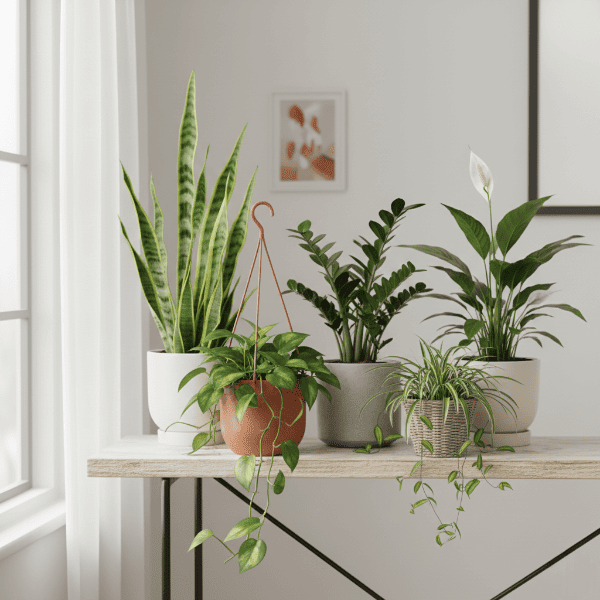
Why Choose Easy Indoor Plants?
Choosing easy indoor plants offers several benefits beyond just aesthetics:
- Forgiveness: They tolerate common beginner mistakes like irregular watering, low light, and temperature fluctuations.
- Low Maintenance: They require minimal attention, freeing up your time while still purifying your air.
- Boosted Confidence: Successfully caring for these plants builds the confidence needed to tackle more challenging varieties later.
1. Pothos (Epipremnum Aureum): The Indestructible Vine
Pothos is often called the “starter plant” for a reason. Its trailing nature and resilience make it one of the absolute easiest indoor plants to care for.
| Care Factor | Simple Instructions |
| Light | Low to Bright, Indirect Light. Tolerates low light but thrives in brighter settings. Variegated varieties (like ‘Marble Queen’) need brighter light to keep their white markings. |
| Water | Allow the top 2 inches of soil to dry completely before watering. Pothos will tell you it’s thirsty by drooping its leaves dramatically. |
| Soil | Standard, well-draining potting mix. |
| Growth Tip | Easily propagated in a glass of water—a great way to get free plants! |
2. Snake Plant (Sansevieria Trifasciata): The Air Purifier
Known for its upright, sword-like leaves, the Snake Plant (or Mother-in-Law’s Tongue) is exceptionally robust. It’s famous for its ability to filter toxins from the air, even at night.
- Light: Highly adaptable. Thrives in bright light but tolerates very low light (perfect for bedrooms or darker offices).
- Water: Water sparingly. This is a succulent, so treat it like one. Allow the soil to dry out almost completely between waterings. Overwatering is the only way to kill it.
- Soil: Use a fast-draining mix, like a cactus/succulent blend.
- Temperature: Prefers warmth but tolerates a wide range of indoor temperatures.
3. ZZ Plant (Zamioculcas Zamiifolia): Tough as Nails
The ZZ Plant is arguably the ultimate easy houseplant. Its thick, waxy leaves and unique growth pattern make it a stylish choice that requires almost no attention.
- Light: Thrives in low light but will grow faster in medium, indirect light. Avoid direct sun.
- Water: Drought tolerant. Water deeply only when the soil is completely dry (usually every 3–4 weeks). It stores water in its rhizomes (underground tubers).
- Soil: Standard potting mix.
- Note: Its drought tolerance makes it perfect for those who travel frequently.
4. Spider Plant (Chlorophytum Comosum): The Prolific Grower
Known for its arching leaves and ability to produce “spiderettes” (baby plantlets) on long stems, the Spider Plant is incredibly resilient and non-toxic to pets.
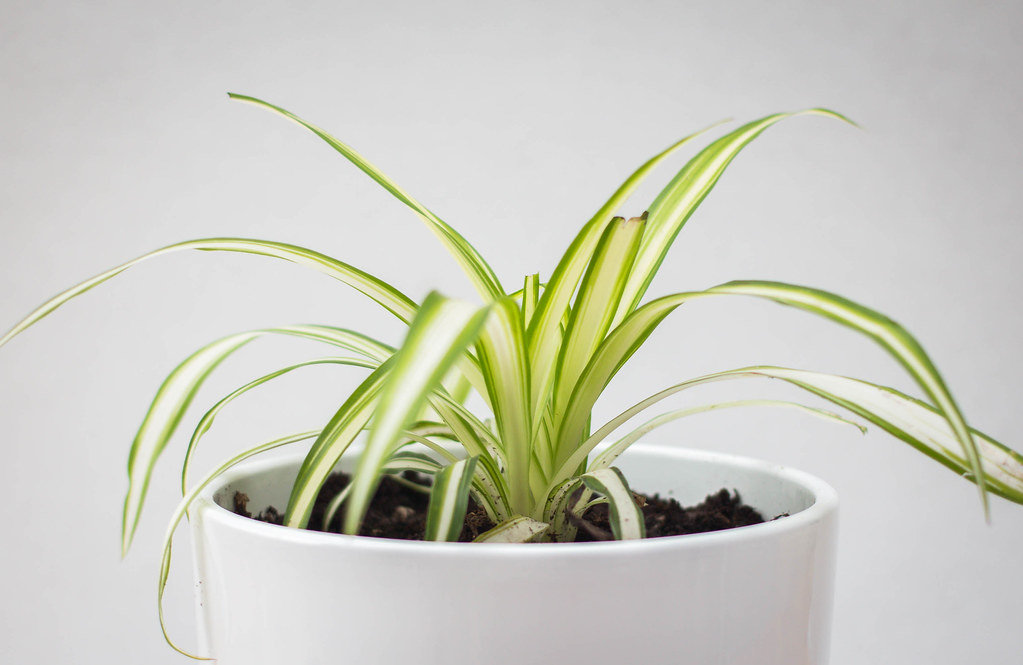
Light: Prefers bright, indirect light but can tolerate lower light levels.
Water: Keep the soil consistently moist during the spring and summer, but allow the top inch to dry out between waterings.
Humidity: Tolerates average home humidity, but if the leaf tips turn brown, it might signal low humidity or mineral buildup from tap water.
Tip: Easily propagate the baby plantlets (spiderettes) in water or directly in soil.
5. Cast Iron Plant (Aspidistra Elatior): The Low-Light Champion
As its name suggests, the Cast Iron Plant is tough enough to survive conditions that would kill most other plants. It is one of the best choices for genuinely dark rooms.
- Light: Prefers low light and shade. Avoid direct sunlight, which can burn its dark green leaves.
- Water: Water when the soil is dry to the touch. It is very forgiving if you forget to water occasionally.
- Growth: Grows very slowly, so you won’t need to repot often.
6. Peace Lily (Spathiphyllum): The Drama Queen
The Peace Lily is a great easy choice because it visibly droops when thirsty, making it impossible to forget watering time. Its white flowers add elegance to any space.
- Light: Medium to Low, Indirect Light. It will flower best in brighter light, but tolerates low light beautifully.
- Water: Keep the soil consistently moist. When you see the leaves start to droop (usually every 4-7 days), it’s time to water.
- Soil: Standard, rich potting mix.
- Tip: If you see green color in the white ‘flower’ (spathe), it’s a sign the plant needs more light.
7. Dracaena (Dragon Tree): The Vertical Statement
Dracaenas come in many forms (Marginata, Massangeana/Corn Plant, etc.) and all are fantastic easy indoor plants known for their upright growth and striped foliage.
- Light: Medium, Indirect Light. Tolerates lower light but growth will slow down.
- Water: Allow the top inch of soil to dry between waterings. Be careful not to overwater.
- Toxicity Warning: Can be toxic to cats and dogs if ingested.
- Note: Sensitive to fluoride and salts in tap water, which can cause brown leaf tips. Use filtered water or rainwater if possible.
8. Succulents (Echeveria, Haworthia, Aloe): Water-Wise Wonders
Succulents are perfect for sunny spots and require minimal watering, making them inherently easy. We’ll focus on the Aloe Vera here for its utility.
- Light: Bright Light is essential. Place near a south or west-facing window.
- Water: Water very sparingly. Allow the soil to dry out completely between waterings (usually every 3–4 weeks). Overwatering is the primary cause of death.
- Soil: Use a cactus/succulent mix with excellent drainage.
- Utility: Aloe Vera gel can be harvested for minor cuts and burns.
9. Air Plants (Tillandsia): No Soil, No Problem
Air Plants are epiphytes, meaning they do not need soil. This completely eliminates the worry of root rot and messy potting.
- Light: Bright, Indirect Light. A few hours of direct morning sun is beneficial.
- Water: Do not water in the traditional sense. Give them a 30-minute soak in a bowl of water once a week.
- Drying: After soaking, shake off excess water and place them upside down to dry completely. Never let them sit wet, as this will cause rot.
10. Cast Iron Plant (Aspidistra Elatior): The Shady Survivor
Already mentioned, but worth repeating for its unbeatable tolerance. If you have a dark corner, this is your solution.
- Light: Handles very low light/shade.
- Water: Water deeply when the soil is dry.
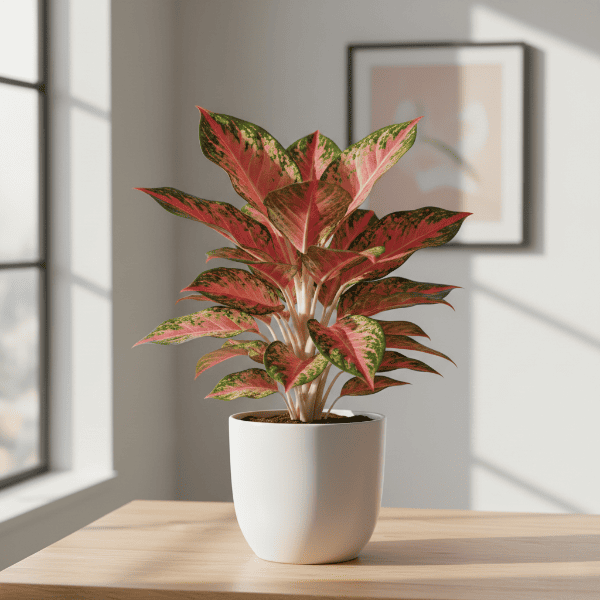
11. Chinese Evergreen (Aglaonema): The Colorful Contender
Modern hybrids of the Chinese Evergreen feature stunning colors (pinks, reds, and silvers) and are incredibly forgiving, making them ideal easy indoor plants.
- Humidity: Appreciates moderate to high humidity.
- Light: Low to Medium, Indirect Light. The colorful varieties retain their colors even in lower light better than most other variegated plants.
- Water: Allow the top inch or two of soil to dry between waterings. It prefers consistent moisture.
12. Dumb Cane (Dieffenbachia): The Bold Foliage
With large, patterned leaves, the Dumb Cane makes a striking statement. It is one of the quickest growing easy indoor plants.
- Light: Bright, Indirect Light. Too little light causes it to become leggy; too much direct light can scorch the leaves.
- Water: Keep the soil consistently moist but not soggy. Avoid letting it dry out completely.
- Toxicity Warning: The sap is irritating and toxic if ingested, hence the name ‘Dumb Cane’. Handle with gloves and keep away from pets and small children.
13. Philodendron (Heartleaf): The Classic Trailing Plant
The Heartleaf Philodendron is one of the most popular and easiest indoor plants for its quick, abundant growth and adaptability.
- Light: Low to Medium, Indirect Light. Avoid direct sun.
- Water: Allow the top inch of soil to dry completely between waterings. Very tolerant of missed waterings.
- Growth Tip: Trailing stems can be cut and easily rooted in water to make new plants.
14. Christmas Cactus (Schlumbergera): Seasonal Blooms
Unlike desert cacti, this plant is an epiphyte from tropical forests, making its care slightly different—and much easier indoors than a desert succulent.
- Light: Bright, Indirect Light. Avoid direct midday sun.
- Water: Keep the soil evenly moist during the growing and blooming season (Fall/Winter). Allow the top inch to dry between waterings.
- Blooming Tip: To encourage blooms, provide 12–14 hours of uninterrupted darkness each night starting in early October for about 6-8 weeks.
15. Herbs (Mint, Rosemary, Basil): Functional & Easy
While not purely decorative, many common herbs are surprisingly easy to grow indoors near a bright window, offering functionality alongside beauty.
| Herb | Light Requirement | Watering Requirement |
| Mint | Bright, direct light (south/west window). | Keep soil consistently moist. |
| Rosemary | Lots of direct sun (8+ hours). | Allow soil to dry slightly between waterings. |
| Basil | Very bright light (south-facing window). | Keep soil moist; intolerant of drying out. |
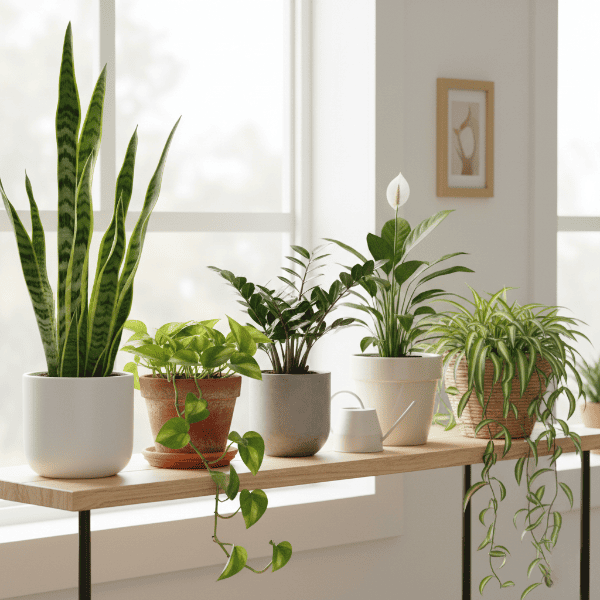
Simple Care Guide for All Easy Indoor Plants
No matter which easy indoor plants you choose, these core principles guarantee success:
| Care Component | Beginner’s Best Practice |
| The #1 Killer | Overwatering. Always check the soil before watering. When in doubt, wait one more day! |
| Drainage | Always use a pot with a drainage hole. Never let the pot sit in standing water. |
| Fertilization | Use a balanced liquid fertilizer (diluted to half strength) only once a month during the growing season (Spring/Summer). Fertilize only moist soil. |
| Repotting | Repot only when the plant is severely root-bound (roots emerging from holes), usually every 1–2 years. |
| Pest Check | Inspect the undersides of leaves monthly. If you see tiny bugs or webbing, treat immediately with Neem Oil or insecticidal soap. |
Frequently Asked Questions (FAQs) about Easy Indoor Plants
The ZZ Plant is often considered the most forgiving houseplant. It tolerates very low light, requires watering only every few weeks, and is highly resistant to pests and diseases.
In the winter, almost all houseplants go into a period of dormancy, and less light means less water evaporation. You must reduce your watering frequency by at least 50%. Always wait for the soil to dry out even more than you would in the summer.
This is typically caused by two things: low humidity (common during winter) or chemical buildup from tap water (salts and fluoride). Try using a humidifier or switching to filtered/distilled water.
Many popular easy plants are toxic. Safe options include the Spider Plant, Parlor Palm, Prayer Plant, and certain varieties of Hoya (Wax Plant). Always check the ASPCA website if you have pets.
While the Snake Plant and ZZ Plant tolerate very low light, zero natural light is challenging for any plant long-term. If you have no windows, you must supplement with a full-spectrum LED grow light for 10-12 hours a day.
Conclusion: Your Indoor Gardening Success Story Starts Now
Starting your journey with easy indoor plants is the most reliable way to cultivate a love for gardening and enjoy the immense benefits of indoor greenery. By choosing resilient varieties like the Pothos, Snake Plant, or ZZ Plant, and focusing on the core principle of avoiding overwatering, you eliminate the guesswork and stress.
The plants listed here are designed to thrive on neglect, making them perfect additions to any home, no matter your schedule or experience level. Pick your favorites, find a bright spot, and watch your indoor garden flourish.