
Succulents are loved for their unique shapes, vibrant colors, and ability to survive in tough conditions. Whether you’re new to houseplants or already a plant enthusiast, learning how to care for succulents is essential to keeping these hardy plants healthy and thriving.
Although succulents are low-maintenance, they still have specific needs when it comes to light, water, soil, and temperature. Once you understand their natural environment and how to mimic it, these plants can reward you with years of beautiful growth.
What Are Succulents?

Succulents are plants that store water in their leaves, stems, or roots. This natural adaptation allows them to survive long periods of drought. Their thick, fleshy leaves are designed to retain moisture, making them perfect for people who tend to forget watering schedules.
There are thousands of succulent species, including popular varieties like Aloe Vera, Jade Plant, Echeveria, Haworthia, Sedum, and Crassula. Each has slightly different care requirements, but most thrive under the same basic conditions.
1. Light Requirements for Healthy Succulents
Sunlight is one of the most important factors when learning how to care for succulents. These plants love bright light, and in most cases, they need at least six hours of indirect sunlight per day.
Indoor Succulents
- Place them near a south- or east-facing window where they can soak up morning sunlight.
- Rotate your plants every few weeks to encourage even growth.
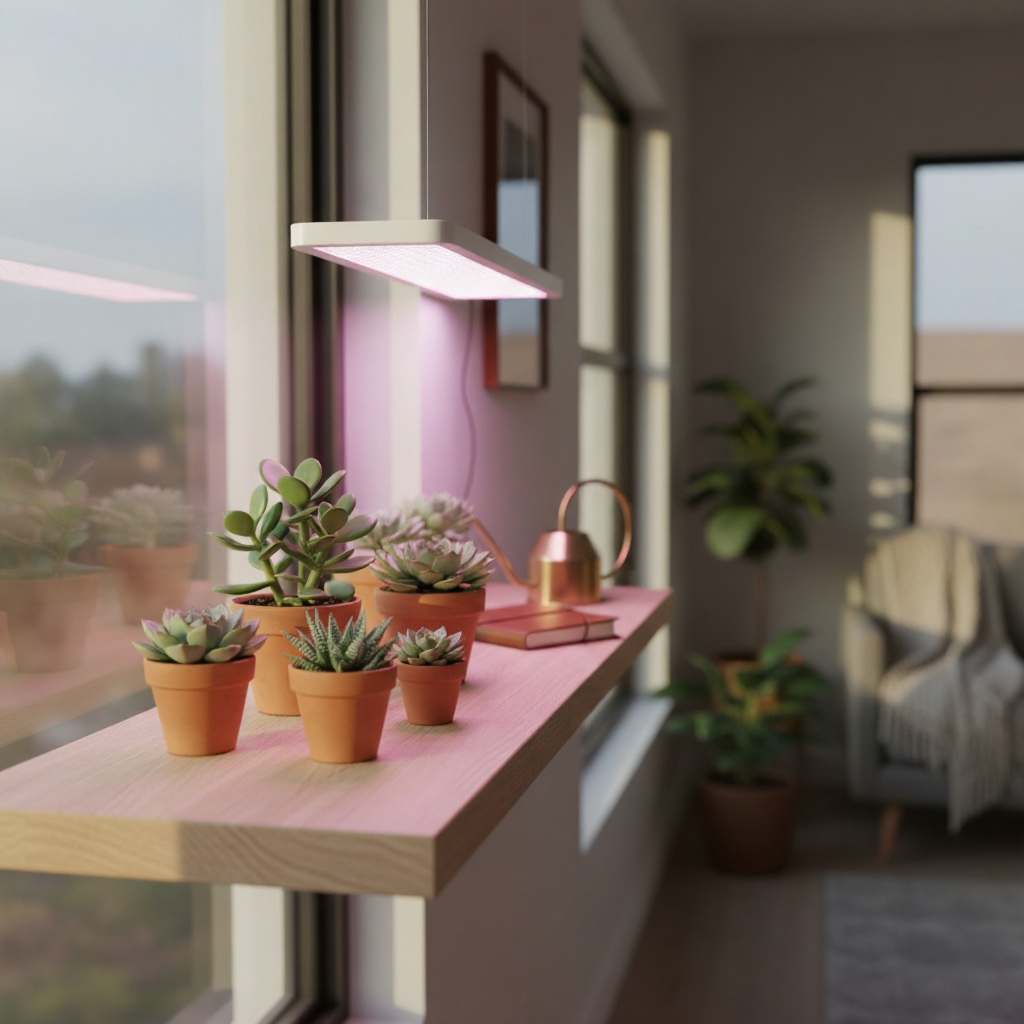
- If your home doesn’t receive enough natural light, use LED grow lights designed for houseplants.
Outdoor Succulents
- Choose a spot with partial to full sun depending on the plant variety.
- In hot climates, protect them from the harsh afternoon sun to avoid leaf burn.
Tip: If your succulent starts stretching or leaning toward the light, it’s a sign it needs more sunlight.
2. Watering Succulents the Right Way
When it comes to watering, less is more. Overwatering is the number one reason most succulents die.
The Best Watering Technique
- Water deeply but infrequently. Soak the soil until water runs out from the drainage holes.
- Allow the soil to dry out completely before watering again.
- Never let succulents sit in standing water, their roots will rot quickly.
Seasonal Watering Tips
- During spring and summer (growing season), water every 1–2 weeks.
- In fall and winter (dormant season), reduce watering to once every 3–4 weeks.
Remember: It’s always safer to underwater than overwater succulents.
3. The Right Soil Mix for Succulents
Succulents need well-draining soil to thrive. Regular potting soil holds too much moisture, which can lead to root rot.
Ideal Soil Recipe:
- 2 parts cactus mix or potting soil
- 1 part coarse sand
- 1 part perlite or pumice
This combination provides excellent drainage and allows air to circulate the roots.
If you prefer a ready-made option, look for “Cactus & Succulent Soil Mix” at garden centers or online.
4. Choosing the Best Pot for Succulents
The right pot can make all the difference. Always choose containers with drainage holes to prevent excess water from accumulating at the bottom.
- Terracotta or clay pots are ideal because they absorb moisture.
- Avoid decorative pots without drainage unless used with an inner plastic pot.
Repotting every 1–2 years helps refresh the soil and gives your succulent more room to grow.
5. Temperature and Humidity
Succulents thrive in warm, dry conditions, similar to desert environments.
- Ideal temperature: 60°F to 80°F (15°C to 27°C)
- Winter care: Keep them above 50°F (10°C)
- Humidity: Low humidity is best. Too much moisture can cause fungal problems.
Keep your succulents away from air conditioners, heaters, and humidifiers that can stress the plants.
6. Fertilizing Succulents
While succulents don’t need frequent feeding, a little fertilizer during the growing season can promote stronger roots and vibrant growth.
- Use a balanced, water-soluble fertilizer diluted to half strength.
- Apply once every 4–6 weeks in spring and summer.
- Avoid fertilizing during winter when plants are dormant.
Too much fertilizer can cause leggy growth and weaken the plant, so always follow the recommended dosage.
7. Pruning and Cleaning
Regular pruning keeps your succulents tidy and encourages new growth.
- Remove dead or dried leaves from the base.
- Trim leggy stems with sterilized scissors.
- Wipe the leaves occasionally to remove dust and allow them to breathe.
Pruning also helps prevent pests like mealybugs from hiding in dried foliage.
8. Propagation: Growing New Succulents
One of the joys of succulent care is propagation, growing new plants from existing ones.
Propagating from Leaves:
- Gently twist a healthy leaf off the plant, ensuring a clean break.
- Let the leaf dry for 2–3 days until the cut end forms a callus.
- Place it on top of moist, well-draining soil.
- Mist lightly every few days until roots and a new rosette form.
Propagating from Stem Cuttings:
- Cut a healthy stem below a leaf node.
- Allow the cut to dry for several days.
- Plant the stem in soil and water lightly until roots develop.
Propagation is easy and rewarding, especially for Echeveria, Crassula, and Graptopetalum species.
9. Common Succulent Problems (and How to Fix Them)
| Problem | Cause | Solution |
|---|---|---|
| Mushy leaves | Overwatering | Allow soil to dry completely; repot if needed |
| Wrinkled leaves | Underwatering | Give a deep soak |
| Stretched growth | Not enough light | Move to a brighter location |
| Brown leaf tips | Dry air or underwatering | Water deeply and adjust humidity slightly |
| Pests (mealybugs, aphids) | Poor airflow | Use neem oil or insecticidal soap |
10. Seasonal Succulent Care

Each season brings different needs for your succulents:
- Spring: Repot, fertilize, and resume regular watering.
- Summer: Protect from intense heat; water more frequently.
- Autumn: Gradually reduce watering as growth slows.
- Winter: Keep in bright light and water sparingly.
These small adjustments help succulents stay strong and beautiful all year.
FAQs About How to Care for Succulents
Only when the soil is completely dry. Overwatering is the leading cause of succulent death.
Yes, most succulents grow beautifully indoors as long as they get enough light and proper drainage.
They prefer bright, indirect light. A few hours of morning sun is ideal.
No. Misting encourages rot. Water the soil directly instead.
It could be due to too much water, poor soil drainage, or lack of sunlight.
Final Thoughts
Learning how to care for succulents is all about balance, giving them enough light, watering correctly, and using the right soil. Once you understand their needs, succulents are some of the easiest and most rewarding plants to grow.
Their stunning shapes, vibrant colors, and resilience make them the perfect choice for anyone who wants a touch of nature with minimal maintenance. With a little attention and the right care, your succulents will stay healthy and beautiful for years to come.