
Hydroponic gardening is revolutionizing the way we grow plants. Instead of relying on traditional soil, hydroponics uses nutrient-rich water solutions to feed plants directly at their roots. This efficient and sustainable growing method has become popular among both home gardeners and commercial farmers who want faster growth, healthier plants, and higher yields, all while conserving water and space.
Understanding Hydroponic Gardening

Hydroponic gardening is a soilless cultivation method where plant roots grow in a controlled environment and receive nutrients through water enriched with essential minerals. The goal is to eliminate soil as the medium and provide plants with a direct, easily absorbable food source.
Because the roots have constant access to oxygen, water, and nutrients, plants grow faster and are often healthier than their soil-grown counterparts. Hydroponics can be practiced indoors or outdoors, making it a flexible solution for urban gardeners or those with limited space.
How Hydroponics Works
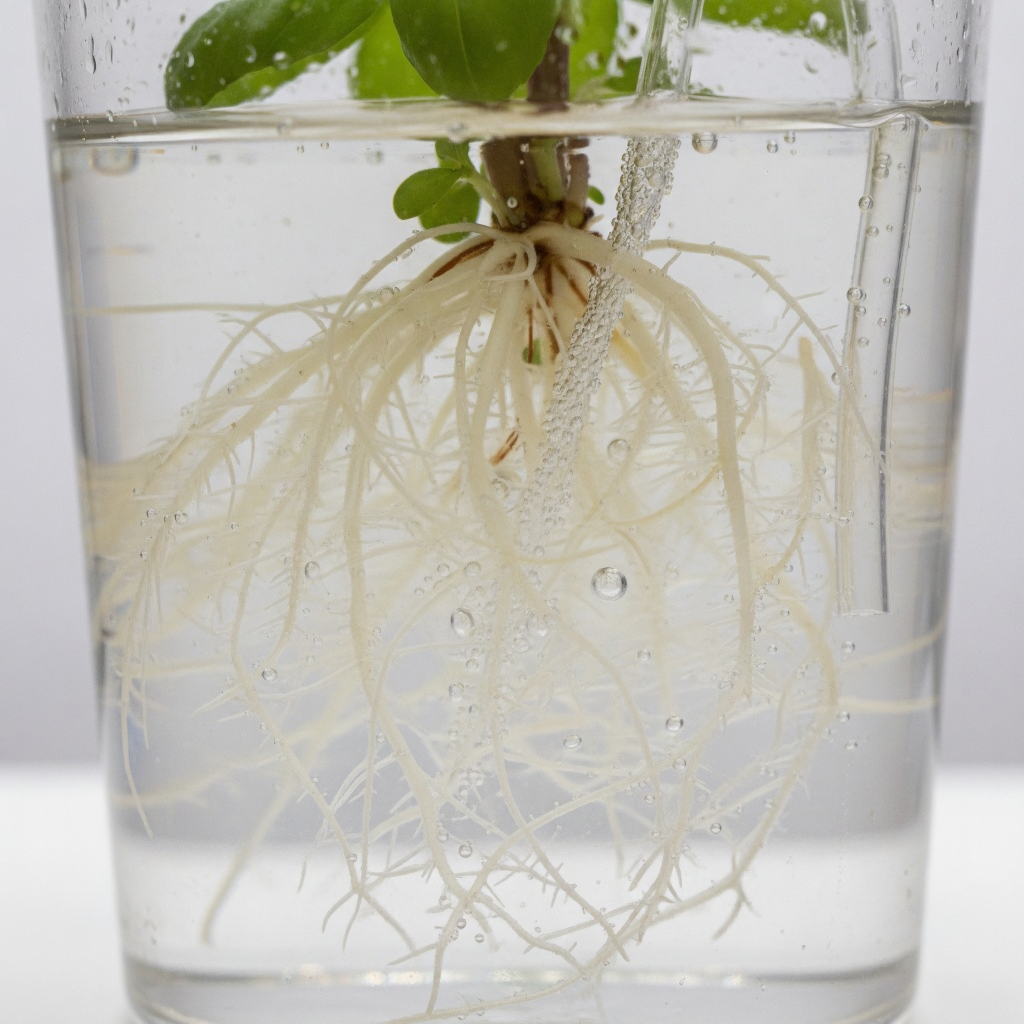
Hydroponic systems work by suspending plant roots in either water or a neutral growing medium such as perlite, coco coir, clay pebbles, or rockwool. A nutrient solution, carefully mixed to include elements like nitrogen, phosphorus, potassium, calcium, and magnesium, flows around the roots.
The system also ensures oxygen circulation through air pumps or oxygenated water, which prevents root rot and promotes steady growth.
Since nutrients are delivered directly, plants don’t have to expend energy searching for them, meaning they can focus entirely on growth and productivity.
Major Benefits of Hydroponic Gardening
1. Faster Growth and Higher Yields
Plants grown hydroponically can grow up to 50% faster than those in soil. The direct access to nutrients and oxygen boosts metabolic activity and plant development.
2. Water Conservation
Hydroponic gardening uses up to 90% less water compared to soil gardening because the system recycles and reuses the nutrient solution.
3. Space Efficiency
Vertical hydroponic systems allow you to grow many plants in a small footprint, making them perfect for apartments, balconies, and greenhouses.
4. Fewer Pests and Diseases
No soil means no soil-borne pests, weeds, or diseases, significantly reducing the need for pesticides.
5. Year-Round Cultivation
Since most systems are set up indoors or in controlled environments, plants can be grown year-round, regardless of season or weather.
Common Types of Hydroponic Systems
1. Deep Water Culture (DWC)
Plants are suspended in an oxygenated nutrient solution. This system is simple, affordable, and ideal for beginners.
2. Nutrient Film Technique (NFT)
A thin layer of nutrient solution flows continuously over the roots through sloped channels. It’s efficient and best suited for lightweight crops like lettuce or herbs.
3. Ebb and Flow (Flood and Drain)
Roots are periodically flooded with nutrient water and then drained. This alternation allows for proper hydration and oxygenation.
4. Wick System
A passive setup where wicks pull nutrient solution from a reservoir to the plant roots, perfect for small herbs or indoor plants.
5. Aeroponics
Roots hang in the air and are misted with nutrient water. This high-tech system provides maximum oxygen and nutrient absorption, leading to extremely rapid growth.
6. Drip System
Nutrient solution is slowly dripped onto the base of each plant, allowing precise control and minimal waste.
Best Plants to Grow in Hydroponics
Hydroponic gardening can support a wide variety of plants. However, some species thrive particularly well:
- Leafy greens – Lettuce, spinach, kale, Swiss chard
- Herbs – Basil, mint, cilantro, oregano, parsley
- Fruiting plants – Tomatoes, peppers, cucumbers, strawberries
- Flowers – Orchids, geraniums, petunias
These plants benefit from consistent moisture and nutrients and do not require deep root systems.
Challenges of Hydroponic Gardening
While hydroponics offers efficiency, it also demands careful monitoring:
- Initial Investment – Pumps, grow lights, and nutrient systems can be costly upfront.
- Technical Maintenance – Systems need regular cleaning, and pH or nutrient levels must be balanced.
- Electricity Dependence – Pumps and lighting systems rely on power; any failure can affect growth.
- Learning Curve – Beginners need to understand nutrient ratios, water circulation, and lighting schedules for success.
Setting Up a Basic Home Hydroponic System

- Choose a Location: A bright, well-ventilated space indoors or in a greenhouse.
- Select a System Type: Start with DWC or Wick System for simplicity.
- Pick a Growing Medium: Use coco coir or clay pebbles for good root support.
- Mix Nutrient Solution: Use a balanced hydroponic nutrient mix and maintain pH around 5.8–6.5.
- Ensure Proper Lighting: Use LED grow lights if natural light is limited.
- Monitor Regularly: Check pH, nutrient strength, and water temperature daily.
With consistent care, your hydroponic setup can produce healthy, high-yield crops year-round.
Environmental Impact of Hydroponics
Hydroponic systems are more sustainable than traditional agriculture. They use significantly less land and water and reduce chemical runoff. Many large farms are turning to hydroponics to grow food closer to urban areas, minimizing transportation and carbon emissions.
While the energy cost for artificial lighting can be high, advancements in LED efficiency are making hydroponic systems increasingly eco-friendly.
FAQs About Hydroponic Gardening
Yes. Simple systems like Wick or Deep Water Culture are easy to set up and maintain.
Typically every two to three weeks, depending on plant growth and water quality.
Yes, but it should be tested and adjusted for pH and chlorine levels before use.
They need light for photosynthesis, but you can use LED grow lights if natural light isn’t available.
Absolutely. They are clean, pesticide-free, and often more nutrient-dense than soil-grown vegetables.
Yes, if organic nutrient solutions and pest-management practices are used.
The ability to grow more food in less space, using less water, and with faster results.
Final Thoughts
Hydroponic gardening is the future of sustainable agriculture. It’s efficient, clean, and adaptable to any environment, from city apartments to large farms. Whether you’re a beginner growing herbs at home or a professional cultivating vegetables commercially, hydroponics offers endless possibilities for healthy, eco-friendly food production.