
Succulent plants have become one of the most popular plant groups for homes and gardens around the world. Their thick, fleshy leaves, unusual shapes, and ability to survive with minimal water make them ideal for beginners and experienced gardeners alike. From small indoor pots to outdoor rock gardens, succulents fit almost anywhere.
This guide explains the types of succulent plants, how they are classified, where they grow best, and how to choose the right succulents for your space.
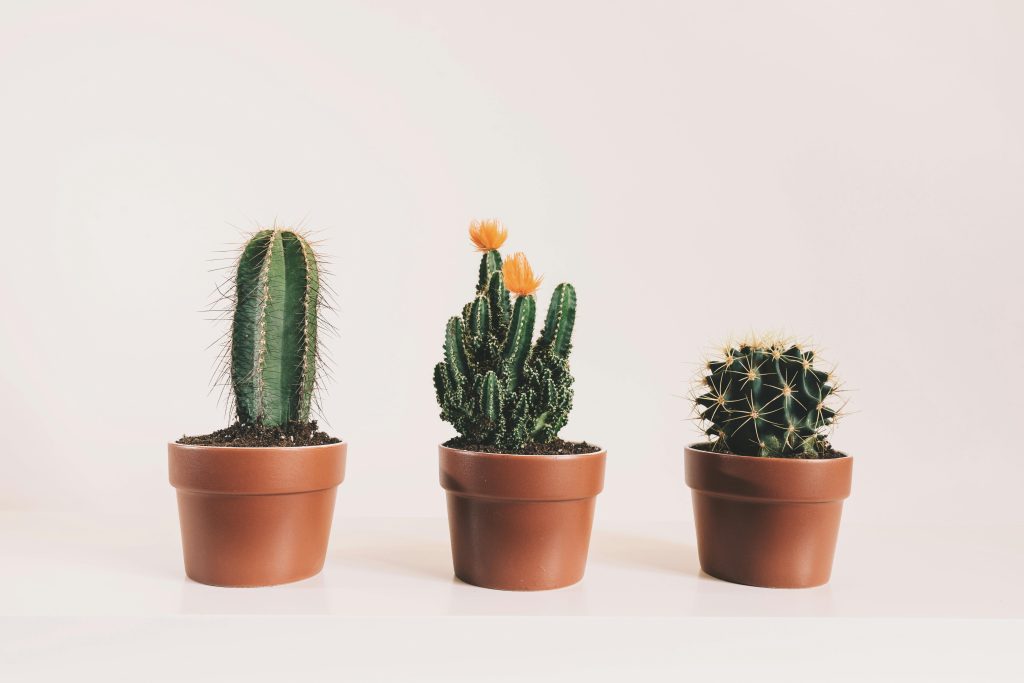
What Are Succulent Plants?
Succulent plants are plants that store water in their leaves, stems, or roots. This adaptation allows them to survive in dry climates where rainfall is limited.
Common characteristics of succulent plants:
- Thick, fleshy leaves or stems
- Waxy or powdery leaf coating to reduce water loss
- Slow growth rate
- Ability to tolerate drought conditions
Succulents naturally grow in deserts, rocky hillsides, coastal areas, and dry grasslands.
Why Succulent Plants Are So Popular
Succulents are popular not just for their appearance, but also for their practicality.
Reasons people love succulents:
- Low watering needs
- Unique leaf shapes and colors
- Suitable for indoor and outdoor use
- Easy to propagate
- Require minimal maintenance
Because of these qualities, succulents are ideal for modern homes, apartments, and busy lifestyles.
Main Types of Succulent Plants
Succulents are grouped based on how they grow and where they store water. Below are the major types of succulent plants, explained clearly.
1. Rosette-Forming Succulent Plants
These succulents grow in a circular, rose-like pattern with leaves radiating from a central point.
Examples of rosette succulents:
- Echeveria
- Sempervivum (Hens and Chicks)
- Aeonium
Key features:
- Compact growth habit
- Highly decorative leaf arrangement
- Leaf color often changes with sunlight and temperature
Best location:
Indoor pots, rock gardens, container gardens
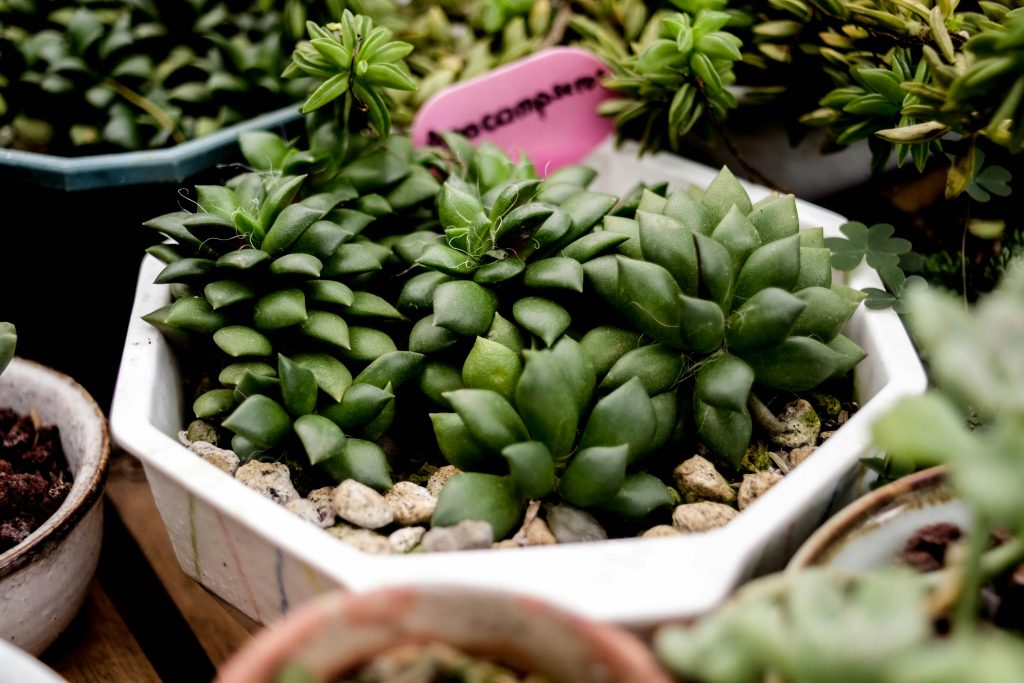
2. Leaf Succulent Plants
Leaf succulents store most of their water in thick, fleshy leaves. This is the most common type of succulent.
Examples of leaf succulents:
- Aloe
- Jade Plant (Crassula ovata)
- Kalanchoe
Key features:
- Soft or firm fleshy leaves
- Easy to propagate from leaves or cuttings
- Beginner-friendly
Best location:
Sunny windows, balconies, indoor containers
3. Stem Succulent Plants
Stem succulents store water primarily in their stems instead of leaves. Many have very small leaves or no leaves at all.
Examples of stem succulents:
- Cactus
- Euphorbia
- Pencil Plant
Key features:
- Thick or swollen stems
- Extremely drought tolerant
- Often mistaken for cacti
Best location:
Outdoor gardens, bright sunlight areas
4. Trailing or Hanging Succulent Plants
These succulents grow long stems that trail over the edge of containers, making them ideal for vertical displays.
Examples of trailing succulents:
- String of Pearls
- Burro’s Tail
- String of Hearts
Key features:
- Cascading growth habit
- Attractive in hanging baskets
- Spread quickly when healthy
Best location:
Hanging pots, shelves, wall planters
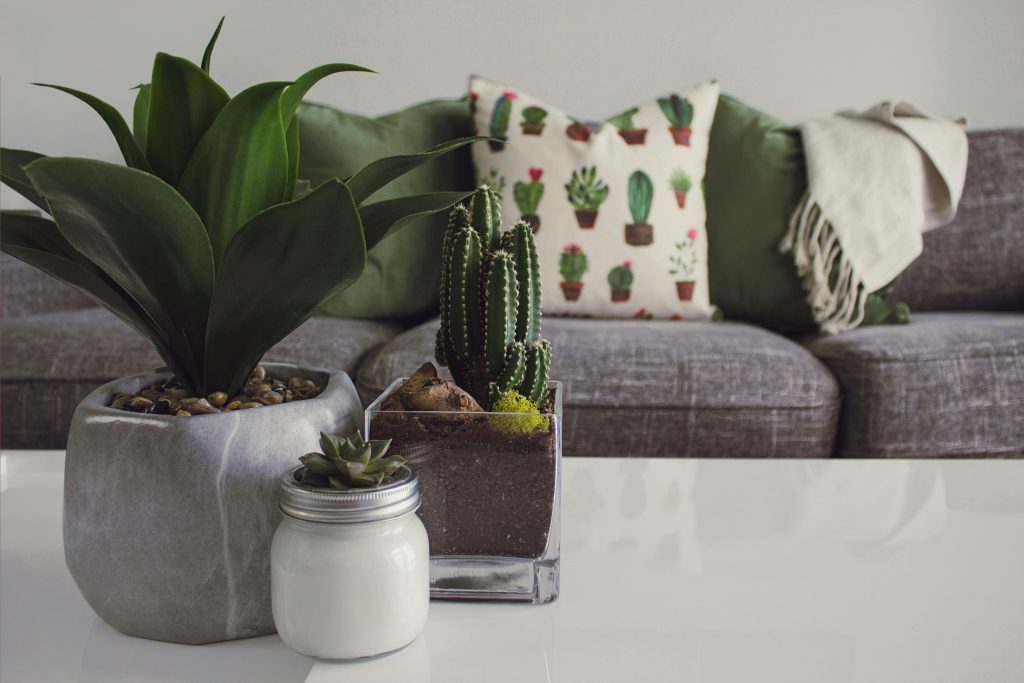
5. Clumping or Offsetting Succulent Plants
These succulents grow in clusters by producing offsets or “pups” around the main plant.
Examples of clumping succulents:
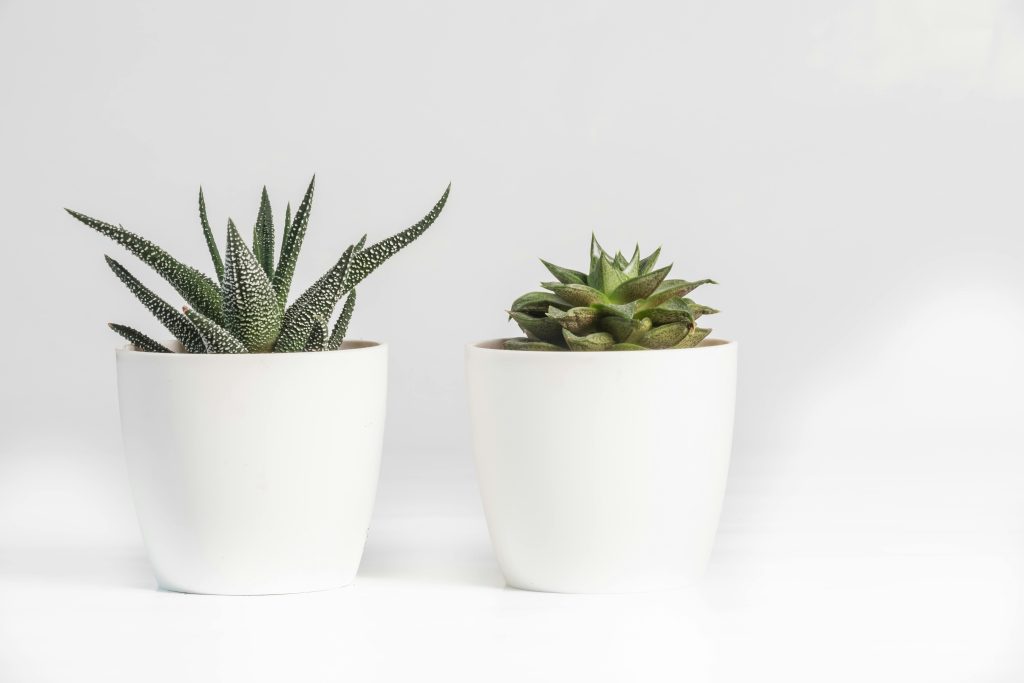
- Haworthia
- Gasteria
- Aloe varieties
Key features:
- Multiply naturally over time
- Easy to divide and replant
- Long-lasting plants
Best location:
Wide pots, shallow containers, outdoor beds
6. Tree-Like Succulent Plants
Tree-like succulents develop woody stems and resemble miniature trees or shrubs.
Examples of tree-like succulents:
- Jade Plant
- Elephant Bush
Key features:
- Thick trunks and branches
- Slow but long-lived growth
- Can be shaped like bonsai
Best location:
Indoor corners, patios, large pots
Popular Types of Succulent Plants (Quick Overview)
| Succulent Type | Growth Pattern | Best Placement |
|---|---|---|
| Echeveria | Rosette | Indoor / Outdoor |
| Aloe | Leaf | Indoor |
| Jade Plant | Tree-like | Indoor |
| Cactus | Stem | Outdoor |
| String of Pearls | Trailing | Hanging baskets |
| Haworthia | Clumping | Indoor |
How to Choose the Right Type of Succulent Plant
Choosing the right succulent depends on your environment and experience.
Consider these factors:
- Light availability: Bright sun or indirect light
- Space: Trailing or upright growth
- Indoor vs outdoor use: Climate tolerance
- Watering habits: Some tolerate neglect better
Beginners should start with hardy succulents like jade plants, aloe, or haworthia.
Basic Care Requirements for All Succulent Plants
Although types vary, most succulents share similar care needs.
General succulent care tips:
- Use well-draining soil
- Allow soil to dry completely before watering
- Provide adequate sunlight
- Avoid standing water
- Use pots with drainage holes
Common Problems in Succulent Plants
Even low-maintenance plants can develop issues.
Common problems include:
- Overwatering: Leads to root rot
- Low light: Causes stretched growth
- Poor drainage: Encourages fungal disease
- Pests: Mealybugs and spider mites
Healthy growing conditions prevent most problems.
Frequently Asked Questions (FAQs)
There are thousands of succulent species across multiple plant families.
Many can, but some require full outdoor sunlight.
Yes, most succulents are easy to care for and forgiving.
Light feeding during the growing season is sufficient.
Conclusion
Succulent plants offer an incredible variety of shapes, sizes, and growth habits. By understanding the types of succulent plants, you can confidently select varieties that suit your space, lighting conditions, and lifestyle. Whether you prefer compact rosettes, trailing succulents, or tree-like forms, succulents provide beauty with minimal effort.