
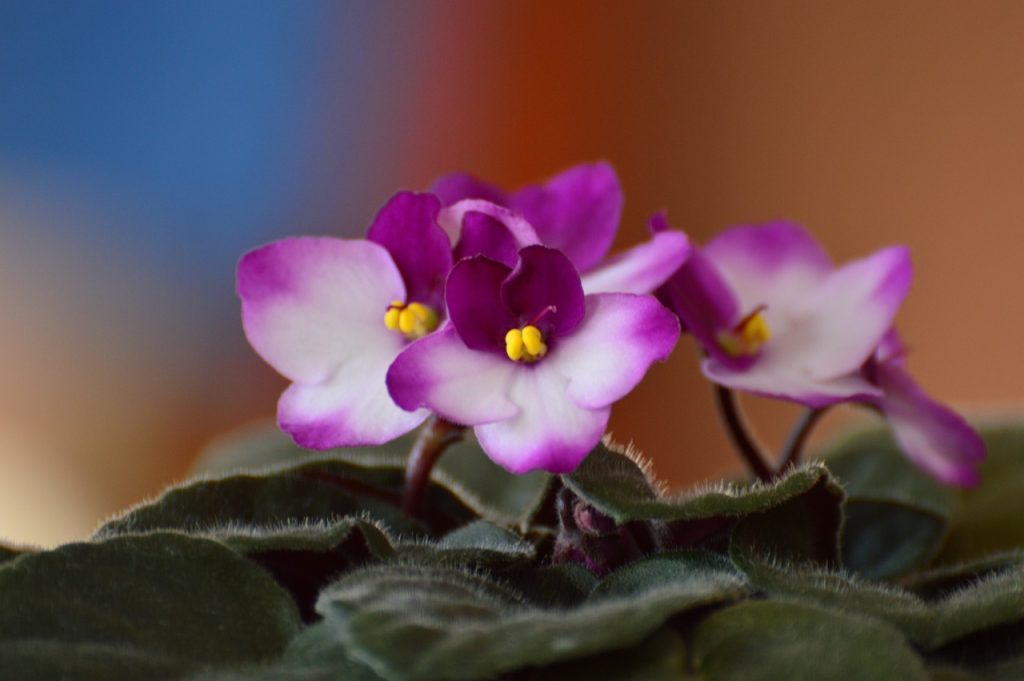
African violets (Saintpaulia) are among the most popular houseplants in the world. With their velvety leaves and vibrant blossoms in shades of purple, pink, white, and blue, they bring year-round beauty to indoor spaces. But while they are beloved for their charm, many beginners struggle to keep them thriving. This comprehensive guide will walk you through everything you need to know about African violet care—from light and watering to soil, fertilization, and common problems. By the end, you’ll have the confidence to grow these stunning plants successfully in your home.
Introduction to African Violets
Native to Tanzania and other regions of East Africa, African violets were first discovered in the late 19th century. They quickly became a favorite indoor plant due to their ability to bloom multiple times per year under the right conditions.
Today, there are thousands of hybrid varieties available, ranging from miniature forms to trailing types. Despite their delicate look, with proper care they can live for decades.
African Violet Care Basics
1. Light Requirements
- Bright, indirect light is ideal.
- Place them near an east- or north-facing window.
- Avoid direct sunlight—it can scorch their leaves.
- If natural light is limited, grow lights are an excellent alternative.
Pro tip: Rotate your pot every week to encourage even growth.
2. Watering African Violets
Watering is one of the most critical aspects of African violet care.
- Use room-temperature, filtered, or distilled water.
- Avoid getting water on the leaves—it causes spotting.
- Bottom watering (filling the saucer and letting the plant absorb) is recommended.
- Keep the soil moist but never soggy.
Frequency: Usually once a week, but adjust based on the season and environment.
3. Soil and Potting Mix
African violets thrive in light, airy soil.
- Use a specialized African violet potting mix or create your own blend:
- 1 part peat moss
- 1 part perlite
- 1 part vermiculite
- The soil should drain well while retaining enough moisture for roots.
- Repot every 6–12 months to refresh the soil and prevent root binding.
4. Temperature and Humidity
- Ideal temperature: 65–75°F (18–24°C).
- Avoid drafts and sudden temperature fluctuations.
- Humidity: They prefer around 50–60%. If your air is dry, place a humidity tray or small humidifier nearby.
5. Fertilization
- Fertilize with a balanced, water-soluble fertilizer (e.g., 20-20-20).
- Feed every 2–4 weeks during active growth.
- Reduce feeding in winter when growth slows.
6. Flowering and Deadheading
African violets can bloom year-round when properly cared for.
- Remove spent flowers regularly to encourage new blooms.
- Provide 12–14 hours of light daily for consistent flowering.
- Avoid overcrowding, as plants need airflow to stay healthy.
Common Problems and Solutions
| Problem | Cause | Solution |
|---|---|---|
| Yellow leaves | Overwatering or poor drainage | Check soil moisture, improve drainage |
| No blooms | Low light or improper fertilization | Increase light, use bloom-boosting fertilizer |
| Leaf spots | Water on leaves | Switch to bottom watering |
| Root rot | Constant soggy soil | Repot in fresh, well-draining soil |
| Powdery mildew | Poor air circulation | Improve airflow, avoid overhead watering |
Propagation of African Violets
One of the joys of African violets is how easy they are to propagate.
Leaf Cuttings
- Choose a healthy leaf and cut it with a short stem (petiole).
- Insert the stem into moist potting mix.
- Cover with a plastic dome or bag to maintain humidity.
- In 6–8 weeks, baby plants (called “pups”) will begin to grow.
Division
For mature, overcrowded plants, gently separate crowns and repot them individually.
African Violet Varieties
Some popular African violet types include:
- Standard varieties: Classic, medium-sized plants.
- Miniatures: Tiny violets perfect for small spaces.
- Double-flowered varieties: Roselike blooms in vibrant colors.
- Trailing varieties: Cascading growth, ideal for hanging baskets.

African Violet Care Tips for Beginners
- Always use pots with drainage holes.
- Avoid moving the plant frequently—they prefer consistency.
- Clean dusty leaves with a soft brush rather than water.
- Grouping violets can help maintain higher humidity levels.
- Watch for pests like aphids, thrips, and mealybugs—treat early with insecticidal soap.
FAQs About African Violet Care
With proper care, they can live up to 50 years or more.
No. They need bright, indirect light. Direct sun can burn their leaves.
Usually once a week, but frequency depends on temperature, light, and humidity.
Yes, if there is bright indirect light and consistent humidity.
The most common reasons are insufficient light, improper fertilization, or overgrown crowns that need repotting.
Final Thoughts
Caring for African violets may seem challenging at first, but once you understand their needs, they reward you with vibrant, continuous blooms. By focusing on proper light, watering, soil, and fertilization, you can grow thriving African violets that brighten your home for years to come.
Whether you’re a beginner or a seasoned indoor gardener, mastering African violet care ensures that these timeless plants remain healthy, happy, and full of life.