
Common indoor plants bring life and freshness to homes, offices, and apartments around the world. These plants feature in almost every space because they offer beauty, air purification, and a touch of nature with little effort. Shoppers find them in stores, and owners love their reliability. Common indoor plants stand out as the go-to choice for anyone starting out.
Studies show these plants improve mood and focus, turning plain rooms into calming retreats. They absorb toxins like formaldehyde, creating healthier air indoors. No green thumb required; their popularity stems from real results in daily life.

What Makes Indoor Plants “Common”?
Plants earn the label common indoor plants through widespread use and proven track record. They show up in everyday settings due to high availability in stores and strong adaptability to indoor conditions. Beginners grow them easily because they handle typical home environments like varying temperatures and occasional neglect.
Here are key reasons these plants are widely used indoors:
- Easy access to garden centers and supermarkets.
- Tough nature that fits busy lifestyles.
- Versatile looks for any decor style.
- Proven health benefits like better air quality.
Types of Common Indoor Plants You Often See
Common indoor plants group by growth style, which helps match them to your space. This simple breakdown covers most indoor plants.
- Leafy green indoor plants
These have broad, vibrant leaves that create lush displays. They suit shelves and tables. Examples include peace lily and philodendron. - Tall indoor plants for floors
These reach heights of 3 to 10 feet with upright stems. They fill corners dramatically. Examples include rubber plant and parlor palm. - Trailing and hanging indoor plants
Vines cascade from pots or baskets for vertical interest. They soften high spots. Examples include pothos and money plant.
Most Common Indoor Plants for Homes
This section spotlights 10 popular indoor plants that define common indoor plants. Each thrives in homes and deserves a spot in yours.
Snake Plant (Sansevieria trifasciata)
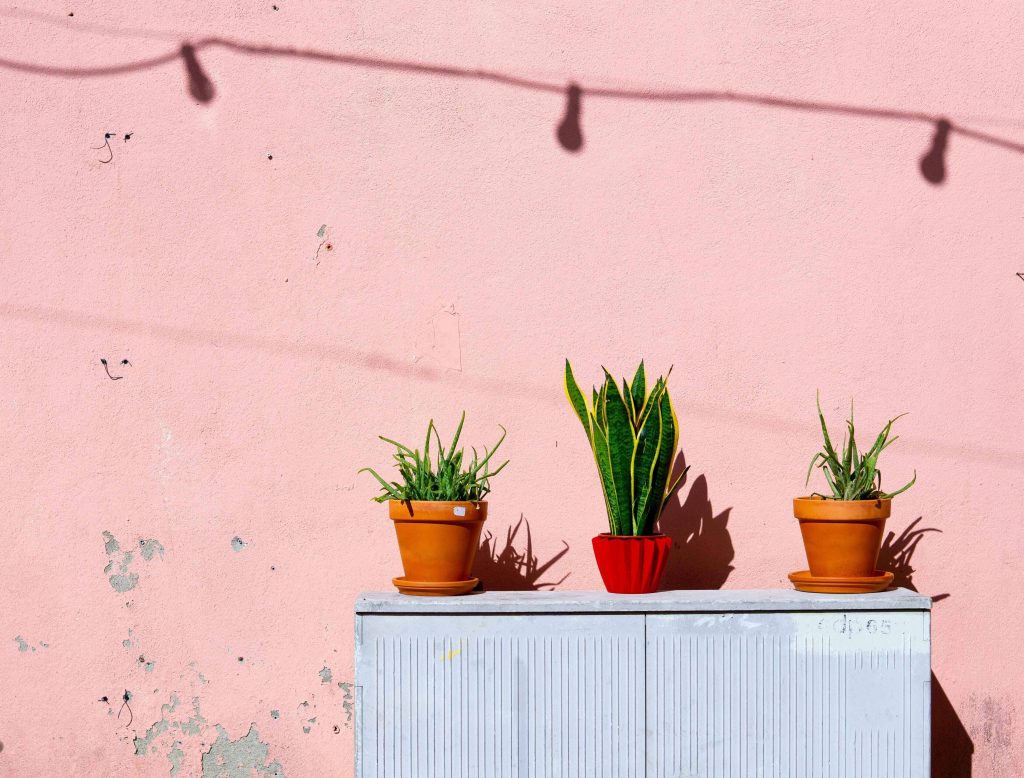
The snake plant has long, upright leaves in green or variegated patterns, growing 2 to 4 feet tall. It ranks as a top common indoor plant for its extreme hardiness and air-cleaning power. NASA studies highlight its ability to remove toxins like benzene. Leaves feel stiff and architectural, adding modern edge. It looks best in bedroom corners or low-light hallways.
Pothos (Epipremnum aureum)
Pothos features heart-shaped leaves in green or gold, trailing up to 10 feet. Its fast growth and forgiveness make it a staple among common indoor plants. Vines propagate easily in water, letting you share cuttings. Varieties like marble queen add white splashes. Place it on high shelves or kitchen counters.
Spider Plant (Chlorophytum comosum)
Spider plant shows arching green-and-white striped leaves with baby plantlets. It multiplies easily, explaining its status as a popular indoor plant. Plantlets dangle like spiders, creating free new plants. It prefers average humidity but adapts well. Hang it in bathrooms or bright living rooms.
ZZ Plant (Zamioculcas zamiifolia)
ZZ plant displays thick, glossy dark green leaflets on sturdy stems up to 3 feet. Water storage roots keep it alive through dry spells, a hallmark of low-maintenance indoor plants. Shiny leaves resist dust, staying polished. It tolerates neglect better than most. It fits dim offices or entryways.
Peace Lily (Spathiphyllum wallisii)
Peace lily has glossy oval leaves and white flower-like spathes. It droops to signal needs, rebounding quickly, which boosts its common indoor plant fame. Spathes last week, mimicking flowers. It loves steamy air from showers. Set it near north windows or humid spots.
Aloe Vera (Aloe barbadensis miller)
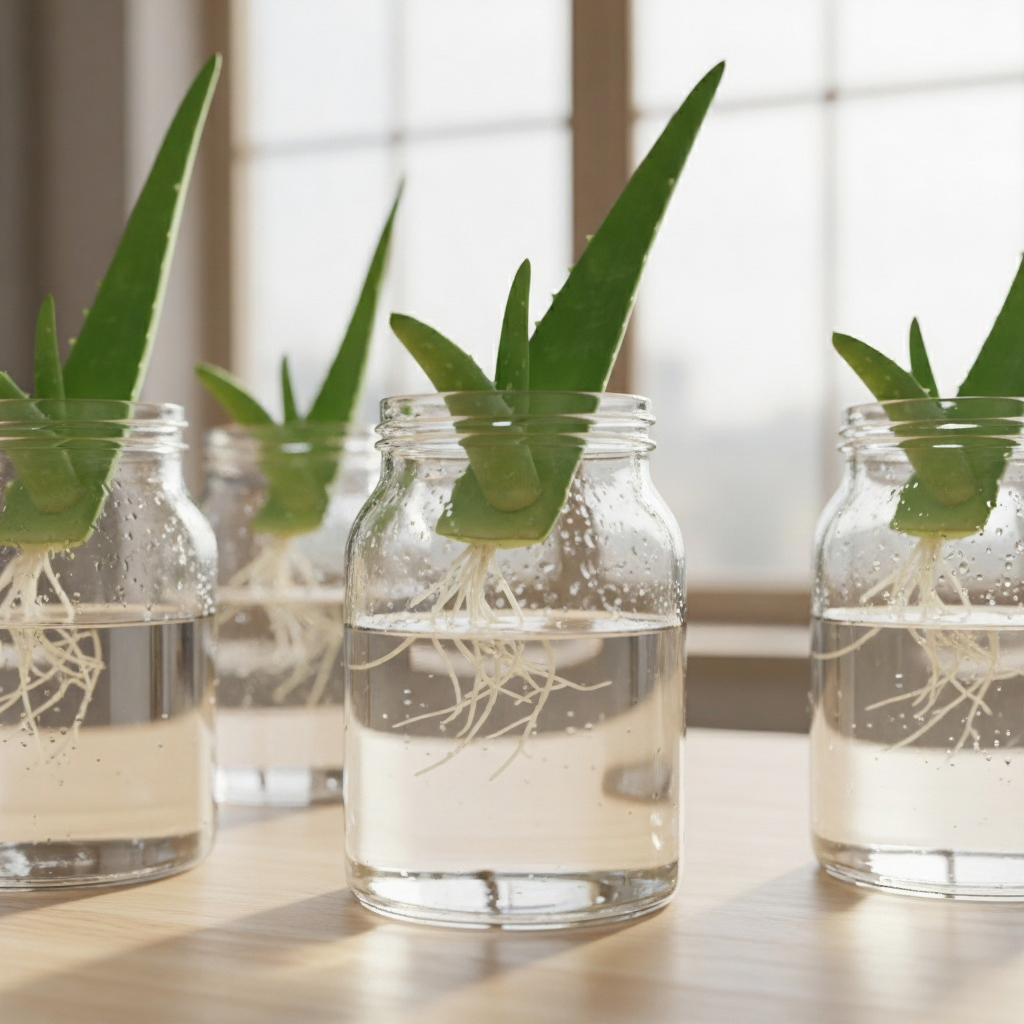
Aloe vera forms rosettes of spiky, fleshy gray-green leaves holding healing gel. Practical uses and sun tolerance make it essential among houseplants for home. Gel soothes minor burns straight from the leaf. Offsets create new plants naturally. Position it on sunny windowsills.
Rubber Plant (Ficus elastica)
Rubber plant boasts large, shiny burgundy or green paddle leaves on thick trunks. Bold drama with simple needs cements it as a common indoor plant. Leaves wipe clean for instant shine. Trunks develop aerial roots over time. Use in bright living room corners.
Philodendron (Philodendron hederaceum)
Philodendron offers heart-shaped or split leaves in vining or upright forms. Versatility across spaces drives its popularity in common indoor plants. Heartleaf types climb moss poles gracefully. Pink princess variety dazzles with blush hues. Try shelves or climbing supports anywhere.
Money Plant (Epipremnum aureum ‘Golden Pothos’)
Money plant has golden-green leaves on twisting stems that trail long. Cultural appeal and vigor mark it as a popular indoor plant. Nodes root fast for endless growth. Twigs add whimsical curves. Hang in entryways or over furniture.
Parlor Palm (Chamaedorea elegans)
Parlor palm features soft, feathery fronds on slender canes up to 6 feet. Its graceful air keeps it timeless among easy indoor plants. Fronds sway gently, mimicking outdoors. Clusters of canes fill out pots. Place in low-light living areas.
Common Indoor Plants and Their Ideal Indoor Spots
Need a fast reference for common indoor plants? This table matches plants to types and best placements.
| Plant Name | Plant Type | Best Indoor Placement |
|---|---|---|
| Snake Plant | Leafy green | Bedroom corners |
| Pothos | Trailing/hanging | High shelves |
| Spider Plant | Trailing/hanging | Bathroom ledges |
| ZZ Plant | Leafy green | Office desks |
| Peace Lily | Leafy green | North windowsills |
| Aloe Vera | Compact | Sunny kitchen windows |
| Rubber Plant | Tall floor | Living room corners |
| Philodendron | Trailing/hanging | Bookcases |
| Money Plant | Trailing/hanging | Entryway hooks |
| Parlor Palm | Tall floor | Low-light lounges |
Why Common Indoor Plants Are Ideal for Beginners
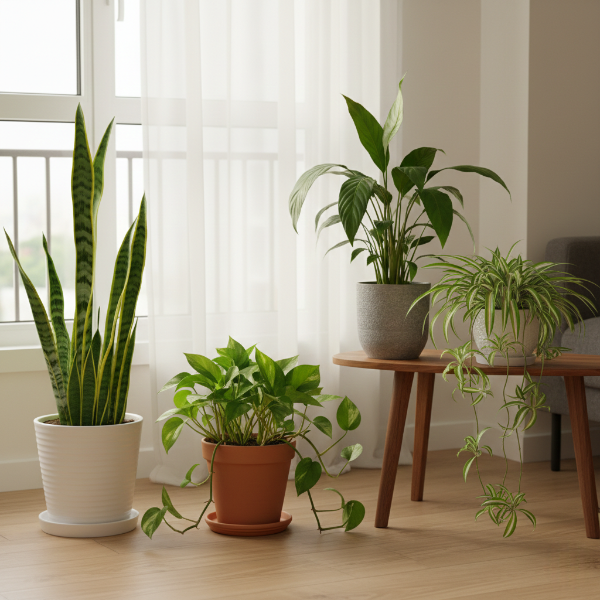
Indoor plants for beginners shine because they remove guesswork. They adapt to real homes, showing clear signs when they need attention, like a droop or color shift. Years of home testing prove their reliability, letting new owners focus on enjoyment over worry.
Key beginner benefits include:
- Quick visual cues for basic needs.
- Wide availability for easy trials.
- Growth that builds confidence fast.
Things to Know Before Choosing a Common Indoor Plant
Select easy indoor plants by weighing a few factors. Space size guides choices; compact ones fit tables, while tall versions claim floors. Natural light availability plays a role; many handle shade, but bright spots suit others. Time commitment remains low since these low-maintenance indoor plants rarely demand daily input. Personal style preference seals it; pick leafy for lushness or trailing for flow.
FAQs
Snake plant, pothos, spider plant, ZZ plant, peace lily, aloe vera, rubber plant, philodendron, money plant, and parlor palm lead as the most common indoor plants.
Yes, indoor plants like pothos and ZZ plant adapt well and forgive errors, making them easy indoor plants for all.
Absolutely, these houseplants for home thrive in stable indoor conditions without seasonal changes.
Pothos or snake plant top indoor plants for beginners for their toughness and simple signals.
Most manage with low to medium indirect light; few require direct sun, fitting varied homes.
Conclusion
Common indoor plants deliver beauty, freshness, and ease for any everyday home. They suit apartments, offices, and busy lives without complexity. Start with one simple plant like pothos or a snake plant to green your space today. Indoor plants make it effortless.
Many owners share stories of their first plant sparking a lifelong hobby. These reliable choices grow with you, from one pot to a full collection. Embrace the joy of common indoor plants in your home.