
When planning a long-lasting, beautiful garden, woody plants are essential. From flowering shrubs to shade-giving trees, they form the backbone of outdoor landscapes. Understanding how woody plants grow a garden helps you design a space that is sustainable, attractive, and full of life.
This guide explains what woody plants are, how they benefit gardens, the best types to choose, and practical steps to grow them successfully.
What Are Woody Plants?
Woody plants are those with hard, lignified stems that persist year after year. Unlike herbaceous plants, which die back to the ground after a season, woody plants retain their structure through winters and continue to grow larger over time.
Examples include:
- Trees (oak, maple, fruit trees)
- Shrubs (roses, hydrangeas, boxwood)
- Woody vines (wisteria, grapevine)
These plants are long-living, reliable, and provide structure to a garden design.
Why Choose Woody Plants to Grow a Garden?
Adding woody plants brings long-term benefits:
- Longevity: Most woody plants last for decades or even centuries.
- Structure: Trees and shrubs add height, shape, and form to gardens.
- Seasonal Interest: Many provide spring blossoms, autumn colors, and winter silhouettes.
- Wildlife Habitat: Birds, bees, and pollinators thrive in woody plant gardens.
- Low Maintenance: Once established, many require minimal care compared to annuals.
When it comes to sustainable landscaping, woody plants grow a garden that lasts and thrives naturally.
Types of Woody Plants for a Garden
Here are the main categories of woody plants to consider:
1. Trees
- Provide shade, fruit, and a focal point.
- Popular choices: Maple, Oak, Cherry Blossom, Lemon, Olive.
2. Shrubs
- Great for borders, hedges, and decorative displays.
- Popular choices: Boxwood, Roses, Hydrangea, Azalea.
3. Woody Vines
- Add vertical interest and cover trellises, pergolas, or fences.
- Popular choices: Clematis, Wisteria, Honeysuckle, Grapevine.

4. Evergreen Woody Plants
- Stay green year-round, offering privacy and structure.
- Examples: Juniper, Pine, Holly, Magnolia.
5. Deciduous Woody Plants
- Lose leaves in winter but provide seasonal variety.
- Examples: Maple, Birch, Lilac, Dogwood.
Comparison Table: Woody Plant Types
| Plant Type | Lifespan | Best Uses | Examples |
|---|---|---|---|
| Trees | 50–200+ years | Shade, focal points, fruit | Oak, Apple, Lemon |
| Shrubs | 10–50 years | Borders, hedges, decoration | Rose, Hydrangea, Boxwood |
| Woody Vines | 5–30 years | Vertical gardens, trellises | Wisteria, Clematis, Grapevine |
| Evergreen | Year-round | Privacy screens, structure | Pine, Juniper, Holly |
| Deciduous | Seasonal | Color variety, spring blooms | Maple, Lilac, Birch |
Step-by-Step: How Woody Plants Grow a Garden
- Choose the Right Plant Type
- Large gardens: Mix trees and shrubs for structure.
- Small gardens: Use dwarf shrubs or vines.
- Themed gardens: Fruit trees or flowering shrubs.
- Prepare the Soil
- Test soil pH (woody plants prefer slightly acidic to neutral).
- Enrich soil with compost and organic matter.
- Planting
- Dig a hole twice as wide as the root ball but not deeper.
- Place the plant at soil level, backfill, and water well.
- Watering & Care
- Water deeply during the first two years until roots establish.
- Mulch around the base to conserve moisture.
- Pruning & Training
- Prune in dormant season for trees.
- Trim shrubs after flowering to maintain shape.
- Fertilizing
- Use balanced slow-release fertilizer in spring.
- Avoid over-fertilizing, which can weaken woody growth.
Best Woody Plants for Different Garden Styles
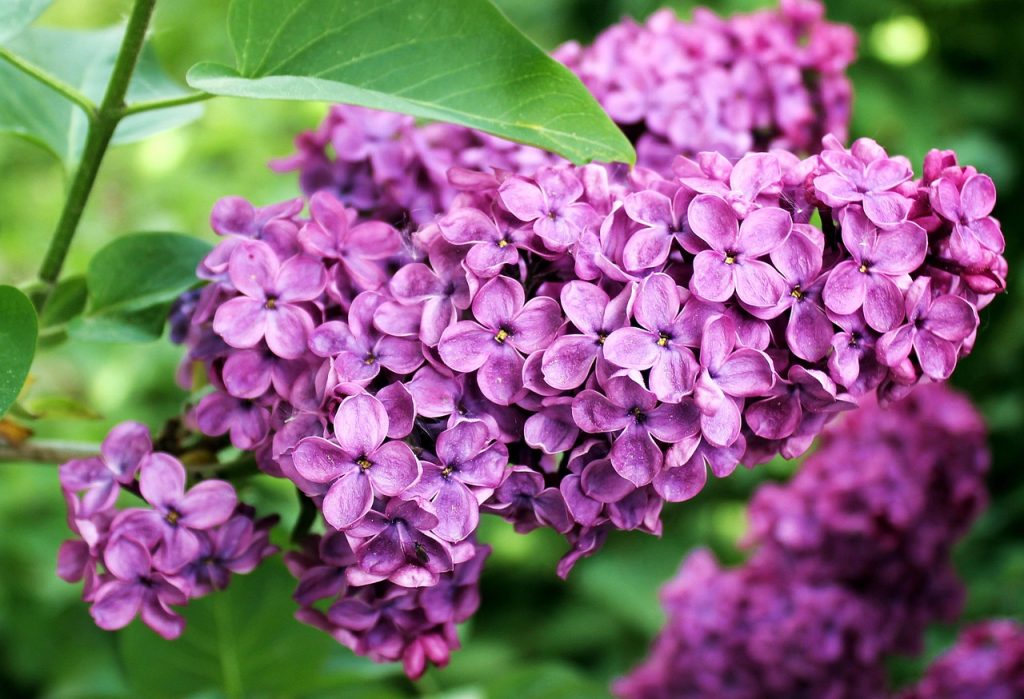
- Cottage Garden: Roses, lilacs, climbing vines.
- Modern Garden: Boxwood, ornamental grasses with evergreen backdrops.
- Wildlife-Friendly Garden: Hawthorn, butterfly bush, viburnum.
- Edible Garden: Apple trees, blueberry bushes, grapevines.
Common Problems in Growing Woody Plants
| Problem | Cause | Solution |
|---|---|---|
| Leaf yellowing | Poor soil drainage | Improve aeration, add compost |
| Slow growth | Lack of sunlight or nutrients | Relocate or feed with fertilizer |
| Pests (aphids, borers) | Insect attack | Neem oil, pruning, natural predators |
| Weak stems | Overwatering or poor pruning | Adjust watering, prune correctly |
How Woody Plants Transform a Garden
- A single shade tree can reduce summer heat and energy costs.
- A hedge of woody shrubs creates privacy and wind protection.
- Flowering vines can transform a dull wall into a vibrant focal point.
- Mixed woody plants give a year-round garden structure, ensuring there’s always something to admire.
This is why experts often say That Woody plants create a garden that feels alive in every season.
FAQ – Woody Plants Grow a Garden
No, once established, they are easier to maintain than most annual flowers.
Willow, Poplar, and Forsythia are fast-growing options.
Most prefer well-drained soil enriched with compost, but many adapt well to local conditions.
Yes, dwarf trees, compact shrubs, and some vines thrive in containers.
Final Thoughts
If you want to design a garden that is resilient, beautiful, and sustainable, focusing on woody plants is the key. From shade-giving trees to evergreen shrubs and flowering vines, the right woody plants grow a garden that lasts for generations. With proper planting and care, your outdoor space will not only thrive but also support wildlife, improve air quality, and add timeless beauty to your home.