
I still remember the first time I saw a goldfish plant at my local plant shop. It was spilling out of a hanging basket near the checkout counter, covered in these bizarre little orange flowers that genuinely looked like tiny fish leaping through green foliage. I bought it on impulse (classic plant person move) and spent the next three years figuring out why mine would bloom like crazy one season and then refuse to flower the next. After growing five different goldfish plant varieties and talking to growers who’ve kept these beauties alive for a decade, I finally cracked the code.
If you’re looking at a goldfish plant right now and wondering whether you can keep it alive, or if yours stopped flowering and you can’t figure out why, this guide will save you years of trial and error.
| Aspect | Details |
|---|---|
| Botanical Name | Nematanthus gregarius (also Columnea nematanthus) |
| Common Names | Goldfish Plant, Clog Plant, Flying Goldfish Plant |
| Plant Family | Gesneriaceae (same family as African violets) |
| Native Region | Brazil, Central and South America (tropical rainforests) |
| Light | Bright indirect light, 6-8 hours daily (east or west window) |
| Water | Keep soil moist spring-summer, reduce in winter but never fully dry |
| Humidity | 50-70% (moderate to high, mist daily or use humidifier) |
| Temperature | 65-75 degrees F (18-24 degrees C), cooler in winter (60-65°F) |
| Soil | Well-draining peat-based mix with perlite (2:1 ratio) |
| Mature Size | Trailing stems 2-3 feet (60-90 cm) long |
| Growth Rate | Fast with proper care, blooms in 6-10 weeks after planting |
| Toxicity | Non-toxic to cats and dogs (safe for pets per ASPCA) |
| Difficulty Level | Beginner to Intermediate |
| USDA Zones | 10-11 (outdoor only in frost-free climates) |
Why Your Goldfish Plant Is Different From Most Houseplants
Here’s what confused me for months: the goldfish plant isn’t actually one plant. It’s two different genera (Nematanthus and Columnea) with completely different growth habits that share the same common name because they both produce fish-shaped flowers. The Nematanthus varieties have plumper, rounder “goldfish” blooms on compact trailing stems with glossy leaves. Columnea types produce longer, more tubular flowers and looser, more pendant growth with sometimes fuzzy leaves.
Most plants sold as “goldfish plant” in US garden centers are Nematanthus gregarius because it blooms more reliably indoors. That’s what I’m focusing on in this guide, though the care tips work for both genera. The reason this matters is that Nematanthus is naturally an epiphyte in Brazilian rainforests, meaning it grows on tree branches, not in soil. This explains everything about how to care for it indoors.
Light: The Make-or-Break Factor for Flowering
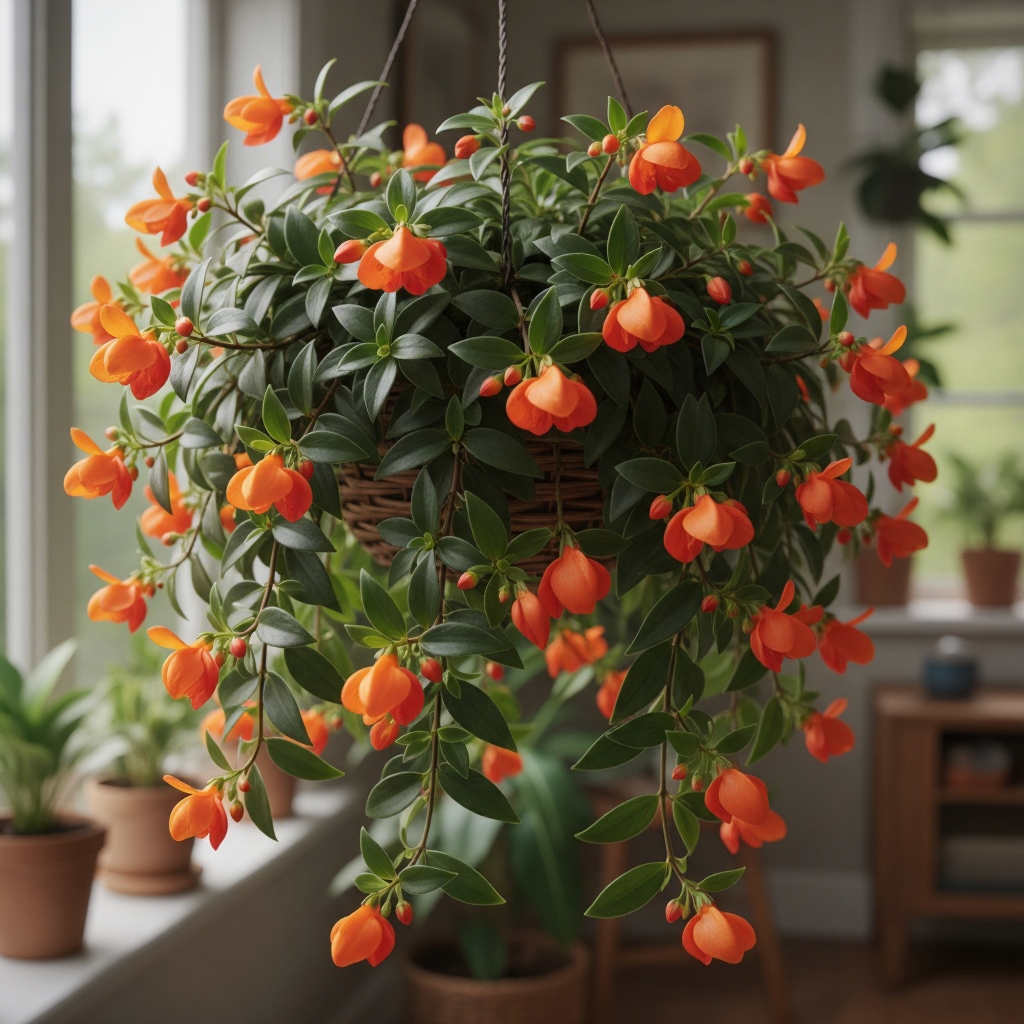
Getting the light right is why some goldfish plants bloom nonstop and others become leggy green vines with zero flowers. I learned this the hard way when I moved mine from an east-facing window to a north-facing spot and it didn’t produce a single bloom for eight months.
The goldfish plant needs bright, indirect light for at least 6-8 hours daily. An east or west window works perfectly. In my apartment, I keep mine about 3 feet (90 cm) back from a west window where it gets bright light all day but never direct sun. Direct afternoon sun will scorch those glossy leaves brown within a week.
Low light locations won’t kill your goldfish plant, but it will stop flowering entirely and develop long, spindly stems with wide gaps between leaves. If your plant has been growing but not blooming, light is almost always the problem. Move it closer to a window and watch what happens in 4-6 weeks.
Pro tip: Rotate your goldfish plant a quarter turn every week. Mine grew lopsided toward the window until I started doing this. Now it’s full and even on all sides.
Watering: The Goldilocks Zone (Not Too Wet, Not Too Dry)
Watering a goldfish plant successfully means understanding its natural growing environment. In Brazilian rainforests, these plants grow attached to tree bark where their roots are exposed to air between rainstorms. They need moisture but also excellent drainage and airflow around the roots.
From March through November (active growing season), water when the top 1 inch (2.5 cm) of soil feels dry to the touch. I stick my finger in up to the first knuckle. If it’s dry, I water thoroughly until water runs out the drainage holes, then empty the saucer so the plant isn’t sitting in standing water. In my experience, this works out to every 4-6 days in summer, depending on your home’s humidity.
Here’s where most people mess up: they treat winter watering the same as summer watering. From December through February, reduce watering to every 7-10 days and let the soil dry out slightly more between waterings (top 2 inches dry). This winter rest period combined with cooler temperatures actually triggers more prolific spring blooming. When mine didn’t bloom one year, I realized I’d been watering it the same year-round.
Always use room temperature water. Cold water straight from the tap can damage the leaves and cause spotting. I fill a watering can in the morning and let it sit until afternoon before watering.
Read more: proper watering techniques
Temperature and Humidity: Recreating the Tropics
The goldfish plant comes from humid tropical environments, so it’s not shocking that it struggles in the dry heated air of most American homes during winter. I killed my first one by placing it directly above a heating vent. Don’t do that.
Keep temperatures between 65-75 degrees F (18-24 degrees C) during the growing season. Nights can drop to 60 degrees F (15 degrees C) without problems. What matters more is avoiding sudden temperature swings and cold drafts. Keep your goldfish plant away from air conditioning vents, drafty windows, and exterior doors that open frequently.
Humidity is where things get interesting. While many houseplants tolerate 30-40% humidity, the goldfish plant really wants 50-70%. In humid climates like Florida or Louisiana, you can grow these outside on covered porches. In dry climates like Arizona or during Northern winters with central heating, you’ll need to supplement humidity.
I use three methods: First, I mist my goldfish plant every morning with room temperature water using a fine spray bottle. Second, I keep it near my other tropical plants (ferns, calatheas, prayer plants) so they create a microclimate together. Third, I run a small humidifier near my plant shelf during winter months when indoor humidity drops below 40%.
Read more: humidity requirements
Soil and Potting: Why Regular Potting Mix Fails
Standard potting soil is too dense for a goldfish plant. Remember, these grow as epiphytes clinging to tree bark, so they need a very light, airy growing medium that drains instantly but still holds some moisture.
I mix my own potting medium: 2 parts peat-based potting mix to 1 part perlite. Some growers add orchid bark chunks for extra drainage, which works beautifully if you can find it at Lowe’s or Home Depot. The mix should feel light and fluffy when you squeeze it, not dense and clumpy.
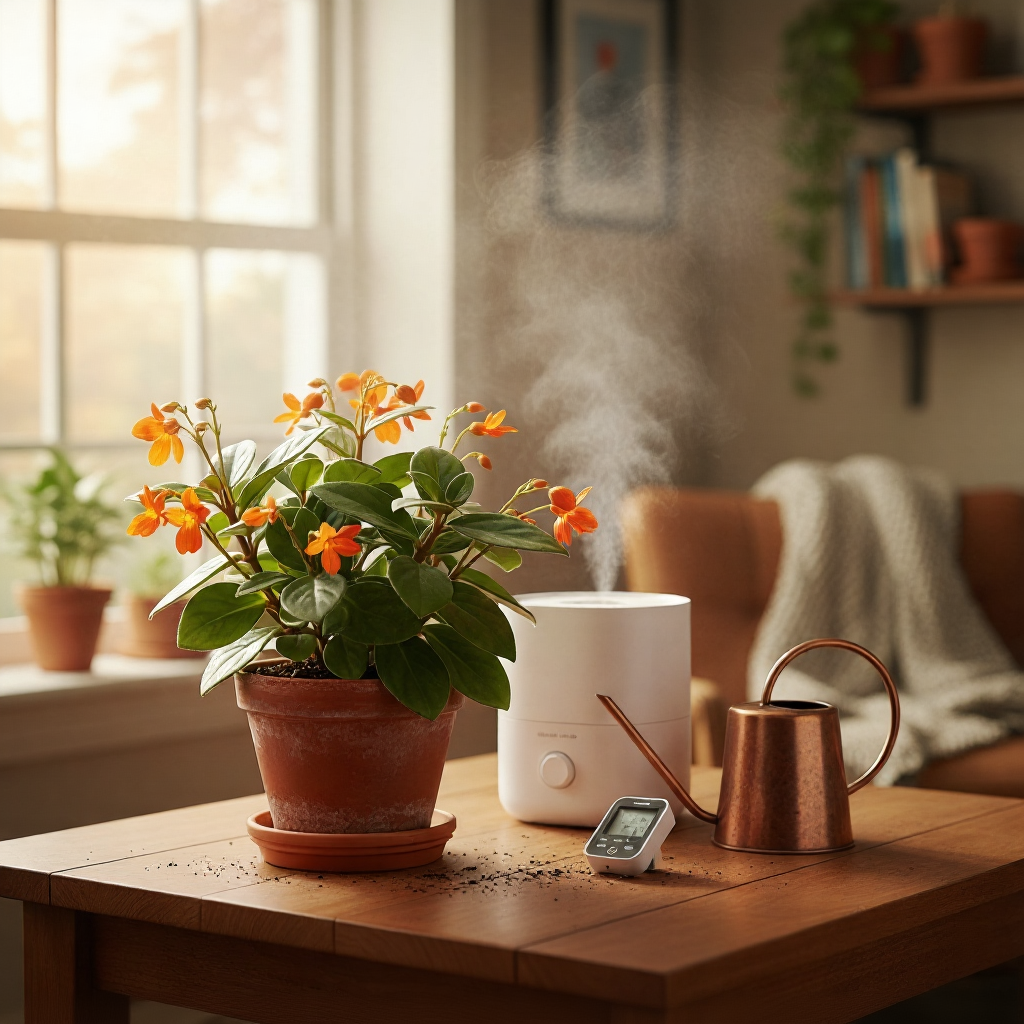
The pot matters too. Use a container with multiple drainage holes. I prefer plastic hanging baskets because they’re lightweight when the plant gets large. Terracotta works but dries out faster, meaning you’ll water more frequently. Whatever pot you choose, make sure it’s only 1-2 inches (2.5-5 cm) larger than the root ball. These plants bloom better when slightly root-bound.
Repot every 2-3 years in spring, right before the growing season starts. When repotting, you can actually prune back some of the roots to encourage more vigorous growth. I trim off about one-third of the root mass, which sounds scary but stimulates fresh growth and more flowering.
Fertilizing for Maximum Blooms
An unfed goldfish plant might survive, but it won’t bloom much. I feed mine weekly during the active growing season (March to November) with a dilute liquid fertilizer formulated for flowering plants.
Use a fertilizer with higher phosphorus (the middle number on the label) to encourage blooming. I dilute it to half the recommended strength because I’m feeding weekly rather than monthly. Something like Schultz or Miracle-Gro flowering plant food works fine. Mix it with room temperature water in your watering can.
Stop fertilizing from December through February. This rest period, combined with slightly cooler temps and reduced watering, helps set buds for spring blooming. When I fertilized year-round, my plant grew leaves like crazy but barely flowered.
Pro tip: Slow-release fertilizer pellets (like Osmocote) are an easy alternative if you’re forgetful about weekly feeding. Sprinkle them on the soil surface in March and they’ll feed the plant for 3-4 months.
Pruning: The Secret to Bushier Growth and More Flowers
This is the care step most people skip, and it’s why their goldfish plant becomes a stringy mess after a year. Pruning stimulates branching, creates a fuller plant, and actually increases flower production.
Prune your goldfish plant in early spring before new growth starts. I use clean, sharp scissors and cut back each stem by about one-third of its length. Make cuts just above a leaf node (the bump on the stem where leaves emerge). New growth will sprout from these points, creating a bushier plant.
You can also pinch back growing tips throughout the growing season to encourage branching. I pinch off the last 1-2 inches (2.5-5 cm) of actively growing stems every few weeks. It feels counterintuitive to cut off healthy growth, but you’ll end up with twice as many stems and way more flowers.
Don’t throw away the cuttings. Goldfish plant propagates easily from stem cuttings. Stick 3-4 inch (7.6-10 cm) cuttings in moist potting mix and they’ll root in 3-4 weeks.
Read more: propagation techniques
Understanding the Flowering Cycle (And Why It Stops)
A healthy goldfish plant can bloom from spring through fall, with some varieties flowering year-round if conditions are perfect. The flowers appear in clusters along the stems, each one looking like a tiny orange goldfish frozen mid-leap. They don’t have fragrance, but honestly, the visual is enough.
If your goldfish plant stopped flowering, here’s your troubleshooting checklist:

- Light too low. Move it closer to a bright window. This fixes 80% of flowering problems in my experience.
- No winter rest period. It needs cooler temps (60-65°F), reduced watering, and no fertilizer for 2-3 months in winter to reset for spring blooming.
- Wrong fertilizer. High nitrogen fertilizers (for leafy plants) encourage foliage growth but suppress flowering. Use a bloom-boosting formula.
- Needs pruning. Old, woody stems flower less. Prune back in spring to encourage fresh flowering stems.
- Root-bound. If roots are circling the pot bottom tightly, it’s time to repot.
Some goldfish plant varieties (like ‘Tropicana’ and ‘Green Magic’) bloom more reliably than others. If you’ve tried everything and still get minimal flowers, you might have a variety that’s naturally less floriferous.
Common Problems and How to Fix Them
Leaves turning yellow and dropping: This usually means overwatering or cold damage. Check that the soil is draining properly and that temperatures haven’t dropped below 60 degrees F (15 degrees C). Yellow leaves can also signal low light, but in that case, the plant typically stretches toward the light source.
Brown leaf tips: Low humidity is the culprit 90% of the time. Increase misting, use a humidifier, or group plants together. It can also indicate salt buildup from tap water or fertilizer. Flush the soil thoroughly with room temperature water every few months.
Leggy growth with few leaves: Not enough light. Move the plant to a brighter location and prune back the leggy stems to encourage bushier growth.
No flowers: See the flowering section above. It’s almost always inadequate light or lack of a winter rest period.
Leaf drop after bringing plant home: This is stress from the environment change. Keep conditions consistent, don’t move the plant around, and it should stabilize in 2-3 weeks.
Spider mites: Check the undersides of leaves for fine webbing and tiny moving dots. These pests love the warm, dry conditions of heated homes. Spray with insecticidal soap or neem oil. Increasing humidity helps prevent reinfestation.
Read more: pest management
Varieties Worth Growing
While most garden centers sell the standard orange-flowered Nematanthus gregarius, there are some really cool varieties to hunt down:
‘Tropicana’ has orange flowers with distinctive red stripes, creating a tropical sunset effect. This one blooms prolifically in my collection.
‘Black Gold’ features leaves with a glossy burgundy-red underside and bright orange-yellow flowers. The dark foliage makes the blooms pop even more.
‘Green Magic’ is the classic bright orange goldfish blooms on glossy green leaves. Most reliable bloomer in my experience.
Columnea varieties tend to have longer, more tubular flowers. ‘Chanticleer’ produces yellow blooms, while ‘Aladdin’s Lamp’ has almost black foliage with red flowers.
5 Mistakes That Kill Goldfish Plants
Mistake 1: Putting it in low light and expecting flowers. Goldfish plants are not low-light tolerant. They need bright indirect light to bloom. A north-facing window won’t cut it.
Mistake 2: Using cold water. Always use room temperature water. Fill your watering can and let it sit for a few hours before using.
Mistake 3: Keeping it in the same pot for 5+ years. These plants actually need repotting every 2-3 years. Old, compacted soil loses its drainage ability and prevents healthy root growth.
Mistake 4: Skipping the winter rest period. Keep watering and fertilizing the same year-round and you’ll get leafy growth but few flowers. Reduce both in winter.
Mistake 5: Placing it near heating or AC vents. The sudden temperature changes and dry air from forced air systems stress the plant and cause leaf drop.
Is a Goldfish Plant Right for You?
Let me be honest: if you want an ultra-low-maintenance plant that thrives on neglect, skip the goldfish plant. Get a pothos or snake plant instead. But if you’re willing to maintain consistent moisture, provide good light, and mist daily during winter, the goldfish plant rewards you with one of the most unique flowering displays in the houseplant world.
I’ve grown mine for four years now, and every spring when those orange blooms appear, I get comments from everyone who visits. It’s a conversation starter that’s also genuinely easy to care for once you understand its needs. The fact that it’s safe for cats and dogs is a huge bonus in my pet-friendly household.
Give it the bright light and humidity it wants, don’t baby it with constant watering, and you’ll have a plant that can live for a decade or more while producing flowers that make people stop and stare.
Frequently Asked Questions
Is goldfish plant toxic to cats and dogs?
No, the goldfish plant is non-toxic to both cats and dogs according to ASPCA resources. It’s a safe choice for pet-friendly households, though eating large amounts of any plant material could cause mild digestive upset.
Why is my goldfish plant not flowering?
The most common cause is insufficient light. Move your goldfish plant to a brighter location with 6-8 hours of bright indirect light daily. Other factors include skipping the winter rest period (cooler temps, less water, no fertilizer for 2-3 months) or using high-nitrogen fertilizer instead of bloom-boosting formulas.
How often should I water my goldfish plant?
During spring through fall, water when the top 1 inch (2.5 cm) of soil feels dry, usually every 4-6 days. In winter, reduce to every 7-10 days and let the top 2 inches dry out. Always use room temperature water and ensure excellent drainage.
Can goldfish plant grow in low light?
Goldfish plant will survive in low light but won’t flower and will develop leggy, sparse growth. It needs bright indirect light to bloom. An east or west-facing window is ideal.
When do goldfish plants bloom?
Most goldfish plants bloom from spring through summer after a winter rest period. Some varieties bloom year-round with ideal care. Expect flowers to appear 6-10 weeks after planting or after coming out of winter dormancy.
How do I make my goldfish plant bushier?
Prune back stems by one-third in early spring to encourage branching. Throughout the growing season, pinch off the last 1-2 inches of growing tips every few weeks. This stimulates the plant to produce more stems, creating a fuller appearance and more flowering points.
What temperature is too cold for goldfish plant?
Temperatures below 60 degrees F (15 degrees C) can cause stress, leaf drop, and damage. Ideal temperatures are 65-75 degrees F (18-24 degrees C) during the growing season and 60-65 degrees F (15-18 degrees C) in winter. Never expose to frost or temperatures below 50 degrees F (10 degrees C).
Why are my goldfish plant leaves turning yellow?
Yellow leaves typically indicate overwatering, especially if the soil stays soggy. It can also signal cold damage if temperatures dropped below 60 degrees F. Check drainage holes, reduce watering frequency, and ensure the plant isn’t near cold drafts or windows.
Happy planting, and may your goldfish plant bloom like a school of tiny orange fish all summer long!