
Choosing the right planter can make or break your indoor gardening success. The perfect planter not only showcases your plants beautifully but also provides the proper drainage, size, and environment they need to thrive. With countless options available, from sleek modern designs to rustic natural materials, finding the ideal planters for indoor plants can feel overwhelming.
The best indoor planters combine functionality with aesthetic appeal, ensuring your plants stay healthy while enhancing your home decor. Whether you’re a seasoned plant parent or just starting your indoor garden journey, selecting the right containers is crucial for plant health and your overall satisfaction with your green space.
In this comprehensive guide, we’ll explore 12 outstanding planter options that cater to different plant types, home styles, and budgets. Each option has been carefully selected based on drainage capabilities, durability, design versatility, and overall value for indoor gardening enthusiasts.
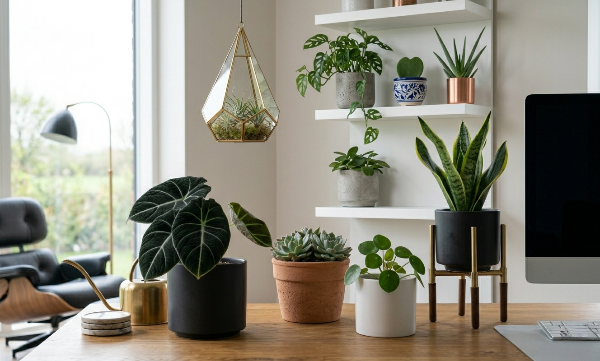
Top 12 Planters for Indoor Plants
1. Ceramic Glazed Planters
Ceramic glazed planters remain the gold standard for indoor gardening due to their perfect balance of style and functionality. These planters come in countless colors, patterns, and finishes, making them incredibly versatile for any home decor style. The glazed surface is non-porous, which helps retain moisture while preventing water damage to your furniture and floors.
The weight of ceramic planters provides excellent stability for larger plants, preventing them from tipping over. Many ceramic options feature built-in drainage holes with matching saucers, ensuring proper water management. The thermal properties of ceramics also help regulate soil temperature, protecting roots from sudden temperature fluctuations near windows or heating vents.
- Choose glazed options for better moisture retention
- Look for drainage holes and matching saucers
- Consider weight when placing on shelves or stands
- Clean with mild soap to maintain the glazed finish
2. Terracotta Clay Pots
Terracotta clay pots are beloved by experienced gardeners for their natural breathability and classic appearance. The porous nature of unglazed terracotta allows air to reach plant roots while naturally wicking away excess moisture, making it ideal for plants that prefer well-draining soil conditions like succulents, herbs, and Mediterranean plants.
These traditional planters develop a beautiful patina over time, adding character to your plant displays. Terracotta’s natural orange-brown color complements both modern and traditional decor styles. The material is also affordable and widely available in numerous sizes, from tiny 2-inch pots for propagation to large statement pieces for floor plants.
- Perfect for plants that need excellent drainage
- Soak new pots in water before first use
- Monitor watering more closely due to faster moisture evaporation
- Protect surfaces underneath from potential watermarks
3. Self-Watering Planters
Self-watering planters revolutionize indoor plant care by providing consistent moisture levels with minimal maintenance. These innovative containers feature a built-in reservoir system that allows plants to absorb water as needed through capillary action. This technology is particularly beneficial for busy plant owners or those who travel frequently.
The system typically consists of a water reservoir at the bottom, separated from the soil by a platform with wicking mechanisms. Plants draw water up through the soil when needed, preventing both overwatering and underwatering issues. Many self-watering planters include water level indicators, making it easy to monitor when refills are needed.
- Ideal for consistent moisture-loving plants like ferns and tropical species
- Reduce watering frequency to once every 1-2 weeks
- Check water levels regularly using built-in indicators
- Clean reservoir periodically to prevent algae growth
4. Hanging Planters
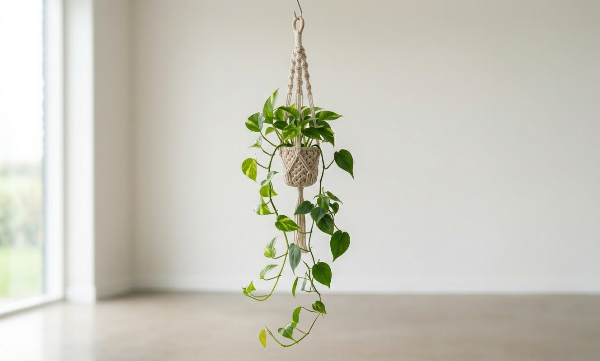
Hanging planters maximize your growing space while creating stunning vertical displays that draw the eye upward and make rooms feel larger. These space-saving solutions are perfect for trailing plants like pothos, philodendrons, and string plants that look most beautiful when their foliage can cascade naturally downward.
Modern hanging planters come in various materials including macrame, ceramic, metal, and plastic, each offering different aesthetic appeals. Many feature innovative designs with built-in water catchers or removable inner pots for easy maintenance. Ceiling-mounted or wall-mounted options provide flexibility in placement while keeping plants safely away from pets and small children.
- Ensure ceiling hooks can support the weight of the pot, soil, and water
- Position at an appropriate height for plant care access
- Consider drip protection for furniture and floors below
- Rotate occasionally for even light exposure on all sides
5. Woven Basket Planters
Woven basket planters bring natural texture and warmth to indoor spaces while providing excellent breathability for plant roots. Made from materials like seagrass, jute, cotton rope, or rattan, these planters add bohemian charm and complement organic, minimalist, or farmhouse decor styles perfectly.
Most basket planters require plastic liner pots to prevent water damage and soil spillage, making plant maintenance easier and protecting the basket material. The neutral tones of natural fibers work well with any plant color and can easily transition between different rooms as your decor needs change.
- Always use waterproof liner pots to protect the basket
- Choose tightly woven baskets for better durability
- Keep away from high-humidity areas to prevent mold
- Vacuum or brush gently to remove dust and debris
6. Modern Geometric Planters
Geometric planters featuring clean lines, angular shapes, and contemporary materials like concrete, metal, or sleek plastic create striking focal points in modern homes. These planters often showcase minimalist design principles with hexagonal, triangular, or asymmetrical shapes that serve as sculptural elements even when empty.
The stark contrast between organic plant forms and geometric container shapes creates visual interest and sophisticated appeal. Many geometric planters incorporate multiple levels or modular designs, allowing creative arrangements that can be reconfigured as plants grow or seasonal preferences change.
- Choose neutral colors for maximum versatility
- Consider the plant’s mature size when selecting angular shapes
- Group different geometric shapes for dynamic displays
- Ensure adequate soil volume despite unique shapes
7. Wooden Planters
Wooden planters bring natural warmth and organic beauty to indoor spaces while offering excellent insulation properties for plant roots. Cedar, teak, and other naturally rot-resistant woods are preferred choices that develop beautiful weathering patterns over time. The natural material complements both rustic and contemporary decor styles seamlessly.
Wood provides excellent thermal insulation, protecting roots from temperature fluctuations near windows or heating sources. Many wooden planters feature removable liner pots, making plant care easier while protecting the wood from moisture damage. The versatility of wood allows for custom sizing and design modifications to fit specific spaces perfectly.
- Choose rot-resistant wood species naturally when possible
- Apply food-safe wood sealant annually for longevity
- Use plastic liners to prevent direct soil contact
- Position away from high-moisture areas to prevent warping
8. Metal Planters
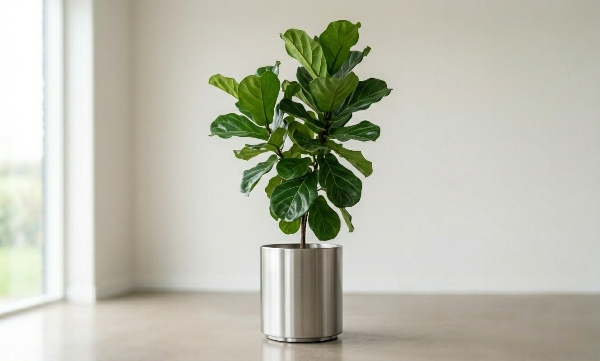
Metal planters offer durability, sleek aesthetics, and weather resistance that make them suitable for both indoor and outdoor use. Stainless steel, powder-coated aluminum, and treated iron provide different visual appeals while maintaining structural integrity over time. The reflective properties of metal can help distribute light around plants, benefiting growth in lower-light conditions.
Contemporary metal planters often feature double-wall construction for insulation and built-in drainage systems. The material’s strength allows for larger sizes without excessive weight, making metal planters ideal for statement plants like large palms or fiddle leaf figs that need substantial root space.
- Look for powder-coated finishes to prevent rust and corrosion
- Choose light colors in sunny locations to prevent root overheating
- Ensure proper drainage holes to prevent waterlogging
- Wipe clean with a damp cloth to maintain appearance
9. Glass Planters
Glass planters create stunning displays that showcase both plant beauty and root development, making them particularly popular for terrariums, air plants, and hydroponic growing. Clear glass allows maximum light penetration while providing unobstructed views of plant growth, creating educational opportunities and aesthetic appeal.
Colored or textured glass options add artistic elements to plant displays while still providing the light transmission benefits. Many glass planters feature unique shapes like orbs, tubes, or geometric forms that serve as decorative elements. The non-porous surface is easy to clean and doesn’t retain odors or stains over time.
- Perfect for air plants, terrariums, and hydroponic setups
- Clean regularly to prevent algae growth in sunny locations
- Handle carefully to prevent breaks and chips
- Provide adequate ventilation for enclosed terrarium setups
10. Recycled Plastic Planters
High-quality recycled plastic planters offer environmental benefits while providing lightweight, durable, and affordable options for indoor gardening. Modern manufacturing techniques create plastic planters that convincingly mimic natural materials like stone, wood, or ceramic while offering superior weather resistance and longevity.
These planters are ideal for large plants due to their light weight, making repositioning easy as lighting conditions change or during home rearrangements. Many recycled plastic options feature advanced drainage systems and UV protection, ensuring long-lasting performance and color retention even in sunny indoor locations.
- Look for UV-stabilized options to prevent fading and cracking
- Choose heavier bases for tall plants to prevent tipping
- Drill additional drainage holes if needed
- Clean with soap and water to maintain appearance
11. Concrete Planters
Concrete planters provide industrial chic aesthetics with exceptional durability and thermal mass that helps regulate soil temperature. The material’s porous nature allows air exchange while retaining adequate moisture, creating favorable conditions for most indoor plants. Concrete’s neutral gray color complements modern, minimalist, and industrial decor styles perfectly.
Many concrete planters feature unique textures, colors, or embedded materials that create one-of-a-kind pieces. The weight provides excellent stability for large plants, while the material’s moldable nature allows for custom shapes and integrated features like built-in saucers or decorative elements.
- Seal with an appropriate concrete sealer to prevent dusting
- Allow adequate curing time for DIY concrete planters
- Consider weight when placing on elevated surfaces
- Expect natural color variations and surface textures
12. Multi-Tier Plant Stands with Integrated Planters
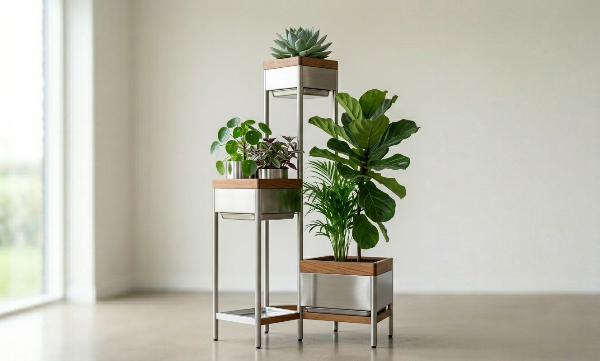
Multi-tier plant stands with integrated planters maximize vertical growing space while creating impressive plant displays that serve as living room focal points. These systems typically feature multiple levels at varying heights, accommodating plants with different light requirements and creating dynamic visual compositions.
The integrated design ensures proper proportions between planters and stands, often including features such as adjustable shelves, built-in water catchers, and coordinated aesthetic elements. These systems work particularly well for plant collections, herb gardens, or creating green room dividers in open floor plans.
- Ensure even weight distribution across all levels
- Position plants according to their light requirements
- Provide adequate spacing between tiers for growth
- Regular rotation ensures even light exposure for all plants
Planter Material Comparison
| Material | Drainage | Weight | Durability | Price Range |
|---|---|---|---|---|
| Ceramic | Good | Heavy | High | $$-$$$ |
| Terracotta | Excellent | Medium | Medium | $ |
| Plastic | Variable | Light | Medium | $ |
| Wood | Good | Medium | Medium | $$ |
| Metal | Good | Light-Medium | High | $$-$$$ |
| Concrete | Good | Heavy | High | $$ |
Common Mistakes When Choosing Indoor Planters
Many plant enthusiasts focus solely on appearance when selecting planters, overlooking crucial functional aspects that affect plant health. Choosing planters without drainage holes is perhaps the most critical error, leading to root rot and plant death. Always prioritize proper drainage over aesthetic appeal, or use decorative cache pots with functional inner containers.
Selecting planters that are too small for the plant’s mature size forces frequent repotting and can stunt growth. Research your plant’s expected size and choose planters that provide adequate root space for at least two years of growth. Conversely, planters that are too large can hold excess water and cause root problems in smaller plants.
Ignoring the weight implications of different materials can create safety hazards and limit placement options. Heavy ceramic or concrete planters may be unsuitable for shelving units or upper floors, while lightweight options may not provide adequate stability for tall plants. Consider both empty and filled weights when making selections.
Pro Tips for Indoor Planter Success
Always use saucers or cachepots to protect furniture and flooring from water damage, regardless of planter material. Even planters with drainage holes can occasionally drip or overflow during watering. Invest in appropriately sized saucers that complement your planters while providing adequate water collection area.
Consider seasonal plant rotation when investing in quality planters. Moving plants to optimal lighting conditions throughout the year promotes healthier growth, so choose planters that make transportation easy. Lightweight materials or planters with built-in wheels make seasonal adjustments much more manageable.
Group planters of varying heights and sizes to create dynamic displays that showcase individual plants while contributing to overall room aesthetics. Odd numbers of planters typically create more visually appealing arrangements than even numbers, and varying container materials add textural interest to plant groupings.
Frequently Asked Questions
Do all indoor planters need drainage holes?
While drainage holes are highly recommended for plant health, you can successfully use planters without holes by employing careful watering techniques and layered growing mediums. Use decorative planters as cache pots with removable inner containers that have proper drainage, or create drainage layers using gravel and activated charcoal in sealed containers.
What size planter should I choose for my plant?
Select planters that are 1-2 inches larger in diameter than your plant’s current container for most houseplants. The planter should provide adequate depth for root development while not being so large that excess soil retains too much moisture. Fast-growing plants may benefit from slightly larger containers, while slow-growing species prefer more modest sizing.
How often should I replace or upgrade my planters?
Quality planters can last many years with proper care, but plants typically need repotting every 1-3 years, depending on growth rate and species. Use repotting time to evaluate whether your current planters still meet your plant’s needs and aesthetic preferences. Upgrade to larger planters when roots become pot-bound or when plants outgrow their current containers visually or functionally.
Choosing the right planter plays a crucial role in both plant health and the overall look of your indoor space. The best options combine proper drainage, the right size, suitable materials, and a design that complements your home decor. By avoiding common mistakes like poor drainage or incorrect sizing, and by selecting planters that match your plant’s needs and your lifestyle, you can create a thriving and visually appealing indoor garden. In the end, a well-chosen planter doesn’t just hold your plant, it helps it grow better while enhancing the beauty of your space.