
If you want healthy houseplants, indoor plant care comes down to five fundamentals: the right light, consistent watering, proper soil, adequate humidity, and temperature within a comfortable range. Get those five right, and almost any plant you bring home will thrive.
That is the short version. But there is so much more that separates a plant that merely survives from one that actually grows, flowers, and fills your home with life. I have been growing houseplants for years, watching beginner mistakes turn into confident growing, and I can tell you: the difference is rarely a single secret technique. It is a solid understanding of what plants actually need and why.
This pillar guide covers everything. Whether you just brought home your very first pothos or you are managing a 50-plant collection and running into problems you cannot quite name, you will find the answers here. Every topic links to deeper guides for more detail.

What “Indoor Plant Care” Actually Means for Your Plants
Before jumping into watering schedules and fertilizer types, it helps to think like a plant for a moment.
Every houseplant you own was originally a tropical, subtropical, or desert species from somewhere else in the world. A monstera comes from the rainforest floors of Mexico and Central America. A snake plant is native to the rocky, arid regions of West Africa. A peace lily grows along humid tropical streambanks. When you bring any of these plants indoors, you are trying to recreate a slice of their natural habitat inside your home.
That is what indoor plant care is, at its core: environmental management. You are not just watering a pot of dirt. You are providing a substitute for the filtered forest canopy light, the warm rainy season, the porous volcanic soil, and the 70% humidity of a jungle floor. The closer your conditions match the plant’s native environment, the better it will grow.
This matters because it changes how you diagnose problems. A yellowing leaf is not a mystery when you understand that yellow leaves in tropical plants usually mean overwatering, just like waterlogged soil in a rainforest after monsoon season does not happen because the ground drains so well. Context from nature always explains what is happening indoors.
Read more: tropical indoor plants
The Indoor Plant Care Fundamentals: Light
Light is the single most important variable in indoor plant care. No amount of perfect watering or premium fertilizer can compensate for a plant sitting in the wrong light conditions.
Understanding light categories: Most care guides use four terms, and understanding what they mean in your actual home will change how you place plants.
Direct sunlight means the sun’s rays hit the plant unobstructed, typically from a south-facing or west-facing window. Only cacti, succulents, and a few other desert or high-altitude species want this indoors, as most houseplants will scorch.
Bright indirect light is the sweet spot for the majority of popular houseplants, including monsteras, pothos, fiddle leaf figs, and most aroids. This means a spot that receives plenty of natural light but where sunlight never actually falls directly on the leaves. A few feet back from a south-facing window, or right next to an east-facing window, typically qualifies.
Medium light means the space is well-lit but with no strong natural light source. Snake plants, ZZ plants, and many ferns handle this well. Worth noting: “medium light” in a typical American home is often darker than plant labels suggest.
Low light is “no light.” It means dim but still habitable for some species. Pothos, cast iron plants, and Chinese evergreens can manage in these spots. No plant survives in a windowless room long-term.
How to measure light in your home: You do not need a light meter. Hold your hand about a foot above a piece of white paper in the spot where you want to place the plant. A sharp, well-defined shadow means bright light. A soft but identifiable shadow means medium light. A very faint or invisible shadow means low light.
Pro tip: Light levels change dramatically with the seasons. A spot that gets bright indirect light in July may drop to medium light by December as the sun angle shifts. This is why plants that did all summer beautifully sometimes start struggling in fall, even though nothing else changed.
Watering: The Skill That Separates Plant Parents From Plant Killers
If I had to point to one skill that makes the biggest difference in indoor plant care, it is learning to water correctly. Overwatering kills far more houseplants than underwatering. Not because people water every day, but because they water on a schedule without checking whether the plant actually needs it.
The most reliable watering method: Stick your finger into the soil up to the second knuckle, about 2 inches deep. If the soil feels moist, wait. If it feels dry, water thoroughly until water flows out of the drainage holes. Then stop, let it drain completely, and never let the pot sit in standing water.
That process, finger test before every single watering, will prevent more plant deaths than any other single habit.
What “thoroughly” means: When you water, you want the entire root zone to get wet, not just the top inch. Water slowly and evenly across the surface of the soil, then wait for it to run out the bottom. This pushes old air out of the soil and ensures the roots at the bottom of the pot are getting moisture too.
Watering by plant type: Desert plants like cacti and succulents want the soil to dry out completely between waterings, sometimes for two to three weeks. Tropical foliage plants like pothos and monsteras prefer the top 1-2 inches to dry before the next watering. Moisture-loving plants like ferns and peace lilies want consistently moist but never waterlogged soil.
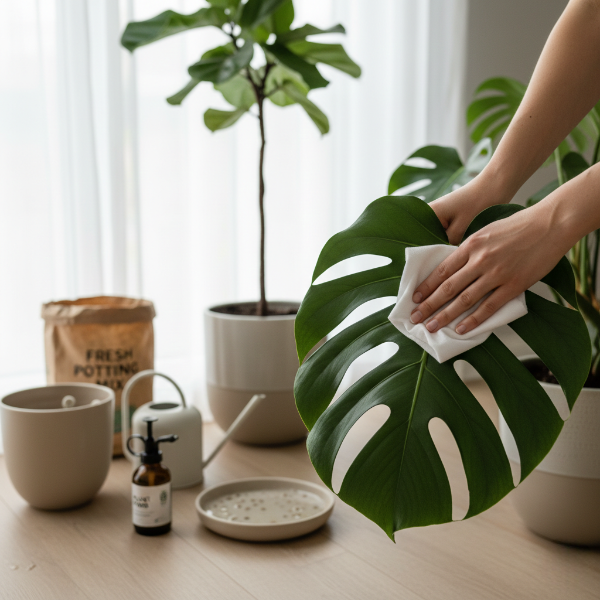
Water quality matters more than most people realize. Tap water in many US cities contains chlorine and fluoride, which some sensitive plants, particularly spider plants and dracaenas, react to with brown leaf tips. Letting tap water sit in an open container overnight allows chlorine to off-gas. Using filtered water or collected rainwater is ideal for sensitive species.
Seasonal watering adjustments: Most indoor plants slow down significantly in fall and winter when light levels drop and growth pauses. A plant that needed water every seven days in summer may only need water every fourteen days in December. Always let the finger test, not the calendar, guide you.
Soil and Drainage: The Foundation Nobody Talks About Enough
Here is something that surprises a lot of beginners: the soil a plant came in from the nursery is rarely the ideal soil for long-term growth. Nurseries prioritize cost and moisture retention for shipping. What most houseplants actually need is a well-draining mix that lets roots breathe.
Why drainage matters so much: Plant roots need both water and oxygen. A waterlogged soil drives out all the oxygen, and without oxygen, roots begin to rot. Root rot is the most common cause of sudden houseplant death, and it always starts with soil that holds too much water for too long.
Good drainage means water flows through the soil and out the drainage holes within a few minutes of watering. If water pools on the surface and takes minutes to absorb, the soil is too compacted or has too much peat, and you should consider repotting.
Building a good indoor plant care soil mix: Most tropical houseplants do well in a base of quality potting mix, like FoxFarm Ocean Forest or a standard Miracle-Gro potting mix, with added perlite for drainage. A ratio of roughly 70% potting mix to 30% perlite works for most aroids and foliage plants. For cacti and succulents, you want 50% or more coarse grit or cactus mix.
Perlite vs. vermiculite: Both are common soil amendments, but they do different jobs. Perlite is lightweight volcanic glass that improves drainage and aeration. Vermiculite retains more moisture while still improving soil structure. For most houseplants that prefer to dry out between waterings, perlite is the better choice. For moisture-loving plants, vermiculite can help maintain consistent hydration.
Pots and drainage holes: Never use a pot without drainage holes as a primary planter. The decorative cachepot method works fine: plant in a plain nursery pot with drainage holes, then set it inside a decorative pot without holes. Just remove the inner pot to water and let it drain fully before returning it.
Humidity and Temperature: Creating the Right Climate Indoors
Most popular houseplants come from tropical regions where humidity hovers between 60% and 80%. The average American home in winter, with central heating running, often drops to 20-30% relative humidity. That gap explains a lot of the brown leaf tips, crispy edges, and slow growth that frustrate plant owners through the colder months.
Which plants need high humidity: Calatheas, ferns, orchids, air plants, and many aroids including anthuriums and alocasias are particularly sensitive to low humidity. These plants evolved in humid environments and suffer visibly when air gets dry, showing brown edges, curling leaves, and spider mite infestations (which thrive in dry conditions).
Effective ways to raise humidity: A humidifier placed near your plants is the most effective method by a significant margin. A small cool-mist humidifier running for a few hours each day will make a noticeable difference for humidity-sensitive plants. Grouping plants also helps, as they release moisture through transpiration and create a microclimate.
Misting is a popular recommendation but has limited effectiveness. It raises humidity for maybe 20-30 minutes, then the water evaporates. Misting also leaves water droplets on leaves, which can promote fungal issues in some species. I have found that pebble trays with water beneath the pot do slightly more, but a humidifier genuinely outperforms all the DIY alternatives.
Temperature requirements for indoor plant care: Most popular houseplants are comfortable in the same range humans prefer: 65-80 degrees F (18-27 degrees C). The problems usually come from temperature extremes you might not notice, like a draft from a leaky window in winter, cold air from an air conditioning vent blowing directly on a tropical plant, or a plant sitting on a concrete floor where the root zone stays much colder than the room.
Keep tropical plants away from cold windows in winter, especially overnight. Even if daytime temperatures are fine, nighttime temperatures near single-pane glass in cold climates can drop into the 40s right at the glass surface.
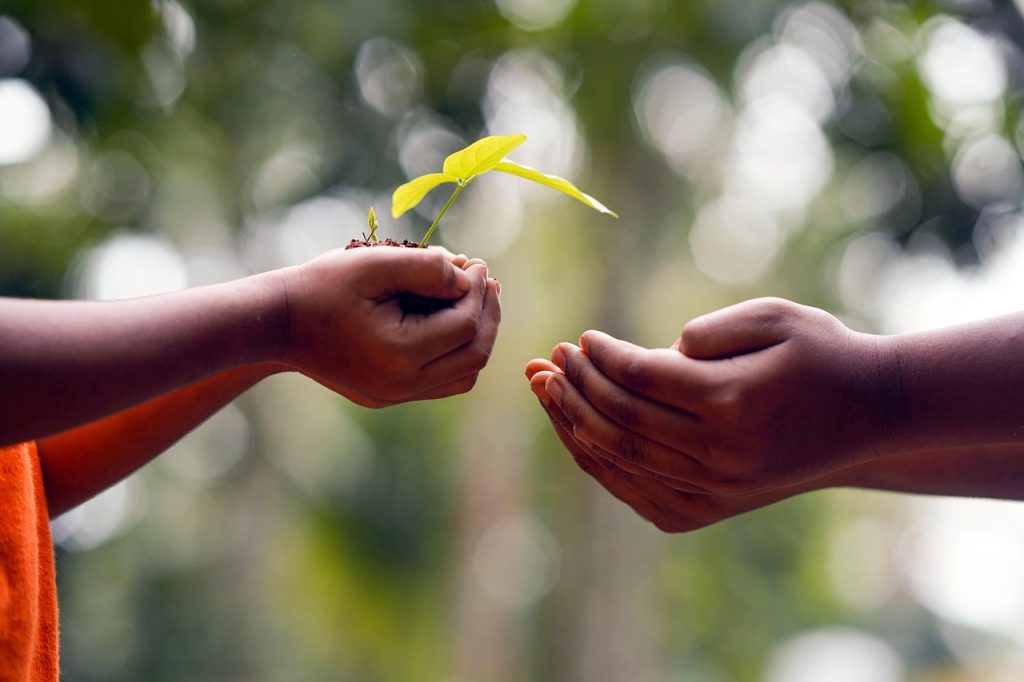
Fertilizing Your Houseplants: What, When, and How Much
Plants need nutrients to grow, and once they have been in the same pot for a while, they exhaust whatever nutrients came in the original soil. Fertilizing replaces those nutrients and supports continued healthy growth.
The three main nutrients in plant fertilizer: The three numbers you see on every fertilizer label, like 10-10-10 or 5-3-3, represent nitrogen (N), phosphorus (P), and potassium (K) as percentages. Nitrogen drives leafy green growth. Phosphorus supports root development and flowering. Potassium improves overall plant health and disease resistance.
For most foliage houseplants, a balanced fertilizer with roughly equal NPK numbers works well. For flowering plants, look for a fertilizer with higher phosphorus. Orchid fertilizers, for example, are typically higher in phosphorus to support bloom development.
How often to fertilize: The general rule for indoor plants is to fertilize during the active growing season, typically spring through early fall, and to stop or reduce fertilizing in winter when most plants are resting. Over-fertilizing is a genuine risk: too much fertilizer salts in the soil causes fertilizer burn, visible as brown leaf tips and edges that look similar to dehydration.
A balanced liquid fertilizer applied at half the recommended dose every two to four weeks during the growing season is a safe, effective approach for most houseplants. Brands like Espoma Indoor Plant Food, Jack’s Classic, and Miracle-Gro liquid formula all work well. Slow-release granules like Osmocote are a lower-maintenance alternative that feeds plants gradually over several months.
Repotting: When Plants Need More Room
Houseplants eventually outgrow their containers, and repotting is an important but often overlooked part of indoor plant care. A plant that has been root-bound for too long, where roots have filled the pot and started circling or emerging from drainage holes, will grow slowly, dry out faster than usual, and generally look stressed.
Signs a plant needs repotting: Roots growing out of drainage holes, roots visibly circling at the surface of the soil, water running straight through the pot within seconds of watering (meaning more roots than soil), or a plant that has dramatically slowed its growth despite good care.
How to repot correctly: Choose a new pot that is only 1-2 inches larger in diameter than the current one. Going too big too fast gives you more soil than roots can use, which stays wet longer and increases the risk of root rot. Use fresh potting mix, and if the roots are tightly bound, gently loosen them before placing in the new pot. Water thoroughly after repotting.
The best time to repot is early spring as plants are coming out of their winter rest and entering their growth phase. Repotting a plant in winter when it is dormant adds stress with few benefits.
Common Houseplant Problems and How to Fix Them
Even with excellent indoor plant care, problems happen. Here is how to read what your plant is telling you.
Yellow leaves are the most common complaint. The most likely cause is overwatering or root rot, particularly if multiple leaves are yellowing at once and the soil stays wet for a long time. A single lower yellow leaf on an otherwise healthy plant is usually natural aging. Sudden, widespread yellowing in a previously healthy plant combined with mushy stem bases almost always signals root rot.
Brown leaf tips and edges point to low humidity, fluoride sensitivity, fertilizer burn, or underwatering. Check the conditions and adjust accordingly. Cutting off the brown tips with clean scissors does not hurt the plant and makes it look tidier.
Leggy, stretched growth means insufficient light. A plant that is reaching toward the window, has widely spaced leaves, and looks sparse compared to when you bought it needs more light. Move it closer to a window or add a grow light.
Pests are an inevitable part of keeping houseplants, but early detection makes them manageable. Spider mites cause fine webbing and speckled, dull leaves. Fungus gnats are tiny flies around the soil, usually caused by consistently overwatered soil. Mealybugs look like small white cotton clusters, usually in leaf joints and along stems. Scale insects look like small brown bumps attached to stems.
Read More: How to get rid of spider mites on indoor plants
Neem oil is one of the most versatile organic treatments for houseplant pests. Diluted properly and applied to all leaf surfaces including undersides, it handles spider mites, mealybugs, scale, and fungus gnat larvae in the soil.
Light Supplement: When and How to Use Grow Lights
Not every home has bright, south-facing windows. If you live in an apartment with limited natural light, or you want to grow plants in spots that do not have adequate windows, grow lights are the answer.
Modern LED grow lights have made indoor plant care with artificial light practical, energy-efficient, and genuinely effective. A good full-spectrum LED placed 6-12 inches above most foliage plants and run for 12-16 hours per day will support healthy growth even in rooms with no windows.
What to look for: a full-spectrum LED with light in both the blue spectrum (for vegetative growth) and red spectrum (for flowering). Look for lights with a color temperature between 4000K and 6500K for most foliage plants. Brands like Barrina, Roleadro, and GE’s grow light lineup offer solid options at various price points.
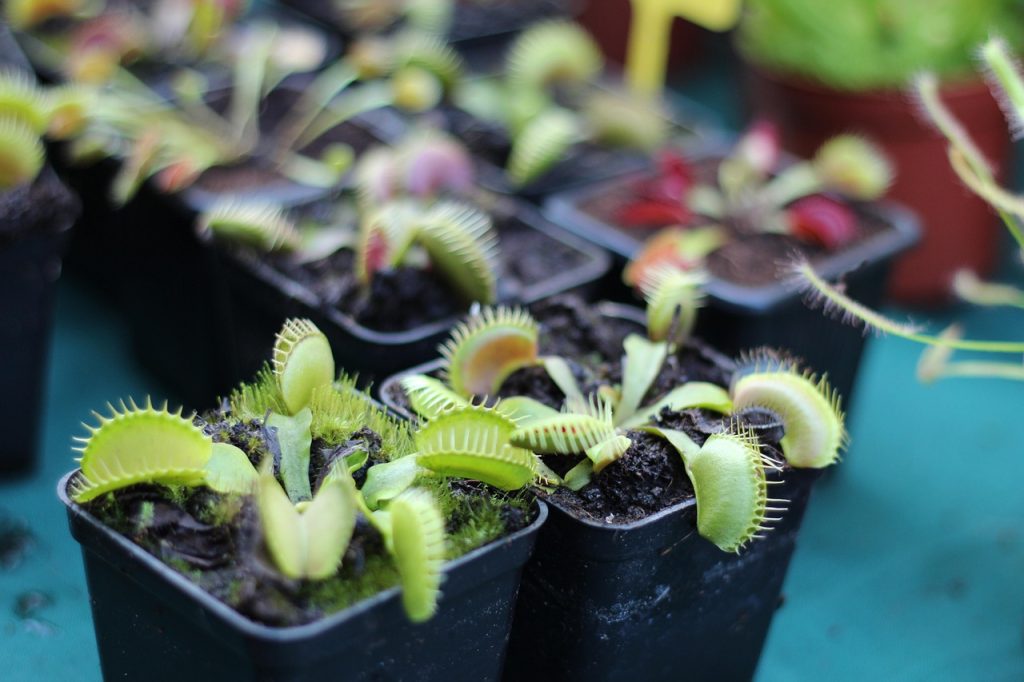
Indoor Plant Care by Plant Category
Different plant families have different needs, and grouping your plants by type helps you develop the right routines.
Low-maintenance beginner plants include pothos, snake plants, ZZ plants, spider plants, and peace lilies. These forgive inconsistent watering, tolerate low light better than most, and bounce back from neglect. If you are new to indoor plant care, start here.
Tropical foliage plants like monsteras, philodendrons, anthuriums, and alocasias prefer bright indirect light, good humidity, and well-draining soil. They reward attentive care with dramatic, impressive growth and large, interesting leaves.
Succulents and cacti need the opposite conditions from tropicals: as much direct sun as you can give them indoors, very infrequent watering, and gritty, fast-draining soil. They are the best choice for very sunny windowsills and for anyone who tends to forget to water. indoor cactus plants
Flowering houseplants like peace lilies, African violets, orchids, and anthuriums need slightly more attention to humidity and feeding but reward you with blooms. Most need higher phosphorus fertilizer to trigger and sustain flowering.
Rare and unusual plants including variegated monsteras, philodendron gloriosums, and unusual aroids, have surged in popularity. They typically need the same care as their more common relatives but often grow slower and cost significantly more, so getting the basics right matters more.
Read more: rare indoor plants
Seasonal Indoor Plant Care: Adjusting Through the Year
Experienced plant parents treat their indoor garden differently across the four seasons, and this seasonal awareness is one of the most impactful shifts you can make.
Spring is the most active time for houseplant care. Plants wake up from their winter rest as day length increases. This is the right time to repot anything that has outgrown its container, start fertilizing again after winter, take cuttings for propagation, and address any lingering pest or disease issues before vigorous growth begins.
Summer brings peak growing season for most houseplants. This is when you will see the fastest growth, need to water most frequently, and may need to move plants slightly back from south-facing windows to avoid direct summer sun through glass. Monitor humidity as air conditioning can dry indoor air significantly.
Fall is a transition period. Gradually reduce fertilizing as growth slows. Start adjusting watering frequency as plants begin to slow down. Move any plants that were spending summer outdoors back inside before nighttime temperatures drop below 50 degrees F (10 degrees C).
Winter requires the most patience. Most houseplants are resting. Water less, stop fertilizing or reduce to once monthly at most, increase humidity to counteract central heating, and avoid repotting until spring. A plant dropping a few leaves in December is often just responding to lower light levels, not dying.
7 Mistakes That Kill Houseplants (And How to Avoid Them)
Watering on a fixed schedule. Watering every Sunday regardless of what the soil feels like is one of the most common ways plants die from root rot. Always check the soil first.
Pots without drainage holes. Plants sitting in water with nowhere for it to go will develop root rot, almost without exception. Always use pots with drainage holes.
Wrong light placement. A monstera in a dark corner will not thrive, no matter how good everything else is. Match the plant to the light in your home, not the other way around.
Ignoring pests until they are severe. A few spider mites on one plant become a whole-collection infestation within weeks if ignored. Inspect plants weekly, especially on the undersides of leaves, and treat at the first sign of pests.
Repotting into a pot that is too large. Jumping up too many pot sizes gives roots more soil than they can use, which stays wet too long and promotes root rot. One pot size up at a time.
Fertilizing in winter. Pushing nutrients into a plant that is not actively growing can cause salt buildup and fertilizer burn. Rest when your plants rest.
Using poor-quality soil. The cheapest potting soil compacts quickly, retains too much moisture, and often lacks the structure plants need. Spending a little more on quality soil and amending it with perlite makes a significant difference in long-term plant health.
Pet Safety and Indoor Plant Care
This section belongs in any complete indoor plant care guide because it affects a lot of plant parents: many popular houseplants are toxic to cats and dogs.
According to ASPCA Poison Control, common toxic houseplants include pothos, philodendrons, peace lilies, aloes, dracaenas, and many lilies. Symptoms of plant toxicity in pets range from mild oral irritation to serious illness depending on the plant and amount consumed.
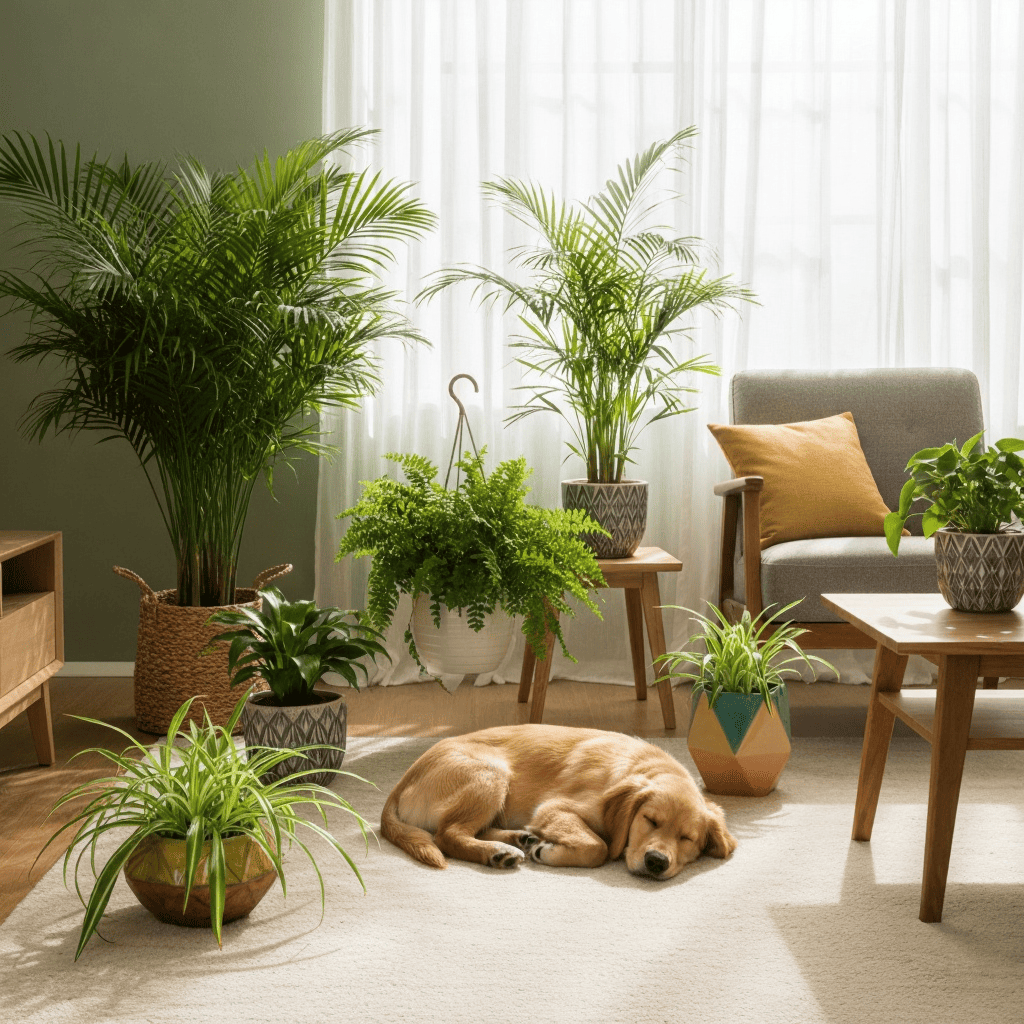
If you have cats or dogs who like to chew on plants, stick to verified pet-safe species. Spider plants, prayer plants, calatheas, Boston ferns, areca palms, and most orchids are generally considered non-toxic per ASPCA guidelines.
This section belongs in any complete indoor plant care guide because it affects a lot of plant parents: many popular houseplants are toxic to cats and dogs.
According to ASPCA Poison Control, common toxic houseplants include pothos, philodendrons, peace lilies, aloes, dracaenas, and many lilies. Symptoms of plant toxicity in pets range from mild oral irritation to serious illness depending on the plant and amount consumed.
If you have cats or dogs who like to chew on plants, stick to verified pet-safe species. Spider plants, prayer plants, calatheas, Boston ferns, areca palms, and most orchids are generally considered non-toxic per ASPCA guidelines.
Read more: Indoor plants safe for cats
Always verify toxicity information through the ASPCA website directly at aspca.org, as some commonly shared plant safety information online is inaccurate.
Frequently Asked Questions
What is the most important aspect of indoor plant care for beginners?
Learning to water correctly is the single most impactful skill for new plant parents. Specifically, checking soil moisture before every watering rather than following a fixed schedule. Overwatering kills more houseplants than any other mistake, and the fix is simple: finger test before you water.
How often should I water my indoor plants?
There is no universal answer. Watering frequency depends on the plant species, pot size, soil type, light level, humidity, and season. A pothos in a 4-inch pot on a sunny windowsill may need water every five days. The same plant in a 10-inch pot in a dim corner may only need water every two weeks. Always check the soil first.
Why are the leaves on my houseplant turning yellow?
Yellow leaves are most often caused by overwatering or root rot, especially if multiple leaves are yellowing and the soil feels wet. Other causes include low light, natural leaf aging, or nutrient deficiency. Check soil moisture first: if the soil is staying wet for more than a week, overwatering is your most likely culprit.
Do indoor plant care need fertilizer?
Yes, over time. Potting soil nutrients deplete after several months. A balanced liquid fertilizer applied every two to four weeks during the growing season (spring through early fall) supports continued healthy growth. Skip fertilizing in winter when most houseplants are resting.
What is the best indoor plant care routine for low-light rooms?
Choose plants that tolerate low light: pothos, snake plants, ZZ plants, Chinese evergreens, and cast iron plants are all good choices. Reduce watering frequency since plants in low light use water more slowly, avoid fertilizing heavily since growth will be slow, and consider adding a grow light if you want more plant options.
How do I know if my plant needs repotting?
The clearest signs are roots growing out of drainage holes, water running through the pot very quickly without being absorbed, or a plant that has slowed significantly despite good care conditions. Spring is the best time to repot, and always move up only one pot size at a time.
Are indoor plants good for air quality?
The NASA Clean Air Study found that certain houseplants can filter some volatile organic compounds (VOCs) from indoor air. Plants like peace lilies, spider plants, and English ivy showed measurable air-filtering ability in controlled conditions. In a typical home, you would need many plants to see meaningful air quality changes, but plants do contribute to a healthier indoor environment.
What is the easiest indoor plant to keep alive?
The pothos is the most forgiving houseplant available. It tolerates low light, infrequent watering, most indoor temperatures, and neglect better than almost any other species. Snake plants and ZZ plants are close runners-up, both nearly indestructible under normal indoor conditions.
Wrapping Up
Healthy indoor plant care is not about doing a hundred things perfectly. It is about getting five things consistently right: appropriate light for the species, watering based on soil moisture rather than schedule, well-draining soil in pots with drainage holes, reasonable humidity especially for tropical species, and temperatures that stay within a comfortable range year-round.
Everything else, fertilizing, repotting, pest management, seasonal adjustments, grows naturally from that foundation. Start with one or two beginner-friendly plants, learn to read what they are telling you, and build from there. After a few seasons of hands-on indoor plant care, you develop an intuition for plants that no guide can fully teach: you just know when a plant looks happy and when it does not.
Start with a pothos or a snake plant. Check the soil before you water. Watch what happens. Happy planting!