
Houseplants continue to be a popular way to bring color, texture, and a natural feel into indoor spaces. In 2026, plant lovers are exploring everything from unusual patterned leaves and sculptural foliage to classic indoor plants that are easy to maintain. The best choices are not always the rarest or most expensive. A plant that grows well in your home and fits your daily routine can be just as rewarding as a collectible variety.
The trending houseplants 2026 conversation is centered on attractive foliage, interesting shapes, adaptable varieties, and plants that complement modern home decor. Some are ideal for experienced collectors, while others are suitable for beginners who want to start an indoor garden without too much maintenance.
Whether you are decorating a bright living room, adding greenery to a home office, or looking for your next plant collection addition, these 12 houseplants are worth considering. Remember that popularity can vary by region, availability, and season, so choose plants based on their growing requirements rather than trends alone.
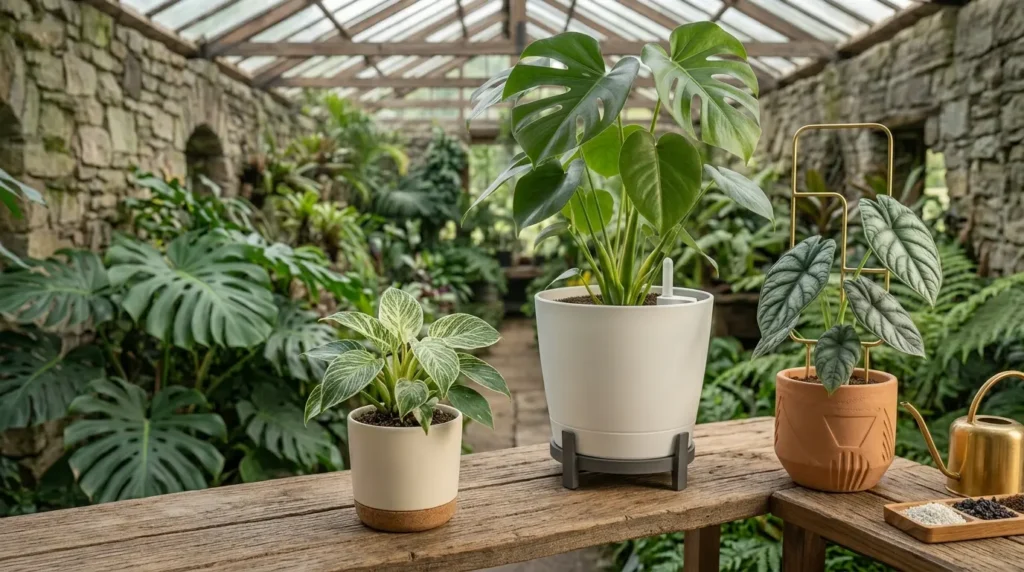
1. Alocasia ‘Silver Dragon’ for Unique Foliage
Alocasia ‘Silver Dragon’ is an eye-catching tropical plant known for its thick, silvery-green leaves and deeply contrasting veins. Its textured foliage gives it an almost sculptural appearance, making it an interesting choice for plant collectors who want something different from common green houseplants.
This variety prefers bright, indirect light and a warm, humid environment. Use a loose, well-draining potting mix, and water when the upper portion of the soil begins to dry. Avoid leaving the pot sitting in excess water, as its roots can be sensitive to poor drainage.
Alocasia ‘Silver Dragon’ is a good option for someone who enjoys paying attention to plant care. It may not be the easiest choice for a beginner, particularly in a dry room or a home with limited natural light.
Best for: Plant collectors and bright indoor spaces.
Care level: Moderate to challenging.
Pet safety: Alocasia is toxic to cats and dogs if ingested.
2. Philodendron ‘Birkin’ for Patterned Leaves
Philodendron ‘Birkin’ is recognized for its dark green leaves marked with creamy white or pale yellow striping. Each new leaf can develop a slightly different pattern, giving the plant an appealing appearance without requiring complicated care.
Place it near a window with bright, indirect light to encourage healthy growth and attractive leaf patterns. Allow the top layer of potting mix to dry before watering again. A pot with drainage holes is important because consistently wet soil can lead to root problems.
Among the trending houseplants 2026, patterned foliage varieties are worth considering for people who want a decorative plant without choosing a particularly large or sprawling species. Philodendron ‘Birkin’ can work well on a plant stand, shelf, or side table where its leaves are easy to appreciate.
Best for: Small living spaces and foliage displays.
Care level: Easy to moderate.
Pet safety: Philodendrons are toxic to cats and dogs if ingested.
3. Monstera for a Tropical Indoor Look
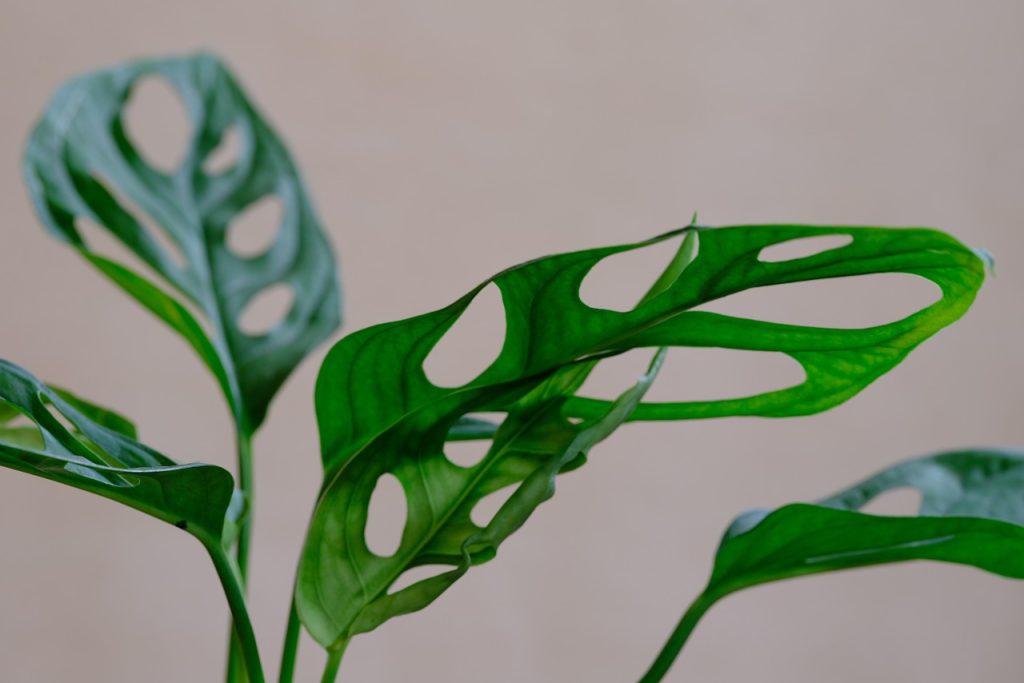
Monstera remains a familiar favorite because of its large leaves and distinctive natural openings. Monstera deliciosa is particularly suitable for people who want a bold tropical look in a living room, sunroom, or spacious home office.
Give your Monstera bright, indirect light and enough room to spread. As it matures, a moss pole or sturdy support can help it grow more upright. Water when the upper part of the soil has dried, and make sure excess water can drain away.
If you already have a Monstera, review our Monstera plant care guide for more information about watering, light, support, and common leaf problems.
Monstera is a useful option for anyone exploring the trending houseplants 2026 list because it combines decorative foliage with a strong presence in a room. However, mature plants can become quite large, so consider the available space before buying one.
Best for: Spacious rooms and tropical decor.
Care level: Easy to moderate.
Pet safety: Monstera deliciosa is toxic to cats and dogs if ingested.
4. Rex Begonia for Colorful Leaves
Rex begonias are grown primarily for their striking foliage. Depending on the variety, the leaves may feature silver, purple, burgundy, green, or pink patterns. Their colorful appearance makes them an alternative to houseplants grown mainly for their size or flowers.
Rex begonias generally prefer bright, indirect light and a growing medium that retains some moisture without becoming waterlogged. Water the soil rather than repeatedly soaking the leaves, and provide good air circulation. They can be sensitive to excessive moisture around their foliage and roots.
These plants can be particularly attractive in a collection of green houseplants because their leaves add contrast. They are also worth considering if you enjoy trying different varieties rather than buying several plants that look alike.
Best for: Colorful indoor plant collections.
Care level: Moderate.
Pet safety: Rex begonias can be toxic to cats and dogs, particularly the underground parts.
5. Aglaonema ‘Silver Bay’ for Easy Indoor Greenery
Aglaonema ‘Silver Bay’ is known for its broad green leaves with silvery markings. It offers a decorative appearance without demanding the same level of attention as some tropical collector plants.
It can adapt to a range of indoor lighting conditions, although bright, indirect light is generally helpful for maintaining attractive foliage. Water when the top portion of the potting mix has dried, and avoid keeping the roots constantly wet. Growth may slow in lower light or cooler conditions.
Aglaonema is a practical choice for people who want to add greenery to a bedroom, living room, or office. It is often easier to manage than plants that need consistently high humidity or frequent pruning.
Best for: Homes and offices with indirect light.
Care level: Easy.
Pet safety: Aglaonema is toxic to cats and dogs if ingested.
6. Prayer Plant for Moving, Decorative Foliage
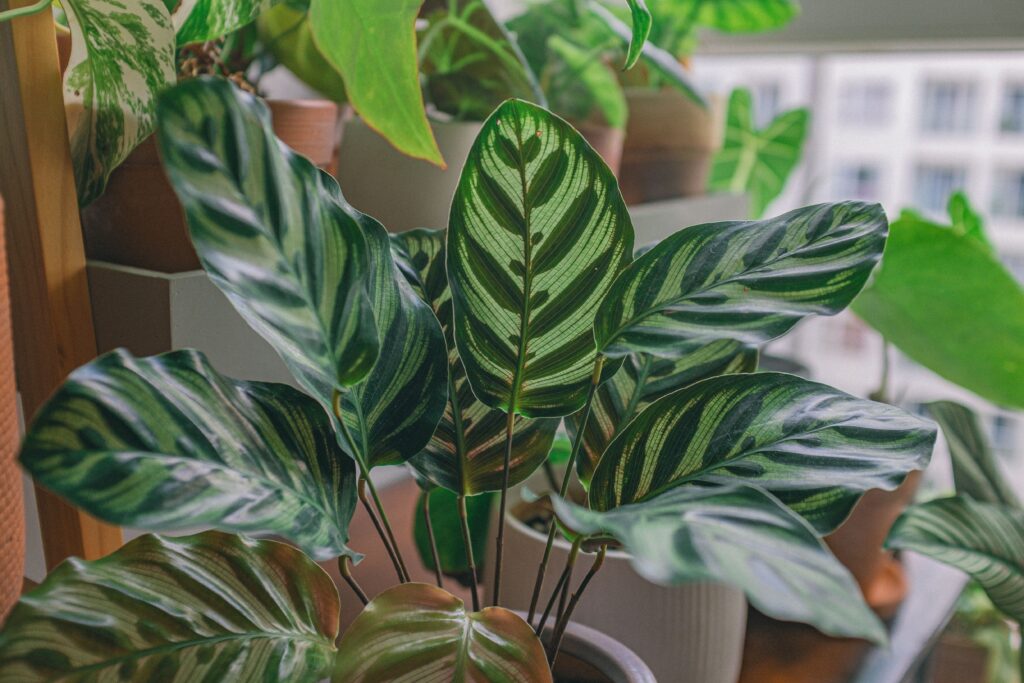
Prayer plants, including varieties of Maranta leuconeura, have patterned leaves that often fold upward at night and open again during the day. Their markings can include dark green, pale green, and reddish veins, making them visually interesting even when the plant is not flowering.
Prayer plants prefer bright, indirect light, evenly moist soil, and moderate to high humidity. They may develop brown leaf edges when the air is too dry, the soil repeatedly dries out, or minerals build up from watering. Use room-temperature water and check the soil regularly rather than following a rigid watering schedule.
If you enjoy plants with unusual leaf patterns and movement, prayer plants are worth adding to your collection. Read our prayer plant care to learn more about light, humidity, and watering.
Best for: Shelves, side tables, and humid rooms.
Care level: Moderate.
Pet safety: Maranta prayer plants are generally considered non-toxic to cats and dogs. Check the exact species before buying.
7. Boston Fern for Soft, Full Greenery
Boston ferns have arching fronds that create a soft, full appearance. They can look especially attractive in hanging baskets, near bright windows, or in rooms where you want a more natural, leafy display.
These ferns generally prefer bright, indirect light and consistently moist soil. They do not usually respond well to being left completely dry for extended periods. Moderate to high humidity can also help prevent the fronds from turning brown or becoming crispy.
A bathroom with suitable natural light may provide favorable conditions, but not every bathroom is bright enough for healthy growth. Check the light level before choosing a location, and do not rely on occasional misting alone to solve a consistently dry environment.
Boston fern is a good option for anyone who prefers a lush appearance over bold, oversized leaves.
Best for: Hanging baskets and naturally humid spaces.
Care level: Moderate.
Pet safety: Boston ferns are generally considered non-toxic to cats and dogs.
8. Hoya for Waxy Leaves and Trailing Growth
Hoya plants are popular among indoor gardeners because many varieties have thick, waxy leaves and trailing or climbing growth habits. Some also produce clusters of star-shaped flowers when growing conditions are suitable.
Most commonly grown Hoyas prefer bright, indirect light and a well-draining potting mix. Their thick leaves can store some moisture, so frequent watering is often unnecessary. Allow the growing medium to dry appropriately between waterings, adjusting the schedule to the plant, pot, and indoor conditions.
Hoya can be trained along a small support or allowed to trail from a shelf. It is a useful choice if you want a plant with a different growth habit from upright foliage varieties.
For the best results, identify the particular Hoya species or cultivar you are buying because light, growth, and flowering habits can vary.
Best for: Hanging planters and vertical displays.
Care level: Easy to moderate, depending on the variety.
Pet safety: Check the specific Hoya species and reliable toxicity references before placing it where pets can reach it.
9. Snake Plant for Low-Maintenance Care
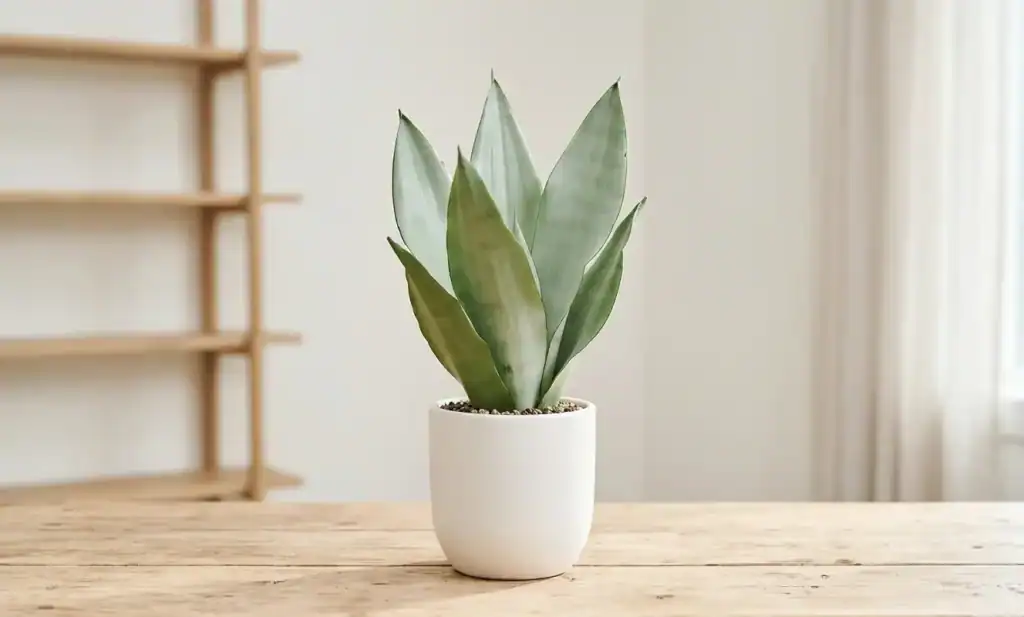
Snake plants are known for their upright, sword-shaped leaves and ability to tolerate a range of indoor conditions. They are a practical choice for beginners who want an attractive plant without frequent watering.
Provide bright, indirect light for steady growth, although snake plants can also tolerate lower-light locations. Let the potting mix dry thoroughly between waterings. In particular, avoid leaving the roots in soggy soil, especially during cooler months when the plant may use less water.
Snake plants can fit into small apartments, bedrooms, and offices because many varieties grow vertically rather than spreading widely. Their structured leaves also complement minimalist and contemporary interiors.
For people choosing among the trending houseplants 2026, a snake plant offers a dependable alternative to more demanding tropical varieties. Its simple care routine can make it easier to maintain a healthy indoor collection.
Best for: Beginners and busy households.
Care level: Easy.
Pet safety: Snake plants are toxic to cats and dogs if ingested.
10. Orchids for Elegant Flowers
Orchids, especially Phalaenopsis orchids, remain an appealing choice for people who want flowers indoors. Their blooms can last for weeks or months under suitable conditions, and their upright flower stems provide a different look from foliage-focused houseplants.
Phalaenopsis orchids generally prefer bright, indirect light and a specialized orchid growing medium that allows air to reach their roots. Water when the medium approaches dryness, then allow excess water to drain completely. Do not leave the roots sitting in water inside a decorative outer pot.
After flowering, the plant may need time to produce a new flower spike. Healthy leaves and roots are more useful indicators of overall plant condition than flowers alone, so avoid discarding a healthy orchid simply because its blooms have faded.
Best for: Bright rooms and flowering plant displays.
Care level: Moderate.
Pet safety: Phalaenopsis orchids are generally considered non-toxic to cats and dogs.
11. Burro’s Tail for a Cascading Succulent Display
Burro’s tail, also known as Sedum morganianum, is a trailing succulent with fleshy leaves arranged along long stems. It looks especially attractive in a hanging pot where the stems can grow downward.
Like other succulents, burro’s tail needs plenty of bright light and a fast-draining growing medium. Allow the soil to dry between waterings, and avoid keeping the pot in a saucer of standing water. Its leaves can detach easily when the plant is handled, so choose a location where it will not be frequently bumped.
This plant is best suited to a bright window or another location that receives suitable natural light. It is not an ideal choice for a dim corner or a room where the soil stays damp for long periods.
Best for: Bright windows and hanging planters.
Care level: Easy with suitable light.
Pet safety: Verify the exact plant identification and consult a trusted pet-toxicity resource before buying.
12. ZZ Plant for a Modern, Structured Look
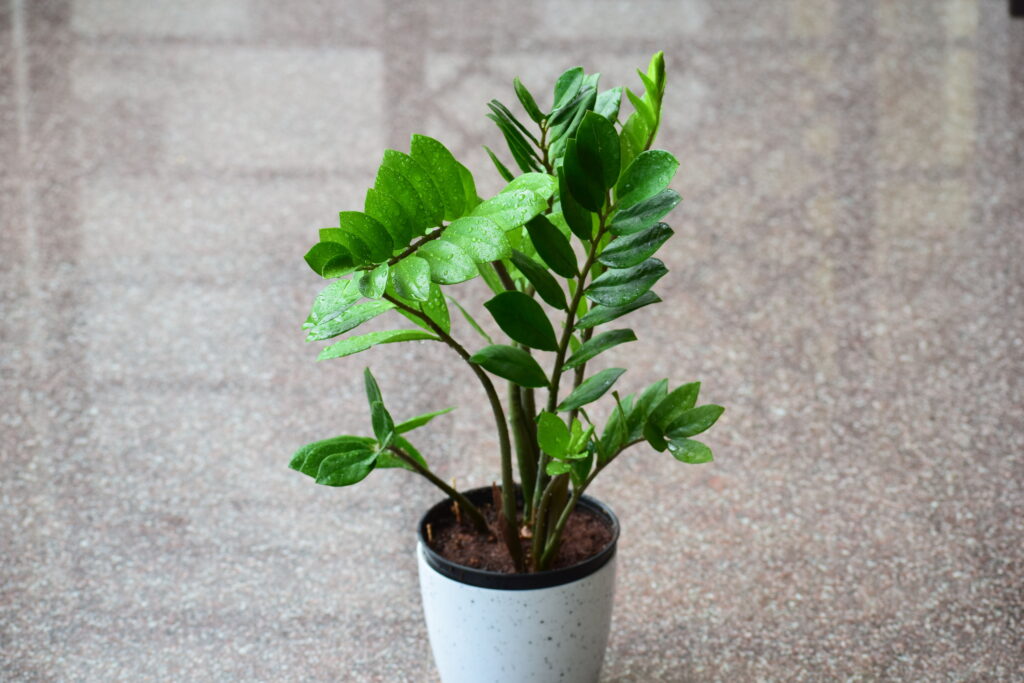
The ZZ plant, Zamioculcas zamiifolia, has glossy leaves arranged along sturdy stems. Its upright growth and relatively slow pace make it suitable for offices, apartments, and rooms where a plant needs to look tidy without constant pruning.
ZZ plants tolerate low light better than many houseplants, but they generally grow more actively with moderate to bright indirect light. Their underground rhizomes store water, so overwatering is a common problem. Let the potting mix dry substantially before watering again and use a container with drainage holes.
This is a useful plant for beginners who sometimes forget to water. However, low-light tolerance does not mean a plant can thrive indefinitely without adequate light, so choose the brightest suitable location available.
Best for: Offices, apartments, and low-maintenance displays.
Care level: Easy.
Pet safety: ZZ plants are toxic to cats and dogs if ingested.
What Makes Trending Houseplants 2026 Worth Considering?
Houseplant popularity changes as new varieties become available, interior design preferences evolve, and plant growers introduce different cultivars. There is no single official list of the most popular plants for every country or home. Still, a few practical qualities help explain why certain plants attract attention.
Distinctive foliage: Plants with silver markings, colorful veins, unusual textures, and natural leaf openings can create visual interest without relying on flowers.
Flexible styling: Trailing Hoyas, upright snake plants, compact Aglaonemas, and large Monsteras suit different rooms and display styles. This makes it easier to choose a plant that complements existing furniture and decor.
Different care levels: Some people enjoy monitoring humidity and soil moisture, while others prefer plants that need less frequent watering. A varied selection gives beginners and experienced growers options that suit their routines.
Collectible varieties: Plant enthusiasts may seek out unusual cultivars or compare leaf patterns as plants mature. Before paying a premium, check the plant’s identity, health, and growing requirements. A high price does not guarantee that a plant will thrive in your home.
The most useful way to follow trending houseplants 2026 is to look beyond appearance and consider whether a plant fits your available light, indoor temperature, humidity, space, and care routine.
How to Choose the Right Houseplant for Your Home
Before buying a new plant, spend a little time checking the conditions where it will live. This can prevent many common problems and help you avoid choosing a beautiful plant that struggles indoors.
Check natural light first. Observe the room throughout the day. A bright window with indirect light may suit a Monstera or Philodendron ‘Birkin’, while a snake plant or ZZ plant may tolerate a lower-light location more successfully. Very low light is unsuitable for many plants, even if they survive there for a while.
Be realistic about watering. If you tend to forget plant care, consider a snake plant, ZZ plant, or suitable Aglaonema. If you enjoy checking soil moisture and maintaining humidity, a prayer plant or Boston fern may be more rewarding.
Consider the mature size. A small plant at the garden center may eventually develop large leaves or long trailing stems. Make sure the plant has enough room to grow without blocking a walkway or pressing against a window.
Check for pets and children. Several common houseplants contain substances that can cause irritation or illness if chewed or swallowed. Confirm the exact species before bringing a plant home, and keep potentially toxic varieties out of reach.
For more inspiration, explore our guide to common indoor plants and our collection of vine plants for indoor spaces to compare different shapes and growing habits.
Common Mistakes to Avoid When Buying Popular Houseplants
A plant can look healthy in a store and still struggle after being moved into a new home. Avoiding a few common mistakes can make the transition easier.
1. Choosing a plant only because it is popular. A high-profile variety may need more humidity, light, or attention than you can provide. Match the plant to your environment instead of changing your entire routine to suit a trend.
2. Ignoring the condition of the leaves and roots. Look for firm stems, reasonably healthy foliage, and no obvious signs of pests. Avoid plants with widespread mushy stems, severe damage, or an unpleasant smell coming from the soil.
3. Watering every plant on the same schedule. A fern and a snake plant do not have the same moisture requirements. Check the soil and consider the plant species, pot size, light, and season before watering.
4. Using pots without drainage. Decorative containers can trap excess water around the roots. Keep plants in pots with drainage holes, or use an inner nursery pot that can be removed for watering and draining.
5. Repotting immediately without a reason. A newly purchased plant may need time to adjust to its new environment. Check its roots and growing medium first, and repot when necessary rather than automatically moving every plant into a much larger pot.
6. Forgetting to check pet safety. Do not assume that a plant is safe because it is sold as a houseplant. Verify its botanical name and consult a trusted resource before placing it within reach of animals.
Frequently Asked Questions
What are the trending houseplants 2026?
Plants worth exploring in 2026 include Alocasia ‘Silver Dragon’, Philodendron ‘Birkin’, Monstera, Rex begonias, Aglaonema ‘Silver Bay’, prayer plants, Hoyas, and classic options such as snake plants and ZZ plants. Popularity varies by location, availability, and growing conditions.
Which houseplants are best for beginners in 2026?
Snake plants, ZZ plants, and many Aglaonema varieties are practical choices for beginners because they generally tolerate some variation in indoor conditions. They still need suitable light, well-draining soil, and careful watering.
Which trending houseplants 2026 are suitable for low-light rooms?
ZZ plants and snake plants can tolerate lower light than many other popular houseplants. However, they still need some natural or appropriate artificial light to remain healthy. Avoid placing them in completely dark rooms.
Which houseplants have the most unusual leaves?
Alocasia ‘Silver Dragon’, Philodendron ‘Birkin’, Rex begonias, and prayer plants are known for distinctive foliage. Their textures, patterns, or contrasting colors can add visual interest to an indoor plant collection.
How often should I water indoor plants?
There is no universal watering schedule for all houseplants. Check the soil moisture, consider the plant species and growing conditions, and water when appropriate for that plant. Always allow excess water to drain away.
Are popular houseplants safe for cats and dogs?
Not all houseplants are pet-safe. Snake plants, ZZ plants, Monsteras, philodendrons, and Aglaonemas can be toxic if ingested. Check the botanical name against a reliable source such as the ASPCA’s toxic and non-toxic plants list before buying a plant.
How can I keep trending houseplants healthy indoors?
Provide suitable light, use an appropriate potting mix, water according to the plant’s needs, and make sure containers drain properly. Inspect leaves regularly for pests and signs of stress, and adjust care when seasons or indoor conditions change.
Should I buy rare houseplants because they are trending?
Not necessarily. Rare plants can be expensive and may have specific care requirements. Start by checking the plant’s health, identity, price, and growing needs. A common plant that thrives in your home can be a better choice than a rare variety that struggles.
Final Thoughts
The best houseplant is one that suits your home, your available space, and the amount of care you can comfortably provide. Some plants on this list offer unusual foliage and collectible appeal, while others are valued for their adaptability and straightforward care.
Use this guide to trending houseplants 2026 as a starting point, not a strict shopping checklist. Compare the plants that interest you, check their light and watering requirements, and choose varieties that are likely to thrive in your indoor environment.
With the right selection and consistent care, you can build an indoor garden that looks beautiful throughout the year.
Happy planting!