
Every autumn, garden centers overflow with pots of bright, compact chrysanthemums. Most people buy them as temporary decoration, stick them on the porch, and toss them once the petals drop. That is a shame, because with the right approach, these plants are tough perennials that can anchor your garden with color for years.
If you have ever wondered why your store-bought plants never seem to survive the winter, or if you want to grow flowers that actually get better every season, this guide covers everything you need to know. From understanding the bloom season to overwintering tricks that keep roots alive through freezing temperatures, these are the practices that separate a one-season throwaway from a thriving perennial.
What Are Mums?
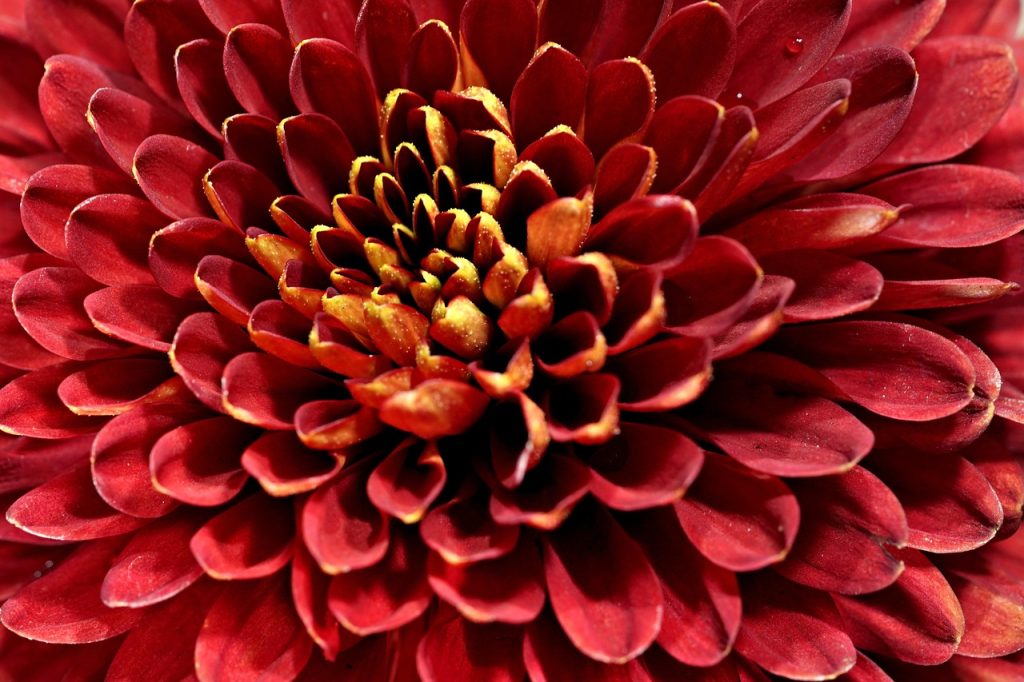
Mums, short for chrysanthemums, belong to the genus Chrysanthemum and are one of the most widely cultivated flowers on earth. There are over 5,000 varieties in existence, ranging from tiny button pompoms to giant exhibition blooms. The garden types most home growers deal with are typically Chrysanthemum x morifolium, a complex hybrid developed for cold tolerance and heavy flowering.
Not all of these plants are created equal. Florist types, the ones bred for greenhouse perfection and sold in foil-wrapped pots, often lack the root systems and genetic hardiness to survive outdoors. Garden varieties, sometimes sold as “hardy mums,” are the ones you want if you are planting in the ground. Though even these need proper timing and care to make it through winter.
The flowers come in nearly every color except true blue. You will find whites, yellows, pinks, purples, bronzes, and reds, with petal forms that include single daisy-like blooms, dense pompoms, spidery quills, and elegant spoons. Their sheer variety makes them one of the most versatile fall garden plants you can grow.
When Do Mums Bloom? Understanding the Bloom Season
The natural chrysanthemum bloom season runs from late summer into early winter, depending on your growing zone and the specific cultivar. Early varieties can start flowering in mid-summer, while late-season types wait until early fall to show color. In most temperate regions, peak season lands squarely in September and October, which is exactly why they have become the unofficial flower of autumn.
Here is what many gardeners do not realize. The potted plants you see blooming in August were forced into flower by growers using controlled light deprivation. Chrysanthemums are short-day plants, meaning they initiate buds when nights grow longer than days. Commercial growers manipulate this by covering plants to extend the dark period, pushing them into bloom weeks ahead of their natural schedule. That is why a plant purchased in full flower in late August may already be exhausted before Labor Day arrives.
If you want blooms at the right time and keep going, choose varieties suited to your zone and plant them at the proper time. Late-season types started from established root systems in spring will hit their stride just as the rest of the garden is fading, giving you weeks of color when you need it most.
How to Plant Mums for the Best Results
Timing is everything with these flowers. Spring planting is ideal because it gives the entire growing season for roots to establish before winter stress arrives. If you buy potted mums in fall, try to get them in the ground by late August or early September at the latest. The later you plant, the less likely they are to survive freezing temperatures, because short-day conditions trigger flowering rather than root growth.
Choose a site that receives at least six hours of direct sunlight daily. Plants grown in too much shade stretch toward the light, produce weak stems, and bloom poorly. The soil must be fertile and well-drained. These plants hate wet feet, and sitting in soggy soil over winter is one of the fastest ways to kill them.
Dig a hole twice as wide as the root ball and just as deep. If your garden soil preparation involves heavy clay, amend generously with compost or aged manure to improve drainage. Space plants 18 to 24 inches apart to allow for air circulation. Set the plant at the same depth it was growing in the pot, water thoroughly, and apply a 2-inch layer of mulch to regulate soil temperature and retain moisture.

Chrysanthemum Care: Water, Fertilizer, and Maintenance
These plants are heavy feeders. I give mine a balanced granular fertilizer, something close to 10-10-10, at planting time and then every three to four weeks through spring and early summer. Once buds begin to form, I switch to a bloom-boosting formula higher in phosphorus and potassium. Stop feeding once flowers open. Too much nitrogen late in the season produces soft growth that is easily damaged by frost.
Watering is straightforward but critical. Keep the soil consistently moist during the growing season, especially while plants are establishing and during bud formation. A deep soaking once or twice a week beats shallow daily sprinkles, which encourage shallow roots. Try to water at the base of the plant rather than overhead. Wet foliage invites fungal problems, and chrysanthemums are already prone to mildew and gray mold in humid conditions.
Deadheading spent blooms keeps the plant looking tidy and can extend the flowering period. Simply snip off faded flowers down to the next set of leaves. This redirects energy into producing more buds rather than setting seed.
Pinching Mums for Bushier Plants and More Flowers
If you do only one thing to improve your plants, pinch them back. This simple practice removes the growing tip of each stem, forcing the plant to branch out and produce more stems. More stems mean more flowers.
Start pinching when new spring growth reaches about 4 to 6 inches tall. Use your fingers or clean pruners to remove the top inch or two of each shoot, just above a set of leaves. Repeat this every two to three weeks until around the Fourth of July. In southern regions, you can push this to early August, but do not pinch within two months of your expected bloom time. Pinching too late removes developing flower buds and leaves you with a beautiful green mound and no flowers.
I mark my calendar every year because it is easy to get busy and miss the window. The difference between a pinched mum and an unpinched one is dramatic. The unpinched plant grows tall and lanky with a few flowers at the top. The pinched plant forms a compact mound absolutely smothered in blooms.
Overwintering Mums: Keeping Them Alive Through Winter
This is where most people fail. That gorgeous pot of orange mums on your porch in October is unlikely to survive January if you do not take specific steps.
First, understand the difference between florist and garden varieties. Florist types are essentially annuals in most climates. Garden mums are hardy in USDA zones 5 through 9, though individual cultivars vary. If you are serious about overwintering plants, start with hardy garden types planted early enough to root in properly.
Do not cut these plants back in the fall. The dead stems and leaves insulate the crown and catch snow, which protects the roots from freezing and thawing cycles. Wait until you see new green growth emerging in spring, then trim the old stems down to about 2 inches above ground level.
After the ground freezes, apply 4 to 6 inches of loose mulch around the plants. Straw, pine needles, or shredded bark work well. Avoid heavy materials that pack down and smother the crown. The goal is to moderate soil temperature and prevent heaving, which happens when freeze-thaw cycles push roots out of the ground.
In spring, gradually pull back the mulch to let the soil warm. Divide crowded clumps every two to three years to maintain vigor. Use a sharp spade to separate the outer portions of the plant, discarding the woody center, and replant the healthy divisions immediately.
Growing Mums in Containers
Potted specimens are everywhere in fall, and they make wonderful seasonal accents. If you want to keep a container plant beyond the season, choose a pot at least 8 inches wide with drainage holes. Use a quality potting mix, not garden soil, which compacts in containers.
Container-grown plants dry out faster than those in the ground, so check moisture daily during warm weather. Feed with a water-soluble fertilizer every two weeks until buds show color. If you live in a cold climate and want to save the plant, you have three options for winter. Move the pot against a sheltered wall, bury the container in the ground up to its rim and mulch heavily, or move it to an unheated garage or basement where temperatures stay between 30 and 50 degrees Fahrenheit. Water occasionally through winter just to keep roots from desiccating.
Many gardeners treat potted fall flowers as annuals, but if you are interested in container gardening with perennials, garden chrysanthemums can absolutely work with a little extra protection.
Best Chrysanthemum Varieties for Home Gardens
With thousands of cultivars available, choosing can feel overwhelming. Here are a few reliable performers that have earned their place in my garden.
‘Clara Curtis’ is an old-fashioned single pink with a yellow center. It is compact, hardy, and produces daisy-like blooms from late summer through mid-fall. It is an excellent choice for borders and attracts late-season pollinators.
‘Hillside Sheffield Pink’ offers soft apricot-pink single flowers on sturdy stems reaching 2 to 4 feet. It is one of the best perennial flowers for a sunny spot and requires almost no special care once established.
‘Fireglow Bronze’ delivers masses of bright orange double flowers on compact, bushy plants. It blooms from early fall right up until frost and pairs beautifully with blue asters and ornamental grasses.
‘Anastasia Green’ is a conversation starter. Its pale green quilled flowers look like nothing else in the autumn garden. It grows 2 to 3 feet tall and makes an unusual addition to cut flower arrangements.
For something dramatic, ‘Matchsticks’ produces yellow blooms with orange-red spoon-shaped petal tips. It is compact, prolific, and adds serious personality to the front of a border.
Common Pests and Problems
These plants are relatively trouble-free, but a few issues show up regularly. Aphids cluster on tender new growth in spring, distorting leaves and exuding sticky honeydew. A strong blast of water or insecticidal soap usually handles them.
Spider mites become a problem during hot, dry spells. You will see stippled yellow leaves and fine webbing underneath. Increase humidity around plants and spray with water to dislodge them.
Gray mold, or botrytis, thrives in cool, wet conditions. It shows up as fuzzy gray-brown patches on leaves and flowers. Improve air circulation, avoid overhead watering, and remove infected plant material promptly.
Powdery mildew leaves a white, dusty coating on foliage. It is mostly cosmetic but can weaken the plant over time. Choose resistant varieties, give plants plenty of space, and water at the soil line to prevent it.
Crown rot is the most serious issue and is almost always caused by poor drainage. If the center of the plant turns soft and black, there is no saving it. Prevention is the only cure, which is why planting in well-drained soil is non-negotiable.
Using Chrysanthemums in the Landscape
These flowers work almost anywhere you need late-season color. Mass them in borders for impact, tuck them into mixed perennial beds, or use them to fill gaps left by summer annuals. They pair beautifully with companion planting partners like Russian sage, sedum, asters, and ornamental grasses. The contrast of warm autumn colors against cool-toned grasses is one of my favorite fall combinations.
Because they bloom when so many other plants are winding down, mums are invaluable for pollinators. Bees and butterflies visit them heavily on warm October afternoons, making them an important food source before winter arrives.
Frequently Asked Questions
Are mums annuals or perennials?
Garden varieties are perennials in zones 5 through 9 when properly planted and protected. Florist types are typically grown as annuals because they lack the hardiness to survive winter outdoors.
Why did my mums die over winter?
The most common causes are late fall planting, poor drainage, insufficient mulch, or cutting the plant back too early in autumn. Roots need time to establish and insulation to survive freezing temperatures.
When should I stop pinching my mums?
Stop pinching about two months before your expected bloom date. For most regions, this means stopping by early to mid-July. In the South, you can push to early August.
Can I plant potted mums in the ground in October?
You can, but do not expect them to survive winter. Plants set out in October have almost no time to root before dormancy. Enjoy them as annuals, or overwinter the pots in a protected space.
How do I make my mums bloom longer?
Deadhead spent flowers regularly, keep soil consistently moist, and avoid fertilizing once buds open. Removing faded blooms prevents the plant from putting energy into seed production.
Do mums need full sun?
Yes. These plants need at least six hours of direct sunlight for the strongest stems and heaviest bloom. In very hot climates, light afternoon shade helps prevent flower fade.
Conclusion
Chrysanthemums deserve better than the disposable treatment they usually get. Given a sunny spot, decent soil, and a little attention to pinching and winter protection, these plants will reward you with spectacular autumn color season after season. They are not difficult to grow. They simply ask for the right timing and a bit of foresight before the first frost.
Plant them in spring if you can. Pinch them through midsummer. Let them stand through winter. And come next September, when your neighbors are buying new pots at the garden center, you will be walking outside to a patch of flowers that is bigger, fuller, and more vibrant than the year before.