
Let me tell you something that took me years to figure out – you don’t need a sun-drenched living room to have gorgeous, towering houseplants. When I first moved into my north-facing apartment, I thought my dreams of having statement plants were over. The lighting was terrible, and every plant I brought home seemed to sulk in the corners.
But here’s what I discovered: some of the most stunning large indoor plants actually prefer low light conditions. From my experience over the past five years, I’ve found plants that not only survive but absolutely flourish in dimly lit spaces. Today, I’m sharing the best large indoor plants for low light that will transform your home into a green sanctuary.
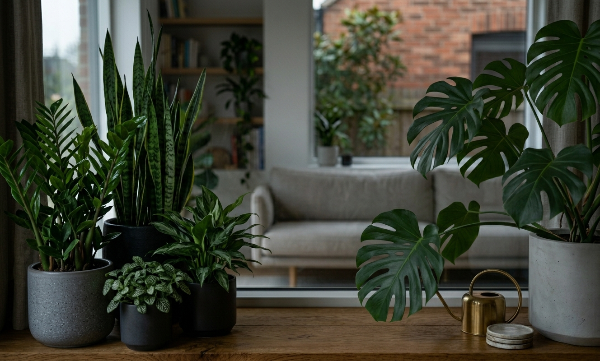
Why Large Indoor Plants Love Low Light
One mistake I made early on was assuming all plants needed bright, direct sunlight to grow big. In reality, many large indoor plants evolved as understory plants in tropical forests, where they naturally received filtered, indirect light. These plants developed large leaves to capture as much available light as possible, making them perfect for our indoor environments.
Large low-light plants also tend to be more forgiving. They’re not as sensitive to changes in lighting conditions, and they typically require less frequent watering than their sun-loving counterparts. This makes them ideal for beginners or anyone who travels frequently.
Top 7 Large Indoor Plants for Low Light Spaces
1. Fiddle Leaf Fig (Ficus lyrata)
Despite what many people think, fiddle leaf figs actually prefer bright, indirect light rather than direct sun. I’ve had mine thriving in a corner that gets maybe three hours of filtered light per day. These plants can grow up to 6-10 feet indoors, with those iconic large, violin-shaped leaves that make such a statement.
From my experience, the key is consistency. Don’t move them around once you find a spot they like, and water only when the top inch of soil feels dry.
2. Monstera Deliciosa (Swiss Cheese Plant)
This has to be one of my favorite large indoor plants for low light. My monstera started as a small plant and now towers at nearly 8 feet, with those gorgeous split leaves that everyone loves. It actually develops better fenestrations (the holes and splits) when it’s not stressed by too much direct light.
The climbing nature of this plant means you can train it up a moss pole or let it cascade, making it incredibly versatile for different room layouts.
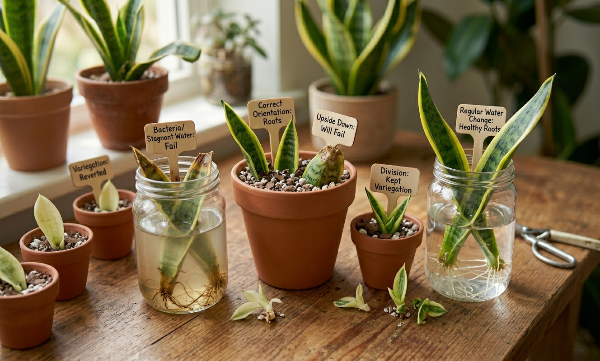
3. Snake Plant (Sansevieria trifasciata)
I’ll be honest – I used to think snake plants were boring until I discovered the larger varieties. The ‘Laurentii’ variety can reach 4-6 feet tall and creates an amazing architectural element in low-light corners. These plants are practically indestructible and can handle neglect better than almost any other houseplant.
One mistake I made was overwatering my first snake plant. They prefer to dry out completely between waterings, especially in low light conditions where they process water more slowly.
4. ZZ Plant (Zamioculcas zamiifolia)
The ZZ plant might be the ultimate large indoor plant for low light. Mine sits in a hallway with no windows, only getting artificial light from overhead fixtures, and it’s been thriving for three years. These plants can grow 3-4 feet tall and wide, with glossy, architectural foliage that looks almost artificial.
What I love most about ZZ plants is their drought tolerance. I water mine maybe once a month, and it keeps producing new growth.
5. Rubber Tree (Ficus elastica)
Rubber trees are fantastic statement plants that can grow quite large indoors – mine is currently 7 feet tall. The burgundy varieties, like ‘Burgundy’ or ‘Tineke’, are particularly stunning and handle low light better than the standard green varieties.
These plants are also great air purifiers, which is a bonus for indoor spaces with limited ventilation.
6. Parlor Palm (Chamaedorea elegans)
If you want that tropical feel without the high light requirements, parlor palms are perfect. They can grow 4-6 feet tall and naturally thrive in low light conditions. From my experience, they’re much more tolerant of indoor conditions than most other palm varieties.
The key with parlor palms is maintaining consistent moisture without letting them sit in water. I use a moisture meter to check before watering.
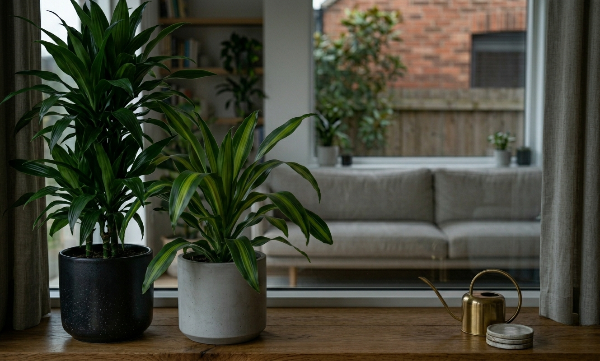
7. Dracaena (Various species)
Dracaenas come in so many varieties, and most of them make excellent large low-light plants. My ‘Janet Craig’ dracaena is nearly 6 feet tall and has been in the same low-light corner for four years. The ‘Massangeana‘ (corn plant) variety is also fantastic for adding height and tropical vibes to dim spaces.
Care Requirements Comparison
| Plant | Max Height | Watering Frequency | Humidity Needs | Growth Rate |
|---|---|---|---|---|
| Fiddle Leaf Fig | 6-10 feet | Weekly | Medium | Medium |
| Monstera Deliciosa | 8+ feet | Weekly | High | Fast |
| Snake Plant | 4-6 feet | Monthly | Low | Slow |
| ZZ Plant | 3-4 feet | Monthly | Low | Slow |
| Rubber Tree | 6-8 feet | Bi-weekly | Medium | Medium |
| Parlor Palm | 4-6 feet | Bi-weekly | High | Slow |
| Dracaena | 5-8 feet | Bi-weekly | Medium | Slow |
Essential Care Tips for Low Light Success
Watering Adjustments
Here’s something crucial I learned the hard way: plants in low light need less water than those in bright conditions. They photosynthesize more slowly, which means they process water more slowly too. I now water my low-light plants about 30% less frequently than my bright-light plants.
Fertilizing in Low Light
One mistake I made was over-fertilizing my low-light plants. Since they’re growing more slowly, they need less nutrition. I fertilize mine only during spring and summer, and at half the recommended strength.
Choosing the Right Spot
Even “low light” plants need some light to survive. I place mine near north-facing windows or in areas that get bright, indirect light for at least a few hours daily. Completely dark corners won’t work for any plant long-term.
FAQs
Can large indoor plants survive in rooms with only artificial light?
Yes, many can! From my experience, ZZ plants, snake plants, and some dracaenas do well under LED grow lights or even bright office lighting. However, they’ll grow more slowly and may need supplemental lighting during winter months.
How do I know if my low-light plant is getting enough light?
Watch for signs like leggy growth, smaller leaves, or leaning heavily toward light sources. These indicate the plant needs more light. Healthy low-light plants should maintain their color and produce new growth, even if slowly.
Do large indoor plants for low light really clean the air?
Yes, many do! Rubber trees, snake plants, and ZZ plants are particularly effective at removing common indoor air pollutants. The larger the plant and leaf surface area, the more air-cleaning benefits you’ll get.
Conclusion
Creating a lush indoor jungle doesn’t require floor-to-ceiling windows or perfect lighting conditions. These seven large indoor plants for low light have transformed my own dim spaces into green sanctuaries that friends constantly admire. Start with one or two that appeal to you most, and watch how they bring life and energy to your home’s darker corners.