
Tropical indoor plants are lush, vibrant houseplants that bring a touch of the jungle into your home. Beginners love them for their striking looks and forgiving nature, making them an exciting first step into indoor gardening. This guide keeps things simple, focusing on the basics to help you get started confidently without overwhelming details.
What Are Tropical Indoor Plants?
Tropical indoor plants come from warm, humid regions near the equator, like rainforests and tropical islands. They naturally thrive in shaded understories with plenty of moisture and indirect sunlight filtering through tree canopies.
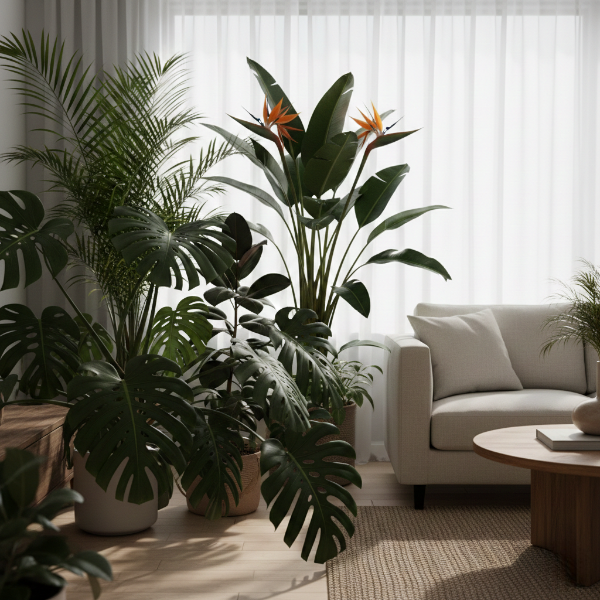
Common features include large, glossy leaves, lush bushy or vining growth, and rich green hues that give a full, exotic appearance. Unlike regular houseplants, Such as small succulents from dry areas or delicate flowering types from temperate zones, tropical indoor plants stand out for their bold scale and dramatic texture. They’re designed for low-light, steamy conditions, which makes them surprisingly adaptable to everyday indoor spots.
Basic Tips for Tropical Indoor Plants
Tropical indoor plants appreciate steady indoor environments that echo their wild roots, think consistent warmth and gentle humidity. Place them away from chilly drafts, hot vents, or sudden temperature swings to keep them happy.
Grouping a few plants creates a mini-microclimate that naturally boosts the air around their leaves. Choose pots that let excess water escape, and give them space to grow without crowding. Observe your plants regularly; they’ll show if they’re content through perky leaves and steady growth.
Why You Should Grow Tropical Plants Indoors
Tropical houseplants act as living artwork, with their oversized leaves and unique shapes transforming plain rooms into inviting retreats. They add depth and texture to shelves, floors, or tabletops, instantly elevating your décor.
These indoor tropical plants make spaces feel fresh and lively, softening hard edges and filling corners with natural energy. On a lifestyle level, they encourage daily mindfulness, pausing to admire them can spark joy and a sense of calm in busy routines. Perfect for apartments or larger homes, they scale from compact tabletops to statement floor pieces, fitting modern living seamlessly.
When and How to Water a Tropical Plant?
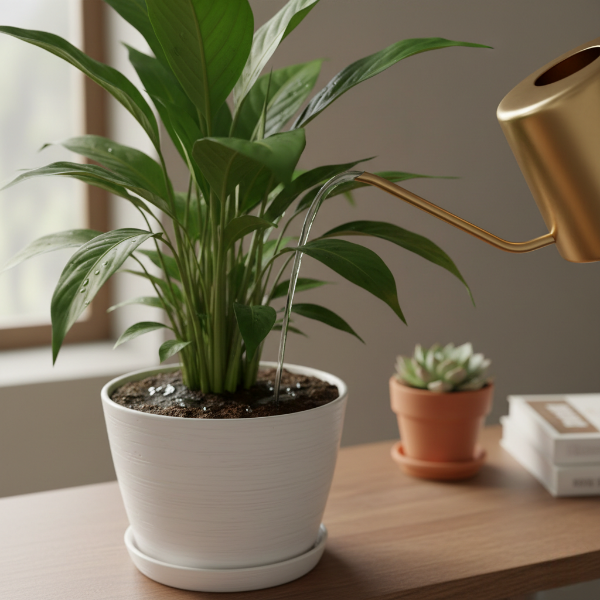
Watering tropical indoor plants is about balance, aim to keep soil lightly moist, like a wrung-out sponge, rather than soggy or bone-dry. Check by feeling the top layer of soil; if it feels dry, it’s time for a drink.
Use room-temperature water poured slowly until it runs out the bottom, then discard any excess to prevent root issues. Beginners often overwater from enthusiasm or underwater from fear, watch for yellowing leaves (too much) or wilting (too little) as gentle signals. Adjust for your home’s dryness; humid spots need less, arid ones more.
What Light for Tropical Plants?
Most tropical indoor plants prefer bright, indirect light, such as near a window with sheer curtains diffusing the sun’s rays. This mimics the dappled glow under rainforest trees, keeping leaves vibrant without scorching.
Indirect light means no direct midday sun blasting them, east or west windows often work best. Low-light-tolerant types handle north-facing rooms or farther-from-window spots, while brighter lovers perk up closer to light sources. Test placements by observing growth; leggy stems mean more light, crispy edges mean less.
Why Tropical Indoor Plants Are Popular
Tropical indoor plants dominate interior design trends with their sculptural forms and lush vibes, starring in everything from minimalist lofts to cozy nooks. They pair effortlessly with current styles like boho, Scandinavian, or contemporary, adding organic contrast to sleek surfaces.
Social media amplifies their fame, with stunning photos of monstera leaves or palm fronds inspiring global plant enthusiasts to recreate the look. These tropical plants for home suit all sizes, trailing varieties for shelves in small spaces, tall ones for open floors, making them versatile for renters or owners alike.
Also check: Good Indoor Plants for Low Light Conditions
Best Tropical Indoor Plants for Home
Here are five of the best tropical indoor plants for beginners. Each offers easy appeal, stunning visuals, and forgiving traits that make them top picks among easy tropical indoor plants.
Monstera Deliciosa (Monstera deliciosa)
This beauty features large, heart-shaped leaves with distinctive splits and holes, creating a funky, perforated jungle aesthetic. It’s ideal for beginners due to its hardy growth and eye-catching presence that thrives indoors. It looks best in living room corners or as a climbing statement near windows.
Fiddle Leaf Fig (Ficus lyrata)
Massive, violin-shaped leaves emerge from a sturdy trunk, forming a tree-like silhouette with glossy waves. Beginners appreciate its dramatic impact and relatively straightforward indoor adaptation. Position it as a focal point in open living areas or home offices.
Rubber Plant (Ficus elastica)
Shiny, leathery leaves in deep green or burgundy tones stack upright for a polished, architectural vibe. As one of the easy tropical indoor plants, it grows steadily with minimal drama. It shines in reading nooks, bedrooms, or modern entryways.
Peace Lily (Spathiphyllum wallisii)
Dark green, lance-shaped leaves contrast beautifully with elegant white hood-like “blooms.” Its graceful form and shade tolerance make it a forgiving choice for new plant parents. Place it on coffee tables, bathroom shelves, or low-light corners.
Parlor Palm (Chamaedorea elegans)
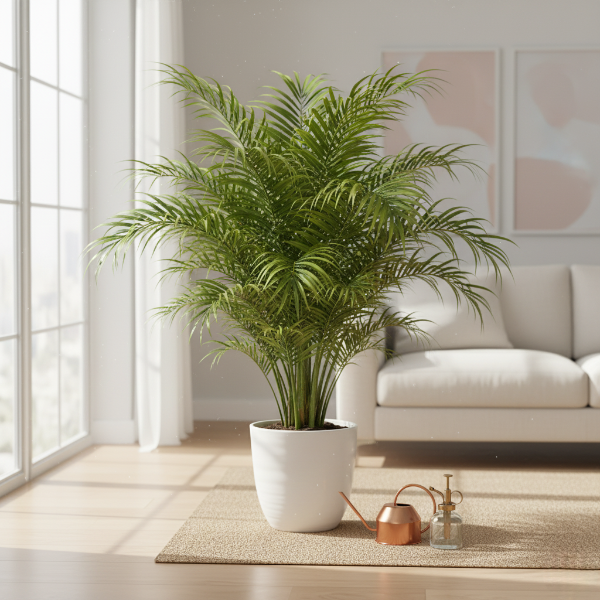
Delicate, feathery fronds cluster on slender stems, offering a soft, Victorian-era charm. This compact tropical houseplant is beginner-friendly with its petite size and low-maintenance allure. It fits perfectly on end tables, shelves, or cozy dens.
FAQs
Their resilience to typical home conditions, like varying light and humidity, plus bold looks that motivate care without perfection.
Yes, many like peace lilies and parlor palms tolerate shade well, bringing greenery to dimmer spaces.
Bigger leaves and lush growth from humid origins set them apart from compact, sun-loving desert types.
Often from sudden changes in spot, temperature, or watering habits, give them time to adjust steadily.
Some are safer than others; check the specifics for your pets and place them out of reach if needed.
Conclusion
Tropical indoor plants offer an accessible entry into houseplant joy, with their rainforest roots delivering lush beauty to any indoor space. From aesthetic boosts to simple daily routines, they enrich modern homes effortlessly.
Embrace these best tropical indoor plants confidently, they’re forgiving friends that reward curiosity. Start with one that catches your eye, and watch your space come alive with natural charm.