
Every plant owner eventually has the same moment. You come home, glance at a shelf, and see something that looks like it’s already given up. The instinct is to do something immediately, water it, move it, cut it back. That instinct is usually wrong. Learning how to revive a dying plant really comes down to slowing down first and figuring out what actually happened before touching anything, and this guide walks through exactly how to revive a dying plant step by step, without the guesswork.
Start With Triage, Not Treatment
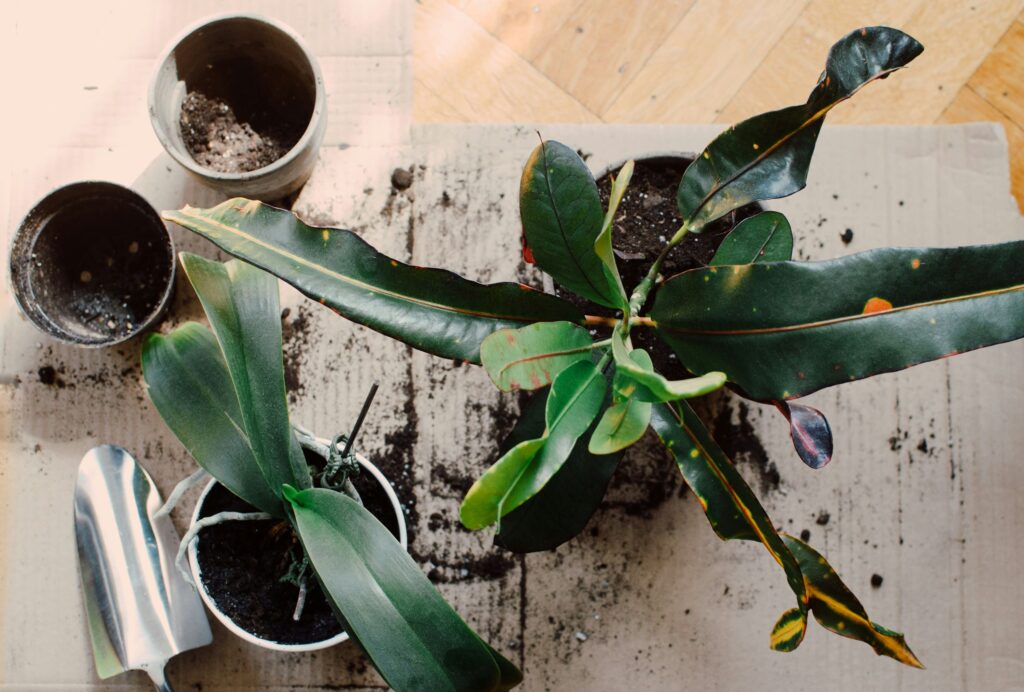
Before you water, repot, or trim anything, spend five minutes actually assessing the plant. This first step matters more than any fix that comes after it in the whole process of how to revive a dying plant, since the wrong treatment applied to the wrong cause can finish off a plant that otherwise had a real shot at recovery.
The scratch test. Gently scratch a small patch of bark on a stem with a fingernail. Green or slightly moist tissue underneath means that section is alive. Dry, brown, crumbly tissue means it’s dead. Check a few different spots, since a plant can be dead at the tips while still alive lower down.
The root check. Slide the plant out of its pot and look directly at the roots. Healthy roots are white, tan, or light colored and feel firm. Dead roots are dark brown or black, feel mushy, and often smell sour. A plant with any real portion of firm roots left is usually worth trying to save.
Wilted but green stays, brown and crispy goes. This rule is worth remembering before you start trimming anything. A drooping leaf that’s still green is still photosynthesizing and helping the plant recover. Save your cutting for tissue that’s fully brown, crisp, or clearly dead.
If every stem tests dry throughout and the roots are entirely black and mushy with nothing healthy left, the honest answer is that the plant isn’t coming back. That’s a disappointing outcome, but no technique changes it at that point.
Figure Out What Actually Went Wrong
Once you’ve confirmed there’s something left to save, the next part of how to revive a dying plant is matching the cause to the right fix, since the wrong response can easily make things worse instead of better. This diagnostic step is where most people either get how to revive a dying plant right or waste weeks treating the wrong problem.
| Symptom | Likely Cause | First Move |
|---|---|---|
| Mushy, dark stems near the soil | Overwatering, root rot | Stop watering, check the roots |
| Crispy, curled, bone-dry leaves | Underwatering | Deep soak, then resume a normal schedule |
| Sudden leaf drop after a move | Transplant or environmental shock | Stabilize conditions, be patient |
| Sticky residue or visible bugs | Pest infestation | Isolate and treat right away |
| Blackened, collapsed leaves | Cold damage | Move somewhere warmer and stable |
| Bleached, crispy patches | Heat stress | Move out of direct heat and sun |
Reviving an Overwatered or Root-Rotted Plant
Overwatering is the single most common reason houseplants end up looking like they’re dying, largely because the damage starts underground and stays hidden until the leaves show it. This scenario is often the hardest test of how to revive a dying plant, since the fix runs counter to instinct.
Remove the plant from its pot and inspect the roots directly. Trim away anything black, mushy, or foul smelling with clean, sharp scissors, cutting back further than feels comfortable if needed, since rotted tissue left behind keeps spreading. Let the remaining roots air dry for an hour or two, then repot into fresh, well draining mix in a pot with real drainage holes. Hold off on watering again until the top couple of inches of the new soil dry out, and skip fertilizer entirely until you see new growth.
Reviving a Dried Out, Underwatered Plant
Severely dry soil often becomes hydrophobic, meaning water runs straight through and out the drainage holes without actually soaking in, which is why a quick splash on top rarely helps revive a dying plant on its own.
Submerge the whole pot in a bucket of room-temperature water and let it sit for 15 to 20 minutes, until the soil has absorbed water fully from the bottom up. Let it drain completely afterward, and don’t water again until the top layer of soil dries out. Avoid sprinkling small amounts daily going forward, since shallow, frequent watering keeps roots near the surface and sets up repeated stress rather than solving the real problem. Skip fertilizer here too, at least at first, since a drought stressed root system can be burned by feeding introduced too soon.
Reviving a Plant After Transplant Shock
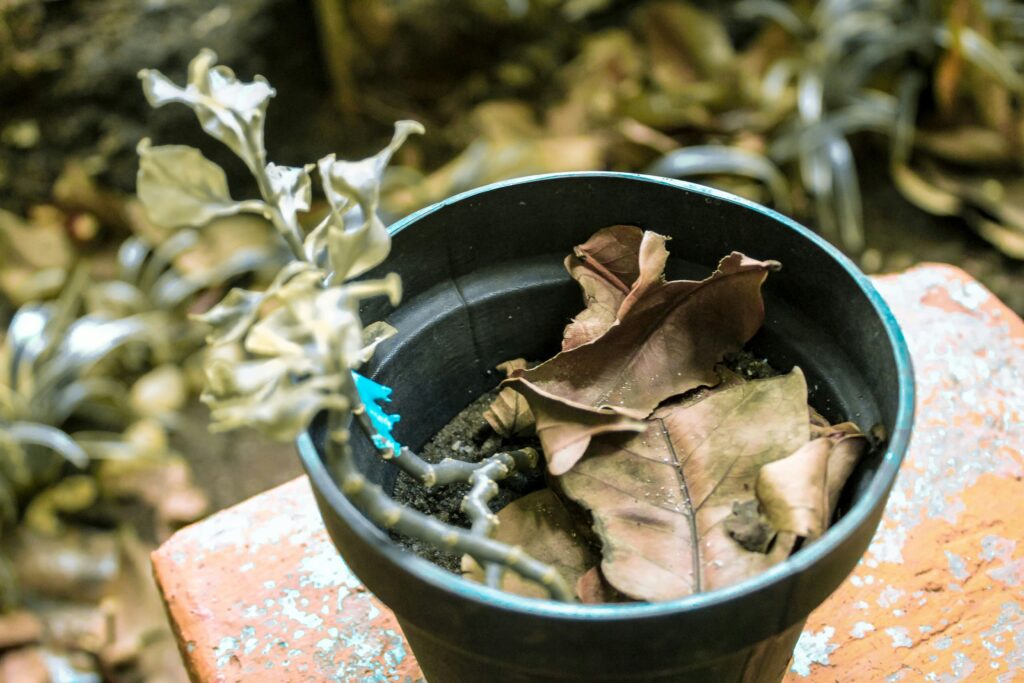
Part of how to revive a dying plant that’s simply adjusting to a change is recognizing that sudden leaf drop or wilting right after a repot, a move, or a change in environment is usually transplant shock rather than a sign the plant is actually dying. The fix is mostly patience: stable, indirect light, consistent watering without overcorrecting in either direction, and no repotting again or fertilizing while the plant settles. Most plants recover within a few weeks once conditions stop shifting on them.
Reviving a Plant With Pests
Sometimes how to revive a dying plant has nothing to do with watering at all. If sticky residue, webbing, or visible insects show up alongside the decline, treat the pest problem directly instead of assuming general neglect is the cause. Neem oil handles most common houseplant pests, including spider mites and mealybugs, without introducing anything harsh into your home. Isolate the affected plant from others nearby while treating it, since pests spread quickly between pots placed close together.
Species Actually Changes the Timeline
One thing generic advice on how to revive a dying plant tends to skip is that recovery speed depends heavily on what kind of plant you’re working with, and knowing this upfront saves a lot of unnecessary worry. A pothos plant care situation typically bounces back within days of correcting the problem, since this plant tolerates real neglect before showing serious stress. A ZZ plant care case is similarly forgiving thanks to its water-storing rhizomes, even after significant leaf loss above soil. Ferns, calatheas, and other moisture-loving plants are far less forgiving and can decline seriously within about a week of the same level of neglect that a pothos would shrug off. Knowing which category your plant falls into helps set realistic expectations before you get discouraged.
When to Stop Saving the Original Plant
Sometimes the honest answer in how to revive a dying plant is that the main stem or root system is too far gone, but a healthy side shoot or lower stem section is still alive. In that case, taking a cutting from the living tissue and starting a fresh plant is often faster and more successful than continuing to nurse a mostly dead root system. This is especially true for plants that root easily, where starting over from one healthy piece beats a long, uncertain recovery attempt.
Mistakes People Make When Trying to Revive a Dying Plant
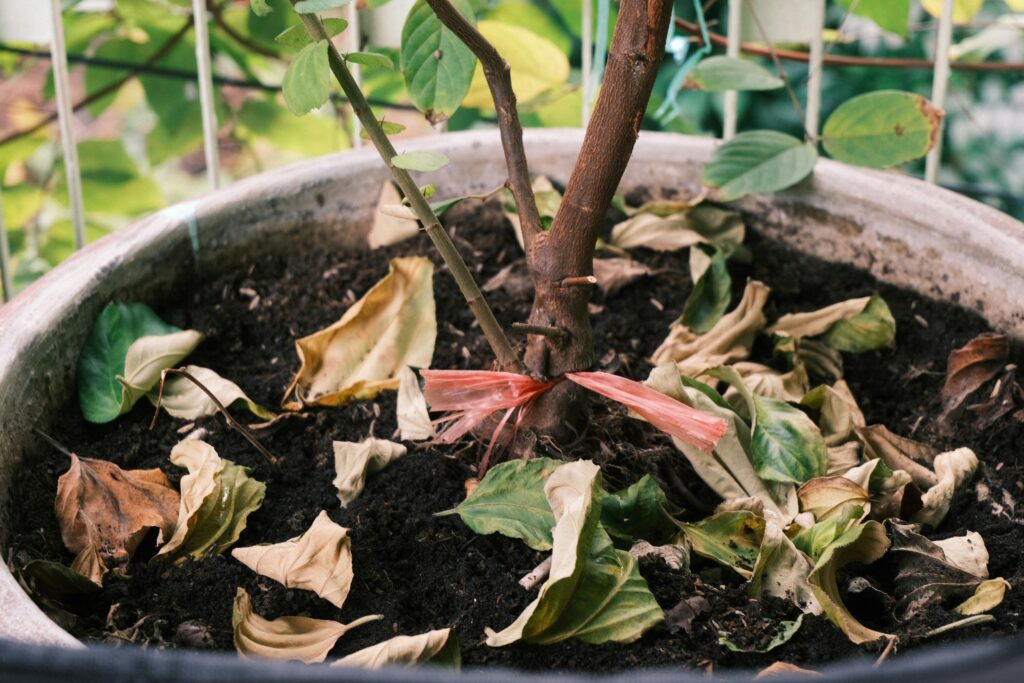
Even careful plant owners fall into a few of these traps when trying how to revive a dying plant, usually out of understandable urgency to do something right away.
- Giving up too early. Many plants recover within four to eight weeks of steady, appropriate care. Tossing a plant after a few days with no visible change is premature.
- Fertilizing immediately. Feeding a stressed or damaged plant often burns already fragile roots rather than helping. Wait for visible new growth before resuming fertilizer.
- Watering in small daily sips. This only wets the top inch of soil and creates a repeating cycle of stress instead of solving the underlying dryness.
- Removing tissue that’s still green. Wilted but green tissue can still contribute to recovery. Save trimming for parts that are fully brown, crisp, or confirmed dead.
- Repotting into an oversized pot. A bigger pot holds more moisture than a stressed root system can use, which often triggers the very root rot you’re trying to avoid.
FAQ
How do I know if my plant is dead or just struggling?
Scratch a stem gently. Green tissue underneath means it’s alive, while brown and dry throughout means that part has died. Checking the roots for firm, light colored tissue versus dark, mushy tissue confirms it further.
How long does it take to revive a dying plant?
Most recoveries take four to eight weeks of consistent, appropriate care, though the exact timeline depends on the species involved and how severe the damage was.
Should I fertilize a dying plant to help it recover?
No, not right away. Fertilizing a stressed plant risks burning already fragile roots. Wait until you see clear new growth before resuming feeding.
Can a plant recover from root rot?
Yes, if enough healthy root tissue remains. Trimming away rotted roots and repotting into fresh, well draining soil gives the remaining healthy roots room to recover.
Why did my plant suddenly drop all its leaves?
Sudden leaf drop is often transplant shock or a big environmental change, like a move or a temperature swing, rather than a sign the plant is dying outright.
Is it too late to revive a completely brown, crispy plant?
Not necessarily. Check the roots and the base of the stems first, since a plant can look completely gone above soil while still holding living tissue below it.
Is it ever better to take a cutting instead of saving the whole plant?
Sometimes, yes. If the main root system is badly damaged but a healthy stem section remains, propagating that living piece is often faster and more successful than nursing a failing root system back to health.
Final Thoughts
Knowing how to revive a dying plant really comes down to slowing down before acting, diagnosing the actual cause, and matching the fix to that cause rather than throwing more water, light, or fertilizer at the problem and hoping something sticks. The entire process of how to revive a dying plant gets easier the moment you stop guessing and start checking. Most houseplants are tougher than they look in a bad moment, and a surprising number of plants written off as dead make it back with nothing more than patience and the right first step.
If yellowing is the main symptom rather than an overall decline, my monstera leaves turning yellow guide covers that specific issue in more depth, and once your plant is back on track, my complete indoor plant care guide is a good place to build steadier habits going forward.
Happy planting!