
Scallions were the plant that convinced me gardening wasn’t as intimidating as I’d built it up to be in my head. I started with a windowsill jar of grocery store scraps before I ever touched a seed packet, and within a week I had fresh green tops to snip into eggs. If you’re looking for a genuinely forgiving first crop, whether you’ve got a full garden bed or just a sunny counter, scallions are hard to beat.
| Sun | Full sun to part shade, 6+ hours ideal |
| Water | Consistent moisture, shallow roots dry out fast |
| Soil | Rich, well draining, pH 6.0 to 7.0 |
| Days to Harvest | 60 to 80 days from seed, as little as 3 weeks from sets |
| Hardiness | Cold tolerant, grown as an annual in most climates |
| Difficulty | Very easy, one of the best crops for first-time growers |
What Exactly Is a Scallion
This is the single most searched, and most confused, question in the entire topic, so it’s worth settling clearly before anything else. A true scallion is Allium fistulosum, sometimes called the Welsh onion despite having no real connection to Wales. According to University of Minnesota Extension, scallions are also commonly known as bunching onions, and unlike standard onions, their green and white stalks never swell into a bulb at all. It’s a bunching onion that grows in clumps and, critically, never forms a swollen bulb at the base. What you harvest is a long, straight stalk of white and green, root to tip, the same width the whole way down.
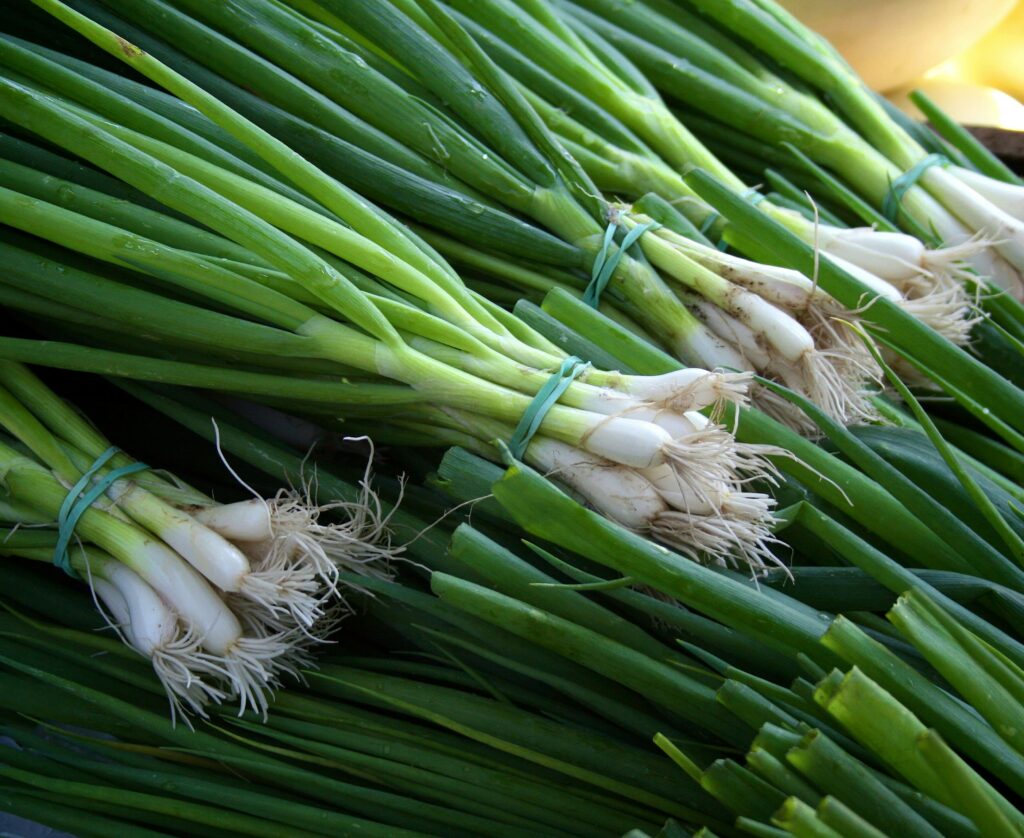
Confusingly, plenty of grocery stores and even some seed catalogs use “scallion,” “green onion,” and “spring onion” interchangeably, and in casual cooking conversation, that’s mostly fine. But there is a real botanical difference worth knowing if you’re buying seeds. Spring onions are technically young common onions, Allium cepa, harvested early before the bulb has fully swollen, which is why they often have a slightly more pronounced bulge at the base and a sharper flavor than a true scallion. Chives are a completely different, much thinner species grown mainly for their hollow, grass-like leaves rather than a usable stalk. Leeks are bigger, more fibrous, and grown for a long, thick white shaft rather than a slender stalk.
| Name | Botanical Name | Bulb? | Flavor | Best Use |
|---|---|---|---|---|
| Scallion / bunching onion | Allium fistulosum | No, straight stalk throughout | Mild | Raw garnish, stir fries |
| Spring onion | Young Allium cepa | Slight bulge | Sharper | Grilling, roasting |
| Chive | Allium schoenoprasum | No | Very mild, grassy | Garnish, herb use |
| Leek | Allium ampeloprasum | No, but thick shaft | Mild, sweeter | Soups, braising |
For home growing purposes, if a seed packet says “bunching onion,” “Welsh onion,” or “scallion,” you’re getting the true, no-bulb version this guide focuses on.
Choosing How to Start: Seed, Sets, or Scraps
There are three realistic starting points, and which one makes sense depends entirely on how quickly you want a harvest and how much control you want over variety.
- From seed gives you the widest variety selection and the healthiest, most productive plants long term, but it takes the longest, generally 60 to 80 days to a full harvest.
- From sets or divisions, meaning small starter bulbs or divided clumps from an existing plant, gets you a harvest in as little as three to four weeks, since you’re skipping the slow germination stage entirely.
- From kitchen scraps, the root ends you’d normally throw away, is the fastest and lowest effort option of all, and it’s genuinely the best entry point if you’ve never grown anything before.
Growing Scallions From Seed
Start seeds indoors four to eight weeks before your last expected frost date, or direct sow them in the garden about four weeks before that same date once the soil is workable. Plant seeds about a quarter to a half inch deep, spacing rows 12 to 18 inches apart, and once seedlings emerge, thin them so they stand roughly one to two inches apart within the row.
Germination is genuinely slow by vegetable garden standards, sometimes taking one to two weeks, so don’t panic if nothing seems to be happening for the first several days. Keep the soil consistently moist during this stretch, since drying out even briefly can kill young seedlings that haven’t developed a real root system yet.
Growing Scallions From Sets or Division
If you already have an established clump, or a friend is willing to share one, division is the fastest route to a new patch. Dig up an existing clump, gently separate it into smaller sections with a few stalks and roots attached to each, and replant those divisions about six inches apart in prepared soil.
This method skips the slow seedling stage entirely, and divided sections typically resume active growth within days rather than weeks.
Regrowing Scallions From Kitchen Scraps
This is the method that makes scallions such a popular first gardening project, and for good reason: it costs nothing beyond a bunch you were already going to cook with.
- When prepping scallions for a recipe, cut the greens off for cooking, but leave the white base, the roots, and about two to three inches of the light green stalk intact.
- Choose scraps with roots that are at least half an inch long, since these regrow noticeably faster than very short, freshly trimmed roots.
- Stand the root ends in about two inches of water in a glass or jar, with the cut top sticking out above the waterline.
- Place the jar in a sunny spot, ideally a windowsill that gets several hours of light a day.
- Change the water daily. This step matters more than people expect, since stagnant water encourages rot and bacterial growth right at the base you’re trying to keep healthy.
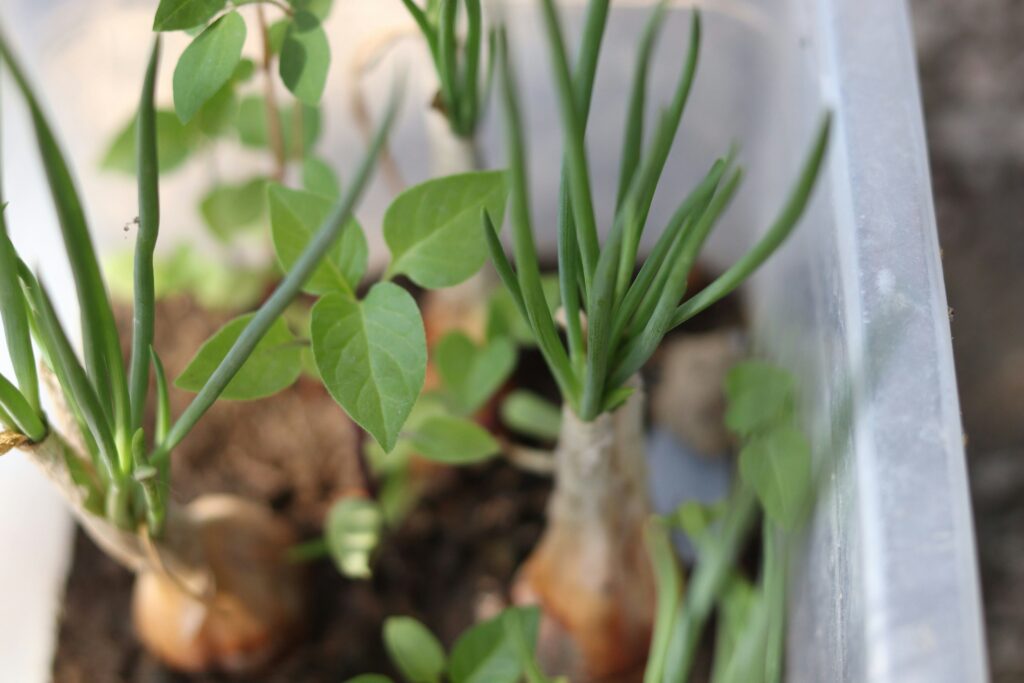
New green growth typically appears within about a week. You can snip what you need directly from the jar for several rounds of regrowth, but water alone can’t supply the nutrients a plant needs indefinitely. For a stalk that keeps producing well over the long term, transplant it into potting soil once you see decent root development, either in a pot indoors on a bright windowsill or straight into the garden.
Growing Scallions Indoors or in Containers
Scallions adapt well to container life, which makes them one of the more realistic vegetables for apartment growers without any outdoor space at all. Choose a pot at least 6 to 8 inches deep with drainage holes, since standing water at the bottom causes rot just as quickly in a container as it would in a garden bed. A loose, well draining potting mix works better than dense garden soil, which tends to compact in a pot and suffocate the shallow root system.
Place the container somewhere it gets at least six hours of light daily. A south facing windowsill works in many homes, though a grow light is a reliable backup if your available window light falls short, especially through winter months when day length is limited. If you’re building out a broader windowsill garden alongside your scallions, my complete indoor plant care guide covers the basics for pairing them with other easy indoor growers.
Light, Soil, and Water Needs
Scallions want full sun to part shade, with six or more hours of direct light producing the strongest, most flavorful growth. They’ll tolerate a bit of afternoon shade in hotter climates, but consistently dim conditions slow growth noticeably.
Soil should be rich in organic matter, well draining, and sit in a pH range of about 6.0 to 7.0. Working several inches of compost or well aged manure into the top layer before planting improves both fertility and moisture retention, which matters more than it would for deeper rooted crops.
Water needs are driven entirely by that shallow root system. Scallions dry out faster than most vegetables because their roots simply can’t reach moisture held deeper in the soil, so consistent, shallow watering throughout the growing season keeps them from stressing out and toughening up.
Fertilizing
A balanced, all purpose vegetable fertilizer applied at planting time, followed by a lighter feeding partway through the growing season, supports steady leaf growth without pushing so much nitrogen that flavor or texture suffers. If you’re not sure what to look for on a label, my best fertilizer for houseplants guide breaks down NPK ratios and application basics that carry over well to container-grown vegetables too. Nitrogen specifically drives strong green top growth, but overdoing it can leave the stalks softer and more prone to storage rot after harvest, so moderate, consistent feeding beats one heavy application.
Succession Planting for a Continuous Harvest
Because scallions grow quickly and don’t store well once pulled, staggering your plantings is far more useful than one large sowing all at once. Sow a new short row every three to four weeks throughout the growing season, from spring direct sowing through late summer, and you’ll have a steady, ongoing supply rather than a single overwhelming harvest followed by a long gap.
Companion Planting
Alliums like scallions pair well with carrots, beets, and lettuce, and their scent is commonly credited with helping deter some common garden pests from neighboring crops. Avoid planting them too close to beans and peas, since alliums are known to stunt the growth of legumes when planted in the same bed.
Common Pests and Problems
Onion thrips are the most common pest issue, showing up as silvery streaks or blotches on the leaves as the insects feed on plant sap. A firm blast from a garden hose on a sunny morning, when leaves can dry off quickly afterward, knocks most of them off. Insecticidal soap applied thoroughly to the leaves handles anything the water blast misses, and neem oil is another gentle option worth keeping on hand if thrips or other small pests show up on your other container plants too.
Onion maggots are less common but more serious, since they burrow into the base of the plant rather than just damaging the leaves. If you notice wilting plants and pull one to find small tunnels through the base, remove and discard the affected plants entirely rather than composting them, since composting can spread the problem to future beds. Floating row covers placed over young plants prevent the adult flies from laying eggs in the first place, and rotating where you plant alliums each year reduces the odds of a repeat infestation.
Rust is a fungal problem that starts as white or yellow spots on the leaves before turning reddish brown as it spreads. It travels through airborne and soil-borne debris, so keeping fallen leaves and plant matter cleared from the bed is the most effective prevention. Once rust takes hold, affected plants are best removed rather than treated, since fungicide is more useful as a preventive measure on the remaining healthy plants than as a cure.
Bolting: What It Means and What to Do
If a scallion sends up a tall, round, fluffy flower stalk, that’s called bolting, and it’s a sign the plant has shifted from growing leaves to producing seed, usually triggered by prolonged heat or a stressful growing season. Once a plant bolts, the stalk itself becomes tougher and more fibrous, though it’s still perfectly edible if used quickly. If you’d rather collect seed than eat the stalk, let the flower fully mature and dry, then chop the flower heads off, place them in a paper bag, and let them dry further for several days, shaking occasionally to help release the seeds inside.
Harvesting
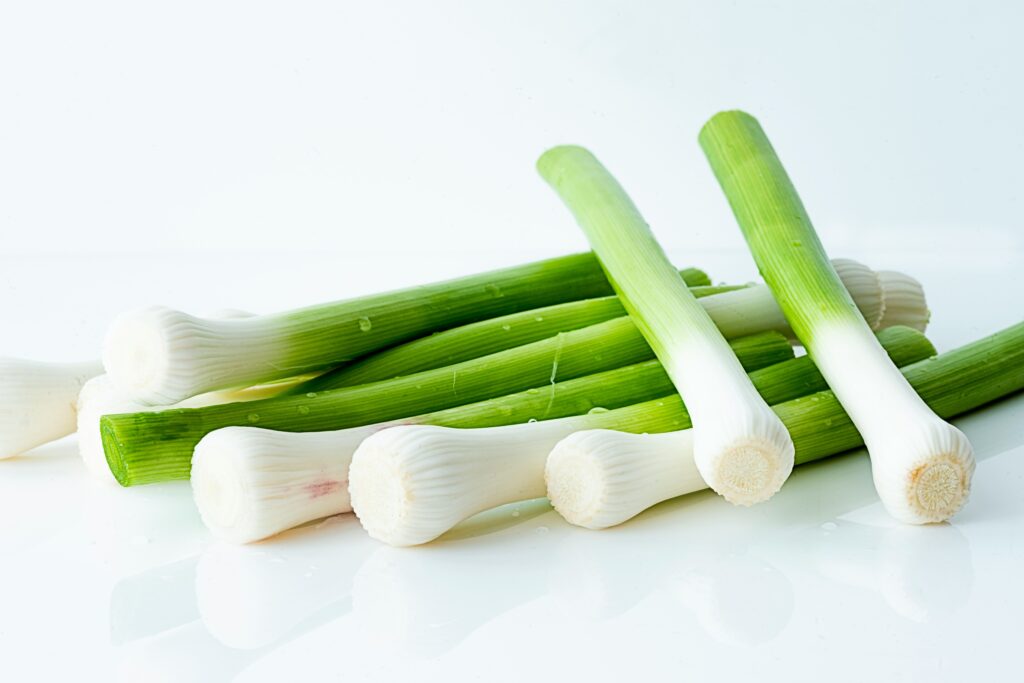
Scallions are ready to harvest once the white base reaches roughly the thickness of a pencil, which typically happens 60 to 80 days after sowing from seed, or in as little as three weeks from divisions or transplants.
You have two realistic harvesting approaches. The first is a full pull, removing the entire plant, roots and all, which gives you the whole stalk at once but ends that plant’s productive life. The second is a cut-and-come-again approach, snipping the greens down to about an inch above the base while leaving the roots in the ground. Many bunching varieties will regrow a fresh set of greens from that remaining base, giving you multiple harvests from the same planting over several weeks.
Storing Harvested Scallions
Fresh scallions go limp surprisingly fast if left loose in the crisper drawer, but a couple of simple storage tricks noticeably extend how long they stay usable.
The jar method works best for scallions with roots still attached. Trim the roots slightly if needed, stand the scallions upright in about an inch of water in a glass or jar, and loosely cover the top with a plastic bag without sealing it. Kept in the fridge with the water refreshed every couple of days, scallions stored this way typically stay fresh and crisp for two to three weeks, noticeably longer than loose storage.
The damp paper towel method works well for scallions you’ve already trimmed or cut. Wrap them in a lightly moistened paper towel, place them in a loosely closed bag or container, and refresh the moisture if the towel dries out.
Freezing is the best option if you have more than you can use fresh. Rinse, dry thoroughly, chop to your preferred size, and freeze in a sealed container or bag. Frozen scallions hold good quality for roughly three to four months, and while their texture softens after thawing, they work perfectly well stirred into cooked dishes straight from frozen.
A Quick Note on Nutrition
Scallions bring meaningful nutritional value for how little space and effort they require. They’re a source of vitamins A, C, and K, along with plant compounds with antioxidant properties, all while contributing very few calories to whatever dish they end up in.
Common Mistakes Beginners Make
- Letting the water go stale in the regrowing jar. Skipping daily water changes when regrowing scallions from scraps invites rot right at the base you’re trying to keep healthy, which is the single most common reason this method fails for first timers.
- Watering too infrequently. Because scallion roots are so shallow, they dry out faster than most people expect from a vegetable. A schedule that works fine for deeper rooted crops often leaves scallions stressed and stunted. If a patch already looks badly wilted or crispy, my how to revive a dying plant guide covers the general recovery steps that apply just as well to stressed vegetables as they do to houseplants.
- Overcrowding the row. Skipping the thinning step because pulling healthy looking seedlings feels wasteful actually reduces your total harvest, since overcrowded scallions compete for the same limited moisture and nutrients and end up smaller across the board.
- Composting diseased or infested plants. Tossing rust-affected or maggot-infested plants into the compost pile just reintroduces the problem into your garden the next time you use that compost.
- Planting the same spot every year. Alliums are prone to soil-borne pests and diseases that build up over successive seasons in the same bed. Rotating where you plant them, ideally waiting a few years before returning to the same spot, meaningfully cuts down on recurring problems.
FAQ
How long does it take to grow scallions?
From seed, expect 60 to 80 days to a full harvest. From sets or divisions, as little as three to four weeks. From kitchen scraps regrown in water, new green growth typically appears within about a week.
Can I regrow scallions indefinitely from the same kitchen scraps?
Water alone can support a few rounds of regrowth, but it can’t supply nutrients forever. Transplanting the regrown scraps into potting soil gives you a longer-lasting, more productive plant than leaving it in water alone.
Do scallions need full sun?
They do best with six or more hours of direct light daily, though they’ll tolerate some afternoon shade, particularly in hot climates.
Why did my scallions send up a flower stalk?
That’s called bolting, usually triggered by heat or a stressful growing season. The plant has shifted energy from leaf growth to seed production, and the stalk becomes tougher as a result.
What’s the difference between a scallion and a green onion?
In everyday cooking language, none, the terms are used interchangeably. Botanically, “scallion” most precisely refers to Allium fistulosum, the true bunching onion that never forms a bulb.
How do I store scallions so they last longer?
Stand them root-end down in about an inch of water in a jar, loosely covered, in the fridge, refreshing the water every couple of days. This typically keeps them fresh for two to three weeks.
Can scallions regrow after I harvest the greens?
Yes, if you cut the greens down to about an inch above the base and leave the roots in the ground, many bunching varieties will regrow a fresh set of greens for another harvest.
What pests should I watch for with scallions?
Onion thrips, which cause silvery streaking on the leaves, and onion maggots, which burrow into the base of the plant, are the two most common issues. Rust, a fungal disease causing reddish-brown spotting, is less common but worth watching for in humid conditions.
Final Thoughts
Scallions earn their reputation as a genuinely beginner-friendly crop honestly. They’re fast, forgiving, and give you three completely different starting points depending on how much patience and space you’re working with, from a full seed-to-harvest garden bed down to a jar of scraps on a windowsill. Get the watering rhythm right and keep an eye out for the handful of pest issues covered here, and a steady, ongoing harvest is well within reach even in your first season.
Happy planting!