
Most people try to grow cilantro once, watch it shoot up a flower stalk within three weeks of planting, and conclude they have some kind of black thumb. I did the same thing my first two summers. Planted in June, got beautiful seedlings for about a week, and then one morning woke up to a four-inch flower stalk and leaves that had already turned bitter and sparse. It took me an embarrassingly long time to realize the problem was not my technique but my timing. Cilantro is a cool-season herb with strong opinions about temperature, and once you understand that single fact, everything else about how to grow cilantro falls into place naturally and stops feeling mysterious.
| Aspect | Details |
|---|---|
| Botanical Name | Coriandrum sativum |
| Common Name | Cilantro (leaves), Coriander (seeds) |
| Plant Type | Annual herb |
| Light | Full sun to partial shade (6+ hours daily) |
| Water | Consistent moisture; top 1 inch (2.5 cm) dry before rewatering |
| Soil | Well-draining, loamy, slightly fertile |
| Soil pH | 6.0 to 7.5 |
| Temperature | 50 to 75 degrees F (10 to 24 degrees C) |
| Days to Harvest | 30 to 45 days (leaves); 90 to 120 days (seeds) |
| Mature Height | 12 to 24 inches (30 to 61 cm) |
| USDA Zones | 2 to 11 (as a cool-season annual) |
| Toxicity | Non-toxic to cats, dogs, and humans |
What Cilantro Actually Is (And Why Most Guides Skip This Part)
Cilantro and coriander come from the same plant, Coriandrum sativum, which is worth knowing before you start because it changes how you manage the growing cycle. The fresh leafy herb we call cilantro in the US is the foliage harvested during the plant’s early, vegetative stage. The seeds that develop after the plant flowers are what we call coriander, a separate spice used in completely different ways.
This dual-use nature means your approach to growing this plant shifts depending on what you want from it. If you are growing for fresh leaves, your entire job is to delay the moment when the plant transitions from leafy growth to flowering. If you are growing for seeds, you actually want to encourage that transition.
Understanding this from the beginning will guide every decision you make about timing, location, watering, and harvest, and it is what sets experienced cilantro growers apart from beginners who keep ending up with flowers and no usable leaves.
Choosing the Right Time to Plant – This Is Everything
If there is one piece of advice that matters more than anything else in learning how to grow cilantro, it is this: plant at the right time and almost everything else takes care of itself. Cilantro is a cool-season herb, meaning it performs best when daytime temperatures stay between 50 and 75 degrees F (10 to 24 degrees C). The moment soil temperatures creep consistently above 75 degrees F (24 degrees C), the plant shifts its energy away from producing leaves and toward producing flowers and seeds, a process called bolting. Bolted cilantro leaves turn bitter and sparse almost overnight, and no amount of watering, fertilizing, or pruning will reverse it once it starts.
In most parts of the US, this means spring planting should happen as early as the soil can be worked, which might be late February in the South or late March to early April in the North. Fall planting is equally productive and often overlooked by beginners. Sowing seeds in late August or early September gives cilantro an extended harvest window through autumn and, in mild climates like California and the Gulf Coast, right through winter. According to NC State Extension, succession sowing every two to three weeks extends the harvest period significantly and is the most reliable way to keep a steady supply of fresh leaves throughout the season.
Best Soil and Location for Growing Cilantro
Cilantro grows well in most standard garden soils as long as two conditions are met: the soil drains freely and does not stay soggy for days after rain, and it has enough organic matter to hold consistent moisture without waterlogging. Sandy soils drain too fast and stress the plant. Heavy clay soils hold too much moisture and promote root problems. The sweet spot is a loamy, moderately fertile soil with a pH between 6.0 and 7.5. Before planting, work a couple of inches of Miracle-Gro Garden Soil or FoxFarm Happy Frog into the top 6 inches (15 cm) of your bed to improve both drainage and nutrition.
Avoid adding large amounts of nitrogen-heavy fertilizer before planting, because excessive nitrogen pushes leafy growth that tastes flat and can actually accelerate bolting under heat stress. For the planting location, choose a spot that gets at least 6 hours of sun daily.
In the North, a full-sun bed works perfectly from spring through early summer. In the South and Southwest, where spring heats up fast, a spot that gets morning sun and afternoon shade will extend the harvest window by two to three weeks compared to a full-sun position, because the shade reduces soil temperature during the hottest part of the day.
How to Plant Cilantro Seeds Step by Step
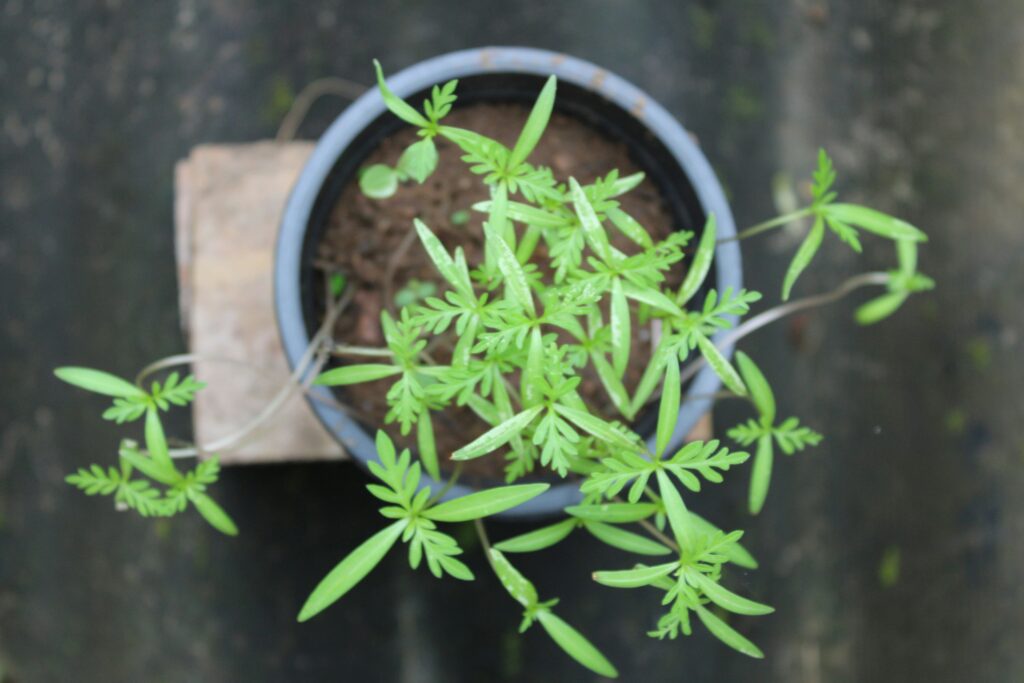
Cilantro grows from seed fast enough that starting transplants indoors rarely saves meaningful time, and it actually complicates things because cilantro develops a deep taproot early and resents being moved once established. Direct sowing into the garden or into containers is almost always the better approach. Here is how to do it properly:
- Prepare the planting area. Loosen the soil to a depth of 6 to 8 inches (15 to 20 cm) and remove any clumps, rocks, or debris. Rake the surface smooth.
- Crack the seed before planting. What looks like one cilantro seed is actually a dried fruit containing two seeds. Gently crack each seed pod by pressing it against a hard surface or rolling it between your palms. This is optional but noticeably improves germination speed by exposing the seeds inside.
- Sow seeds at the right depth. Make shallow furrows about one-quarter to one-half inch (6 to 13 mm) deep. Space seeds about 2 inches (5 cm) apart in rows 8 to 12 inches (20 to 30 cm) apart. Cover lightly with soil and water gently.
- Thin seedlings once they emerge. When seedlings reach 2 to 3 inches (5 to 7.5 cm) tall, thin them to 6 to 8 inches (15 to 20 cm) apart. This gives each plant room to develop fully and improves air circulation, which reduces fungal disease risk.
- Successional sow every two to three weeks. This is the single most effective technique for continuous harvest. Each new sowing will be ready to harvest just as the previous batch starts to decline or bolt, giving you a rotating supply of fresh, flavorful leaves throughout the season.
How to Grow Cilantro in Containers
If you do not have outdoor garden beds or you want to grow cilantro on a patio, balcony, or kitchen windowsill, containers work beautifully with a few adjustments to your approach. Choose a pot that is at least 8 to 10 inches (20 to 25 cm) deep, because cilantro develops a long taproot that needs vertical space. Shallow herb planters that look attractive on a windowsill are usually too small and produce stressed, short-lived plants. Use a well-draining potting mix, such as Miracle-Gro Indoor Potting Mix amended with about 20 percent perlite, and make sure the container has drainage holes. Containers dry out significantly faster than in-ground beds, which means you will be watering more frequently, often every one to two days during warm weather. Place the container in a spot that gets strong morning sun and shade from early afternoon onward.
South or east-facing positions are ideal. The ability to move the container into shade when a heat wave is forecast is one of the biggest practical advantages of container growing for a warm-hating herb like cilantro, and many experienced growers keep their container cilantro near the door specifically so they can move it quickly when temperatures spike unexpectedly.
Watering and Fertilizing Cilantro
Once your cilantro is established, the watering approach is straightforward but consistent attention matters more than most beginners expect. The goal is to keep the soil evenly moist without letting it become waterlogged or dry out completely between waterings. For in-ground beds, water deeply once or twice per week depending on rainfall and temperature. Push your finger 1 inch (2.5 cm) into the soil; if it feels dry at that depth, water thoroughly until moisture reaches the root zone.
Avoid surface watering that only wets the top layer while leaving the deeper roots dry, because this encourages shallow rooting and makes the plant more heat-sensitive. For fertilizing, cilantro does not need heavy feeding and in fact produces its best flavor in slightly lean soil. If you prepared the bed with compost or quality potting mix before planting, no additional fertilizer may be needed at all during the growing cycle.
In poorer soils, a single light application of a balanced fertilizer like Espoma Garden-Tone at half strength, applied four weeks after germination, provides adequate support without pushing excessive leafy growth. High-nitrogen fertilizers specifically should be avoided because they stimulate rapid, soft growth that tastes bland and bolts more quickly under temperature stress. Our guide on best fertilizer for houseplants explains NPK ratios in plain terms if you want to understand exactly what numbers to look for on the label before buying.
How and When to Harvest Cilantro
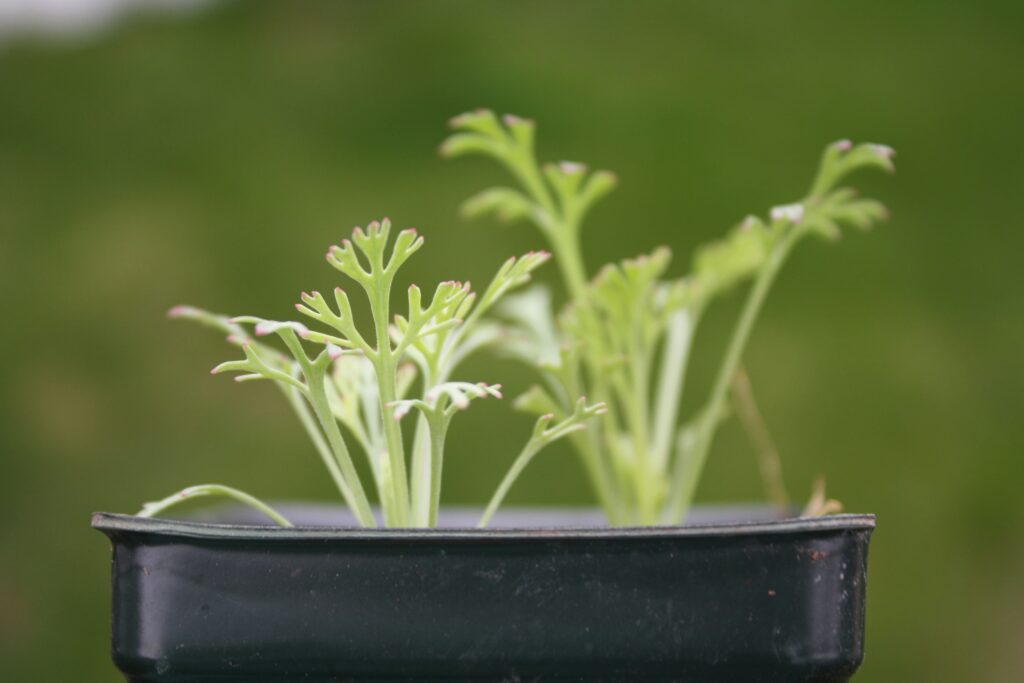
The timing and method of your harvest has a direct impact on how long your cilantro plants stay productive, and getting this right is one of the most practical skills in knowing how to grow cilantro successfully. Begin harvesting as soon as the plant reaches 6 inches (15 cm) tall, typically 30 to 45 days after sowing. At this stage the leaves are at peak flavor, the plant has not yet put any energy toward flowering, and the oils that give cilantro its signature fresh, citrusy scent are most concentrated in the morning before the heat of midday.
Always cut from the outer stems first, leaving the central growing point and several inner stems intact. This approach keeps the plant producing for weeks rather than triggering a stall. Never remove more than one-third of the plant at a single harvest, because cutting too aggressively stresses the plant and accelerates the transition to bolting.
Use clean, sharp scissors or pruning shears to make clean cuts just above a leaf node. Torn stems invite disease and create ragged cuts that dry out rather than callusing cleanly. During peak growing season in spring, I harvest lightly every three to four days rather than doing one big cut per week, and this rhythm keeps the plant bushy and productive far longer than any other approach I have tried.
Understanding and Preventing Bolting
Bolting is the word used when a plant shifts from producing vegetative growth to producing flowers and seeds, and it is the central challenge when you are learning how to grow cilantro in warmer climates or during summer. When cilantro bolts, the leaves change shape from the familiar rounded leaflets to thin, feathery fronds, the plant sends up a tall central stalk topped with tiny white flowers, and the flavor of any remaining leaves turns bitter and sharp within days. The trigger is almost always heat, though long daylight hours and drought stress can also contribute.
The practical ways to prevent or delay bolting are: choose slow-bolt varieties such as Santo, Slow Bolt, or Calypso when buying seeds from Burpee, Baker Creek, or Amazon; plant during cool periods as described in the timing section above; provide afternoon shade in warm climates; water consistently so the plant never experiences drought stress; and pinch out the very tip of the central stem if you catch a flower stalk forming early.
Pinching the central tip delays bolting by a week or two in mild cases, though it is not a long-term solution if temperatures have already climbed past the plant’s comfort range. Once the plant has fully flowered and started producing seeds, the most productive approach is to let the seeds mature, collect them for coriander spice or for replanting, and sow a fresh batch of seeds for the next harvest cycle.
Common Problems and How to Fix Them
Cilantro is one of the more trouble-free herbs you can grow, but a few issues come up often enough to be worth knowing in advance. Yellowing leaves are almost always caused by one of three things: overwatering and soggy roots, nitrogen deficiency in very poor soil, or natural aging of the oldest lower leaves as the plant matures. Check soil moisture before adjusting anything. For yellowing that affects younger upper leaves, a single light fertilizer application usually resolves the issue within a week.
Our complete guide on plant leaves turning yellow covers how to tell these three causes apart with a quick visual inspection before you change anything. Aphids are the most frequent pest on cilantro, appearing as clusters of tiny green or black insects on the undersides of leaves and stem junctions. A strong spray of water from a garden hose removes most infestations instantly, and insecticidal soap from Home Depot or Lowe’s handles anything that persists after washing. Powdery mildew, a white dusty coating on leaves, appears when plants are crowded with poor air circulation during humid weather.
Thinning plants to the proper spacing of 6 to 8 inches (15 to 20 cm) prevents most powdery mildew before it starts. Root rot is rare in well-draining soil but appears in beds that stay wet for days after rain, showing up as wilted, yellowed plants that do not recover after watering. Our article on root rot treatment covers the diagnosis and recovery process in full detail.
How to Save Coriander Seeds for Replanting and Spice
One of the genuinely satisfying things about growing cilantro is that the plant produces a second valuable harvest after the leaves are done. Once the plant bolts and flowers, allow the seed heads to develop fully until the seeds turn light brown and feel firm rather than soft. Cut entire seed stalks when they reach this stage, place them upside down over a clean paper bag in a dry, well-ventilated spot out of direct sun, and allow them to finish drying for one to two weeks. The seeds will fall from the stalks naturally as they dry, collecting in the bag below. Sifted and stored in a glass jar with a tight-fitting lid in a cool, dark pantry, these dried coriander seeds stay usable as a spice for up to a year.
Lightly toasting whole seeds in a dry skillet for 30 to 60 seconds before grinding or crushing them releases their warm, nutty, citrusy fragrance and significantly improves flavor in cooked dishes compared to using raw seeds. The remaining seeds from each harvest can also go directly back into the garden as the planting stock for the next sowing, creating a self-sustaining cycle that costs nothing after the first packet of seeds.
FAQ
How long does it take to grow cilantro from seed?
Cilantro germinates in 7 to 14 days under good conditions and is ready to begin harvesting in 30 to 45 days after sowing. Coriander seeds take longer, developing 90 to 120 days after planting once the plant has flowered and the seed heads have dried. For the fastest germination, lightly crack the seed pods before planting to expose the seeds inside, keep the soil consistently moist, and sow when soil temperatures are between 55 and 70 degrees F (13 to 21 degrees C).
How to grow cilantro indoors on a windowsill?
Growing cilantro indoors is possible but requires a south-facing window with at least 6 hours of direct daily sunlight, or a quality grow light positioned 6 to 12 inches (15 to 30 cm) above the plant. Use a pot at least 8 inches (20 cm) deep with drainage holes and a well-draining potting mix. Water frequently since indoor pots dry out fast, succession sow every two to three weeks for continuous leaves, and keep the plant away from heat vents that dry out the soil and stress the roots.
Why does my cilantro keep bolting so fast?
Premature bolting is almost always caused by heat stress, drought stress, or planting at the wrong time of year. Cilantro bolts when soil or air temperatures exceed 75 degrees F (24 degrees C). Plant in early spring or fall rather than summer, choose slow-bolt varieties like Santo or Slow Bolt, provide afternoon shade in warm climates, water consistently so the soil never dries completely, and harvest regularly to keep the plant focused on leaf production rather than reproduction.
Can I grow cilantro in a pot on my patio?
Yes, and containers actually offer advantages for how to grow cilantro in hot climates because you can move the pot into shade during heat waves. Use a pot at least 8 to 10 inches (20 to 25 cm) deep, a well-draining potting mix with added perlite, and a location with morning sun and afternoon shade in warmer regions. Water more frequently than you would with in-ground plants, since containers dry out faster, and sow new seeds every two to three weeks for continuous harvest.
Does cilantro grow back after you cut it?
Yes, as long as you harvest correctly. Cut outer stems only and leave at least half the plant intact, including the central growing point and several inner stems. Cutting no more than one-third of the plant at each harvest allows it to continue producing new growth for several weeks. Cutting too aggressively, taking all the stems at once, stresses the plant significantly and often triggers early bolting or stall the plant entirely.
What is the best variety of cilantro for beginners?
Santo is the most widely available and reliable variety for beginners, offering strong flavor and slower bolting than generic unlabeled seed packets. Slow Bolt and Calypso are excellent alternatives designed specifically to extend the harvest window in warmer conditions. All three are available from Burpee, Baker Creek, and Amazon in small seed packets that are affordable enough to buy two or three varieties and run a side-by-side trial in the same growing season.
Can I grow cilantro and basil together?
Not ideally. Basil is a warm-season herb that needs heat and full sun to thrive, while cilantro is a cool-season herb that bolts in the same conditions basil prefers. They work better as seasonal succession companions: grow cilantro in spring and fall when conditions are cool, then replace it with basil once temperatures warm up in late spring. The beds they occupy can be shared across seasons without any soil compatibility issues.
Growing cilantro successfully comes down to working with the plant’s natural preferences rather than fighting them. Give it cool temperatures, consistent moisture, a fast-draining soil, and strong morning sun, and you will harvest armloads of fresh, fragrant leaves that taste nothing like anything you can buy at the grocery store. The key is to stop planting in summer, start planting in early spring and fall, and sow a new batch of seeds every two to three weeks so you always have plants at different stages of development. Do that, and you will never run out of fresh cilantro again.
Happy planting!