
The eucalyptus plant is one of the most requested plants I get asked about, and also one of the most misunderstood. People see it on Pinterest wrapped in linen twine, hung from a showerhead, or styled on a wooden shelf and assume it must be easy to grow at home. The truth is that eucalyptus is naturally a fast-growing outdoor tree that can reach 60 feet (18 meters) tall in its native Australian habitat. Keeping it alive and beautiful indoors takes more intention than most sources let on. I have grown the Silver Dollar eucalyptus in a pot on my south-facing balcony for two years, and the lessons along the way were not always gentle. This guide gives you the full picture: which types actually work for indoor and container growing, what the plant genuinely needs, and why most eucalyptus plants start dropping leaves within weeks of coming home.
| Aspect | Details |
|---|---|
| Botanical Name | Eucalyptus spp. (multiple species) |
| Common Names | Eucalyptus plant, Silver Dollar plant, Gum tree, Cider Gum |
| Plant Family | Myrtaceae |
| Native Region | Australia and Tasmania |
| Light | Full sun, 6 or more hours of direct or very bright indirect light daily |
| Water | When top 1 to 2 inches (2.5 to 5 cm) of soil feel dry |
| Humidity | 30-50% (tolerates average indoor levels) |
| Temperature | 50-75 degrees F (10-24 degrees C); protect below 20 degrees F (-7 degrees C) |
| Soil | Fast-draining sandy or loamy mix with perlite |
| Mature Size Indoors | 3-8 feet tall (90-240 cm) in a container |
| Mature Size Outdoors | 20-60 feet (6-18 meters) in the ground |
| Growth Rate | Fast to very fast |
| Toxicity | Toxic to cats, dogs, and horses (ASPCA) |
| Difficulty Level | Intermediate to Advanced (indoors) / Beginner (outdoors in zones 8-11) |
| USDA Zones | 8-11 outdoors; grown as an annual or container plant in zones below 8 |
Types of Eucalyptus Plant Worth Growing at Home
Not all eucalyptus species behave the same way in a pot or indoors. The genus contains over 700 species, and most of them grow into enormous trees that are completely unsuitable for container life. A small number of species have become popular for home growing because they stay manageable in size, produce the attractive juvenile silver-blue leaves most people love, and respond well to regular pruning.
| Species | Common Name | Best For | Max Container Size | Key Feature |
|---|---|---|---|---|
| E. cinerea | Silver Dollar Eucalyptus | Indoors, containers, cut foliage | 3-5 gallon (11-19 L) pot | Round silver-blue leaves, most popular |
| E. gunnii | Cider Gum | Containers, outdoor patios | 5-10 gallon (19-38 L) pot | Cold-hardiest species, round young leaves |
| E. globulus | Blue Gum | Outdoor gardens, large containers | Very large — not ideal for small spaces | Classic scent, grows large fast |
| E. nicholii | Narrow-Leaved Peppermint | Containers, smaller spaces | 5 gallon (19 L) pot | Narrow leaves, weeping form, strong scent |
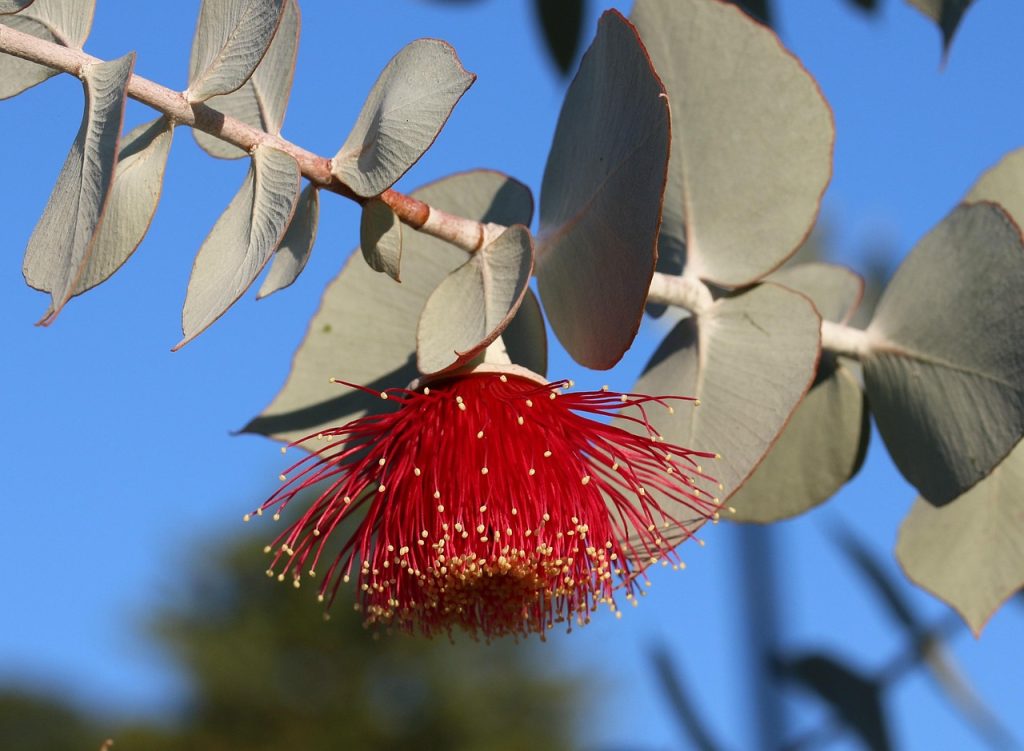
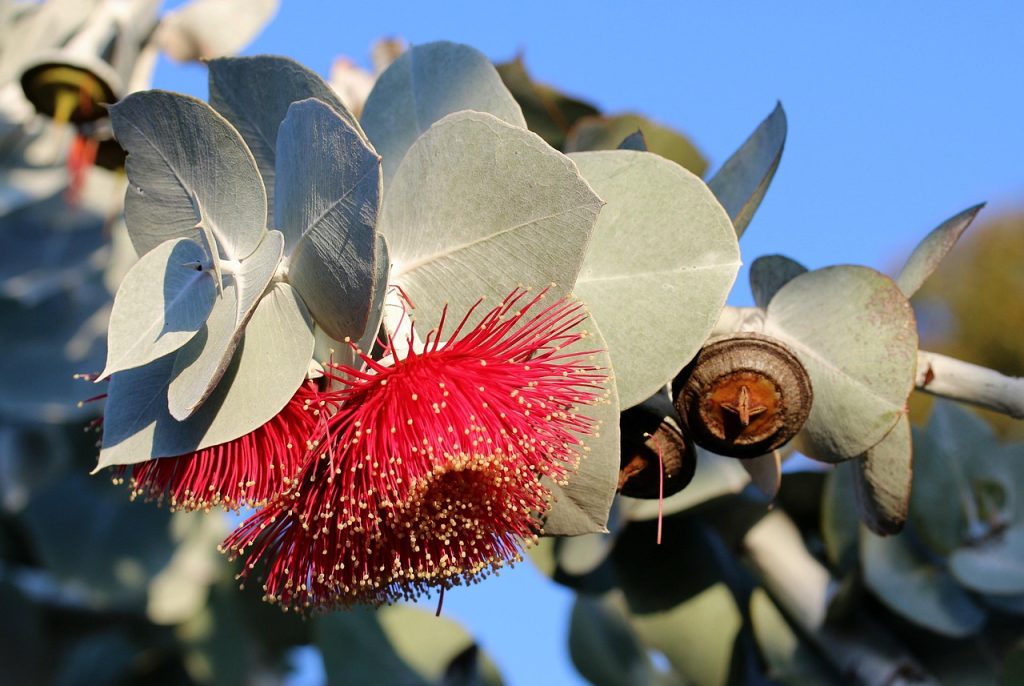
Eucalyptus cinerea is the variety you see in most florist bouquets and home styling photos. It produces the classic round, coin-shaped silver leaves on long arching stems and stays manageable in a container with regular pruning. If you are buying a eucalyptus plant for home use, this is almost certainly the one you want.
Eucalyptus gunnii is worth knowing because it is the most cold-tolerant species commonly available, surviving temperatures down to about 0 degrees F (-18 degrees C) with some protection. For gardeners in zones 7 or below who want to try growing eucalyptus outdoors, this is the starting point.
Light: The Most Critical Factor in Eucalyptus Plant Care
Here is the thing that most guides do not say directly: the eucalyptus plant is not truly an indoor plant in the way that a pothos or snake plant is. It is an outdoor sun-loving tree being kept in a smaller space. The difference shows up immediately in its light requirements.
Eucalyptus needs a minimum of 6 hours of direct or very bright light every day to stay healthy and keep producing those attractive silver leaves. A spot on a sunny south or west-facing windowsill is the absolute minimum for indoor growing. North and east-facing windows in most US homes do not provide enough light intensity to keep a eucalyptus plant growing well long-term.
What I found growing mine on a south-facing balcony is that it pushed out fresh new growth almost weekly during the summer months. The same plant kept on a bright but indirect indoor windowsill barely grew and eventually started dropping leaves within six weeks. Light is not optional for this plant. It is the foundation everything else rests on.
If your best available indoor spot does not get strong direct sun, a quality grow light positioned 12 to 18 inches (30 to 45 cm) above the plant for 12 to 14 hours per day can make the difference. Our guide on best grow lights for indoor plants includes specific recommendations for high-light tropical and sub-tropical plants that need more intensity than standard grow lights provide.
Pro Tip: Rotate the pot a quarter turn every week. Eucalyptus grows quickly and will lean heavily toward the light source. Rotating keeps the plant growing upright and balanced rather than lopsided.
How to Water Your Eucalyptus Plant Correctly
The eucalyptus plant prefers a consistent watering routine but cannot tolerate soggy roots for any extended period. Root rot is one of the fastest ways to lose a eucalyptus, and it tends to happen quietly. The top of the soil looks fine while the root zone has been waterlogged for days underneath.
Water your eucalyptus plant thoroughly when the top 1 to 2 inches (2.5 to 5 cm) of soil feel dry. At the sink, water slowly and steadily until it runs freely from the drainage holes, then let the pot drain completely before putting it back. During the active growing season in spring and summer, this typically means watering every 5 to 7 days. In fall and winter, stretch that to every 10 to 14 days as growth slows.
One thing worth knowing about eucalyptus compared to most houseplants: it wilts dramatically and quickly when it gets thirsty. The leaves droop and the stems go limp within a day of the soil drying out. This looks alarming but is usually reversible if you water promptly. A plant that has been drooping for three or more days with completely dry soil may drop a significant number of leaves even after watering, as the plant sheds tissue it could not maintain during the drought.
Sudden yellowing of lower leaves while the plant is otherwise growing well usually means inconsistent watering rather than a serious health issue. For a full breakdown of what different yellowing patterns mean, our guide on plant leaves turning yellow walks through every cause with specific fixes.
Soil, Pot Size, and Repotting Your Eucalyptus Plant
Eucalyptus roots need oxygen as much as moisture. The ideal soil for a potted eucalyptus plant is fast-draining, loose, and slightly gritty. A standard Miracle-Gro Indoor Potting Mix amended with 30 to 40 percent perlite or coarse sand works well. Straight potting mix tends to hold too much moisture for eucalyptus roots and increases the risk of root rot, especially in cooler months when the plant is not actively growing.
For pot selection, always choose a container with drainage holes. Terra cotta is excellent for eucalyptus because the porous walls allow excess moisture to evaporate through the sides, reducing the risk of waterlogging. If you want something that looks better on a patio or balcony, our article on best planters for indoor plants compares materials honestly with specific recommendations for fast-draining plants.
Repotting eucalyptus is best done in early spring before the main growing season begins. The steps are straightforward:
- Choose a pot that is 2 inches (5 cm) larger in diameter than the current container.
- Fill the bottom third with fresh fast-draining mix.
- Remove the plant, shake off as much old soil as possible, and inspect the roots for any dark or mushy areas.
- Trim away any damaged roots with clean scissors and let the cut ends air dry for 30 minutes.
- Place the plant, fill in with fresh mix, water thoroughly, and move it back to its sunny spot.
Because eucalyptus grows so fast, it typically needs repotting every one to two years. A plant that dries out very quickly after watering, has roots circling the base of the pot, or has visibly slowed its growth is telling you it is root-bound and ready for a bigger space.
Temperature, Humidity, and Growing Eucalyptus Plant Outdoors
Eucalyptus originated in Australia, which means it is adapted to warm, dry conditions and full sun exposure. Indoors, it performs best when temperatures stay between 50 and 75 degrees F (10 and 24 degrees C). It handles average indoor humidity levels well and does not need the humidity supplementation that calatheas, ferns, or orchids require, which is one genuine advantage it has over other popular houseplants.
The cold is the bigger concern. Most eucalyptus species suffer below 20 degrees F (-7 degrees C). A brief cold snap outdoors or a drafty windowsill in a northern US winter can cause sudden leaf drop without warning. If you are growing your eucalyptus plant indoors near a window in winter, check that the glass is well-sealed and that no cold drafts are reaching the plant during the night.
For those in USDA zones 8 through 11, including much of California, the Gulf Coast, Florida, and the Pacific Northwest lowlands, eucalyptus can live outdoors year-round in the ground and grows into a beautiful full-sized tree. In zones 6 and 7, E. gunnii can overwinter outdoors with mulching and some protection, though it may die back to the ground in severe winters and regrow from the base in spring.
Pruning, Fragrance, and Getting the Best From Your Eucalyptus Plant
Pruning is what keeps a container eucalyptus plant looking attractive and manageable rather than leggy and sparse. Without regular cutting, eucalyptus grows straight up quickly, losing the lower leaves and becoming a tall stick with a small tuft of leaves at the top.
Prune in late winter or early spring before new growth begins, cutting stems back by one-third to one-half of their length. Cut just above a leaf node or a side branch. The plant responds by pushing multiple new shoots from below the cut, which results in bushier, fuller growth with more of those desirable rounded juvenile leaves.
The eucalyptus plant’s signature scent comes from eucalyptol, a compound concentrated in the leaves and released when the leaves are touched, brushed, or bruised. Fresh leaves have a strong, clean fragrance that many people find invigorating. When hung in a warm shower, the steam and heat intensify the scent significantly, which is why the “eucalyptus shower bundle” trend has stayed popular. The scent fades gradually as the leaves dry, usually over two to four weeks for freshly cut stems.
Common Eucalyptus Plant Problems: Dropping Leaves and Brown Tips
The most common complaint with eucalyptus plants bought from stores or florists is sudden, dramatic leaf drop within the first two to four weeks of coming home. This is almost always a combination of two things: the stress of changing environments from a greenhouse to a home, and insufficient light in the new location.
The fix for newly purchased eucalyptus plant drop is to place the plant in the brightest spot available, keep conditions as stable as possible for at least three weeks, and avoid changing the watering or fertilizing routine during the adjustment period. Most plants that will recover will push out new growth within four to six weeks.
Brown leaf tips that develop over time rather than during the adjustment period usually point to one of three causes. Dry indoor air combined with low humidity causes the tips to crisp. Inconsistent watering, swinging between very dry and very wet, causes the tips to brown as the root system struggles to regulate moisture uptake. Finally, hard tap water with high mineral content builds up in the soil over time and causes browning at the tips. Switching to filtered water or flushing the soil with plain water monthly will noticeably reduce mineral buildup.
According to the ASPCA, the eucalyptus plant is toxic to cats, dogs, and horses. The leaves and stems contain essential oils including eucalyptol that cause drooling, vomiting, diarrhea, and weakness if ingested. If you have pets that chew on plants, a eucalyptus plant needs to be placed well out of reach or substituted with something from our list of pet-safe indoor plants that covers 25 confirmed non-toxic species.
Mistakes Most People Make With Eucalyptus Plant
Keeping it in a low-light room because it looks decorative there. Eucalyptus placed in dim conditions will look fine for a few weeks while it burns through stored energy, then start dropping leaves rapidly. Light is not a preference for this plant, it is a survival requirement. The sunniest spot you have is where the eucalyptus plant belongs.
Watering on a fixed schedule instead of checking the soil. In summer near a bright window, eucalyptus may need water every five days. In winter in a cooler room, the same plant may go twelve to fourteen days without needing water. Always feel the soil rather than following a calendar.
Not pruning at all. Buying a eucalyptus plant and letting it grow unchecked will produce a tall, leggy plant with few leaves and poor fragrance production within one growing season. Regular pruning is what creates the dense, attractive, well-scented plant most people are hoping for.
Using regular potting mix without amendment. Standard potting mix holds too much moisture for eucalyptus roots. Always amend with 30 to 40 percent perlite or coarse sand. If you are buying premade mix, a cactus and succulent mix from Home Depot or Lowe’s is a better starting point for eucalyptus than standard indoor potting mix. Our guide on best soil for indoor plants compares the most reliable options available in the US.
Moving it frequently. Like most plants that put significant energy into adapting to a light level and temperature, eucalyptus does not like being moved repeatedly. Pick a good permanent spot, let the plant settle for at least four to six weeks, and avoid relocating it unless the current spot is clearly wrong.
FAQs
Can a eucalyptus plant grow indoors?
Yes, but with limitations. The eucalyptus plant needs more direct sun than most true indoor plants, making it genuinely challenging in average home conditions. A south or west-facing window with at least 6 hours of direct sun, or a quality grow light, is the baseline requirement. Rooms with only north-facing or indirect light are generally not suitable for long-term eucalyptus growing.
How fast does a eucalyptus plant grow?
In the ground outdoors in a warm climate, eucalyptus can grow 6 to 10 feet (1.8 to 3 meters) per year, making it one of the fastest-growing trees in the world. In a container indoors, growth is much slower, typically 1 to 2 feet (30 to 60 cm) per year with adequate light. Regular pruning keeps the plant compact and encourages bushy growth over vertical height.
Is a eucalyptus plant toxic to cats and dogs?
Yes. According to the ASPCA, eucalyptus is toxic to cats, dogs, and horses. The plant contains essential oils including eucalyptol that cause vomiting, drooling, diarrhea, and weakness if ingested. Keep the eucalyptus plant away from pets and consider pet-safe alternatives if your animals are regular plant chewers.
Why is my eucalyptus plant dropping leaves?
Leaf drop in eucalyptus most commonly comes from one of three causes: insufficient light, inconsistent watering, or temperature stress from cold drafts. Newly purchased plants often drop leaves as they adjust from greenhouse conditions to home conditions. Give the plant three to four weeks in the brightest available spot with stable conditions before concluding its health.
Can I grow eucalyptus plant outside year-round?
In USDA hardiness zones 8 through 11, yes. In cooler zones, you can grow eucalyptus in a container outdoors during summer and bring it inside before the first frost. Eucalyptus gunnii is the most cold-tolerant species and can survive temperatures closer to 0 degrees F (-18 degrees C) with protection.
How do I keep a eucalyptus plant smelling good?
The scent is strongest in fresh, actively growing leaves. Regular pruning encourages new growth, which releases more fragrance when touched. Hanging cut stems in a warm shower intensifies the scent significantly from the steam and heat. Once leaves dry and begin to crumble, the fragrance fades, so replace dried bundles with fresh cuttings every two to four weeks.
What is the best type of eucalyptus plant for indoors?
Eucalyptus cinerea, the Silver Dollar Eucalyptus, is the most popular and widely available type for indoor and container growing. It produces the classic round silver-blue leaves that most people picture when they think of eucalyptus, stays more manageable in a pot than larger species, and responds well to regular pruning. It is available at most garden centers including Home Depot, Lowe’s, and Trader Joe’s during spring and summer.
The eucalyptus plant rewards growers who take it seriously. It is not a casual desk plant or a low-maintenance windowsill filler. It is a fast-growing, sun-hungry, highly fragrant plant that, given the right conditions, produces some of the most distinctive and beautiful foliage you can keep at home. The silver-blue leaves, the clean scent, the way a well-pruned plant fills out over a growing season, all of it is genuinely worth the extra attention this plant asks for compared to easier species.
Get the light right first. Then the watering, the soil, and the pruning fall into place naturally. I have made every mistake on this list at some point, and the plant has taught me something useful each time.
Happy planting!