
Spider plant care is about as beginner-friendly as it gets. Give it bright indirect light, water when the top inch of soil dries out, and watch it reward you with cascading green foliage and adorable baby plantlets. If you’re looking for a houseplant that practically takes care of itself, the spider plant (Chlorophytum comosum) is your best bet. After growing spider plants for over eight years, I can honestly say they’ve survived every mistake I’ve thrown at them. Whether you just grabbed one from Trader Joe’s or inherited a leggy one from a friend, this spider plant care guide covers everything you need to know.
| Aspect | Details |
|---|---|
| Botanical Name | Chlorophytum comosum |
| Common Names | Spider Plant, Airplane Plant, Spider Ivy, Ribbon Plant, Hen and Chickens |
| Plant Family | Asparagaceae |
| Native Region | Southern and Tropical Africa |
| Light | Bright indirect light, 6-8 hours daily; tolerates medium and low light |
| Water | Every 7-10 days in summer, every 10-14 days in winter |
| Humidity | 40-60% – average household humidity works great |
| Temperature | 55-80°F (13-27°C) |
| Soil | Well-draining mix: 2 parts potting soil + 1 part perlite |
| Mature Size | 12-24 inches tall (30-60 cm), with stolons trailing 2-3 feet (60-90 cm) |
| Growth Rate | Fast |
| Toxicity | Non-toxic to cats and dogs (ASPCA) |
| Difficulty Level | Beginner-Friendly |
| USDA Zones | 9-11 (outdoors); houseplant everywhere else |
What Makes the Spider Plant So Special?
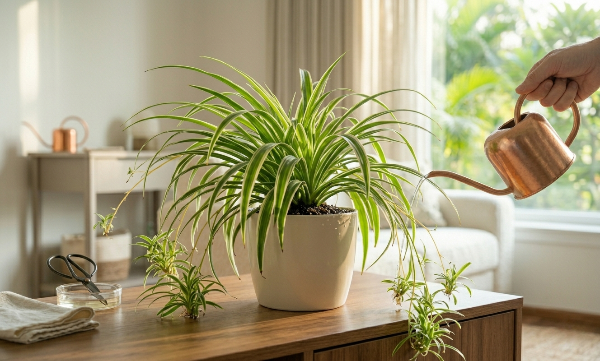
The spider plant has been a household favorite since the 1970s, and for good reason, it’s tough, gorgeous, and produces those iconic trailing babies (called spiderettes) that make propagation ridiculously easy.
What I love about this plant is how generous it is. One healthy spider plant sends out long arching stolons, and each stolon produces multiple baby plantlets. Within a year, you’ll have enough to fill your home or share with friends.
Spider plants also made the list from the famous NASA Clean Air Study for filtering indoor pollutants such as formaldehyde and carbon monoxide. And here’s the best part, they’re completely non-toxic to cats and dogs according to the ASPCA, making them a worry-free choice for pet owners. For safer options, check out our pet friendly indoor plants guide.
Spider Plant Care: Light Requirements
The first pillar of good spider plant care is getting the light right, but fortunately, these plants aren’t picky at all.
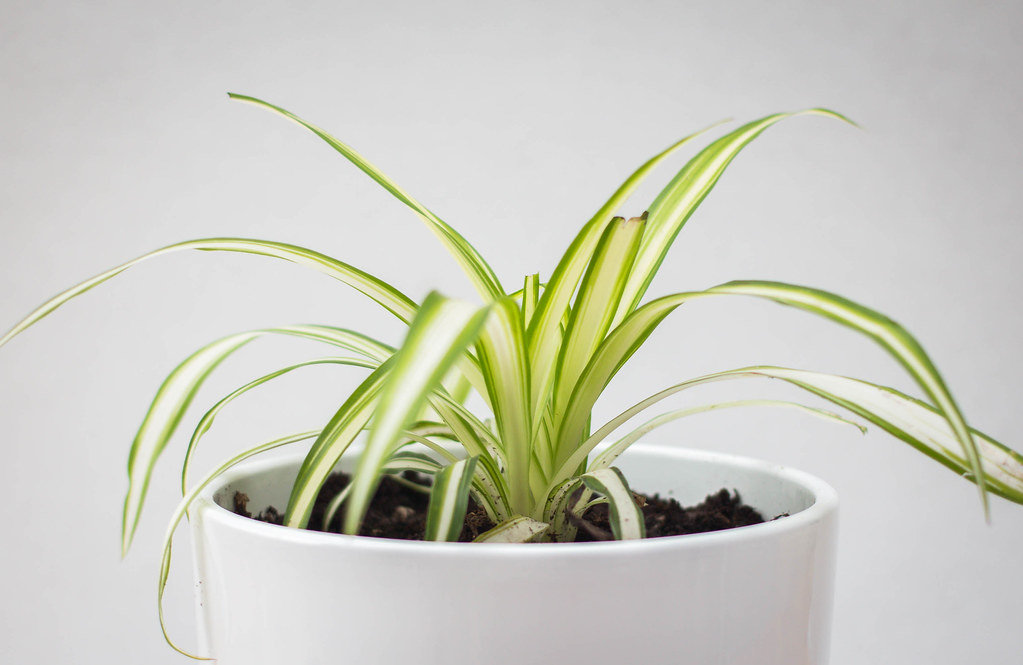
Ideal light: Bright, indirect light for 6-8 hours daily. An east-facing or north-facing window is the sweet spot where your spider plant will grow fastest and produce the most babies.
Tolerates: Medium to low light. Growth slows down, and variegated varieties may lose their white stripes, but the plant survives.
Avoid: Direct afternoon sun. Harsh rays through a south- or west-facing window scorch the leaves, leaving brown burn marks.
In my experience, the sweet spot is a room with plenty of ambient light without the sun directly hitting the leaves. I keep my largest spider plant about 4 feet (120 cm) from a south-facing window, and it’s been thriving for three years.
Pro tip: Pale, washed-out leaves mean too much light. Fading variegation means not enough. The plant tells you what it needs, just read the signs. If natural light is limited, a basic LED grow light helps tremendously. Check out our best grow lights for indoor plants guide.
Spider Plant Care: Watering Guide
Watering is where spider plant care gets tricky for beginners, most people overdo it. These plants like consistent moisture but absolutely hate soggy soil.
The golden rule: Water when the top 1-2 inches (2.5-5 cm) of soil feels dry. Stick your finger in, dry means water thoroughly until liquid drains from the bottom. Still damp? Check back in a couple of days.
Seasonal Schedule
- Spring/Summer: Water every 7-10 days. The plant is actively pushing out new leaves and babies.
- Fall/Winter: Water every 10-14 days. Growth slows, and soil takes longer to dry.
Water Quality Matters
Here’s something most spider plant care guides skip, spider plants are sensitive to fluoride and chlorine in tap water. If you notice brown tips appearing despite proper watering, your tap water is likely the culprit.
I’ve found that letting tap water sit out for 24 hours allows most chlorine to evaporate. You can also use filtered water or rainwater. This one change fixed the brown tip problem on two of my plants almost overnight.
Pro tip: Spider plants store water in thick, fleshy root tubers, which is why they forgive forgotten waterings. But those same tubers rot in soggy soil, so always err on the side of underwatering.
Best Soil for Spider Plant Care
Good spider plant care starts with the right soil. You need a mix that drains well but holds enough moisture to keep roots happy between waterings.
My go-to mix:
- 2 parts standard potting soil (Miracle-Gro Indoor Potting Mix works great)
- 1 part perlite for drainage
Pre-made option: Any well-draining all-purpose potting mix containing perlite will work. Espoma Organic Potting Mix is a reliable pick from Home Depot, Lowe’s, or Amazon.
Avoid: Garden soil or heavy potting mixes, they compact in containers and hold too much moisture, creating the perfect setup for root rot and fungus gnats.
The trick is finding the balance where soil feels damp (not waterlogged) after watering and dries out within 5-7 days. If it’s still soaking after a week, add more perlite.
Repotting Your Spider Plant
Spider plants grow fast, and their thick tuberous roots fill pots quickly. I repot mine every 12-18 months.
Signs It’s Time
- Roots poking out of drainage holes or above the soil surface
- Plant dries out within 2-3 days of watering
- Growth has visibly stalled despite good light and watering
- Pot is literally cracking from root pressure
How to Repot
- Choose a pot only 1-2 inches (2.5-5 cm) wider with drainage holes.
- Water the day before easier removal and less transplant shock.
- Gently remove, loosen circling roots, and place in the new pot at the same depth.
- Fill with fresh potting mix, water thoroughly, and skip fertilizer for 3-4 weeks.
Best time: Spring or early summer during active growth.
Pro tip: Spider plants bloom and produce more babies when slightly root-bound. Don’t rush to repot, a snug pot is actually a good thing. I wait until roots are seriously crowded before sizing up.
Spider Plant Care: Temperature and Humidity
This part of spider plant care is easy, these plants thrive in normal home conditions without any special treatment.
Temperature
Ideal range is 55-80°F (13-27°C). Keep away from cold drafts near windows, exterior doors, and air conditioning vents. If you’re in USDA Zones 9-11, you can grow them outdoors year-round. Everyone else should bring them inside when nighttime temps drop below 50°F (10°C).
Humidity
Average household humidity of 40-60% is perfectly fine. In the dry winter months when central heating drops humidity to 20-30%, you might notice brown tips appearing more often. A light weekly misting or a pebble tray with water helps during this period.
Fertilizing Tips for Spider Plant Care
Regular feeding during the growing season makes a real difference in leaf color and baby production, but smart spider plant care means feeding lightly, not heavily.
When: Spring through early fall (March to September). Skip winter.
How often: Every 2-4 weeks during the growing season.
What to use: A balanced liquid fertilizer at half strength. I use Schultz All Purpose Liquid Plant Food (10-15-10). Jack’s Classic 20-20-20 and Espoma Indoor Plant Food are also excellent, all available at Home Depot, Lowe’s, or Amazon.
How: Water first with plain water, then apply diluted fertilizer. Fertilizing dry soil burns roots.
One mistake I see beginners make is over-fertilizing, thinking more food means more growth. Excess fertilizer causes salt buildup, which leads to brown tips. If you see white crust on the soil surface, flush it by running water through the pot for 2-3 minutes.
How to Propagate Spider Plant Babies
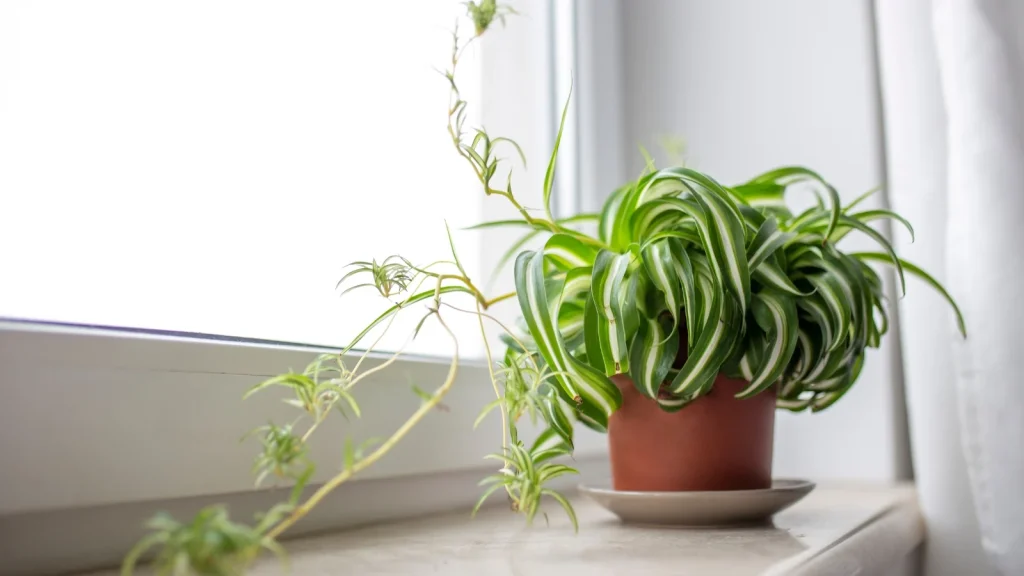
The most rewarding part of spider plant care is propagation. Once your plant matures, it sends out arching stolons with baby spiderettes dangling from the ends.
Method 1: Water Propagation (My Favorite)
- Snip a baby plantlet with visible root nubs from the stolon.
- Place in a glass of water, root nubs submerged, leaves above water.
- Bright indirect light, change water every 4-5 days.
- When roots reach 2 inches (5 cm) long (2-3 weeks), transplant to moist soil.
Method 2: Direct Soil Propagation
- Place a small pot of moist soil next to the mother plant.
- Pin the baby’s base onto the soil using a bent paperclip or bobby pin.
- Keep soil lightly moist, roots develop in 2-3 weeks.
- Snip the connecting stolon once rooted.
After testing several methods, I prefer the soil approach when space allows, it has a higher success rate since the baby keeps receiving nutrients from the mother plant while rooting.
Common Spider Plant Care Problems and Fixes
Even with proper spider plant care, a few issues can pop up. Here’s how to handle them quickly.
Brown Tips
The most common spider plant care complaint. Caused by fluoride/chlorine in tap water, over-fertilizing, low humidity, or inconsistent watering.
Fix: Switch to filtered or dechlorinated water, use half-strength fertilizer only, and trim brown tips at a slight angle.
Yellow Leaves
Usually overwatering or root rot. Can also be too much direct sun or natural aging.
Fix: Check for soggy soil, inspect roots for mushy brown sections, trim damaged roots, and repot in fresh well-draining soil.
No Babies
Plant may be too young (under a year), getting too much nitrogen, or not root-bound enough.
Fix: Be patient, use balanced fertilizer, let the plant get snug in its pot, and ensure adequate bright indirect light.
Root Rot
Overwatering + poor drainage. Trim all mushy roots, let healthy roots air-dry, repot in fresh soil with drainage holes, and adjust watering.
Is the Spider Plant Pet-Safe?
Yes, spider plants are non-toxic to both cats and dogs, according to the ASPCA. This makes them one of the best houseplant choices for pet owners.
Fair warning, though – cats are obsessed with spider plants. Those dangling leaves and swaying babies are basically cat toys. While chewing isn’t harmful, it leaves your plant looking ragged.
Solutions: Hang the plant in a macramé hanger or on a high shelf out of reach. You can also provide cat grass as a distraction. For a full list of safe options, check out our indoor plants safe for cats guide.
Spider Plant Care Mistakes You Should Avoid
After years of growing these plants, here are the mistakes that cause the most damage. Avoiding these will take your spider plant care from good to great.
1. Using Unfiltered Tap Water
Fluoride and chlorine cause brown tips, the single most preventable problem in spider plant care. Let tap water sit for 24 hours or use filtered water.
2. Overwatering
Those fleshy root tubers store water. Spider plants handle drought far better than soggy soil. Let the top inch dry between waterings, every time.
3. Placing in Direct Afternoon Sun
Morning sun is fine. Intense afternoon sun scorches leaves. Move back from the window or use a sheer curtain.
4. Over-Fertilizing
Half-strength only, spring and summer only. Excess fertilizer causes brown tips and salt buildup.
5. Ignoring Root-Bound Signs
Spider plants grow fast. If roots bust out of drainage holes or the plant dries out within days, repot immediately.
6. Jumping to a Pot That’s Way Too Big
Go up only 1-2 inches (2.5-5 cm) in diameter. Oversized pots hold excess moisture and invite root rot.
FAQ
How often should I water my spider plant?
Water every 7-10 days in spring/summer and every 10-14 days in fall/winter. Let the top 1-2 inches (2.5-5 cm) of soil dry between waterings. Spider plants prefer consistent moisture but tolerate short droughts thanks to their water-storing root tubers.
Why does my spider plant have brown tips?
Brown tips are usually caused by fluoride or chlorine in tap water. Over-fertilizing, low humidity, and inconsistent watering also contribute. Switch to filtered water, cut fertilizer to half-strength, and trim brown tips, new growth will come in healthy.
Is spider plant care easy for beginners?
Yes – spider plant care is one of the easiest in the houseplant world. They tolerate a wide range of light, forgive missed waterings, and give clear visual signals when something is off. They’re a top recommendation for first-time plant parents.
How do I get my spider plant to produce babies?
Ensure bright indirect light, use balanced fertilizer (not high-nitrogen), and let the plant get slightly root-bound. Most spider plants start producing babies after they’re about a year old. Patience is key.
Are spider plants safe for cats and dogs?
Yes. Spider plants are non-toxic to cats and dogs (ASPCA). Cats love chewing the dangling leaves, which is harmless but can damage the plant. Hang it out of reach for the best results.
What’s the best spot for a spider plant in my house?
Near an east-facing or north-facing window with bright, indirect light works best. They also do well on shelves or in hanging baskets 3-5 feet (90-150 cm) from a south-facing window. Avoid direct afternoon sun.
How fast do spider plants grow?
Spider plants are fast growers. With proper spider plant care, bright indirect light, regular watering, and monthly feeding, expect several new leaves per month during spring and summer, plus baby plantlets on arching stolons.
When should I repot my spider plant?
Repot every 12-18 months or when roots grow out of drainage holes. Spring and early summer are ideal. Go up only 1-2 inches (2.5-5 cm) in pot size and use fresh, well-draining potting mix.
Final Thoughts
Spider plant care comes down to a few golden rules: bright indirect light, water when the top inch dries out, use well-draining soil, go easy on fertilizer, and use filtered water to prevent brown tips. Master these basics of spider plant care, and your plant will reward you with fast growth, stunning foliage, and more babies than you’ll know what to do with.
I’ve grown dozens of houseplants over the years, but the spider plant holds a special spot in my collection. It’s the one I always recommend to beginners, and it never disappoints. Start with one – you’ll have five within a year.
Looking to grow your collection? Check out our guides on snake plant care and common indoor plants for more easy-care favorites.
Happy planting!