
Ready to start growing indoor plants, or looking to expand what you already have? The most common indoor plants are popular for a reason they have been tested by millions of growers across every kind of home, light condition, and care habit, and they have proven themselves. But “common” does not mean interchangeable. A snake plant and a fiddle leaf fig are both on every top-ten list, and one of them forgives every mistake you make while the other drops leaves if you change its position by two feet. This guide cuts through that noise with honest, specific takes on 12 of the most common indoor plants organized by how demanding they actually are, so you can match a plant to your real situation rather than your ideal one.

Why Common Indoor Plants Are Worth Buying
The common indoor plants you see in every garden center and on every listicle are common for one of two reasons: they are genuinely easy to grow and have proven track records, or they have become culturally popular and look great in photographs. Both categories appear on this list. Knowing which is which helps you set realistic expectations before you bring something home.
Common indoor plants also benefit from the abundance of care information available for them. If your snake plant starts dropping leaves or your pothos shows yellow patches, you can find an answer in minutes. Rarer plants come with far less accumulated growing knowledge, and troubleshooting becomes genuinely difficult. For beginners especially, choosing from the established list of common indoor plants gives you the best possible support network.
According to NASA’s Clean Air Study, several of the most common indoor plants including peace lily, spider plant, and pothos remove formaldehyde, benzene, and other volatile organic compounds from indoor air, making them functional as well as decorative choices.
Tier 1: Beginner proof – These Forgive Almost Everything
1. Snake Plant (Dracaena trifasciata)
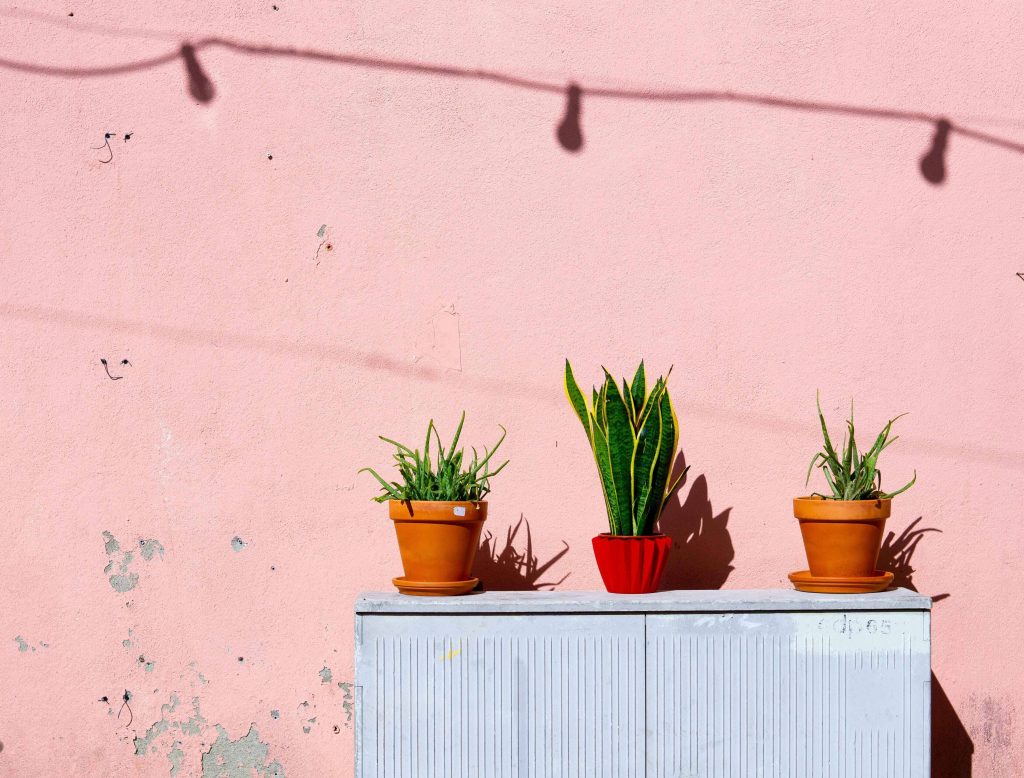
What you’re actually getting: The most forgiving plant on this entire list. A snake plant in a dark corner with water every three weeks will look almost identical to one in a bright window with monthly fertilizing. The difference is growth speed, not survival. If you have never successfully kept a plant alive, start here.
Snake plants are among the most common indoor plants for bedrooms specifically because they perform CAM photosynthesis absorbing CO2 at night and releasing oxygen which theoretically improves sleeping air quality. The yellow-margined Laurentii is the variety sold most widely, but Moonshine (silvery leaves) and Bird’s Nest (compact rosette) offer different aesthetics with identical ease.
Care snapshot:
- Light: Low to bright indirect
- Water: Every 2-6 weeks (check soil is completely dry first)
- Humidity: Not needed
- Best for: Beginners, dark offices, people who travel frequently
For the complete seasonal care guide, snake plant care at ClassyPlants covers every watering adjustment through the year.
2. Pothos (Epipremnum aureum)
What you’re actually getting: The gateway plant that turns casual buyers into genuine plant people. Pothos grows visibly, trails beautifully, and tells you when it is thirsty by wilting slightly before bouncing back immediately after watering. It is one of the most common indoor plants specifically because the feedback loop between grower and plant is so immediate and satisfying.
Golden Pothos handles the widest light range of the common varieties. Marble Queen needs more light to maintain its white variegation. Neon Pothos thrives in bright conditions. All three follow the same basic care pattern. Our full pothos plant care guide covers light, watering, and seasonal care across all varieties.
Care snapshot:
- Light: Low to bright indirect
- Water: Every 7-14 days (top 1-2 inches dry)
- Humidity: Average indoor levels fine
- Best for: Shelves, hanging baskets, beginners who want fast visible growth
3. ZZ Plant (Zamioculcas zamiifolia)
What you’re actually getting: A nearly indestructible plant with rhizomes that store water underground, allowing it to survive weeks without watering and genuinely low light conditions. The ZZ plant is one of the most common indoor plants for offices, rental apartments, and homes with limited natural light and it earns that placement honestly.
The glossy, dark green leaves stay attractive in conditions that would make other plants look stressed. Growth is slow, which means it suits spaces where you want a plant that stays a manageable size. Newer varieties like Raven ZZ produce near-black foliage for a more dramatic look.
Care snapshot:
- Light: Low to medium indirect
- Water: Every 2-4 weeks
- Humidity: Not needed
- Best for: Low-light rooms, offices, forgetful waterers
4. Spider Plant (Chlorophytum comosum)
What you’re actually getting: One of the few truly pet-safe options among the most common indoor plants. Spider plant is non-toxic to cats and dogs confirmed by the ASPCA which makes it the go-to recommendation for pet-owning households who want a common, attractive plant without worrying about their animals. It also produces long arching runners with baby plantlets (spiderettes) that can be propagated in water within two weeks.
Care snapshot:
- Light: Medium to bright indirect
- Water: Every 7-10 days
- Humidity: Average
- Best for: Hanging baskets, pet-friendly homes, beginners who want to propagate
For more confirmed pet-safe options, our guide on indoor plants safe for cats covers 15 non-toxic alternatives for different light conditions. Our complete spider plant care guide covers watering, propagation, and the brown tip issue most growers encounter.
Tier 2: Easy With Basic Attention – One Step Up
5. Peace Lily (Spathiphyllum)
What you’re actually getting: One of the most common indoor plants that blooms reliably in low light a genuinely rare capability. Peace lily signals thirst dramatically by drooping its leaves, then recovers completely within an hour of watering. It also blooms with white spathes in spring and sometimes fall, giving you seasonal flowering without any specialized care.
Important note for households with pets: peace lily is toxic to cats and dogs. The plant contains calcium oxalate crystals that cause oral irritation and vomiting if ingested. Place it out of reach of animals that chew on plants.
Care snapshot:
- Light: Low to medium indirect one of the best shade-tolerant common indoor plants
- Water: When leaves begin to droop slightly
- Humidity: Appreciates moderate levels
- Best for: Low-light rooms, anyone who wants a flowering plant without much effort
The full guide on peace lily care covers blooming triggers and why brown leaf tips develop.
6. Aloe Vera
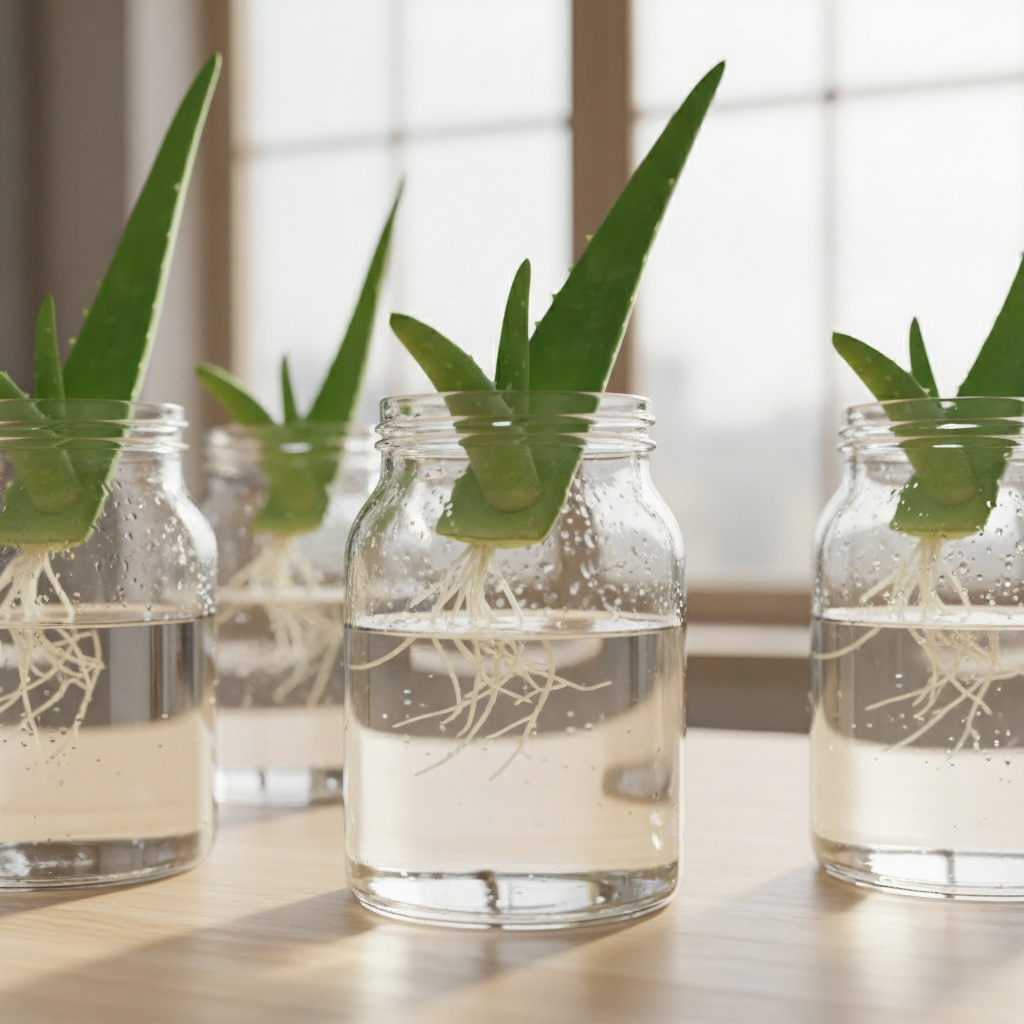
What you’re actually getting: A functional plant that earns its place on windowsills by doing something almost no other common indoor plant does providing usable gel from its leaves for minor burns and skin irritation. Aloe vera needs bright light and very infrequent watering, making it one of the easier common indoor plants to keep alive long-term as long as you resist the urge to overwater it.
The single most reliable way to kill aloe is to water it on a schedule rather than checking whether it actually needs water. In summer, that might mean every two to three weeks. In winter, it can go a month or more without needing water.
Care snapshot:
- Light: Bright indirect to some direct sun
- Water: Every 3-6 weeks soil must dry completely
- Humidity: Low thrives in dry air
- Best for: Sunny kitchens, practical growers, anyone in a dry climate
7. Chinese Evergreen (Aglaonema)
What you’re actually getting: The most underrated plant on this list. Chinese evergreen handles the full spectrum from low light to bright indirect without complaint, comes in remarkable leaf color variety deep green, silver, pink, red, burgundy and asks for very little in return. It is one of the more common indoor plants in commercial spaces (offices, hotels) precisely because it performs reliably without specialized care.
Green and silver-leaved varieties handle low light best. Red, pink, and orange varieties need brighter conditions to maintain their color intensity. All follow the same basic care pattern.
Care snapshot:
- Light: Low to bright indirect (color variety determines specific need)
- Water: Every 7-14 days
- Humidity: Moderate preferred
- Best for: Adding color to low-light spaces, beginners who want visual variety
8. Rubber Plant (Ficus elastica)
What you’re actually getting: One of the most visually striking common indoor plants available at standard nursery prices. The rubber plant’s large, glossy leaves in deep green or burgundy create an immediate sense of scale and intention in any room. It handles medium to bright indirect light well and is more forgiving than the closely related fiddle leaf fig. It does dislike being moved — pick a good spot and leave it.
The Burgundy variety (near-black leaves) and Tineke (green and cream variegation with pink tones) are the most visually distinctive options alongside the standard green form.
Care snapshot:
- Light: Medium to bright indirect
- Water: Every 7-14 days (top 2 inches dry)
- Humidity: Average levels fine
- Best for: Statement floor plants, anyone who wants large leaves without fiddle leaf fig drama
Tier 3: Worth the Extra Effort – Rewards Consistent Growers
9. Monstera (Monstera deliciosa)
What you’re actually getting: The most photographed common indoor plant of the past decade, and one that genuinely earns its popularity when given adequate conditions. Monstera produces the split, fenestrated leaves that make it iconic only in medium to bright indirect light in low light, leaves come in smaller and without splits. It grows fast in good conditions and rewards consistent watering and monthly fertilizing during the growing season.
The distinction most buyers miss: Monstera deliciosa (the common Swiss cheese plant) is a slow-but-reliable grower that becomes truly impressive over time. The full care breakdown is in our monstera plant care guide. For understanding the differences between monstera and the similarly shaped Rhaphidophora tetrasperma, our pothos vs philodendron comparison covers overlapping plant identification questions.
Care snapshot:
- Light: Medium to bright indirect — non-negotiable for split leaves
- Water: Every 7-10 days (top 2 inches dry)
- Humidity: 50%+ preferred
- Best for: Anyone with a bright room who wants dramatic, fast-growing foliage
10. Heartleaf Philodendron (Philodendron hederaceum)
What you’re actually getting: A close competitor to pothos in the trailing/climbing plant category — slightly softer in appearance, with heart-shaped leaves that emerge bronze before turning green, and a preference for slightly more consistent moisture than pothos. It is one of the most common indoor plants sold in small nursery pots specifically because it establishes and grows quickly. It is also one of the most effective climbers when given a moss pole.
Care snapshot:
- Light: Low to bright indirect
- Water: Every 7-10 days consistently
- Humidity: Average levels fine
- Best for: Hanging baskets, moss poles, anyone who wants a pothos alternative with softer leaves
11. Fiddle Leaf Fig (Ficus lyrata)
What you’re actually getting: The most dramatic and most demanding of all common indoor plants. Fiddle leaf figs require bright indirect light for 6 or more hours daily, dislike being moved, drop leaves when cold air touches them briefly, and can sulk for weeks after any environmental change. But when the conditions are right, no other common indoor plant creates the same architectural presence large, violin-shaped leaves on a tall, sculptural trunk that transforms any bright room.
If you have a perfect south-facing window, stable temperatures, and patience, a fiddle leaf fig is deeply rewarding. If your space is variable or you move plants regularly, choose the rubber plant instead. Our complete guide on fiddle leaf fig care covers the full care requirements and troubleshooting for the most challenging questions around this plant.
Care snapshot:
- Light: Bright indirect 6+ hours daily, non-negotiable
- Water: Every 7-10 days (top 2 inches dry)
- Humidity: 30-65%
- Best for: Experienced growers with bright, stable rooms
12. Cast Iron Plant (Aspidistra elatior)
What you’re actually getting: Exactly what the name says. The cast iron plant is the most shade-tolerant plant on this entire list genuinely capable of living in north-facing rooms, hallways, and spots where other common indoor plants have failed repeatedly. Growth is very slow, the leaves stay dark green year-round, and the plant essentially runs on neglect. It is one of the least glamorous common indoor plants and one of the most underappreciated.
Care snapshot:
- Light: Low to very low best option for genuinely dark spaces
- Water: Every 2-3 weeks
- Humidity: Not needed
- Best for: Dark rooms, hallways, stairwells, anyone who has lost other plants to low light
Quick Comparison Table: All 12 Common Indoor Plants at a Glance
| Plant | Light | Water Frequency | Pet Safe | Best Feature |
|---|---|---|---|---|
| Snake Plant | Low-Bright | Every 2-6 weeks | No | Most forgiving |
| Pothos | Low-Bright | Every 7-14 days | No | Fastest growth |
| ZZ Plant | Low-Medium | Every 2-4 weeks | No | Lowest light need |
| Spider Plant | Medium-Bright | Every 7-10 days | YES | Pet safe + propagates |
| Peace Lily | Low-Medium | When drooping | No | Blooms in low light |
| Aloe Vera | Bright | Every 3-6 weeks | No | Usable gel |
| Chinese Evergreen | Low-Bright | Every 7-14 days | No | Best color variety |
| Rubber Plant | Medium-Bright | Every 7-14 days | No | Bold statement leaves |
| Monstera | Medium-Bright | Every 7-10 days | No | Dramatic split leaves |
| Heartleaf Philodendron | Low-Bright | Every 7-10 days | No | Best climber |
| Fiddle Leaf Fig | Bright only | Every 7-10 days | No | Most architectural |
| Cast Iron Plant | Very Low | Every 2-3 weeks | YES | Handles darkest rooms |
What All Common Indoor Plants Share: The Mistakes to Avoid
Regardless of which of these common indoor plants you choose, the same three mistakes cause the most failures:
Overwatering. Every plant on this list is more likely to die from too much water than too little. Check the soil before every watering. If it is still moist at the 1 to 2 inch (2.5 to 5 cm) depth, put the watering can down. Our guide on overwatering vs underwatering covers exactly how to diagnose which direction your plant is struggling before it becomes a serious problem.
Wrong light for the variety. Common indoor plants span the full light range from cast iron plant (near darkness) to fiddle leaf fig (requires bright light). Placing a high-light plant in a dim room does not work, and placing a low-light plant in direct intense sun causes bleaching. Match the plant to your actual window before buying.
Buying too many too fast. The most successful indoor plant collections grow slowly. Start with two or three common indoor plants from Tier 1, develop an instinct for what healthy versus stressed looks like, then expand. Our guide on the easiest indoor plants is the right companion list if you are just starting.
FAQ
What are the most common indoor plants for beginners?
The most beginner-friendly common indoor plants are snake plant, pothos, and ZZ plant. All three tolerate low light and irregular watering better than almost any other popular houseplant. Snake plant is the most drought-tolerant of the three. Pothos grows the fastest and gives immediate visual feedback. ZZ plant is the best option for rooms with very little natural light.
Which common indoor plants are safe for cats and dogs?
Among the 12 most common indoor plants, spider plant and cast iron plant are confirmed non-toxic to cats and dogs. Most other popular indoor plants including pothos, snake plant, peace lily, philodendron, monstera, and fiddle leaf fig, are toxic to pets at varying levels. Our full guide on indoor plants safe for cats covers 15 verified pet-safe alternatives across different sizes and light requirements.
Which common indoor plants need the least light?
Cast iron plant tolerates the lowest light of any common indoor plant and survives in rooms with minimal natural light where other plants fail. ZZ plant and snake plant also handle genuinely low light conditions. Peace lily, Chinese evergreen, and heartleaf philodendron are good middle-ground options. Monstera, rubber plant, fiddle leaf fig, and aloe vera all need medium to bright light and will decline in dim conditions.
How often should I water common indoor plants?
Watering frequency for common indoor plants varies significantly by species. Drought-tolerant types like snake plant, ZZ plant, and aloe vera can go 2 to 6 weeks between waterings. Most tropical foliage plants like pothos, monstera, and philodendron need water every 7 to 14 days during the growing season. Always check soil moisture before watering rather than following a fixed schedule soil drying time changes with season, light level, and pot material.
What are the most common indoor plants that also purify air?
According to the NASA Clean Air Study, several common indoor plants remove indoor air pollutants: peace lily, spider plant, pothos, snake plant, Chinese evergreen, and rubber plant all showed measurable VOC removal in NASA’s research. Peace lily ranked among the highest performers for formaldehyde, benzene, and trichloroethylene removal. Our guide on air purifying plants covers the most effective options with specific pollutant removal data for each.
Which common indoor plants grow the fastest?
Among common indoor plants, pothos, heartleaf philodendron, and monstera are the fastest growers in good light conditions. Pothos and philodendron can produce several inches of new vine growth per week during spring and summer. Monstera in bright indirect light can produce one large new leaf per week or faster at peak growing season. Snake plant, ZZ plant, and cast iron plant grow very slowly regardless of conditions.
The right common indoor plant for your home is not the most popular one or the most photogenic one it is the one that matches your actual light, your actual watering habits, and the space you genuinely have available. Start there. A healthy, thriving common indoor plant that suits your conditions will always be more satisfying than a struggling specimen chosen for how it looks in someone else’s living room.
Happy planting!