
Most people think mint belongs in the garden, not inside the home. They see it spreading aggressively through outdoor beds and assume it must be some kind of vigorous plant that could never adapt to a kitchen windowsill. The truth is, learning how to grow mint indoors is one of the smartest decisions a home herb grower can make. A pot keeps the roots contained and controlled, the plant stays exactly where you put it, and you have fresh leaves within arm’s reach every single time a recipe calls for them.
When you know how to grow mint indoors correctly, the results are better than growing it outside in most US climates. This guide covers everything you need to get started, from choosing the right container to harvesting leaves on a regular schedule, and explains exactly why how to grow mint indoors is simpler than most guides make it sound.
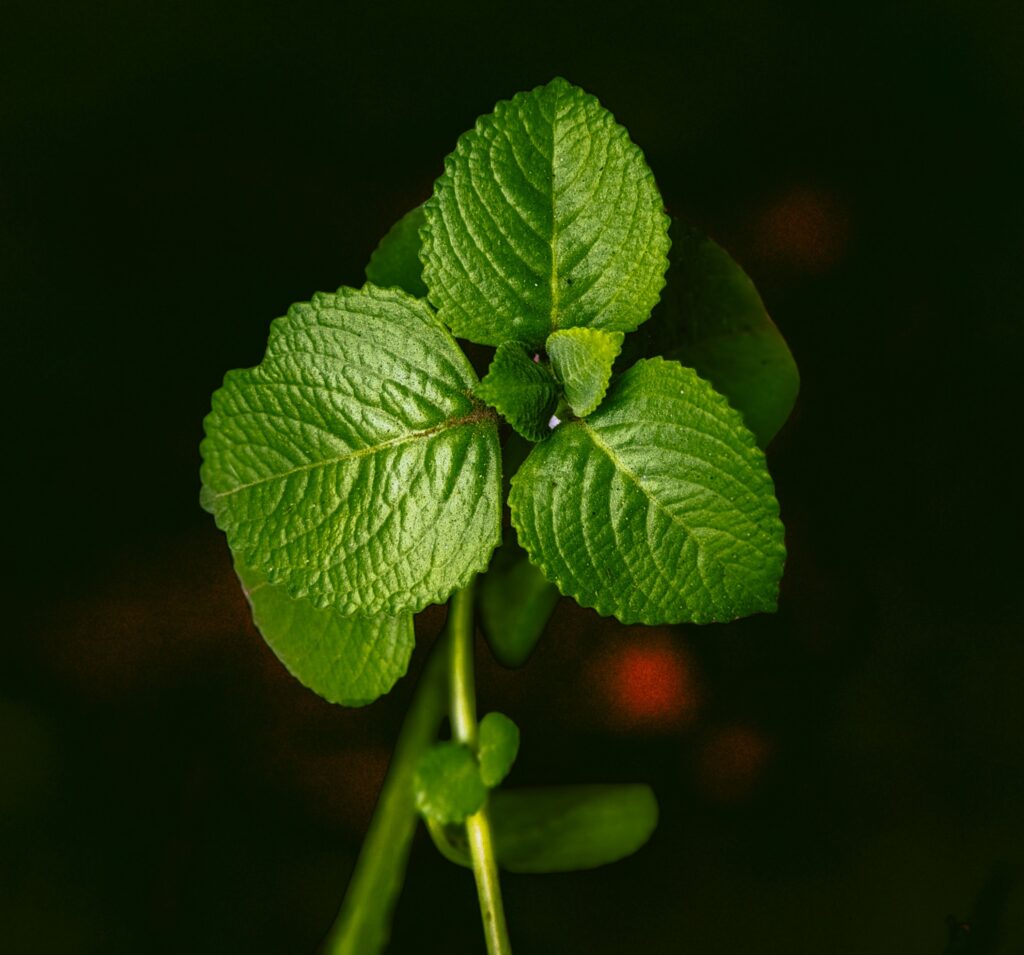
| Aspect | Details |
|---|---|
| Botanical Name | Mentha spp. |
| Common Varieties | Spearmint, Peppermint, Chocolate Mint, Apple Mint, Lemon Balm |
| Plant Type | Perennial herb (grown year-round indoors) |
| Light | 6+ hours bright indirect to direct light daily |
| Water | When top 1 inch (2.5 cm) of soil feels dry |
| Soil | Well-draining, slightly moist potting mix |
| Temperature | 60 to 75 degrees F (15 to 24 degrees C) |
| Humidity | 40 to 60% |
| Container Size | Minimum 8 to 12 inches (20 to 30 cm) wide |
| Days to First Harvest | 30 to 45 days from transplant |
| Toxicity | Most varieties non-toxic to humans. Pennyroyal toxic to cats and dogs (ASPCA). |
| Difficulty | Beginner |
Why How to Grow Mint Indoors Makes More Sense Than the Garden
Here is the thing most gardening guides never say directly: mint is invasive outdoors. It spreads through underground stems called rhizomes, and once it establishes in a garden bed, it colonizes surrounding soil fast enough that it overtakes nearby herbs and vegetables within a single growing season. This aggressive nature is exactly what makes learning how to grow mint indoors such a smart choice, because a pot draws a hard line the roots simply cannot cross. When you figure out how to grow mint indoors, you are not making a compromise because you lack outdoor space.
You are choosing the method that gives you better control, easier daily harvesting, and a plant that never threatens everything else growing nearby. The contained environment means soil temperature stays consistent, watering is easy to manage precisely, and the plant does not compete with weeds or outdoor pests. According to Penn State Extension, container-grown herbs like mint actually produce better flavor when the roots are slightly restricted, which is another reason knowing how to grow mint indoors consistently delivers a more aromatic, potent harvest than garden-grown plants.
How to Grow Mint Indoors: Choosing the Right Container
Understanding how to grow mint indoors starts with getting the container right, and the two things that matter most are width and drainage. Mint spreads horizontally through its rhizome root system, so it needs a wide pot to give the roots enough room to develop properly. A container that is at least 8 to 12 inches (20 to 30 cm) in diameter allows the plant to grow fully without becoming root-bound during the first growing season. Depth matters less than width for mint, because the root system spreads outward rather than downward, which means a shallow but wide planter actually works better than a deep, narrow pot. Every pot you choose when learning how to grow mint indoors must have at least one drainage hole at the base, because without drainage, water pools at the bottom, roots suffocate, and root rot develops within weeks.
Terra cotta pots are an excellent choice for indoor mint because their porous walls allow excess moisture to evaporate through the sides, reducing the overwatering risk that trips up most beginners. For a detailed comparison of which pot materials work best for indoor herbs and plants, our guide on best planters for indoor plants walks through terra cotta, plastic, ceramic, and self-watering options with honest trade-offs for each.
The Best Soil When You Learn How to Grow Mint Indoors
Soil quality directly affects both plant health and leaf flavor, so getting this right from the start is worth the extra attention it takes. How to grow mint indoors successfully depends heavily on soil that is slightly rich, moderately moist, and drains freely without staying soggy for days after watering. A high-quality potting mix like Miracle-Gro Indoor Potting Mix or FoxFarm Ocean Forest works well as a starting base for container mint. Add about 15 to 20 percent perlite to whatever mix you choose to improve drainage and prevent compaction, which happens naturally in any container once roots have grown through the mix for several months.
One important thing to avoid: never use garden soil from your yard in an indoor container, because it compacts heavily in pots, drains poorly, and often carries outdoor pests or pathogens that create new problems in a controlled indoor environment. For a full breakdown of the best mixes available at Home Depot, Lowe’s, and Amazon for container herb growing, our article on best soil for indoor plants covers every option with specific product recommendations and honest comparisons.
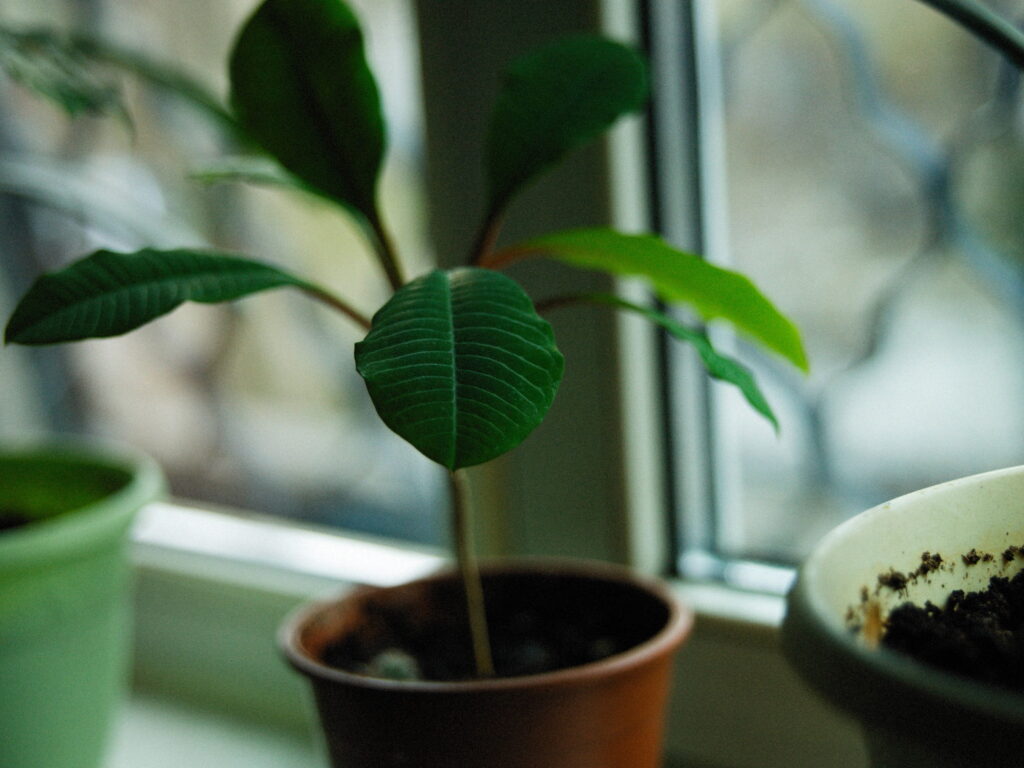
How to Plant Mint: Step-by-Step Setup for Indoor Success
Starting mint from seed is slow and unreliable, because germination rates are inconsistent even under ideal conditions. The fastest and most dependable approach to growing mint indoors is to start from a cutting or purchase a small nursery plant from Trader Joe’s, Home Depot, or a local herb nursery. Nursery mint plants are inexpensive, widely available in spring and summer, and give you a head start of several weeks compared to starting from seed. Here is how to set up your indoor mint correctly from day one:
- Prepare your container. Fill a clean pot with drainage holes using a well-draining potting mix amended with perlite. Leave about 1 inch (2.5 cm) of space at the top for watering.
- Plant or transfer your mint. If using a nursery plant, loosen the root ball gently and plant it at the same depth it was growing in its original container. If starting from a cutting, make sure roots are at least 1 inch (2.5 cm) long before planting into soil.
- Water immediately after planting. Water thoroughly at the sink until it drains freely from the drainage hole, let it drain completely, then return the pot to its spot. This settles the soil around the roots and removes air pockets.
- Place it in the right light location. Set the pot in your chosen spot immediately so the plant can orient to its light source from the beginning rather than adjusting twice.
- Wait one week before harvesting. Even a healthy nursery mint plant needs a few days to adjust to new soil, a new container, and a new environment before it begins producing vigorous new growth.
Light Requirements: The Most Critical Step in How to Grow Mint Indoors
Light is the single variable that determines whether learning how to grow mint indoors leads to a thriving, fragrant kitchen herb or a pale, leggy plant that produces almost no usable leaves. Mint wants at least 6 hours of direct or very bright indirect light every day to stay productive and maintain the essential oils in its leaves that give it flavor and fragrance. A south-facing or west-facing window in a US home provides the best natural light for indoor mint growing, and placing the pot directly on the windowsill, as close to the glass as possible, makes a real difference compared to setting it on a shelf a few feet back from the window. East-facing windows work reasonably well for spring and fall growing when days are longer and the sun angle is higher.
North-facing windows do not provide enough light intensity for mint to grow well, no matter how bright the room feels to human eyes, and plants placed there produce thin, flavorless leaves within a few weeks. If your home does not have a suitable sunny window, supplemental lighting is the best solution when figuring out how to grow mint indoors year-round. A quality grow light positioned 6 to 8 inches (15 to 20 cm) above the plant for 12 to 14 hours per day gives mint everything it needs. Our guide on best grow lights for indoor plants reviews the most effective options at different price points specifically for herb growing.
How to Water Indoor Mint Correctly
Watering is the care factor that most directly affects plant health and leaf quality, and getting this right is a foundational skill in learning how to grow mint indoors without losing plants to root problems. Mint prefers consistently moist soil, but it absolutely does not want to sit in waterlogged conditions for any extended period. The practical approach is to check the soil every day or two by pushing your finger about 1 inch (2.5 cm) into the potting mix, and water thoroughly when that depth feels dry. Water slowly at the sink until it runs freely from the drainage hole, then let the pot drain completely before returning it to its saucer or decorative outer sleeve.
Never leave water sitting in the saucer for more than an hour, because mint roots will absorb that standing water from below and create persistently soggy conditions even when the surface of the soil looks and feels fine. In summer near a bright window, indoor mint typically needs watering every two to three days. In winter when growth slows naturally, that stretches to every four to five days. For a clear side-by-side guide showing what overwatering versus underwatering actually looks like in herbs and houseplants, our guide on overwatering vs underwatering shows the visual differences that help you adjust before the plant suffers serious damage.
Fertilizing Indoor Mint Without Reducing Flavor
Mint is not a heavy feeder, and over-fertilizing is one of the most common mistakes that reduces leaf flavor because it pushes rapid, soft, watery growth rather than the compact, oil-rich leaves that taste and smell the strongest. In good-quality potting mix that has been freshly prepared, mint may need no supplemental feeding at all for the first two to three months. After that, a light application of a balanced water-soluble fertilizer at half the recommended strength, applied once every four to six weeks during spring and summer, keeps the plant producing strong new growth without overdoing it.
During winter, skip fertilizing entirely, as the plant’s growth naturally slows and unused fertilizer salts accumulate in the soil over time and can damage roots. Jack’s Classic All Purpose 20-20-20 diluted to half strength is a reliable choice, as is Espoma Organic Herb Plant Food, both available at most garden centers and online. If you notice white mineral crust forming on the soil surface or around the pot rim, flush the soil by running water through it for a full minute at the sink to clear the salt buildup before it affects the roots.
Pruning and Harvesting: What Keeps Indoor Mint Productive
Pruning and harvesting are essentially the same action for mint, and doing both consistently and correctly is what keeps the plant bushy, aromatic, and productive rather than tall, leggy, and sparse. Begin harvesting as soon as stems are 4 to 6 inches (10 to 15 cm) long, which typically happens within 30 to 45 days of planting a nursery transplant. Always cut stems just above a set of leaves using clean, sharp scissors, and never remove more than one-third of the total plant in a single session.
The plant branches out below every cut point, so each harvest actually increases total leaf production over time rather than reducing it. Pinch off any flower buds the moment they appear, because flowering shifts the plant’s energy away from leaf production and noticeably reduces both the oil content and the taste of remaining leaves. A plant that has gone to flower can be cut back aggressively to about 2 to 3 inches (5 to 7.5 cm) above the soil line, and it will push out a completely fresh flush of growth within two to three weeks.
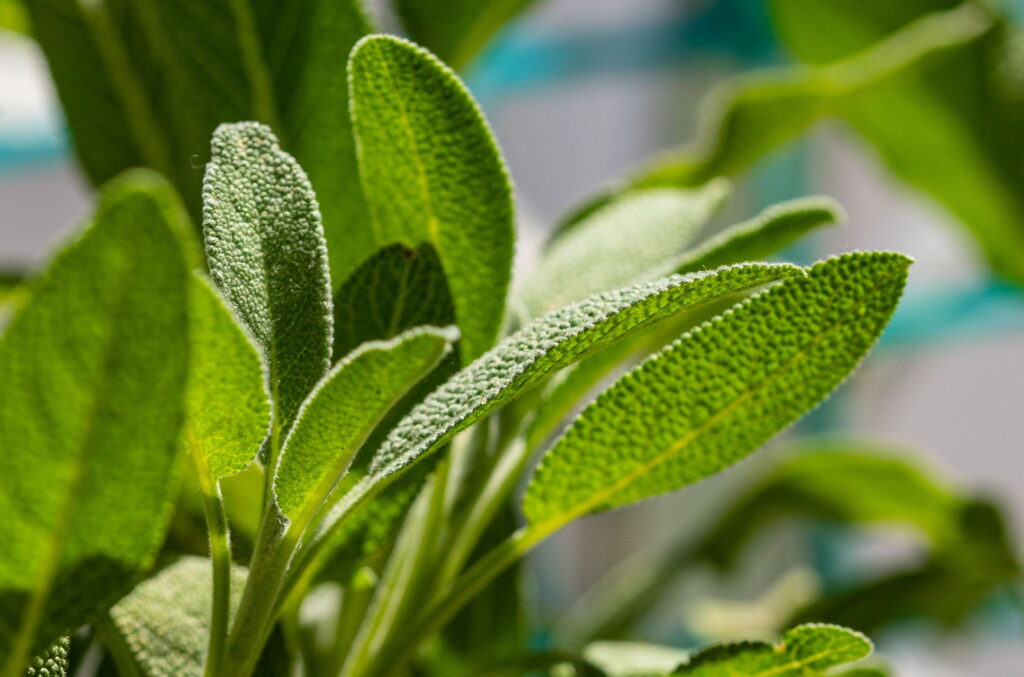
Mint Varieties Best Suited for How to Grow Mint Indoors
Not all mint varieties behave identically indoors, and choosing the right one from the start makes the whole experience of learning how to grow mint indoors noticeably easier and more rewarding.
| Variety | Flavor Profile | Best Indoor Use | Growth Habit |
|---|---|---|---|
| Spearmint (Mentha spicata) | Classic, bright, slightly sweet | Tea, salads, sauces | Upright, vigorous |
| Peppermint (Mentha piperita) | Strong, cooling menthol | Tea, baking, cocktails | Spreading, medium |
| Chocolate Mint | Chocolate-mint blend | Desserts, cocktails | Compact, very tidy |
| Apple Mint | Mild, fruity | Drinks, fresh herb bowls | Large leaves, robust |
| Lemon Balm | Lemon-mint, gentle | Tea, fish dishes | Bushy, slower growing |
Spearmint is the most forgiving choice for beginners who are just learning how to grow mint indoors and is the variety most commonly sold in small pots at grocery stores and garden centers. Peppermint has a stronger, more intense flavor but needs slightly more light than spearmint to develop its full menthol intensity. Chocolate Mint stays naturally compact and does particularly well on a kitchen windowsill where space is limited. If you want to grow multiple varieties, plant each one in its own separate container rather than combining them in one pot, because different mint types cross-pollinate readily when grown together and the distinct flavors of each variety become muddled within a season.
Repotting and Long-Term Care
Mint grows fast and fills its container with roots within six to twelve months of being planted. When roots begin circling the drainage hole or crowding the soil surface, it is time to move the plant to a container one size larger or to divide the root ball and repot half into a fresh container with new soil. Spring is the ideal time for repotting because the plant is entering its active growing season and recovers quickly from the root disturbance. For a complete, step-by-step guide to repotting any container plant without stressing the root system, our article on how to repot houseplants without stress walks through the full process. Every one to two years, even if the pot size stays the same, indoor mint benefits from a complete soil refresh because potting mix breaks down over time and stops draining as efficiently as it did when it was new.
Troubleshooting Common Problems When Growing Mint Indoors
Even with good care, a few issues come up regularly for growers learning how to grow mint indoors. Knowing what they look like and what causes them makes them easy to resolve before they become serious.
- Yellow leaves spreading from the bottom upward almost always signal overwatering or soggy root conditions. Check that the saucer is not holding standing water, allow the soil to dry slightly more between waterings, and confirm the drainage hole is clear and functional. For a full diagnosis of what different yellowing patterns mean across all indoor plants, our article on plant leaves turning yellow is the fastest way to identify the specific cause and fix it.
- Leggy, pale stems with small leaves and weak fragrance point directly to insufficient light. Move the pot closer to the window, choose a south or west-facing position instead of a north-facing one, or add a grow light. Mint that does not get enough light cannot manufacture the essential oils that give it its characteristic scent, and the leaves taste noticeably weaker as a result.
- Root rot develops when soil stays waterlogged for extended periods and the roots suffocate and begin to decay. The plant wilts even though the soil feels wet, and pulling it from the pot reveals dark, soft, mushy roots rather than the firm white roots of a healthy plant. Our detailed guide on root rot treatment covers exactly how to rescue a plant at this stage, including how to trim damaged roots and repot correctly into fresh soil.
- Spider mites and aphids are the most common pests that affect indoor mint, especially during winter when central heating dries out indoor air significantly. Check the undersides of leaves regularly for tiny insects or fine webbing. A strong spray of lukewarm water in the sink removes most infestations, and insecticidal soap from Home Depot or Lowe’s handles anything that persists after washing.
FAQ
How to grow mint indoors from a cutting taken from a store-bought bunch?
Trim 3 to 4 inches (7.5 to 10 cm) of stem from a fresh supermarket mint bunch, remove the lower leaves, and place the cut end in a glass of water on a bright windowsill. Roots appear within 7 to 14 days. Once roots reach 1 inch (2.5 cm) long, plant the cutting in a pot with well-draining potting mix. Keep it in bright indirect light and water when the top inch of soil feels dry. This is one of the easiest and cheapest ways to start an indoor mint plant with no garden center trip needed.
How much light does indoor mint need?
When learning how to grow mint indoors, light is the most critical factor to get right. Mint needs a minimum of 6 hours of direct or very bright indirect light every day. A south or west-facing window works best in most US homes. If natural light is limited, a grow light running for 12 to 14 hours daily provides adequate intensity to keep the plant growing well and producing flavorful, oil-rich leaves throughout the year.
Why is my indoor mint losing its flavor?
Low light and excess fertilizer are the two most common causes of bland, low-flavor mint leaves. Without enough light, the plant cannot produce the essential oils responsible for mint’s flavor and scent. Too much nitrogen-heavy fertilizer pushes soft, watery leaf growth that smells and tastes weak. Reduce feeding to half-strength every four to six weeks and move the plant to a brighter location. Harvesting just before the plant begins to flower also guarantees the most intensely flavored leaves.
How to grow mint indoors during winter?
Mint grows well indoors year-round as long as it has adequate light. In winter, natural light decreases significantly in most US homes, so supplementing with a grow light is the most reliable way to keep the plant productive through December and January. Reduce watering frequency slightly since growth slows, stop fertilizing until spring, and keep the plant away from cold drafts near windows and heating vents that dry the air excessively.
How often should I harvest indoor mint to keep it bushy?
Harvest lightly every 7 to 10 days rather than doing one big cut per month. Cut stems back to just above a pair of leaves whenever they reach 4 to 6 inches (10 to 15 cm) long. This encourages branching below each cut point, which over time creates a much fuller, bushier plant than infrequent heavy harvesting does. Pinching off flower buds as soon as they form is equally important for keeping the plant focused on leaf production.
Is mint safe for cats and dogs?
Most common mint varieties including spearmint and peppermint are considered non-toxic to cats and dogs at small amounts. However, pennyroyal mint, a less common variety, is toxic to both cats and dogs and should be kept out of reach. If you have pets, stick to spearmint, peppermint, or chocolate mint for indoor growing, and place the pot where curious animals cannot chew on the leaves regularly regardless of toxicity, since essential oils in large amounts can cause digestive upset in small animals.
Can mint grow in water without soil?
Yes. Mint roots easily in water and can be maintained hydroponically on a windowsill using nothing more than a glass of water changed every few days. This method works well for short-term growing and for rooting cuttings, but it does not produce as vigorous or flavorful a plant as soil growing because water culture provides fewer of the minerals that contribute to essential oil production. For the best flavor and longest-term productivity, move water-rooted cuttings into soil once roots are established.
Learning how to grow mint indoors is one of those habits that, once established, quietly improves everyday cooking and drinks in a way that feels disproportionate to the effort it takes. A single well-cared-for pot will produce more fresh leaves than most households can use in a week and keep doing so for years. The key is getting the light and watering right from the start, harvesting consistently to encourage bushy rather than leggy growth, and never letting the plant flower before you are ready to cut it back hard. Once those three habits click into place, knowing how to grow mint indoors stops being a technique and starts being second nature.
Happy planting!