
Repotting houseplants is one of the most important yet most dreaded tasks for indoor gardeners. The good news? With the right approach, you can repot houseplants without stress for both you and your leafy friends. Whether you’re dealing with a root-bound monstera or a dusty old snake plant, this guide will walk you through everything you need to know to make the transition smooth and successful.
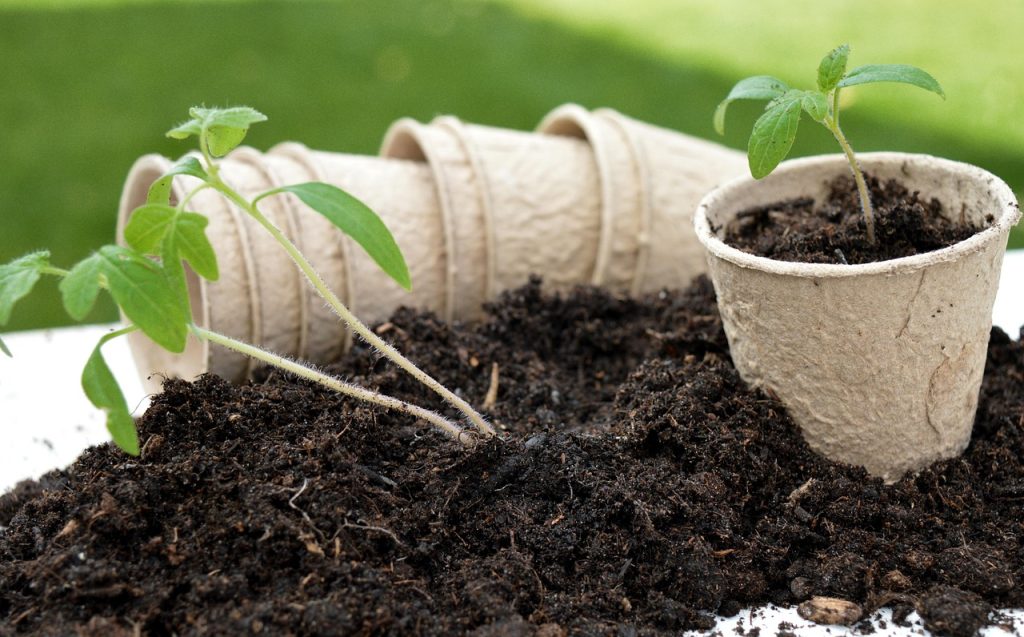
Why Repotting Matters (And Why It Stresses Us Out)
Houseplants outgrow their homes. Over time, soil breaks down, roots circle the pot, and nutrients deplete. Signs your plant needs repotting include:
- Roots growing through drainage holes
- Water sitting on top of soil instead of absorbing
- Stunted growth or yellowing leaves
- The plant looks disproportionately large for its pot
- It’s been 1–2 years since the last repot
The anxiety around repotting usually stems from fear of damaging the plant or triggering transplant shock. But here’s the truth: plants want to grow. Give them the right conditions, and they’ll bounce back quickly.
When Is the Best Time to Repot Houseplants?
Timing is everything. The best time to repot most houseplants is during their active growing season, typically spring and early summer. During this period, plants have the energy to recover and establish new roots.
Avoid repotting in winter when most plants are dormant. The exception? If you notice root rot, pest infestation, or severely compacted soil, repot immediately regardless of season.
Check this: Easiest Indoor Plants
What You’ll Need to Repot Without Stress
Gather your supplies beforehand so you’re not scrambling mid-process:
Table
| Supply | Purpose |
|---|---|
| New pot | 1–2 inches larger in diameter; must have drainage holes |
| Fresh potting mix | Appropriate for your plant type (cactus mix, orchid bark, all-purpose, etc.) |
| Trowel or small shovel | For scooping soil |
| Gloves | Optional, but helpful for spiny or sappy plants |
| Watering can | For settling soil after repotting |
| Scissors or pruning shears | For trimming dead or rotting roots |
Pro tip: Choose a pot only slightly larger than the current one. Too much soil holds excess moisture and can lead to root rot.
Step-by-Step: How to Repot a Houseplant Without Stress
Step 1: Water Your Plant a Few Days Before
Hydrate your plant 2–3 days before repotting.
This helps the root ball hold together and reduces trauma during removal.
Step 2: Prepare the New Pot
Add a layer of fresh potting mix to the bottom of the new pot. The goal is to position the plant so the top of the root ball sits 1 inch below the rim, leaving room for watering.
Step 3: Remove the Plant Gently
Turn the pot sideways and gently squeeze or tap the sides to loosen the soil. Support the stem with one hand and slide the plant out. Never yank by the stems or leaves.
If the plant is stuck, run a knife around the inner edge of the pot to break the soil’s grip.
Step 4: Inspect and Tend to the Roots
Once out, examine the root ball:
- Healthy roots: White or tan, firm, and spread outward
- Root-bound plants: Roots circling tightly gently tease them apart or make vertical cuts to encourage outward growth
- Root rot: Black, mushy, or foul-smelling roots trim these away with clean scissors
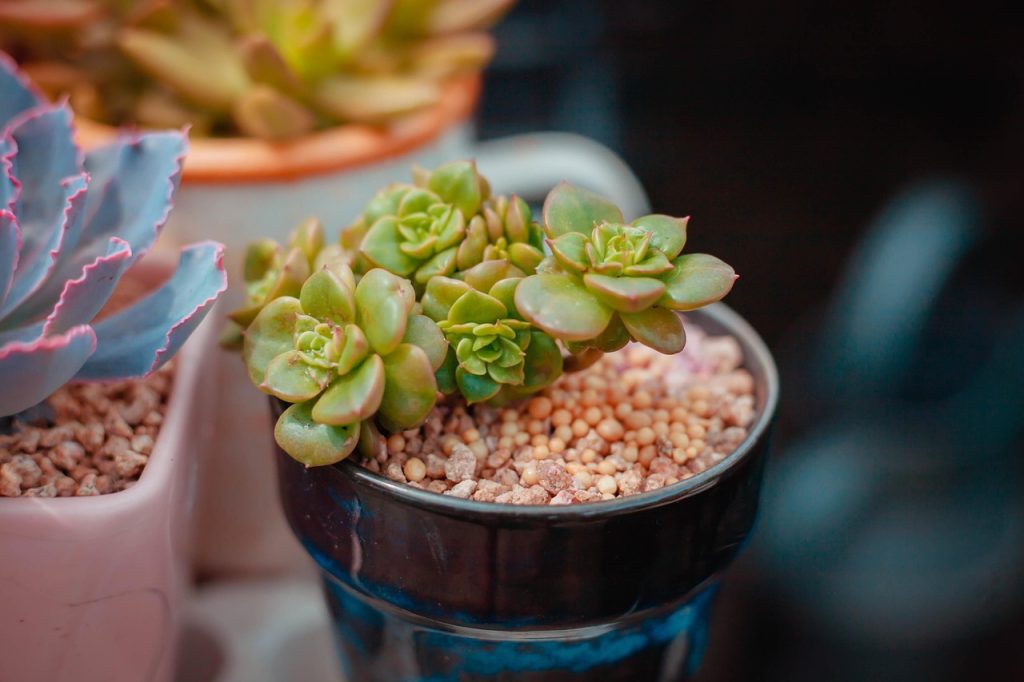
Step 5: Place in the New Pot
Position the plant in the center of the new pot. The top of the root ball should sit at the same level it was in the old pot (never bury the stem deeper unless it’s a tomato).
Step 6: Fill with Fresh Soil
Add potting mix around the sides, gently firming it down to eliminate large air pockets. Don’t pack too tightly roots need oxygen.
Step 7: Water Lightly
Water until it drains from the bottom. This settles the soil and helps roots make contact with their new environment.
Step 8: Give It Time to Adjust
Place your repotted plant back in its usual spot (or a slightly shadier location for a few days). Avoid fertilizing for 4–6 weeks fresh potting mix already contains nutrients, and you don’t want to burn sensitive roots.
Check this: Eucalyptus Plant
How to Avoid Transplant Shock
Transplant shock is the biggest fear for plant parents. Minimize it with these strategies:
- Don’t repot unnecessarily. If the plant is healthy and the soil is good, wait.
- Handle roots gently. The less you disturb them, the better.
- Keep conditions stable. Avoid moving the plant to a new light/temperature environment immediately after repotting.
- Increase humidity temporarily. A pebble tray or light misting can help stressed plants recover.
- Be patient. Some plants droop for a few days after repotting. This is normal. Resist the urge to overwater or over-fertilize.
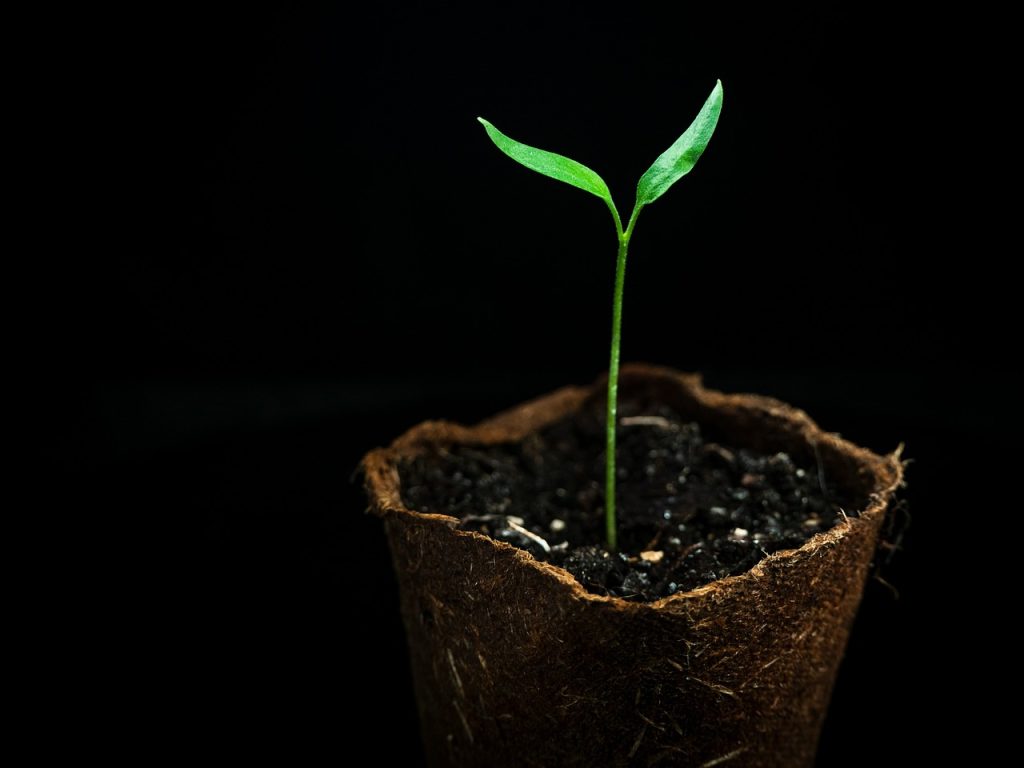
Special Cases: Repotting Tricky Houseplants
Succulents and Cacti
Use a fast-draining cactus mix. Wait 1 week after repotting before watering to allow any damaged roots to callous over.
Orchids
Orchids need specialized bark mix, not potting soil. Repot every 1–2 years after blooming. Trim dead roots and old flower spikes.
Large Plants (Fiddle Leaf Figs, Monsteras)
These can be heavy and awkward. Enlist help, use a tarp to catch soil, and consider repotting in place if the plant is too large to move.
Plants That Hate Being Disturbed
Some plants like peace lilies, African violets, and alocasias are sensitive to root disturbance. Repot only when necessary and handle with extra care.
Common Repotting Mistakes to Avoid
- Using a pot that’s too big Leads to waterlogged soil and root rot
- Reusing old soil Always use fresh, sterile potting mix
- Forgetting drainage holes Standing water is a death sentence for roots
- Overwatering after repotting Roots need time to heal; soggy soil invites rot
- Repotting a stressed plant If your plant is already struggling, repotting may finish it off. Fix the underlying issue first
Check this: Plant Leaves Turning Yellow?
Frequently Asked Questions
How often should I repot my houseplants?
Most houseplants need repotting every 1–2 years. Fast-growing plants like pothos and spider plants may need annual repotting, while slow growers like snake plants and cacti can go 3–5 years.
Can I repot a houseplant in bloom?
It’s best to wait until flowering finishes. Repotting during bloom can cause the plant to drop flowers.
Should I loosen the roots when repotting?
Only if the plant is root-bound. For plants with healthy, loose root systems, leave them undisturbed.
What if my plant dies after repotting?
This is usually due to overwatering, root damage, or repotting an already unhealthy plant. Review your process and adjust for next time.
Final Thoughts: Repotting Is an Act of Care
Learning how to repot houseplants without stress is one of the best skills you can develop as an indoor gardener. It’s not about perfection it’s about giving your plants the space and nutrients they need to thrive. With the right timing, tools, and technique, you’ll find that repotting becomes less intimidating and even rewarding.
Your plants will thank you with bigger leaves, stronger growth, and years of healthy beauty.