
September sits right on the edge. The long days of summer are fading, the air carries a different weight, and gardens begin their slow shift from bright chaos to autumn order. It makes sense that the September birth flower is not just one bloom, but two. The aster and the morning glory each capture a different side of this month. One is steady and returning. The other is brief and brilliant. Together they tell the full story of early fall.
If you were born in September, or you are looking for a meaningful gift for someone who was, understanding these two flowers turns a simple bouquet into something with real history behind it. Both have been grown and admired for centuries, and both are genuinely useful plants in the garden, not just symbols on a greeting card.
Why September Has Two Birth Flowers
Most months are assigned a single flower, but September claims two. The aster serves as the primary September birth flower, while the morning glory stands as its alternate. This double assignment comes from the way birth flower traditions developed. Different cultures created their own lists over centuries, and modern compilations often blend them together rather than choosing one over the other.
Having two flowers gives people more options for color, meaning, and growing conditions. The aster is a perennial that returns reliably each year. The morning glory is a fast-growing annual vine that lives hard and fades fast. For a month that bridges summer heat and autumn coolness, this pairing feels exactly right.
The Aster: The Star of September
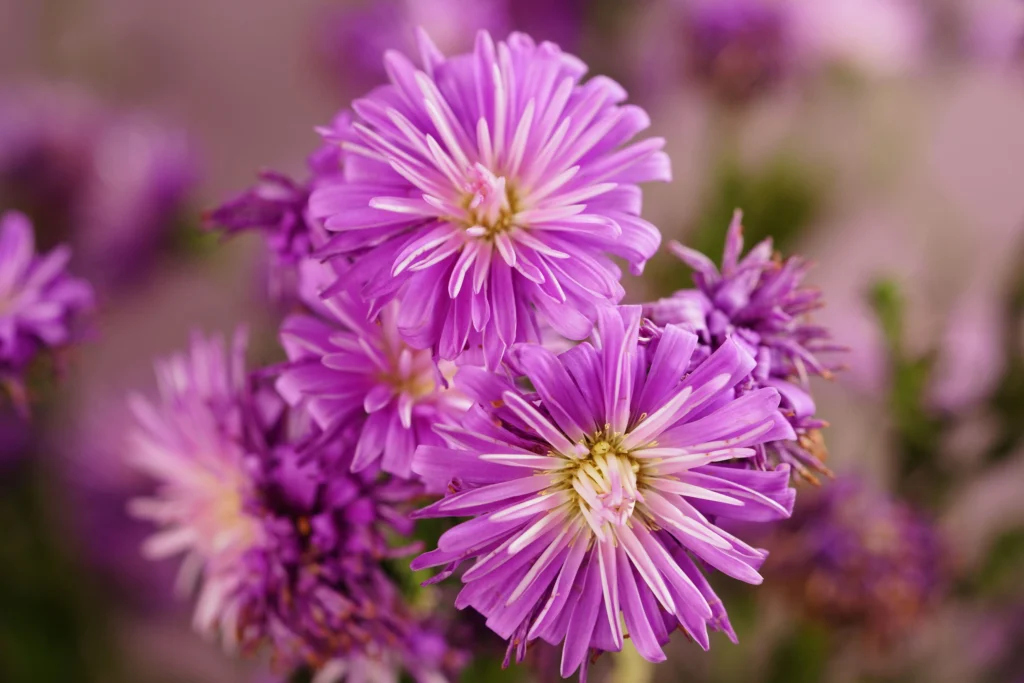
The aster is the principal September birth flower, and it earns that status through both beauty and resilience. These daisy-like perennials belong to the Asteraceae family, the same massive plant family that includes sunflowers and daisies. Their name comes from the Greek word for star, a reference to the slender petals that radiate from a central disk like points of light.
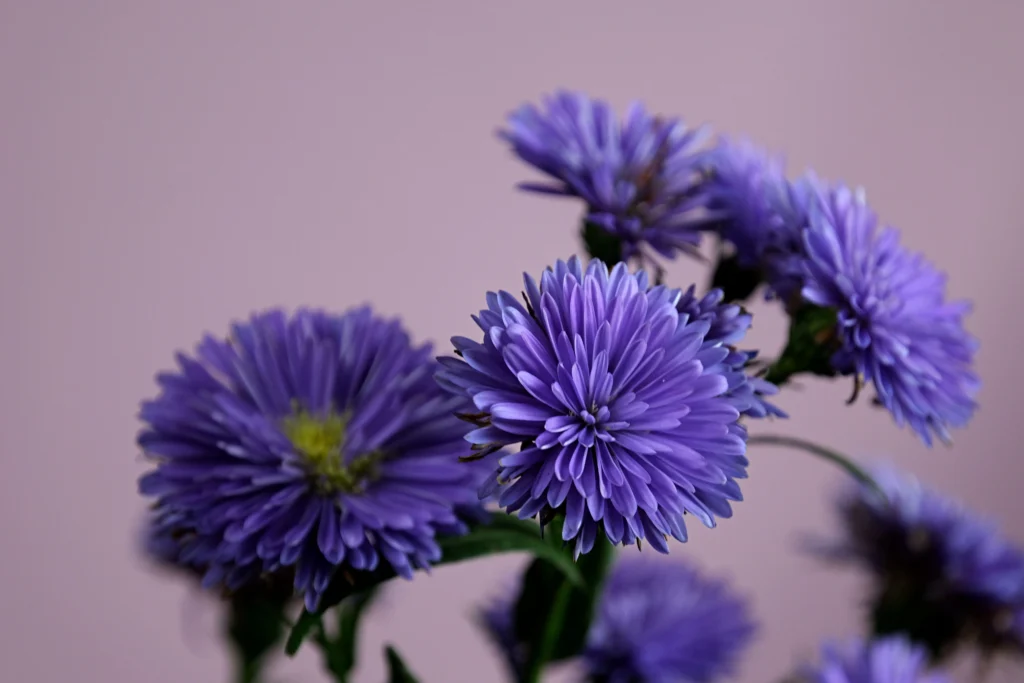
Asters bloom when much of the garden is finished. While early summer perennials have already peaked, asters step in with color that lasts from late summer deep into October. Depending on the variety, they range from compact 12-inch mounds to stately plants reaching 6 feet tall. Colors include white, pink, red, purple, and blue, almost always with a bright yellow or white center that draws in bees and butterflies when little else is available.
What Asters Symbolize
The symbolism of the aster runs deep. Broadly, it represents love, wisdom, faith, and patience. In the Victorian language of flowers, asters conveyed admiration and affection that could not be spoken aloud. Ancient Romans associated them with Venus and sometimes wove them into love potions. In Chinese culture, asters appear in wedding celebrations as emblems of fidelity.
Greek mythology offers the most poetic origin story. The goddess Astraea, associated with justice and innocence, wept over the corruption she saw on Earth. Her tears fell as stardust, and where they touched the ground, star-shaped asters bloomed. This legend is why the flower still carries associations with purity and hope.
Color shifts the message slightly. White asters symbolize innocence. Purple asters convey dignity and wisdom. Pink asters represent devotion. Red asters speak of undying love. Because of these layered meanings, the aster is also the official flower of the twentieth wedding anniversary.
In Christian tradition, asters are tied to Michaelmas, the Feast of St. Michael celebrated on September 29. Since asters are among the last flowers still brilliant at that time of year, they earned the nickname Michaelmas daisies.
Growing Asters in Your Garden
Asters are one of the easiest plants to grow if you give them the right start. They thrive in USDA hardiness zones 4 through 8. Plant them in full sun to light shade, with at least six hours of direct light for the strongest stems and heaviest bloom. The soil should be fertile and well-drained.
As reliable perennial plants, asters come back each spring and gradually spread into larger clumps. Water consistently during the growing season, aiming for evenly moist soil. A layer of mulch helps regulate temperature and retain moisture. For the bushiest plants and the most flowers, pinch back the growing tips in late spring or early summer. This forces branching and prevents the floppy, leggy growth that some taller varieties develop.
Deadheading spent blooms keeps the plant tidy and can extend flowering. Because they bloom so late, asters are invaluable for pollinators. Bees and butterflies visit them heavily when other nectar sources have disappeared. If you are building a collection of outdoor flower plants for home gardens, asters deserve a spot near the back of the border where their height makes sense.
They pair beautifully with other autumn favorites. Much like the tiger lily, asters produce blooms that command attention without demanding constant care. And if you want another bold fall bloomer to complement them, our guide to growing mums covers everything you need for a spectacular autumn display.
The Morning Glory: September’s Alternate Bloom
While the aster holds steady in the earth, the morning glory reaches upward. This fast-growing vine serves as the secondary September birth flower, and it could not be more different in habit. Morning glories belong to the Ipomoea genus. The most familiar garden type, Ipomoea purpurea, is native to Mexico and Central America but has naturalized across much of North America.
The flowers are unmistakable. Trumpet-shaped blooms in shades of blue, purple, pink, red, and white open wide in the cool of early morning and close by afternoon heat. Each individual flower lasts only a single day, but the vine produces so many buds that the display continues for months. Heart-shaped leaves and twining stems allow the plant to climb 6 to 10 feet in a single season.
Morning Glory Meaning and Symbolism
The morning glory carries a more bittersweet symbolism than the aster. It has long been associated with love, both the enduring kind and the unrequited. Its brief daily life cycle makes it a natural symbol for the fleeting nature of beauty and the importance of appreciating the present moment.
In Japan, where morning glories have been cultivated for centuries, the flower represents renewal and the ephemeral quality of life. In China, the flower found use in traditional medicine and ceremonial rites. Color matters here too. Blue morning glories represent enduring love and desire. Purple symbolizes grace and hopefulness. Pink conveys gratitude. Red stands for passion.
Artist Georgia O’Keeffe famously captured the flower’s sensual form in her 1935 painting “Blue Morning Glories,” cementing its place in American art history.
Growing Morning Glories
Morning glories are annuals in most climates, though some species behave as perennials in zones 9 through 11. They are famously easy to start from seed. Soak the seeds in water for 24 hours before planting to soften the hard outer coat. Sow directly in the garden after the last frost.
Choose a location in full sun with well-draining soil. Poor soil is actually fine, and too much nitrogen will produce lush leaves at the expense of flowers. Provide a trellis, fence, or arbor for climbing. Once established, the vine needs little care beyond occasional watering during dry spells.
Be aware that morning glories can self-seed aggressively and are considered invasive in some regions. Check local regulations before planting. Also important: every part of the plant, especially the seeds, is toxic if ingested. Keep them away from children and pets.
September Birth Flower Colors and What They Mean
When selecting asters or morning glories as gifts, let color do some of the talking.
White blooms from both flowers carry innocence and purity. They work well for new beginnings or sincere apologies. Purple asters convey wisdom and dignity, making them ideal for mentors or parents. Pink expresses gratitude and gentle affection, perfect for friends. Red and deep blue varieties speak to romantic love and passion.
For autumn-themed arrangements, lean into the purple, pink, and blue asters that echo the cooling tones of the season. Bronze and burgundy asters also exist and pair beautifully with late-season grasses.
Caring for Cut September Birth Flowers
If you receive a bouquet featuring asters, trim the stems at an angle under running water and place them in a clean vase with fresh, cool water. Change the water every two days and remove any leaves below the waterline. Keep the arrangement away from direct sunlight and drafts.
Morning glories do not make long-lasting cut flowers due to their single-day life cycle. You can extend their beauty by picking buds that are just beginning to show color. Place them in water immediately and keep the vase in a cool spot. The blooms will open the next morning and give you a few hours of display.
How to Choose the Right September Birth Flower
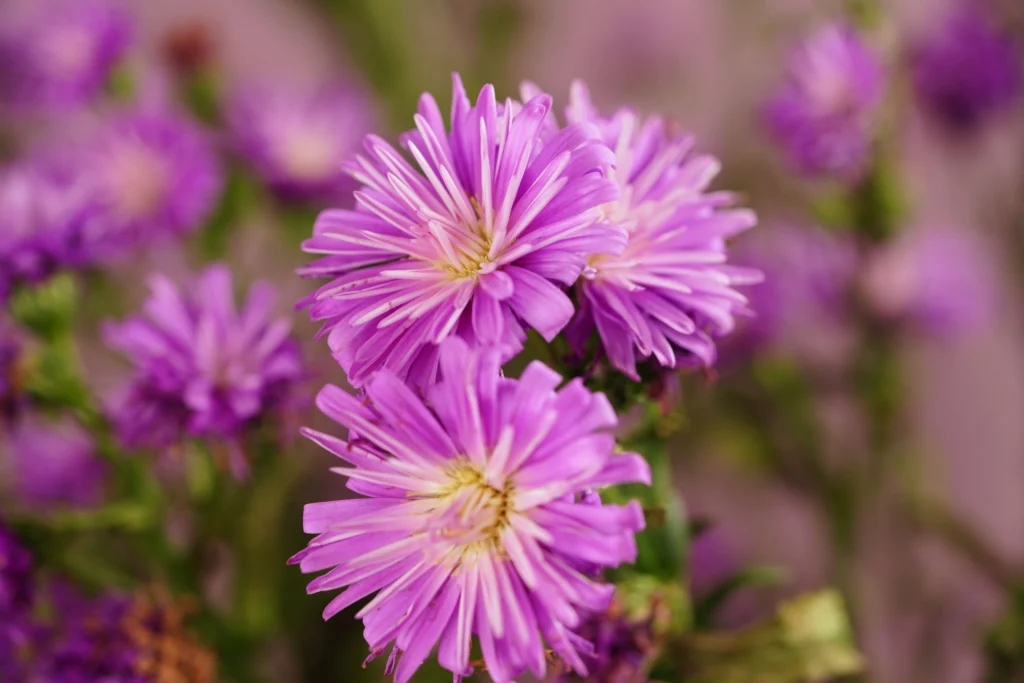
Deciding between the aster and the morning glory depends on what you want to say. The aster is the better choice for messages of lasting love, wisdom, and loyalty. It is a classic gift for a September birthday or a twentieth anniversary. As a cut flower, it lasts well in vases.
The morning glory suits moments that call for mindfulness. It is a thoughtful gift for someone starting a new chapter, or for anyone who needs a reminder to appreciate a single perfect day. A packet of seeds makes a meaningful and personal present.
For the most impact, combine them. A bouquet of asters with trailing morning glory vines creates a stunning arrangement that captures the full spirit of September.
Frequently Asked Questions
What is the September birth flower?
The September birth flower is the aster, a star-shaped perennial that blooms in late summer and fall. The morning glory serves as the alternate September birth flower.
What does the September birth flower symbolize?
The aster symbolizes love, wisdom, faith, and patience. The morning glory represents love, renewal, and the fleeting beauty of life.
Why does September have two birth flowers?
Different cultures developed their own birth flower traditions over centuries. Modern lists blend these traditions, giving September both the aster and the morning glory.
What color aster should I give as a birthday gift?
Purple asters are the most traditional and symbolize wisdom. Pink asters represent kindness. White asters convey purity. Choose the color that matches your message.
Are morning glories hard to grow?
Not at all. Morning glories are among the easiest annual vines to grow from seed. They need full sun, something to climb, and only moderate water.
Are asters perennials?
Yes, most garden asters are hardy perennials in zones 4 through 8. They return each year and spread gradually.
Is the September birth flower toxic to pets?
Morning glory seeds and plant parts are toxic to both pets and humans if ingested. Asters are generally safe but can cause mild skin irritation in sensitive individuals.
How do I keep asters blooming longer in fall?
Deadhead spent blooms, keep soil consistently moist, and avoid fertilizing once flowers open. Because they bloom so late, it is worth learning how to protect your garden from frost so you can enjoy the display as long as possible.
Conclusion
The September birth flower offers something rare. Two completely different blooms somehow capture the same month perfectly. The aster brings endurance, wisdom, and quiet beauty that persists even as the days grow short. The morning glory brings intensity, color, and a reminder that some things are worth appreciating exactly because they do not last.
Whether you plant them in your garden, arrange them in a vase, or simply learn their stories, these flowers give September a personality that feels honest and layered. They are not the loud, obvious blooms of June. They are the thoughtful, complicated flowers of a month in transition, and that is exactly what makes them worth knowing.