
Most people assume the pink pineapple is a photoshopped trend or a food coloring gimmick from social media. It is neither. The pink pineapple is a real, FDA-approved, genetically engineered fruit developed by Del Monte Fresh Produce after more than a decade of research into how pineapple plants produce and store color-forming compounds in their flesh. The science behind what makes a pink pineapple pink is genuinely fascinating, and the resulting fruit is not just a novelty item. It tastes different from a conventional pineapple, it has a different nutritional profile, and it has sparked real interest among plant enthusiasts who want to grow the pineapple plant, one of the most rewarding tropical houseplants available, at home.

This guide covers everything: the biology, the taste, the nutrition, the controversy, and a full care guide for anyone who wants to grow a pineapple plant at home whether or not they ever get their hands on the pink version.
| Aspect | Details |
|---|---|
| Botanical Name | Ananas comosus (genetically modified) |
| Brand Name | Pinkglow® by Del Monte Fresh Produce |
| Plant Family | Bromeliaceae |
| Origin / Country of Growth | Costa Rica (Del Monte exclusive growing region) |
| FDA Approval | December 2016 |
| Color Compound | Lycopene (same pigment in tomatoes and watermelons) |
| Taste Profile | Sweeter, less acidic than conventional pineapple; hints of strawberry |
| Crown Leaf Color | Pinkish-white instead of traditional deep green |
| Mature Fruit Size | Similar to conventional pineapple |
| Price | $49 to $100+ per fruit (luxury pricing) |
| Availability | Select online retailers and specialty grocery stores |
| Toxicity (plant leaves) | Mildly irritating to cats and dogs (ASPCA) |
| USDA Zones for Outdoor Growing | 10-12 outdoors; grown as a houseplant everywhere |
| Difficulty (as a houseplant) | Beginner to Intermediate |
What Exactly Is a Pink Pineapple?
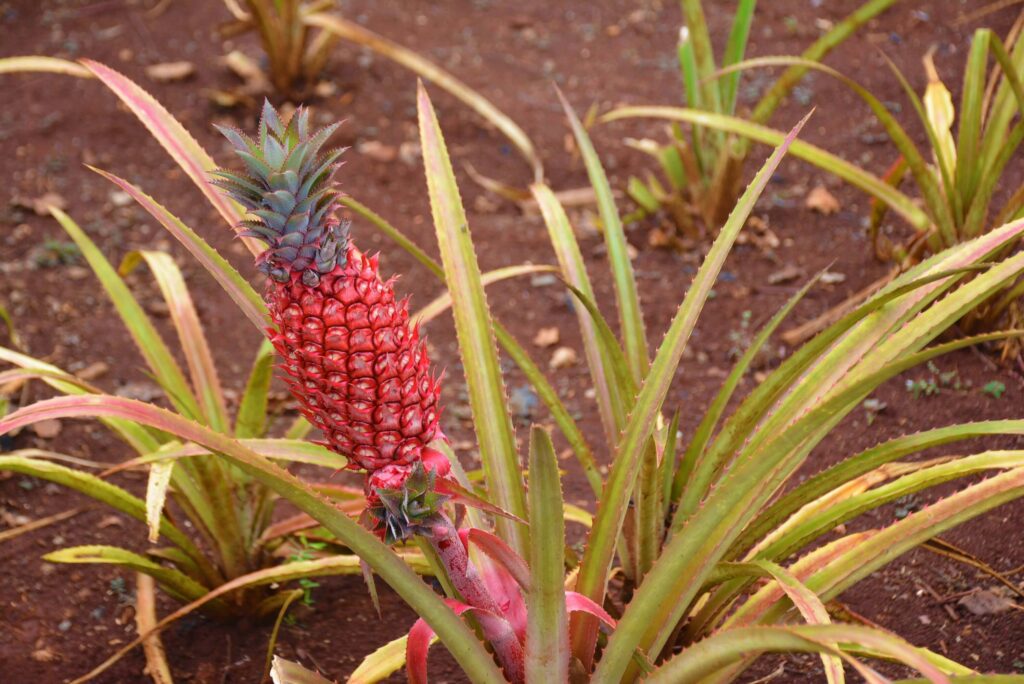
The pink pineapple, marketed under the brand name Pinkglow by Del Monte Fresh Produce, is a genetically modified variety of the standard pineapple plant (Ananas comosus) that produces rose-colored flesh instead of the familiar yellow. Del Monte’s agricultural science team spent over sixteen years developing this variety before submitting it for regulatory review, and the FDA determined the pink pineapple to be safe for human consumption in December 2016. The key modification involves a gene called LCYB, which encodes an enzyme called lycopene beta-cyclase.
In a normal pineapple plant, this enzyme converts lycopene, a pink-red carotenoid pigment, into beta-carotene, the yellow-orange compound responsible for the color of conventional pineapples. Del Monte’s scientists suppressed this conversion in the pink pineapple by silencing the LCYB gene. With the conversion pathway blocked, lycopene accumulates in the fruit flesh instead of being transformed, and the result is the distinctive rose-pink color that makes the pink pineapple visually unlike anything else in the produce section.
This same lycopene compound is the reason ripe tomatoes, watermelons, pink grapefruits, and guavas are red or pink, which means the pink pineapple is drawing its color from one of the most well-studied antioxidant pigments in the plant kingdom.
How the Pink Pineapple Differs From a Regular Pineapple
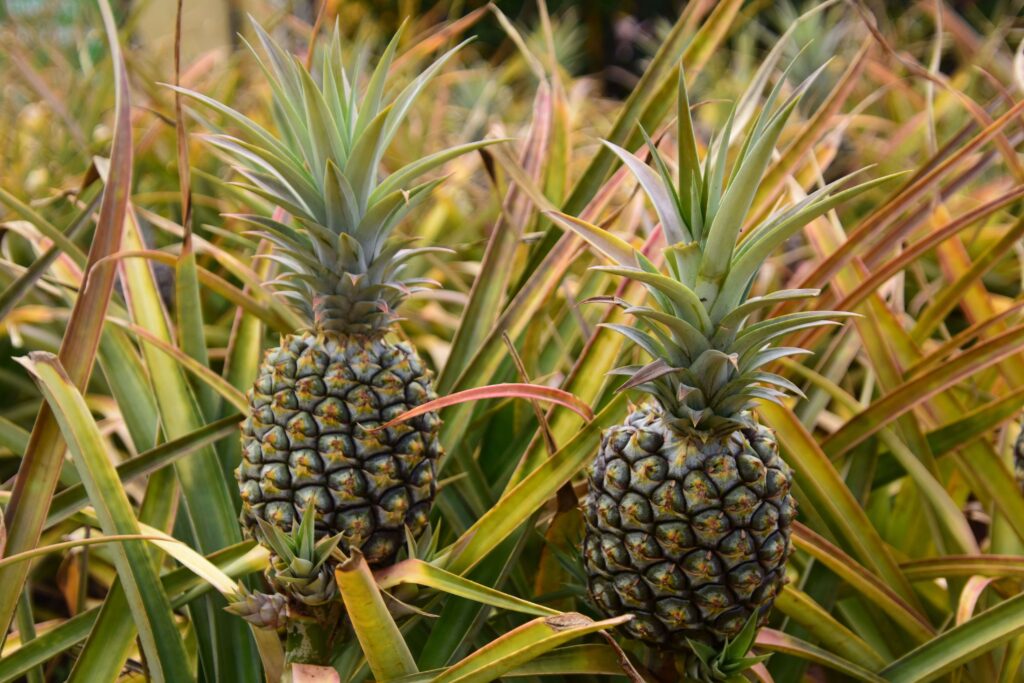
Setting the color aside, the pink pineapple differs from a conventional pineapple in several ways that matter to both consumers and plant growers. The most immediately noticeable difference beyond the flesh color is the crown. A conventional pineapple has deep green, spiky leaves forming the iconic tuft at the top. The pink pineapple has crown leaves that are pinkish-white rather than green, a direct result of reduced chlorophyll production in the modified plant, which gives the whole fruit an unusual, almost otherworldly appearance even before you cut it open.
The taste of the pink pineapple is consistently described as sweeter and significantly less acidic than a standard pineapple, with a flavor profile that many tasters note as having light strawberry or candy-like undertones that simply do not exist in conventional varieties. This reduction in acidity makes the pink pineapple a practical choice for people who enjoy pineapple flavor but find the normal tartness uncomfortable, particularly those with acid sensitivity.
The growing process is another key difference. Every pink pineapple sold commercially is grown exclusively on Del Monte farms in Costa Rica under controlled agricultural conditions, and the company holds exclusive rights to the Pinkglow variety. Unlike a conventional pineapple, you cannot purchase a pink pineapple at a grocery store and successfully grow a true pink-fruiting plant from its crown at home, because the genetic trait requires specific agricultural management to express reliably. For a broader look at statement-making tropical plants worth growing at home, our guide on tropical indoor plants covers the best options for different indoor environments.
The Science of Lycopene: Why the Pink Color Matters Nutritionally
The lycopene that makes a pink pineapple its signature color is not just a visual trait. It is a well-documented antioxidant carotenoid that has been the subject of extensive nutritional research over the past two decades, particularly in relation to cardiovascular health and cellular protection. Lycopene is a fat-soluble compound, meaning the body absorbs it most efficiently when consumed alongside a small amount of healthy fat. It is classified as a carotenoid but, unlike beta-carotene, it does not convert to vitamin A in the human body. Instead, it functions primarily as an antioxidant that neutralizes free radicals, the unstable molecules that contribute to cellular damage and aging.
The conventional pineapple contains essentially no lycopene because the LCYB enzyme converts all of it before the fruit matures. The pink pineapple, with that conversion pathway blocked, delivers a meaningful dose of lycopene in each serving alongside the standard nutritional benefits of pineapple, including vitamin C, manganese, bromelain, and dietary fiber. According to a regulatory review published through the FDA’s GRAS notification process for the Pinkglow pineapple, the fruit is nutritionally comparable to conventional pineapple with the addition of lycopene as a distinguishing compound.
Whether the addition of lycopene makes the pink pineapple meaningfully more nutritious than eating a slice of watermelon or a handful of tomatoes is a separate question, but as a luxury fruit it does deliver a genuine nutritional differentiation rather than just a cosmetic one.
How to Grow a Pineapple Plant at Home (The Full Care Guide)
Even if you cannot grow a true pink pineapple at home, you absolutely can grow a pineapple plant from the crown of any pineapple, including the Pinkglow variety, and it makes one of the most rewarding and visually interesting tropical houseplants you can keep indoors. Pineapple plants are bromeliads, which means they belong to the same family as air plants and many of the most popular low-maintenance indoor plants available. The process of growing a pineapple plant from a store-bought fruit crown is genuinely beginner-friendly, and the plant itself becomes a dramatic, architectural specimen with long, stiff, arching leaves that fills a bright corner with tropical character.
What you will not reliably get from a home-grown pink pineapple crown is a second pink fruit. The genetic modification requires controlled growing conditions to produce the pink flesh reliably, and a home-grown plant from a Pinkglow crown will typically produce a smaller conventional yellow-fleshed pineapple rather than reproducing the exact pink variety. The plant itself, however, is beautiful and worth growing regardless.
Starting a Pineapple Plant From a Crown
Starting your pineapple plant from any pineapple crown, including a pink pineapple crown if you happen to buy one, follows the same process. Twist or cut the crown cleanly from the fruit, remove the lower leaves to expose about 1 inch (2.5 cm) of the central stem, and set it in a dry spot for two to three days to let the cut end callus before planting or rooting in water. To root in water, place the prepared crown in a glass of water so only the stem tip touches the water, set it on a bright windowsill, and change the water every few days. Roots appear within two to four weeks.
Once roots reach 2 to 3 inches (5 to 7.5 cm) long, the crown is ready to move into soil. To root directly in soil, dip the stem end in rooting hormone powder and plant it about 1 inch (2.5 cm) deep in a well-draining mix of equal parts potting mix and perlite. Keep the soil evenly moist and place the pot in a warm, bright location. Roots establish in four to six weeks, confirmed when you feel gentle resistance to a very light tug on the crown. For specific soil mix recommendations that support bromeliad-type root systems, our guide on best soil for indoor plants covers the drainage and nutrition balance that tropical fruit plants need.
Light, Temperature, and Position
Pineapple plants, including any home-grown plant started from a pink pineapple crown, need a minimum of 6 hours of direct or very bright indirect sunlight daily to grow well and eventually produce fruit. A south-facing window is the ideal indoor position, and the plant should be positioned as close to the glass as possible to maximize light intensity. Pineapple plants are warm-weather plants that perform best when temperatures stay consistently between 65 and 90 degrees F (18 to 32 degrees C). They do not tolerate cold or frost, and any exposure to temperatures below 50 degrees F (10 degrees C) causes visible leaf damage and slows growth significantly.
If you are growing your pineapple plant in a climate with cold winters, keep it well away from exterior doors and drafty windows from October through March. For growers whose homes do not get enough natural light for a sun-hungry bromeliad, a quality grow light running 12 to 14 hours daily compensates well. Our article on best grow lights for indoor plants includes specific options suited for fruiting and tropical plants that need higher light intensity than standard decorative houseplants.
Watering and Feeding Your Pineapple Plant
Watering a pineapple plant correctly is one of the more interesting care tasks in indoor gardening because this plant uses two separate water-collection systems simultaneously. Like all bromeliads, the pineapple plant has a central cup or tank formed by its overlapping leaves, and in nature it collects rainfall in this cup as a direct water source for the plant. Keep this central cup about one-quarter to one-half full of water at all times during the growing season, refreshing it every week to prevent stagnation and mosquito breeding. For the root system in the soil, water the potting mix when the top 1 to 2 inches (2.5 to 5 cm) feel dry, watering thoroughly until it runs from the drainage hole and emptying the saucer within an hour.
Overwatering the soil while the central cup is also full is the most common care mistake with pineapple plants, and it creates the root rot conditions that a bromeliad’s naturally adapted root system has little tolerance for. Our guide on overwatering vs underwatering covers the visual symptoms that distinguish each problem before the plant sustains serious damage. For fertilizing, apply a balanced liquid fertilizer like Jack’s Classic All Purpose 20-20-20 at half strength monthly from spring through summer, and apply some directly into the central cup as well as to the soil. Some growers also use a diluted foliar spray applied to the leaves, which bromeliads absorb readily through specialized cells on the leaf surface.
Potting and Repotting
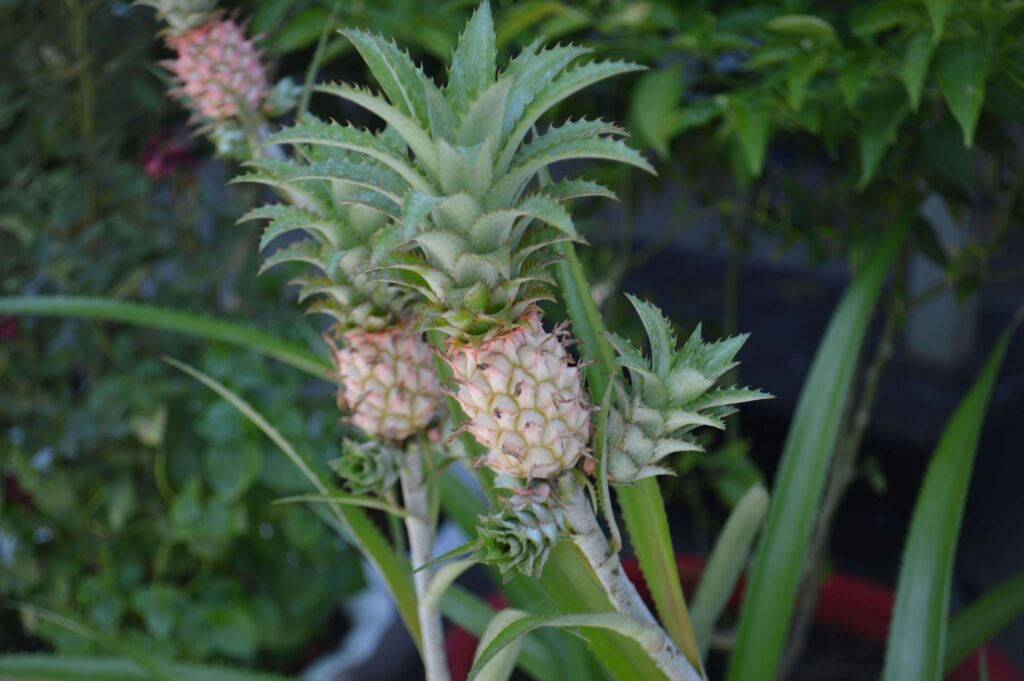
The pink pineapple plant and all pineapple varieties grown as houseplants prefer to be slightly root-bound rather than planted in oversized containers. Start a crown-rooted plant in a 6-inch (15 cm) pot with excellent drainage, and move up to a 10 to 12-inch (25 to 30 cm) container only when roots are visibly circling the drainage hole. Use a fast-draining mix, either a bromeliad-specific blend or a standard potting mix amended with 30 percent perlite. Terra cotta pots are excellent for pineapple plants because the porous walls help prevent the overwatering that this plant’s root system is susceptible to. For a detailed comparison of pot materials and which types work best for tropical fruit plants and other bromeliads, our guide on best planters for indoor plants walks through the trade-offs between terra cotta, plastic, and glazed ceramic in terms of drainage and moisture retention.
Where to Buy a Pink Pineapple
The pink pineapple is not available in standard grocery stores, and this is unlikely to change in the near future because Del Monte grows the Pinkglow variety exclusively on their Costa Rica farms and controls distribution tightly to maintain the premium pricing that justifies the specialized production. The primary places to purchase a pink pineapple in the US are Del Monte’s own website, selected specialty online fruit retailers, and occasionally Costco during limited seasonal availability windows.
Prices for a single pink pineapple typically range from $49 to $100 or more depending on the retailer and the season, which puts it firmly in the luxury food category alongside things like Japanese Wagyu beef and white truffles. Some specialty fruit boxes from services like Goldbelly also carry the pink pineapple periodically. If you want to grow the pineapple plant itself rather than eat the fruit, standard pineapple crowns from any grocery store produce the same beautiful houseplant, and the only thing you give up is the pink flesh and the pink-tipped crown leaves.
Is the Pink Pineapple Safe to Eat? Addressing Common Concerns
The question of whether the pink pineapple is safe comes up frequently, and the answer from a regulatory standpoint is straightforward. The FDA reviewed Del Monte’s application and confirmed the pink pineapple as generally recognized as safe for human consumption in December 2016. The genetic modification involved silencing one enzyme pathway rather than introducing foreign DNA from another species, which places the pink pineapple in a different category from some other genetically modified crops that raise more complex safety questions.
The lycopene that accumulates as a result of the modification is a compound humans have consumed in large amounts through tomatoes, watermelons, and red fruits for thousands of years without any associated toxicity. For consumers who have a preference for non-GMO produce, the pink pineapple is not appropriate given its genetically engineered origin, and that is a legitimate and respected choice. For those who are comfortable with the science and regulatory review behind it, the pink pineapple presents no documented safety concerns at normal serving sizes.
Pink Pineapple as a Houseplant: Toxicity for Pet Owners
This matters for anyone who wants to grow a pineapple plant at home alongside cats or dogs. According to the ASPCA, the pineapple plant (Ananas comosus) is mildly toxic to cats and dogs. The leaves, skin, and unripe flesh can cause mild gastrointestinal upset including vomiting and diarrhea if ingested in meaningful quantities. The stiff, spiny-edged leaves of a mature pineapple plant also present a physical hazard for curious pets who try to chew on them. Place any pineapple plant, including one grown from a pink pineapple crown, in a location that is out of regular reach of pets.
For a full list of verified non-toxic indoor plants that are genuinely safe to grow around cats and dogs, our guide on indoor plants safe for cats covers 25 confirmed pet-safe options across different sizes, light needs, and care levels. If you want the tropical statement-plant look without the toxicity concern, our guide on big leaf indoor plants covers several large-leaved alternatives that carry a similar dramatic presence.
Common Problems When Growing Pineapple Plants Indoors
Even a resilient bromeliad like the pineapple plant runs into a predictable set of problems when grown indoors. Knowing what they look like makes them easier to catch early.
Brown leaf tips spreading from the edges inward almost always point to dry indoor air combined with inconsistent watering. Pineapple plants need moderate humidity of 40 to 60 percent, and heated winter air in most US homes drops well below that range. Running a humidifier nearby or grouping the plant with other tropical plants helps significantly during the dry months.
Yellow leaves developing across the plant signal one of three things: overwatering and soggy roots, a nitrogen deficiency from inadequate fertilizing, or insufficient light. Check the soil moisture first and trace the yellowing pattern. Lower leaves yellowing occasionally is normal aging. Widespread yellowing moving toward newer leaves is a care signal worth addressing. Our guide on plant leaves turning yellow covers every pattern with a specific cause and fix for each.
No fruit production after three or more years is the most common frustration for indoor pineapple growers. Pineapple plants naturally take two to three years from a crown to produce their first fruit, and they will not flower without being triggered. The classic home technique for forcing a pink pineapple plant or any pineapple plant to flower is to enclose it in a plastic bag with a ripe apple for three to five days. Ripe apples produce ethylene gas, which triggers flowering in bromeliads. The plant should begin showing a flower spike within two to three months of this treatment.
Slow or stalled growth in winter is normal for a sun-loving tropical plant in a northern US home where natural light intensity drops significantly from November through February. Adding supplemental grow lighting is the most reliable fix.
Mistakes to Avoid With Your Pineapple Plant
Starting in a pot that is too large. A pineapple plant in an oversized container has more soil than its roots can draw moisture from quickly, and that excess wet soil creates root rot conditions that this plant is genuinely susceptible to. Start small and size up only when root-bound.
Never cleaning the central cup. Stagnant water sitting in the bromeliad cup for weeks develops bacteria and algae that damage the central growing point of the plant. Flush and refill the cup weekly during the growing season.
Placing the plant in a low-light corner because it looks decorative there. A pineapple plant in dim light produces small, floppy leaves and will never fruit. This plant needs the brightest spot in your home, full stop.
Forgetting to fertilize through summer. Pineapple plants are heavier feeders than most bromeliads. Skipping fertilizer through the growing season produces a plant that technically survives but never develops the vigor needed to produce fruit.
Using cold tap water directly on the plant. Pineapple plants are native to warm tropical climates and respond poorly to cold water poured onto the crown or roots. Let water reach room temperature before watering, particularly in winter.
FAQ
What makes a pink pineapple pink?
The pink pineapple gets its color from lycopene, the same antioxidant pigment that makes tomatoes and watermelons red. In a normal pineapple, an enzyme called lycopene beta-cyclase converts lycopene into beta-carotene, which produces the yellow color. Del Monte’s Pinkglow pink pineapple has this enzyme suppressed through genetic modification, so lycopene accumulates in the flesh instead of being converted, resulting in the distinctive rose-pink color.
Is a pink pineapple naturally occurring or genetically modified?
The pink pineapple is genetically modified. It is not a natural mutation or a variety developed through selective breeding. Del Monte’s agricultural scientists suppressed a specific gene to prevent lycopene from converting to beta-carotene. The FDA reviewed and approved the pink pineapple as safe for consumption in December 2016 before it entered commercial production.
What does a pink pineapple taste like?
Most people who have tasted a pink pineapple describe it as noticeably sweeter and significantly less acidic than a standard pineapple, with subtle undertones of strawberry or mild candy notes that are not present in conventional pineapple. The difference in acidity makes the pink pineapple more approachable for people who find regular pineapple too tart or who experience discomfort from its acidity.
Can I grow a pink pineapple plant at home from the crown?
You can grow a beautiful pineapple plant from a pink pineapple crown, but you will not reliably reproduce pink flesh in the fruit. The pink coloration requires specific agricultural growing conditions managed by Del Monte, and a home-grown plant from the Pinkglow crown will typically produce a conventional yellow-fleshed pineapple rather than a true pink one. The plant itself, however, makes an excellent tropical houseplant worth growing regardless of the fruit color.
Where can I buy a pink pineapple?
The pink pineapple is available through Del Monte’s own website, select specialty online fruit retailers, and occasionally through Costco during limited availability windows. It is not available in standard grocery stores. Prices typically range from $49 to $100 or more per fruit depending on the retailer and season. It is classified as a luxury produce item due to Del Monte’s exclusive growing rights and the specialized production involved.
How long does it take to grow a pineapple plant at home?
Growing a pineapple plant from a crown to its first fruit typically takes two to three years under good indoor growing conditions. The plant requires bright direct light, consistent watering of both the soil and its central cup, and regular feeding during the growing season. Flowering can be encouraged after two years by enclosing the plant in a plastic bag with a ripe apple for three to five days to expose it to the ethylene gas that triggers bud formation.
Is the pink pineapple worth the price?
That depends entirely on what you value in a food purchase. As a flavor experience, the pink pineapple is genuinely different from a conventional pineapple, sweeter, less acidic, and visually striking in a way that makes it memorable. As a nutritional upgrade, the addition of lycopene is real but can be replicated much more affordably by eating tomatoes or watermelon. As a novelty or gift, the pink pineapple is one of the most visually impressive luxury fruits available. Whether that combination is worth $49 to $100 is a personal decision.
The pink pineapple is one of those rare cases where something that looks like a food trend or a social media gimmick turns out to have genuine science, real flavor differences, and interesting horticultural applications behind it. Whether you are interested in the fruit itself, the nutritional story behind lycopene, or the idea of growing a tropical pineapple plant as a stunning piece of living decor in your home, there is more depth to the pink pineapple story than most people expect when they first encounter it.
Grow the plant, buy the fruit at least once if you get the chance, and enjoy one of the most genuinely unusual things the intersection of food science and horticulture has produced in the past decade.
Happy planting!