
I noticed something weird a few years ago. My home office, a small windowless room where I spent 8+ hours a day, always felt stuffy and heavy by mid-afternoon. Headaches, dry eyes, the works. Then I moved four air purifying plants into that room: a snake plant, a pothos, a peace lily, and a ZZ plant. Within a couple of weeks, the difference was hard to ignore. The air felt lighter, less stale, and those afternoon headaches stopped almost entirely.
Was it the plants? Was it placebo? Honestly, I didn’t care. It worked. But the science backs it up, too. Air purifying plants absorb volatile organic compounds (VOCs) like formaldehyde, benzene, and xylene through their leaves, while their soil microbes break those toxins down even further. The NASA Clean Air Study identified the top performers back in 1989, and newer research from institutions like the University of Georgia continues to confirm those findings.
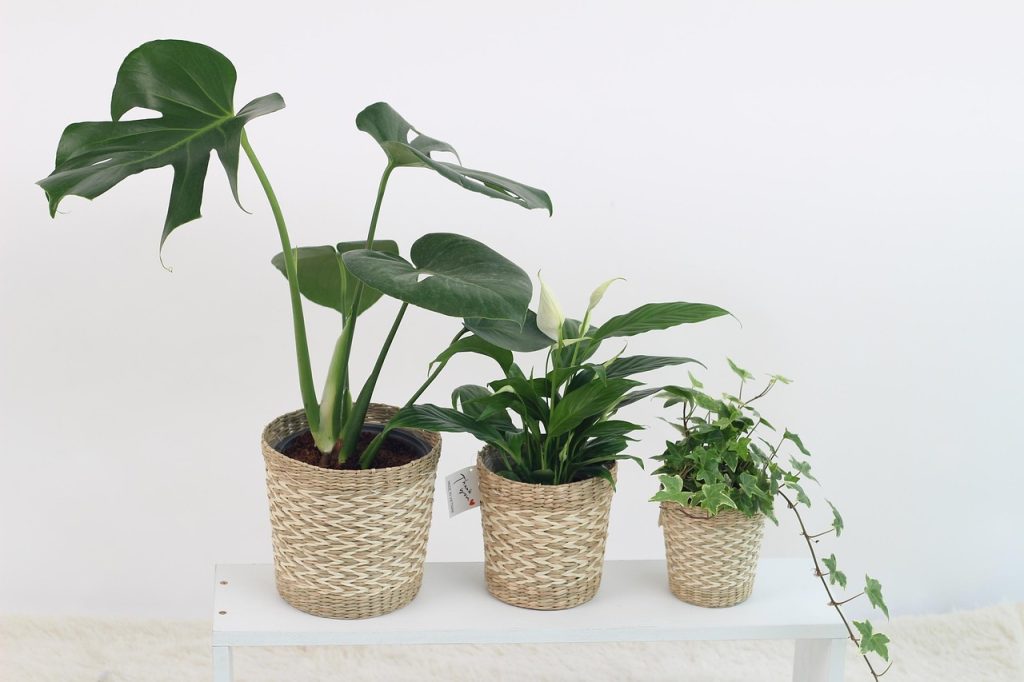
Now, let me be upfront. A few potted plants won’t turn your apartment into a mountain retreat. But strategically placed air purifying plants genuinely make a noticeable difference, especially in rooms with poor ventilation, new furniture off-gassing chemicals, or dry winter air from central heating. Let me show you exactly which ones to get and where to put them.
What’s Actually Lurking in Your Indoor Air?
Before picking plants, it helps to know what you’re fighting. Most homes contain a cocktail of invisible pollutants that build up faster than you’d think, especially in winter when every window stays sealed shut.
Formaldehyde sneaks in from pressed-wood furniture, laminate flooring, mattresses, and cleaning products. That “new furniture smell”? Largely formaldehyde.
Benzene is released by plastics, synthetic fibers, detergents, and tobacco smoke. It’s classified as a carcinogen by the EPA.
Xylene and toluene are off-gassed from paints, varnishes, adhesives, and printers. If you work from home near a printer, you’re breathing these daily.
Trichloroethylene is found in some dry-cleaned clothing, adhesives, and paint removers.
Ammonia is common in household cleaners and some floor waxes.
The EPA estimates that indoor air can be 2-5 times more polluted than outdoor air. That’s where the right air purifying plants make their entrance. Each species targets specific toxins, so the smartest approach is mixing different plants to cover more ground.
Do Air Purifying Plants Really Work? (The Honest Answer)
Yes, but with a big asterisk. The NASA study tested plants in sealed chambers, which is nothing like your living room. A single pothos on your coffee table won’t transform your air quality. That’s just not how it works.
Here’s what actually moves the needle: grouping 6-8 air purifying plants per 100 square feet (9 sq m) of living space. That density creates a measurable reduction in VOC levels, especially in smaller, enclosed rooms like bedrooms and home offices where pollutants concentrate.
I’ve found the biggest real-world benefit isn’t just toxin removal. It’s the humidity boost. A cluster of air purifying plants raises ambient humidity by 5-10%, which helps in the dry winter months when central heating turns your home into a desert. Less dry air means fewer dry sinuses, less static, and better sleep.
The takeaway? Don’t expect miracles from one plant. Build a collection, spread them through your home strategically, and combine with basic ventilation. That’s the approach that actually delivers results.
The 12 Best Air Purifying Plants, Picked by Situation
Instead of dumping a generic list on you, I’ve organized these by the situation that fits your life. Find your category, start there.
If You’re a Total Beginner: The Unkillable Starter Pack
These three survive almost anything. Low light, forgotten waterings, zero plant experience. Start here.
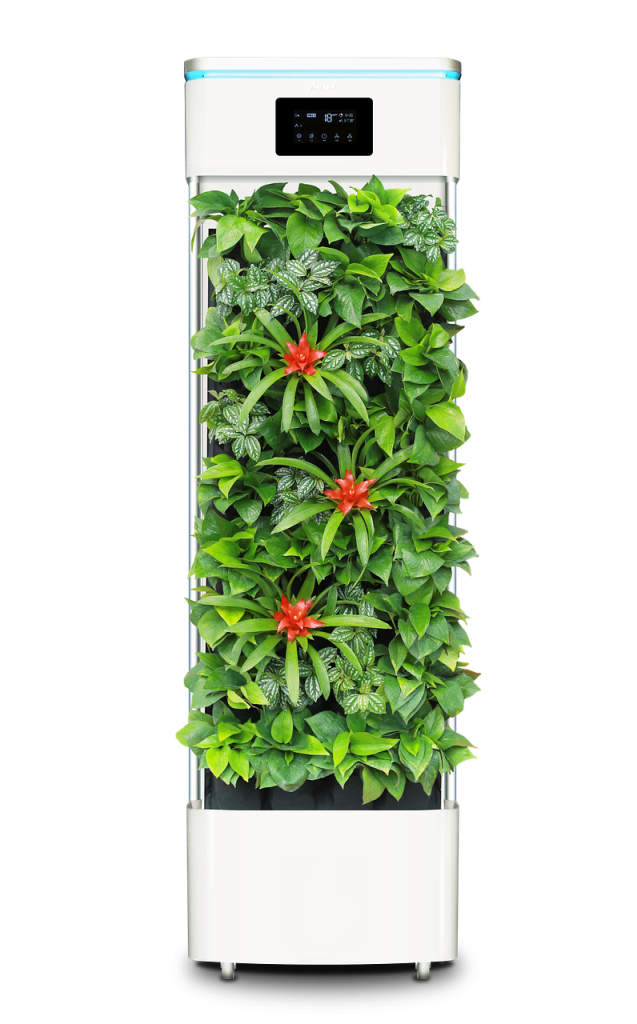
1. Snake Plant (Dracaena trifasciata) is the king of low-maintenance air purifying plants. Filters formaldehyde and nitrogen oxides. Unlike most plants, it converts CO2 to oxygen at night through a process called CAM photosynthesis. Water every 14-21 days. Thrives in anything from bright light to a dim hallway. I have one in a bathroom with frosted glass, and it hasn’t complained once in four years. snake plant care guide
2. Pothos (Epipremnum aureum) trails beautifully from shelves and hangs from baskets while quietly filtering benzene, formaldehyde, and xylene. Water every 7-10 days, tolerates low light, grows fast. If you can’t keep a pothos alive, houseplants might not be for you. It’s that forgiving. Available everywhere from Home Depot to Trader Joe’s for under $10.
3. ZZ Plant (Zamioculcas zamiifolia) is the “forget it exists” champion. Those glossy dark leaves remove xylene, toluene, and benzene while handling drought, neglect, and low light. Water every 14-21 days. I once forgot about mine for a month during vacation and came home to find it looking the same.
If You Want Cleaner Bedroom Air: The Night Shift Crew
These earn their spot on your nightstand by working while you sleep.
4. Snake Plant (again) made both lists because it’s that good. The nighttime oxygen release lowers CO2 levels in your bedroom, which research links to better sleep quality and fewer morning headaches. Place one on your nightstand or in the corner. It barely takes up space.
5. Aloe Vera (Aloe barbadensis) pulls double duty as an air purifying plant and a first-aid kit. Filters formaldehyde from mattresses and furniture while sitting quietly on a sunny windowsill. Bonus: snap a leaf for instant burn or skin relief. Water every 14-21 days with well-draining cactus soil. Aloe plant care
6. Peace Lily (Spathiphyllum) is one of the most powerful air-purifying plants on the NASA list. Filters ammonia, benzene, formaldehyde, AND trichloroethylene, hitting more toxins than almost any other species. Handles the low light typical of bedrooms. Droops dramatically when thirsty, then perks right back up after watering. Heads up: toxic to cats and dogs (ASPCA).
If You Have Cats or Dogs: The Pet-Safe Squad
Non-negotiable for pet owners. Every plant here is confirmed non-toxic by the ASPCA.
7. Spider Plant (Chlorophytum comosum) is a pet-safe air purifying plant that tackles xylene and toluene while producing adorable dangling babies. Cats will bat at the plantlets, but it’s totally harmless. Hang it in a macramé planter for extra style points and to keep it out of reach. Water every 7-10 days, bright indirect light. spider plant care guide
8. Areca Palm (Dypsis lutescens) brings tropical vibes plus serious air cleaning power. Removes trichloroethylene and xylene while acting as a natural humidifier. Grows 6-8 feet (180-240 cm) tall indoors, big enough that most pets ignore it. Needs bright indirect light and consistently moist (not soggy) soil. Available at most Lowe’s and Home Depot garden centers.
9. Boston Fern (Nephrolepis exaltata) has lush, arching fronds that are completely pet-safe and phenomenal at filtering formaldehyde. University of Georgia research found it among the top formaldehyde-removing species tested. The trade-off? It’s the diva of the group. It demands consistent moisture, humidity of 50-80%, and regular misting. Bathrooms are its happy place.
10. Bamboo Palm (Chamaedorea seifrizii) is another tall, pet-friendly air purifying plant that filters formaldehyde and adds moisture to dry indoor air. Grows 4-6 feet (120-180 cm), prefers bright indirect light. Sturdy enough to handle the occasional bump from a dog’s tail.
If Allergies Are Your Nightmare: The Mold & Dust Fighters
These specifically target airborne allergens, not just chemical VOCs.
11. English Ivy (Hedera helix) earned its spot after research published in the Annals of Allergy, Asthma & Immunology found it particularly effective at reducing airborne mold, a major trigger for allergy sufferers. Let it climb a small trellis or trail from a hanging basket. Prefers cool temps of 50-70°F (10-21°C) and bright indirect light. Toxic to pets (ASPCA), so hang it high. indoor ivy plants
12. Rubber Plant (Ficus elastica) has large, glossy leaves that do something unique. They physically trap dust particles on their surface, pulling them out of the air you breathe. A quick wipe with a damp cloth every 2-3 weeks keeps the leaves working at full capacity. Filters formaldehyde, grows into a stunning 6-8 foot (180-240 cm) statement tree. Bright indirect light, water every 10-14 days.
Room-by-Room Placement Strategy
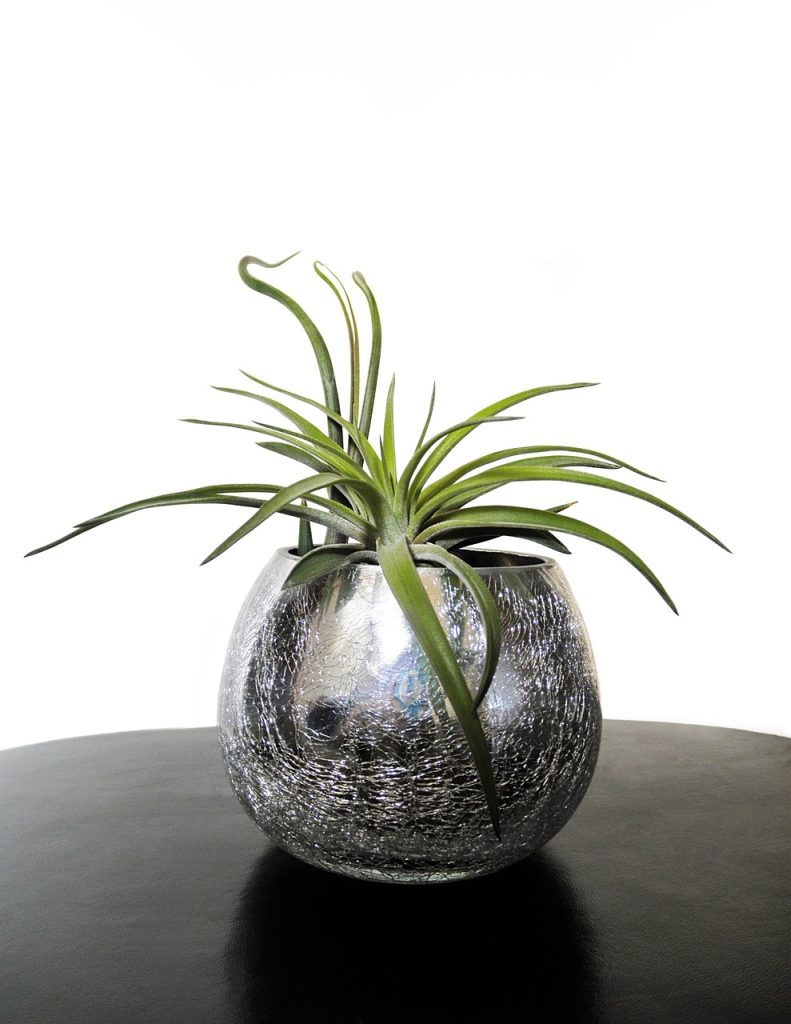
Randomly scattering air purifying plants around your house is better than nothing, but strategic placement gets you significantly better results. Here’s how I’ve set up my own home after years of experimenting.
Living Room: Your Filtration Hub
This is usually the largest room with the most furniture off-gassing chemicals. I go heavy here: a rubber plant in the corner as a statement piece, pothos trailing from a bookshelf, and a snake plant beside the couch. Three different species covering three different toxins.
Home Office: Where It Matters Most
You sit here for hours in a closed space surrounded by electronics, printer fumes, and synthetic furniture. A peace lily on the desk and a ZZ plant on the floor handle benzene and formaldehyde while adding a calming green presence. My afternoon headaches disappeared after adding air purifying plants to my office. That alone made it worth it.
Bedroom: Quality Sleep Setup
One snake plant (nighttime oxygen) plus an aloe vera on the windowsill (formaldehyde filtering from mattress chemicals). Keep it minimal. Two plants is plenty for a bedroom. Avoid anything heavily scented that might disrupt sleep.
Bathroom: Humidity Paradise
Boston ferns and peace lilies thrive in bathroom humidity while filtering chemicals from toiletries and cleaning products. Place on a shelf or hang from the ceiling to save counter space.
Kitchen: Cooking Fume Defense
An aloe vera on the windowsill (bright light + handy for minor burns) and pothos on top of the cabinets. Cooking releases particulates and VOCs from gas stoves, and these plants quietly offset some of that.
Pro tip: Group your air purifying plants together instead of isolating one plant per room. Clusters create a stronger combined filtering effect and boost humidity around each other.
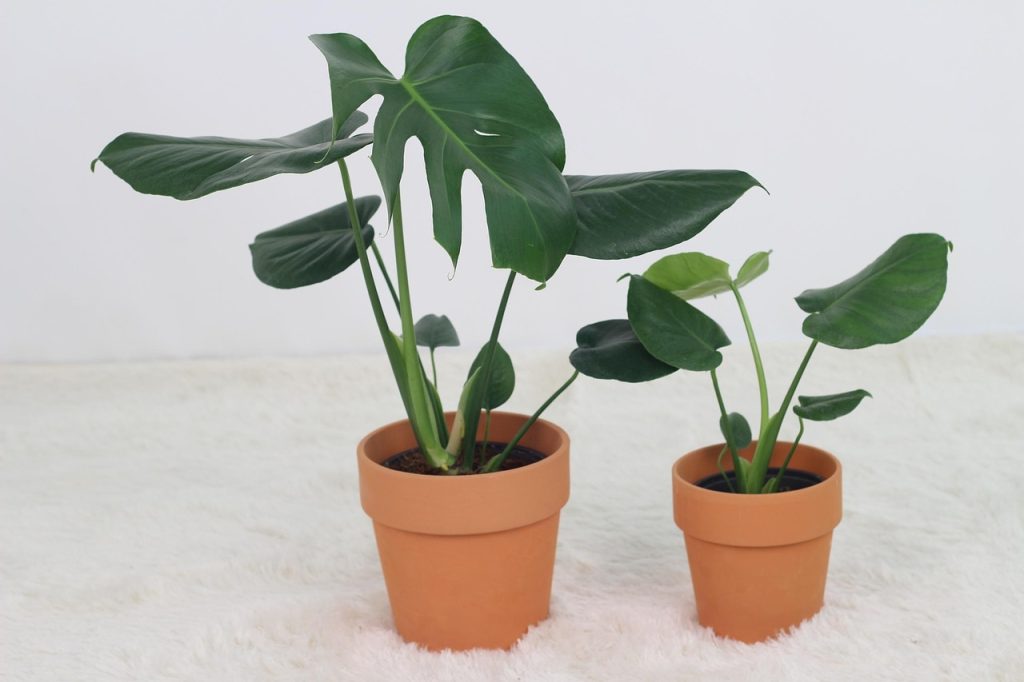
Air Purifying Plants Comparison Table
| Plant | Targets | Light | Water | Pet-Safe? | Difficulty |
|---|---|---|---|---|---|
| Snake Plant | Formaldehyde, NO2 | Low to bright | Every 14-21 days | No | Beginner |
| Pothos | Benzene, formaldehyde, xylene | Low to medium | Every 7-10 days | No | Beginner |
| ZZ Plant | Xylene, toluene, benzene | Low | Every 14-21 days | No | Beginner |
| Aloe Vera | Formaldehyde, benzene | Bright | Every 14-21 days | No | Beginner |
| Peace Lily | Ammonia, benzene, formaldehyde | Low to medium | Every 7-10 days | No | Beginner |
| Spider Plant | Xylene, toluene | Bright indirect | Every 7-10 days | Yes | Beginner |
| Areca Palm | Trichloroethylene, xylene | Bright indirect | Keep moist | Yes | Intermediate |
| Boston Fern | Formaldehyde | Indirect | Keep moist + mist | Yes | Intermediate |
| Bamboo Palm | Formaldehyde | Bright indirect | Keep moist | Yes | Intermediate |
| English Ivy | Benzene, mold spores | Bright indirect | Every 7-10 days | No | Intermediate |
| Rubber Plant | Formaldehyde, dust | Bright indirect | Every 10-14 days | No | Beginner |
All pet toxicity data from ASPCA (aspca.org)
Keeping Your Plants in Peak Filtering Shape
A stressed, dusty, half-dead plant isn’t cleaning anything. Here’s what keeps your air purifying plants actually doing their job.
Clean Those Leaves (Seriously)
This is the single most overlooked thing in air purifying plant care. Dust physically blocks the stomata (tiny leaf pores) that absorb toxins. Wipe smooth-leaved plants with a damp cloth every 2-3 weeks. For ferns, give them a gentle shower rinse. Two minutes of effort, major impact on filtering performance.
Don’t Drown Them
Overwatering is the number one killer of indoor plants, period. Most air purifying plants on this list prefer drying out between waterings. Stick your finger 1-2 inches (2.5-5 cm) into the soil. Dry means water, damp means wait. Use pots with drainage holes. Always.
Use the Right Soil
A well-draining potting mix is essential. I use 2 parts indoor potting mix (Miracle-Gro or Espoma Organic) plus 1 part perlite for most species. Succulents like snake plant and aloe need extra drainage, so add coarse sand to the mix.
Feed During Growing Season Only
A diluted balanced fertilizer (Schultz 10-15-10 or Jack’s Classic 20-20-20 at half strength) once a month from spring through early fall keeps your plants producing new leaves. More leaves = more surface area = more filtering power. Skip winter entirely. Dormant plants don’t need food.
Repot Every 1-2 Years
Fresh soil means a healthy soil microbiome, and those microorganisms are responsible for a huge chunk of the toxin breakdown. Root-bound plants in depleted soil lose their filtering edge. Repot in spring with fresh potting mix to keep the system running.

5 Myths About Air Purifying Plants That Need to Die
“One plant can purify a whole room.” Nope. You need 6-8 air purifying plants per 100 square feet (9 sq m) for any measurable impact. One lonely pothos on the mantel looks nice but isn’t doing much for air quality.
“They replace air purifiers and ventilation.” They complement these, not replace them. Air purifying plants are one piece of the puzzle alongside proper ventilation, dusting, and HEPA filters if you have allergies.
“All houseplants purify air equally.” Not even close. A succulent might look cute, but it’s not filtering formaldehyde like a peace lily or snake plant. The species matters. Stick to the proven performers.
“Low light means no light.” Even shade-tolerant air purifying plants need some ambient light to photosynthesize. A pitch-dark closet won’t work. If your room has zero windows, add an LED grow light. A basic one runs about $15-25 on Amazon.
“They’re dangerous if you have pets.” Some are, many aren’t. Spider plants, Boston ferns, areca palms, and bamboo palms are all ASPCA-confirmed safe. You don’t have to choose between clean air and pet safety. For a complete list, check out our pet friendly indoor plants and indoor plants safe for cats guides.
FAQ
What are the best air purifying plants for beginners?
Snake plant, pothos, and ZZ plant, also known as the unkillable trio. All three handle low light, forgive missed waterings, and filter multiple toxins. You can find them at Home Depot, Lowe’s, or Amazon for under $15 each.
How many air purifying plants do I need per room?
Aim for 6-8 plants per 100 square feet (9 sq m) for a noticeable impact on air quality. Start with 2-3 in your most-used rooms and build from there as your confidence grows.
Do air purifying plants actually work indoors?
Yes. The NASA Clean Air Study and follow-up research confirm that certain species absorb VOCs and release oxygen. They won’t replace an air purifier, but a cluster of healthy plants measurably reduces pollutant levels in enclosed spaces.
Which air purifying plants are safe for cats and dogs?
Spider plant, Boston fern, areca palm, and bamboo palm are all non-toxic according to the ASPCA. Avoid peace lily, pothos, English ivy, and snake plant if your pets chew on foliage.
What are the best air purifying plants for the bedroom?
Snake plant is the top pick because it releases oxygen at night through CAM photosynthesis, improving sleep quality. Pair it with an aloe vera on the windowsill for formaldehyde filtering. Avoid heavily scented plants if you’re a light sleeper.
Can air purifying plants help with allergies?
Certain ones can. English ivy reduces airborne mold spores, and Boston ferns boost humidity, which keeps dust from circulating. Combine them with regular cleaning and a HEPA filter for the best allergy relief.
What is the easiest air purifying plant to keep alive?
The ZZ plant. It handles low light, drought, and outright neglect while still filtering xylene, toluene, and benzene. Water every 2-3 weeks, ignore it the rest of the time, and it’ll outlast every other plant in your collection.
Where should I put air purifying plants in my house?
Focus on rooms where you spend the most time: your home office (printer fumes, electronics), bedroom (nighttime breathing), and living room (furniture off-gassing). Group plants together in clusters rather than scattering them one per room for stronger results.
Final Thoughts
Building a collection of air-purifying plants isn’t about turning your home into a botanical garden. It’s about placing the right plants in the right spots to make the air you breathe a little cleaner and fresher. Start with the unkillable trio (snake plant, pothos, ZZ plant), add a pet-safe option or bedroom breather based on your situation, and grow from there.
After years of experimenting with different species and placements, the rooms where I cluster my air purifying plants genuinely feel different. Lighter, fresher, easier to breathe in. That stuffy home office that started this whole journey? It’s now my favorite room in the house, surrounded by green and breathing easy.
Want to keep expanding your collection? Check out our guides on low light indoor plants and common indoor plants for more easy-care picks that pair beautifully with your new clean-air squad.
Happy planting!